Ovulation Tracking: The Complete Guide to Knowing Your Fertile Days


Ovulation Tracking: The Complete Guide to Knowing Your Fertile Days
Understanding your body's ovulation cycle is one of the most powerful tools available when you're trying to conceive. Accurate ovulation tracking transforms the guesswork of timed intercourse into a precise, evidence-based approach — and research consistently shows it can significantly reduce the time to conception. This comprehensive guide covers every method available in the UK today, what the NHS recommends, how to interpret your results, and how Conceive Plus products can support your fertility journey at every stage.
Understanding Ovulation: What's Actually Happening in Your Body
Ovulation is the release of a mature egg from the ovary, triggered by a surge in luteinising hormone (LH). This event marks the beginning of your fertile window — a period of approximately five to six days during which conception is biologically possible. However, the egg itself is only viable for 12 to 24 hours after release. Sperm, by contrast, can survive in optimal cervical mucus for up to five days.
This biological asymmetry means that the days leading up to ovulation — when sperm can survive and wait for the egg — are often more valuable for timed intercourse than the day of ovulation itself. Understanding this is central to why effective ovulation tracking focuses on predicting ovulation in advance, not just confirming it after the fact.
Ovulation typically occurs on day 14 of a 28-day cycle, but this is a statistical average, not a universal rule. Studies published in Human Reproduction have found that only 13% of women with regular cycles ovulate on day 14. The majority ovulate somewhere between days 11 and 20, and cycle length variability means that the same woman may ovulate on different days across consecutive cycles. This is why calendar-only methods are notoriously unreliable.
LH Ovulation Tests: The Gold Standard for Fertile Window Detection
Luteinising hormone (LH) tests — commonly called ovulation predictor kits (OPKs) — detect the LH surge that triggers ovulation. Because ovulation typically occurs 24 to 36 hours after the LH surge begins, a positive test gives you advance notice of your most fertile time, allowing you to time intercourse strategically.
The NHS recognises LH ovulation tests as a reliable and accessible method for ovulation tracking in the UK. They are available over the counter at all major pharmacies and are considerably less expensive than clinic-based monitoring. Accuracy rates for detecting the LH surge are high — around 97–99% for quality tests — making them the most practical first-line tool for home-based ovulation tracking.
There are two formats: traditional strip tests and digital tests. Traditional strips require you to visually compare test line intensity to the control line, which can be subjective. Digital tests automatically interpret the result and display a smiley face or clear positive indicator. Research has shown that women using digital tests correctly identify their fertile window more consistently than those using traditional strips alone.
For women with PCOS, LH testing can be complicated by chronically elevated LH levels that may produce persistently positive or near-positive results. In these cases, combining LH testing with basal body temperature (BBT) monitoring or seeking guidance from an NHS fertility specialist is advisable.
Basal Body Temperature (BBT) Charting: Reading Your Post-Ovulation Shift
Basal body temperature tracking involves taking your resting temperature first thing each morning — before getting out of bed — and charting it over time. After ovulation, progesterone causes a measurable rise in BBT of approximately 0.2–0.5°C that persists until menstruation begins.
The key limitation of BBT charting is that the temperature rise confirms ovulation has occurred, not that it's about to occur. This means it's retrospective — useful for identifying patterns over several cycles rather than predicting the current cycle's fertile window in real time. However, when charted over three or more cycles, BBT data reveals individual ovulation patterns that can be used to anticipate future cycles more accurately.
Digital basal thermometers offer higher precision (to 0.01°C) than standard thermometers and are essential for meaningful BBT tracking. Several NHS-recommended fertility apps — including Clue, Natural Cycles, and Kindara — support BBT charting with algorithms that identify the post-ovulatory rise and predict fertile windows based on historical data. Natural Cycles has EU and UK regulatory clearance as a contraceptive device, reflecting its validated accuracy.
Cervical Mucus Monitoring: Your Body's Natural Ovulation Signal
Cervical mucus (CM) changes predictably throughout the menstrual cycle in response to oestrogen and progesterone, providing a natural real-time indicator of fertility status. Learning to observe and interpret these changes is a foundational skill in many natural fertility awareness-based methods.
Post-menstruation, cervical mucus is typically absent or minimal (dry phase). As oestrogen rises in the lead-up to ovulation, CM increases in quantity and changes in character — progressing from sticky or creamy to increasingly clear, stretchy, and slippery. The most fertile type of mucus, often described as resembling raw egg whites, typically appears one to two days before and during ovulation. After ovulation, progesterone causes CM to become thick, tacky, and eventually absent again.
The importance of fertile-quality cervical mucus extends beyond detection — it is functionally essential for sperm transport and survival. Fertile CM creates channels that guide sperm toward the egg, filters abnormal sperm, provides a reservoir in which sperm can survive for up to five days, and capacitates sperm for fertilisation. Poor CM quality — common in women with hormonal imbalances, PCOS, or taking clomifene — can significantly impair fertility even when ovulation is occurring normally.
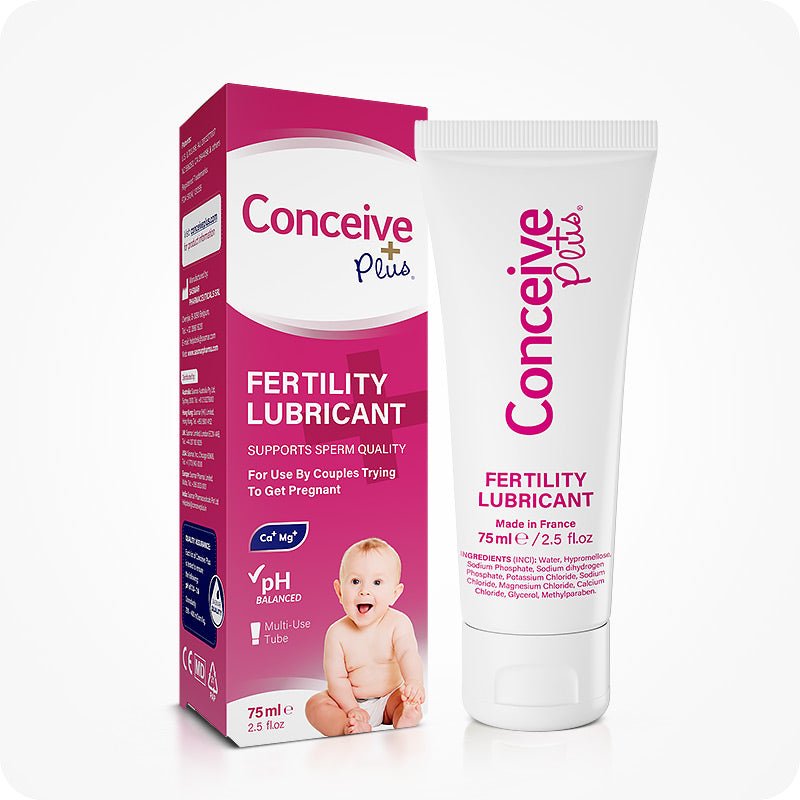
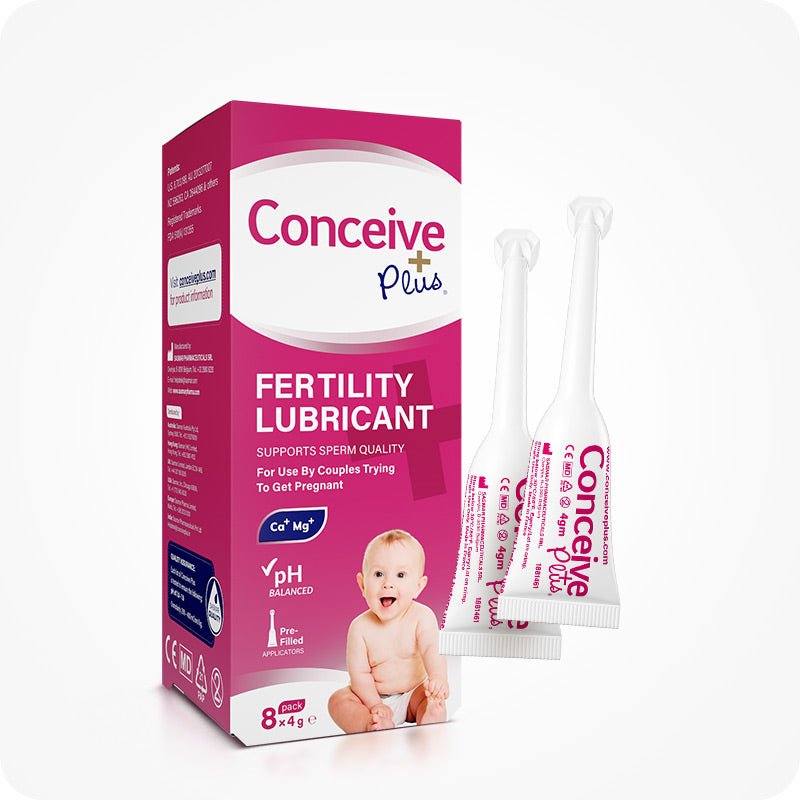
This is where Conceive Plus fertility-friendly lubricant plays an important supporting role. Designed to mimic the biological properties of fertile cervical mucus, Conceive Plus maintains the optimal pH (7.2–8.5) and osmolality for sperm survival and motility — providing sperm-safe lubrication when natural CM is insufficient. Unlike standard lubricants, which studies show can reduce sperm motility by up to 60–90%, Conceive Plus is specifically formulated to support conception.
Hormone Monitoring Devices: Advanced Ovulation Tracking Technology
Advanced fertility monitors offer multi-hormone tracking that provides a more complete picture of the fertile window than single-hormone LH tests alone. The Clearblue Advanced Fertility Monitor, for example, tracks both oestrogen and LH, identifying an extended fertile window of up to six days — the four days of high fertility (identified by rising oestrogen) plus the two days of peak fertility (the LH surge). Clinical studies have shown this extended window identification can increase conception rates by up to 89% per cycle.
Wearable ovulation tracking devices represent the newest frontier in fertility technology. Devices such as the Tempdrop (worn at night on the upper arm) continuously measure body temperature during sleep, eliminating the inconsistencies of manual morning BBT measurement. Ava, worn on the wrist during sleep, tracks multiple physiological parameters including skin temperature, pulse rate, and breathing rate to predict the fertile window with reported accuracy comparable to LH testing.
The UK National Institute for Health and Care Excellence (NICE) fertility guidelines do not make specific recommendations regarding these advanced devices due to limited long-term clinical evidence, but acknowledge their growing use among women managing their fertility at home. For women who have been trying to conceive for 12 months (or 6 months over age 35) without success, the NICE guidelines recommend referral to a GP for initial fertility investigations.
Combining Methods: The Most Effective Ovulation Tracking Approach
Research consistently shows that combining multiple ovulation tracking methods produces more accurate fertile window identification than any single method alone. The most evidence-supported combination for women with regular cycles is LH testing plus BBT charting, with cervical mucus monitoring as a complementary third signal.
A practical combined protocol looks like this:
- Days 1–9 of cycle: Begin LH testing from approximately day 8–10 (adjusting for cycle length — start testing 5–6 days before expected ovulation). Observe and record cervical mucus quality daily.
- Days 10–17: Test LH twice daily (morning and afternoon) as the surge approaches. Look for the transition to fertile-quality cervical mucus. Record BBT each morning.
- LH surge detected: The LH surge day and the day after are statistically your two most fertile days. Have intercourse on both days and the day before the surge if possible. Ensure comfortable intercourse with Conceive Plus fertility lubricant if needed.
- Post-ovulation: Confirm ovulation via the BBT rise (0.2–0.5°C sustained for 3+ days). Log the confirmed ovulation day to refine predictions for future cycles.
For women with irregular cycles, PCOS, or cycle lengths varying by more than 7 days, consulting an NHS GP or fertility specialist for monitored cycles with ultrasound follicular tracking provides the most reliable ovulation detection. This level of monitoring is available through NHS fertility services and private clinics across the UK.
Optimising Your Fertile Window: Beyond Tracking
Knowing your fertile window is only part of the equation. Maximising the probability of conception also requires attention to the conditions in which fertilisation must occur — particularly the environment created by cervical mucus and any lubricant used during intercourse.
Standard lubricants — including many widely available products in UK pharmacies — can significantly impair sperm function. A study published in Fertility and Sterility tested eight commonly used lubricants and found that all of them reduced sperm motility by 60–90% within one hour of exposure. For couples TTC, this represents a substantial and entirely avoidable impediment to conception.
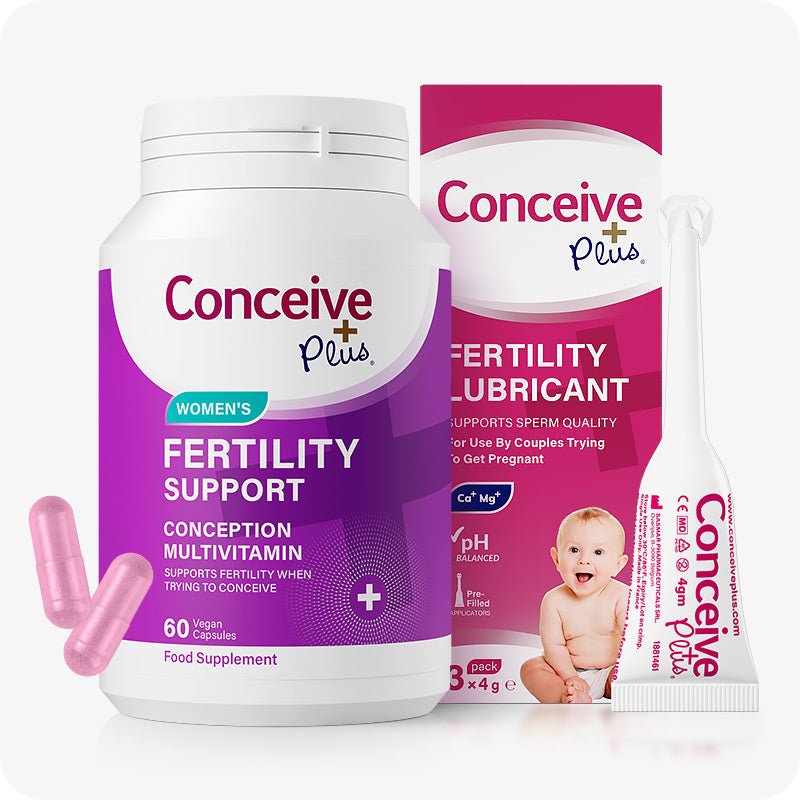
Conceive Plus was formulated specifically to address this problem. Unlike standard lubricants, Conceive Plus is pH-balanced to match fertile cervical mucus, isotonic to human tissue, and uniquely enriched with calcium and magnesium ions that support the process of sperm capacitation — the final activation step sperm must undergo before being capable of fertilising an egg. Conceive Plus is used in fertility clinics across the UK and has regulatory approval as a fertility-friendly lubricant.
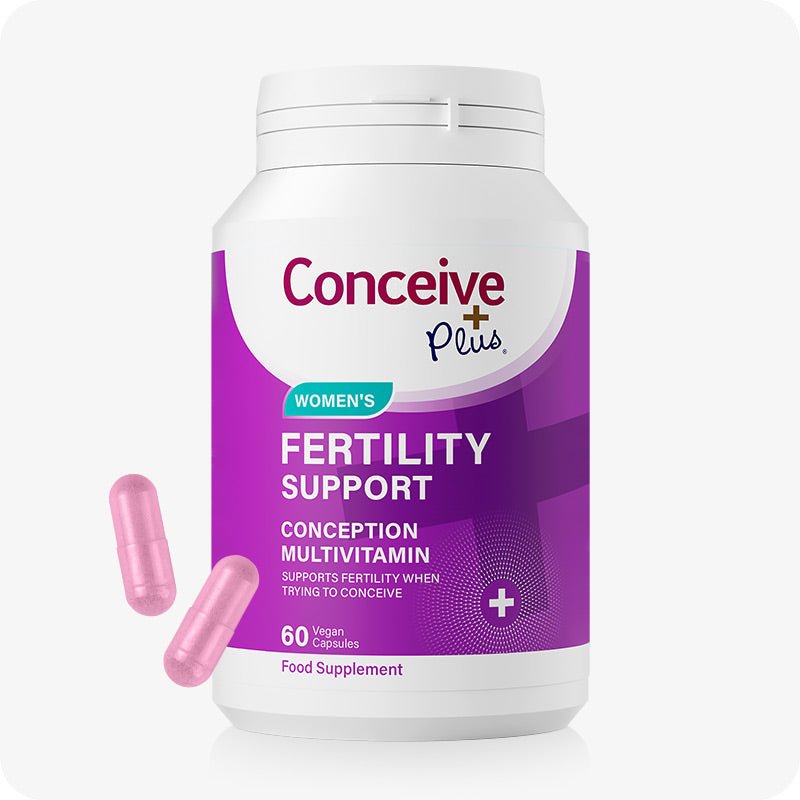
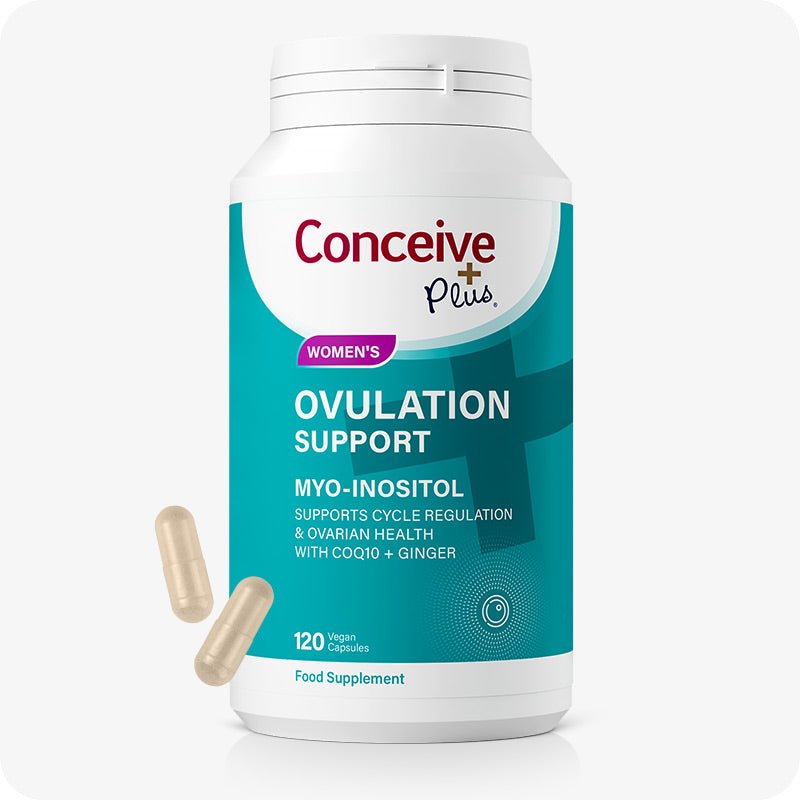
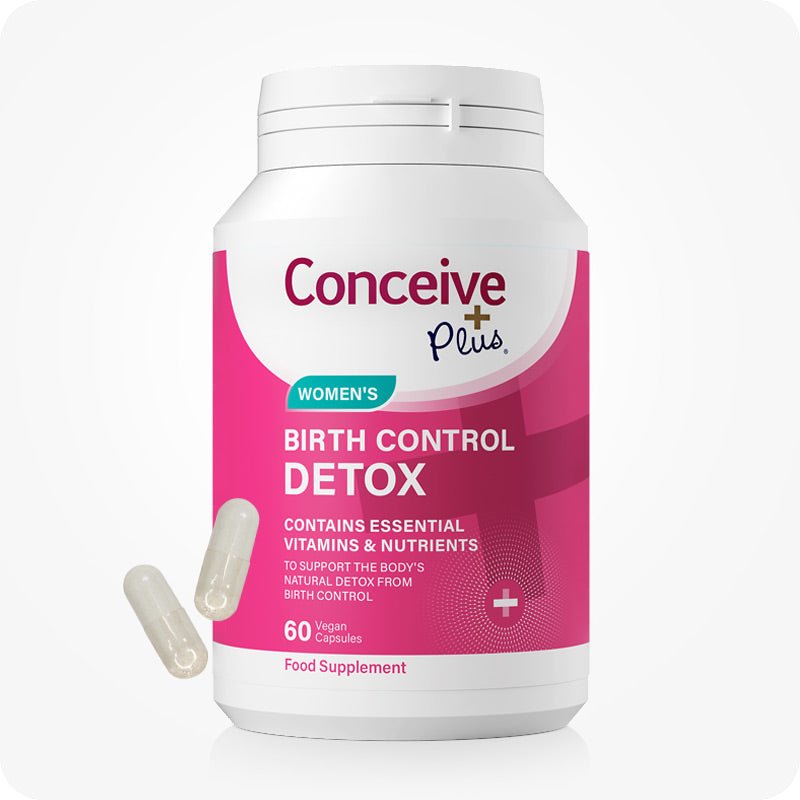
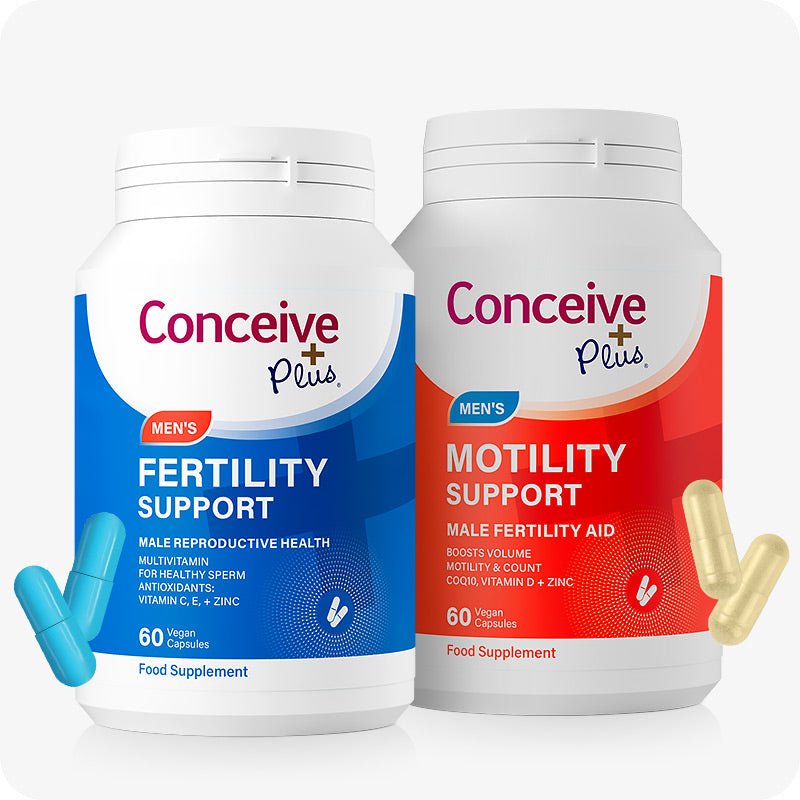
Supporting ovulation quality with targeted supplements is another key strategy. Fertility supplements containing myo-inositol, vitamin D3, CoQ10, and methylfolate have solid clinical evidence for improving ovulation regularity and egg quality — directly enhancing the probability that the cycle you've tracked so carefully produces a viable pregnancy.
FAQ: Ovulation Tracking
How accurate are at-home ovulation tracking tests?
Quality LH ovulation tests detect the LH surge with 97–99% accuracy. Digital formats reduce user interpretation errors. Combined with BBT and cervical mucus monitoring, home-based ovulation tracking can identify the fertile window with high reliability for most women with regular cycles.
What does a positive ovulation test mean?
A positive ovulation test indicates an LH surge, meaning ovulation is likely to occur within 24–36 hours. The day of the surge and the following day are your two most fertile days. Having intercourse on both days maximises conception probability.
When should I start ovulation tracking?
Start LH testing from day 8–10 of your cycle if you have a regular 28-day cycle, adjusting earlier for shorter cycles (start testing at cycle length minus 18 days). For BBT, begin charting from day 1 of your period to capture the full cycle pattern.
Can I track ovulation with irregular cycles?
Yes, but it requires extended testing periods and possibly multiple methods. Begin LH testing early in the cycle and test twice daily when you expect the surge is approaching. BBT charting is particularly valuable for women with irregular cycles as it confirms ovulation post-hoc, helping to build a picture of your individual pattern. Consulting an NHS GP is advisable if cycles are consistently irregular.
Does stress affect ovulation tracking results?
Stress can delay or suppress ovulation by elevating cortisol, which interferes with GnRH and LH secretion. This may cause apparent long cycles where ovulation simply occurs later than usual. BBT charting can identify this pattern, as the pre-ovulatory phase will appear extended. Managing stress through exercise, mindfulness, and adequate sleep supports more consistent ovulation timing.
Does Conceive Plus lubricant affect ovulation tracking?
No. Conceive Plus lubricant does not affect LH test results or BBT readings. It is designed to be used during intercourse within the fertile window you've identified through tracking, providing sperm-safe lubrication that supports rather than impairs fertilisation.
What is fertile cervical mucus and how do I identify it?
Fertile cervical mucus appears just before and during ovulation. It is clear, slippery, and stretchy — often compared to raw egg whites. When stretched between your fingers, it should form a thread of 3–10 cm without breaking. This mucus is biologically designed to support sperm survival and transport.
How many cycles should I track before seeing an NHS doctor?
NICE guidelines recommend seeking GP advice if you haven't conceived after 12 months of regular, unprotected intercourse (under age 35) or 6 months (age 35 and over). If you have known conditions like PCOS or irregular cycles, speak to your GP sooner.
What supplements support regular ovulation in the UK?
Myo-inositol, vitamin D3, CoQ10, methylfolate, and zinc have evidence-based support for promoting regular ovulation. Conceive Plus fertility supplements contain these key nutrients in bioavailable forms, providing comprehensive ovulation support.
Support your fertility journey with Conceive Plus. Our fertility-friendly lubricant mimics fertile cervical mucus — pH balanced, sperm safe, and enriched with calcium and magnesium ions. Trusted by couples and fertility specialists across the UK. Shop Conceive Plus UK now →