New Discovery Offers Hope for Infertile Women

✨ Trying to Conceive?
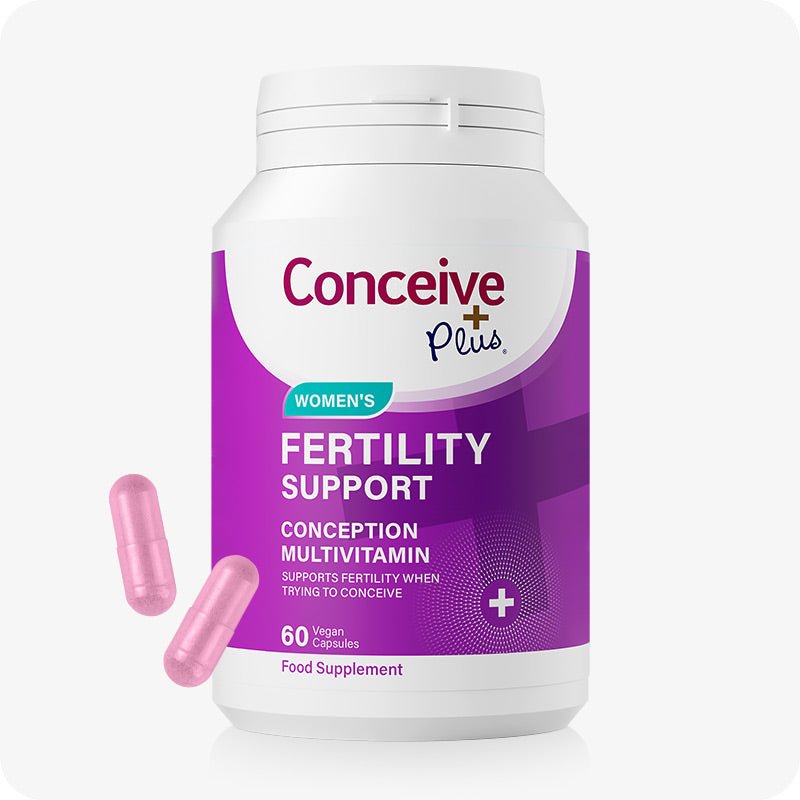
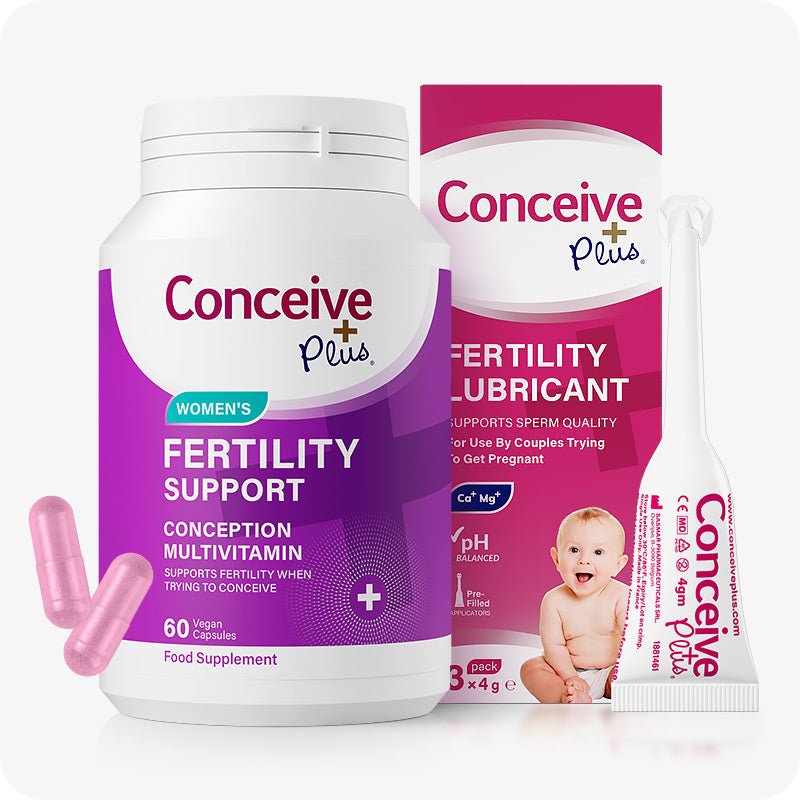
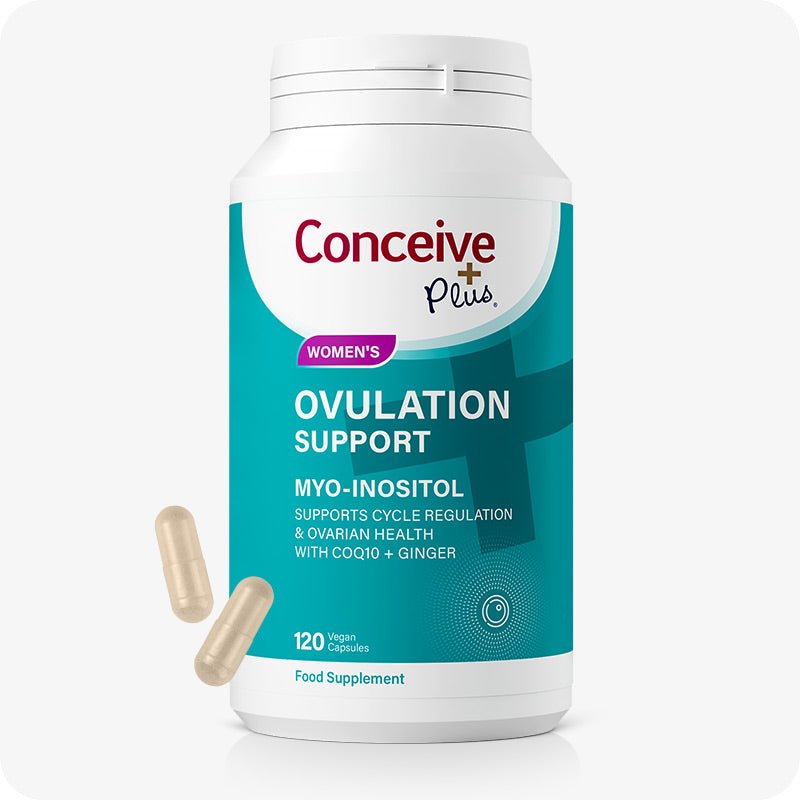
Our fertility supplements combine Myo-Inositol with essential vitamins to support healthy hormone balance and regular ovulation.
Shop Now — $36.00✓ Free shipping available | ✓ Trusted by millions of couples worldwide
🌱 Support Your Fertility Journey
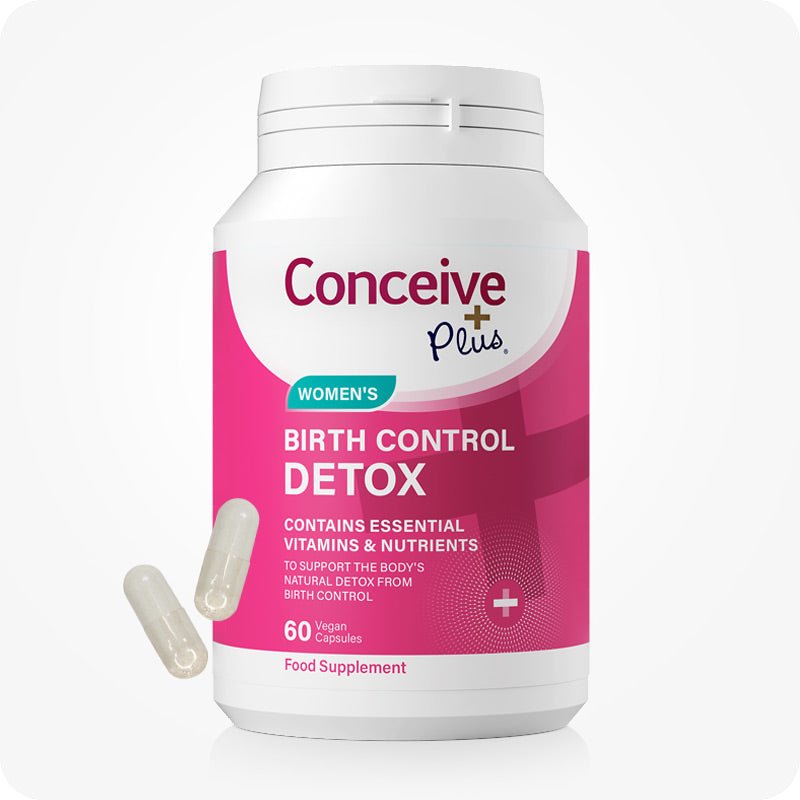
Conceive Plus fertility supplements are clinically formulated to help regulate your cycle and support egg quality.
Shop Fertility Support →Frequently Asked Questions
Recommended by Fertility Experts
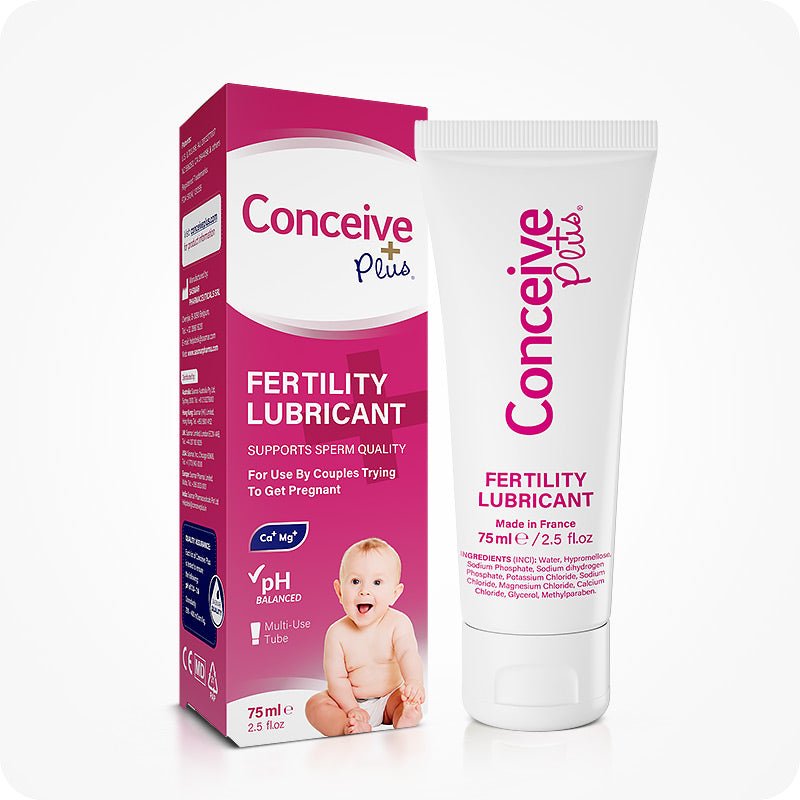
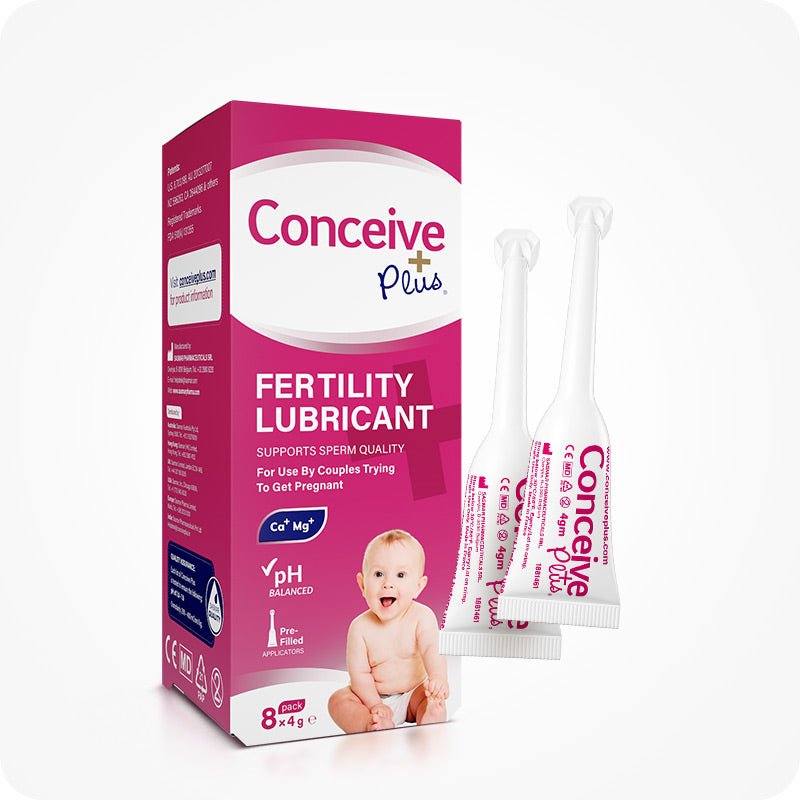
Conceive Plus Fertility Lubricant
Specially formulated to be sperm-friendly and isotonic, supporting your natural conception journey without disrupting the reproductive environment.
Shop Now →What is the CRL4 protein complex and how could it help with infertility?
CRL4 (cullin-ring finger ligase-4) is a protein complex that scientists have discovered plays a crucial role in maintaining female fertility by regulating how follicles develop and protecting eggs from premature loss. This discovery could potentially lead to new treatments for conditions like Premature Ovarian Insufficiency (POI), offering hope to women who currently have very limited options. Research is still in early stages, but understanding this mechanism is an important step forward.
What is Premature Ovarian Insufficiency and can the NHS help?
Premature Ovarian Insufficiency (POI) occurs when the ovaries stop functioning normally before the age of 40, leading to early menopause and difficulty conceiving. If you're experiencing symptoms such as irregular periods or signs of early menopause, your GP can refer you for blood tests to check your hormone levels. The NHS provides support and hormone replacement therapy (HRT) for POI, though fertility treatment options may vary depending on your local Integrated Care Board (ICB) funding criteria.
How many eggs does a woman have and why does it matter for fertility?
Women are born with approximately 100,000 follicles, but only around 300 to 400 of these will mature into eggs that are released during ovulation throughout their reproductive years. This finite egg reserve naturally declines with age, which is why fertility decreases as women get older. Understanding how proteins like CRL4 help maintain this reserve could eventually lead to treatments that extend the reproductive window.
When should I see my GP about fertility problems in the UK?
According to NICE guidelines, you should speak to your GP if you've been trying to conceive for 12 months without success, or after 6 months if you're over 36 or have known fertility concerns. Around 1 in 7 UK couples experience fertility issues, so it's more common than many people realise. Your GP can arrange initial tests and refer you to an NHS fertility specialist if needed, though waiting times can vary significantly depending on your area.
Will this new discovery lead to fertility treatments available on the NHS?
While this research represents an exciting breakthrough in understanding female fertility, it's still in the early laboratory stages and was conducted on mice. Any potential treatments would need to undergo extensive clinical trials before being approved for human use, which typically takes many years. However, discoveries like this help scientists develop new approaches that could eventually benefit women with conditions like POI who currently have limited treatment options.
What support is available for women with POI who want to conceive?
Women with POI may be offered donor egg IVF as a route to pregnancy, though NHS funding for this varies between Integrated Care Boards and often has strict eligibility criteria. The HFEA (Human Fertilisation and Embryology Authority) regulates all fertility clinics in the UK and provides information about success rates and treatment options. Support groups such as The Daisy Network offer valuable emotional support and resources specifically for women diagnosed with POI.
Are there any supplements that can help support egg health whilst trying to conceive?
While no supplement can reverse conditions like POI, maintaining good overall health can support your fertility journey. Folic acid is recommended by the NHS for all women trying to conceive, and some evidence suggests supplements containing Myo-Inositol and Coenzyme Q10 may support egg quality and hormone balance. Always speak to your GP or fertility specialist before starting any new supplements, especially if you're undergoing fertility treatment.
Trusted by Couples in Over 70 Countries
Start Your Fertility Journey With the Right Support
Conceive Plus Fertility Lubricant is specially formulated to be compatible with sperm, eggs, and embryos. Whether you are just starting out or have been trying for a while, our products are designed to work with your body — not against it.
Explore Fertility Lubricant →