Fertility Diet: The Best Foods to Eat When Trying to Conceive


Fertility Diet: The Best Foods to Eat When Trying to Conceive
What you eat in the months before trying to conceive can profoundly influence your ability to get pregnant and carry a healthy pregnancy to term. The concept of a fertility diet isn't just wellness buzzword — it's grounded in substantial reproductive science linking specific nutritional patterns to improved ovulation, egg quality, sperm health, and implantation success.
This guide brings together the strongest evidence on dietary patterns, specific foods, and nutrients that support conception for both women and men. Whether you're just beginning your TTC (trying to conceive) journey or looking to optimise after months of trying, understanding the fertility diet principles can meaningfully shift the odds in your favour.
The Science Behind Diet and Fertility
Reproductive function is exquisitely sensitive to nutritional status. The developing egg requires significant energy and micronutrients during its 90-day maturation cycle. Sperm production takes approximately 74 days — meaning what a man eats today influences the sperm he'll produce over two months from now.
The landmark Harvard Nurses' Health Study, following over 18,000 women, identified specific dietary patterns strongly associated with ovulatory infertility. Women following a "fertility diet" pattern — characterised by specific fats, plant proteins, low glycaemic carbohydrates, and key micronutrients — had up to 66% lower risk of ovulatory infertility than those with the least healthy diets.
Similarly, Mediterranean dietary patterns have been associated with improved IVF outcomes, higher embryo quality, and better implantation rates in multiple large studies. The mechanisms are clear: diet influences inflammation, oxidative stress, hormonal balance, mitochondrial function, and insulin sensitivity — all of which are central to fertility.
Key Principles of a Fertility Diet
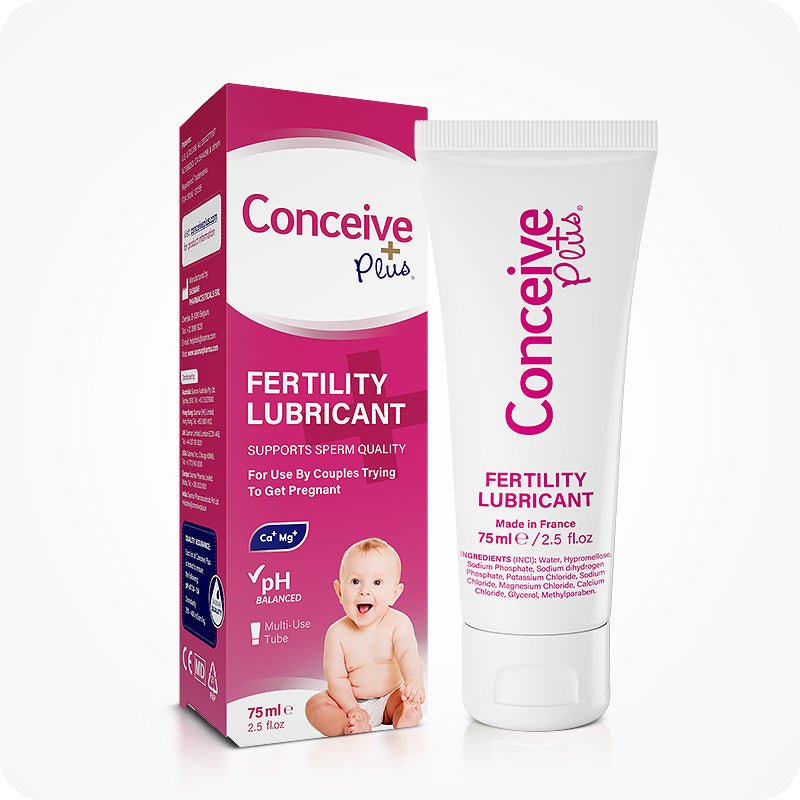
Ready to support your fertility naturally? Conceive Plus offers clinically formulated supplements trusted by thousands of couples worldwide. Shop Conceive Plus →
Rather than a rigid meal plan, a fertility diet is a nutritional philosophy built around several core principles:
- Anti-inflammatory foundation: Chronic low-grade inflammation disrupts ovulation, sperm production, and implantation. The fertility diet emphasises anti-inflammatory foods and limits pro-inflammatory ones.
- Antioxidant richness: Oxidative stress damages eggs and sperm DNA. A diet high in antioxidants from fruits, vegetables, and whole foods is essential.
- Insulin stability: Blood sugar management directly influences reproductive hormones, particularly in women. Low glycaemic index foods and balanced meals are foundational.
- Nutrient density over caloric restriction: Undereating or extreme dieting disrupts the hypothalamic-pituitary-ovarian axis, suppressing fertility. Nourishment, not deprivation, is the goal.
- Healthy fat balance: Both omega-3 fatty acids and monounsaturated fats support egg quality and sperm membrane integrity. Trans fats are strongly associated with ovulatory infertility.
The Best Foods for Female Fertility
These foods have the strongest evidence base for supporting women's reproductive health:
Leafy Green Vegetables
Spinach, kale, rocket, and Swiss chard provide folate (critical for neural tube development and DNA synthesis), iron, and powerful antioxidants. Women trying to conceive should aim for 2–3 servings daily.
Fatty Fish
Salmon, sardines, mackerel, and trout are rich in omega-3 fatty acids (DHA and EPA), which support follicular development, reduce inflammation, and are essential for foetal brain development. Aim for 2–3 portions per week of low-mercury fish.
Whole Eggs
The yolk contains choline (critical for foetal brain development), vitamin D, B12, and healthy fats. Contrary to outdated advice, whole eggs are a nutritional powerhouse for fertility.
Berries and Colourful Fruits
Blueberries, raspberries, pomegranate, and citrus fruits deliver vitamin C, anthocyanins, and folate. Vitamin C improves iron absorption and supports corpus luteum function in the luteal phase.
Legumes and Lentils
High in plant protein, folate, iron, and zinc, legumes are associated with better ovulatory function in the Harvard study. Swapping animal protein for plant protein (even just 5% of calories) was associated with 50% lower ovulatory infertility risk.
Avocado
Rich in monounsaturated fats, vitamin K, folate, and potassium. Studies show women consuming avocado during IVF cycles had significantly higher live birth rates.
Full-Fat Dairy (In Moderation)
Interestingly, the Harvard study found full-fat dairy was associated with lower ovulatory infertility risk compared to low-fat versions. Full-fat milk and yoghurt contain fat-soluble vitamins and may contain oestrogen-like compounds that differ from the low-fat version.
Nuts and Seeds
Walnuts (omega-3), Brazil nuts (selenium — one per day covers your daily need), pumpkin seeds (zinc), and flaxseed (lignans, ALA) are powerful fertility foods. A small handful daily provides significant micronutrient benefit.
The Best Foods for Male Fertility
Men contribute 50% to conception success, yet male diet for fertility is often neglected. These foods specifically support sperm quality:
- Tomatoes (cooked): The richest dietary source of lycopene, a powerful antioxidant shown in studies to improve sperm motility and reduce DNA fragmentation
- Pumpkin seeds: Zinc-rich — zinc is essential for testosterone production and sperm formation
- Walnuts: Daily walnut consumption (75g) has been shown to significantly improve sperm vitality, motility, and morphology in clinical trials
- Dark chocolate: Contains L-arginine and antioxidants that support sperm count and motility
- Asparagus: High in folate and vitamin C, essential for healthy sperm DNA
- Oysters: The highest dietary source of zinc — just 6 oysters provide over 300% of the daily requirement
- Pomegranate juice: Clinically shown to increase sperm concentration and motility — one glass daily shows measurable effects
Foods to Avoid When Trying to Conceive
The fertility diet is as much about what you remove as what you add:
- Trans fats (partially hydrogenated oils): Even small amounts are associated with significantly higher ovulatory infertility risk. Found in processed foods, some margarines, and commercial baked goods.
- High-mercury fish: Swordfish, shark, king mackerel, and tilefish accumulate mercury that can impair neurological development. Limit to once monthly.
- Processed sugar and high-GI foods: Rapidly spiking blood sugar disrupts insulin and consequently LH and FSH — the hormones that trigger ovulation.
- Alcohol: Even moderate alcohol intake is associated with reduced fertility. Studies show women drinking 1–5 units/week had measurably lower conception rates.
- Excessive caffeine: More than 200mg/day (roughly 1–2 coffees) is associated with slightly reduced fertility and increased miscarriage risk. Moderation is key.
- Heavily processed meats: Hot dogs, deli meats, and processed sausages contain nitrates and saturated fats that increase oxidative stress and inflammation.
- Soy in excess: Phytoestrogens in soy can influence hormone levels. Moderate intake is likely fine, but high daily consumption warrants caution when actively TTC.
The Mediterranean Fertility Diet Pattern
If you want a single dietary framework to follow, the Mediterranean diet is the most consistently supported by fertility research. Its key features align closely with fertility diet principles:
- Abundant vegetables, legumes, and fruits
- Whole grains as the primary carbohydrate source
- Olive oil as the primary fat
- Regular fish and seafood
- Moderate poultry and dairy
- Limited red meat
- Moderate red wine (though we'd recommend limiting alcohol when actively TTC)
- Herbs and spices rather than salt
A 2018 study in Human Reproduction found women following a Mediterranean diet pattern were 65–68% more likely to achieve pregnancy than those with the lowest adherence — a remarkable dietary effect size.
Supplements to Complement Your Fertility Diet
Even the best fertility diet can have nutritional gaps. The following supplements are most evidence-supported:
- Folate/5-MTHF: 400–800mcg daily — essential before and during early pregnancy
- Vitamin D: Deficiency is widespread in the UK and strongly linked to fertility issues
- CoQ10 (Ubiquinol): Supports mitochondrial energy in eggs and sperm
- Omega-3 (DHA/EPA): If fish intake is limited, supplementation is valuable
- Iron: Especially for women with heavy periods or plant-based diets
- Zinc: Critical for both male and female reproductive function
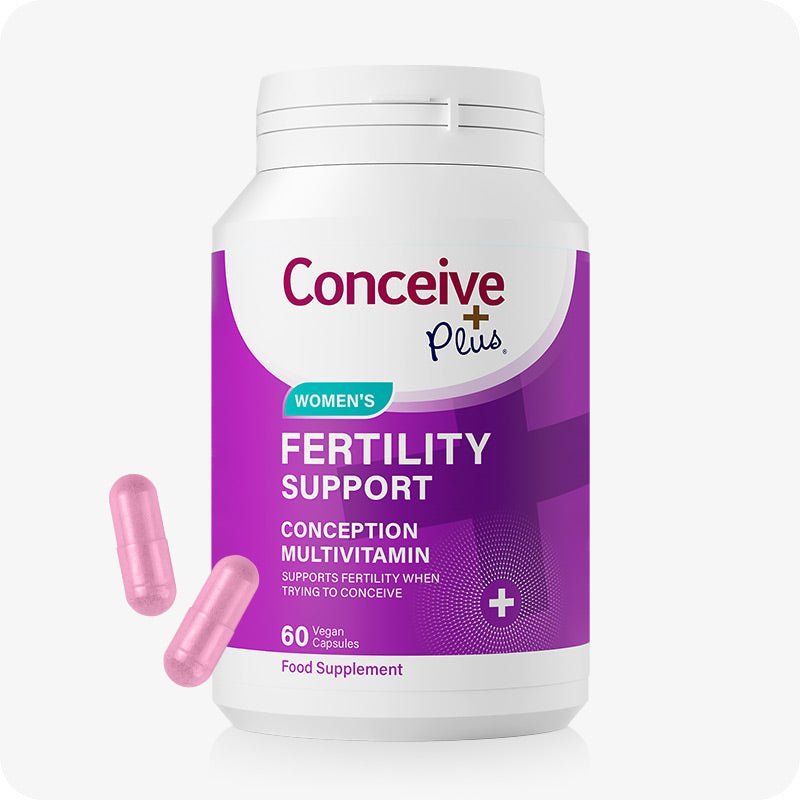
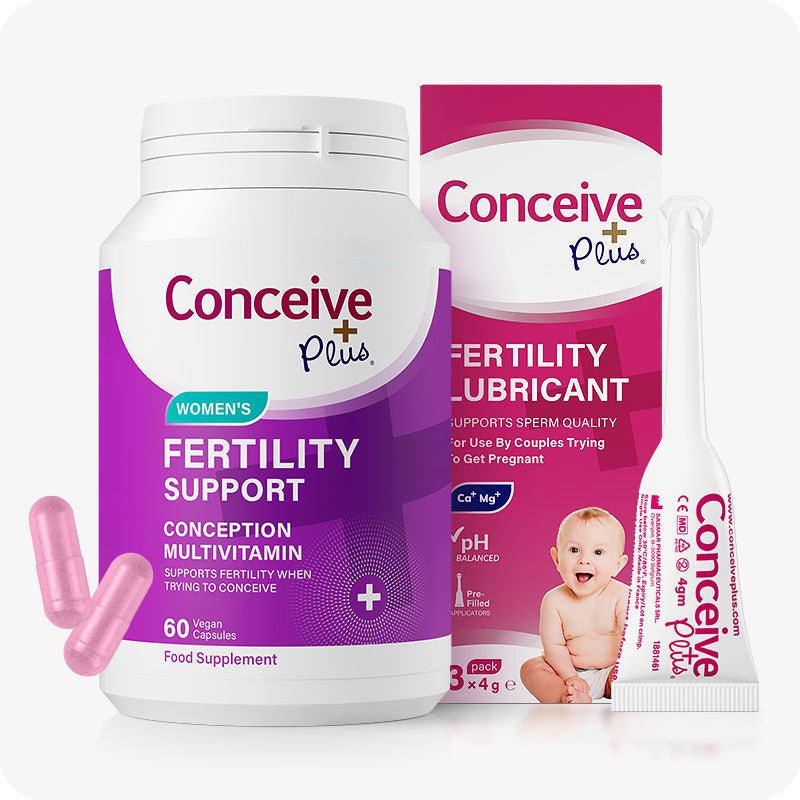
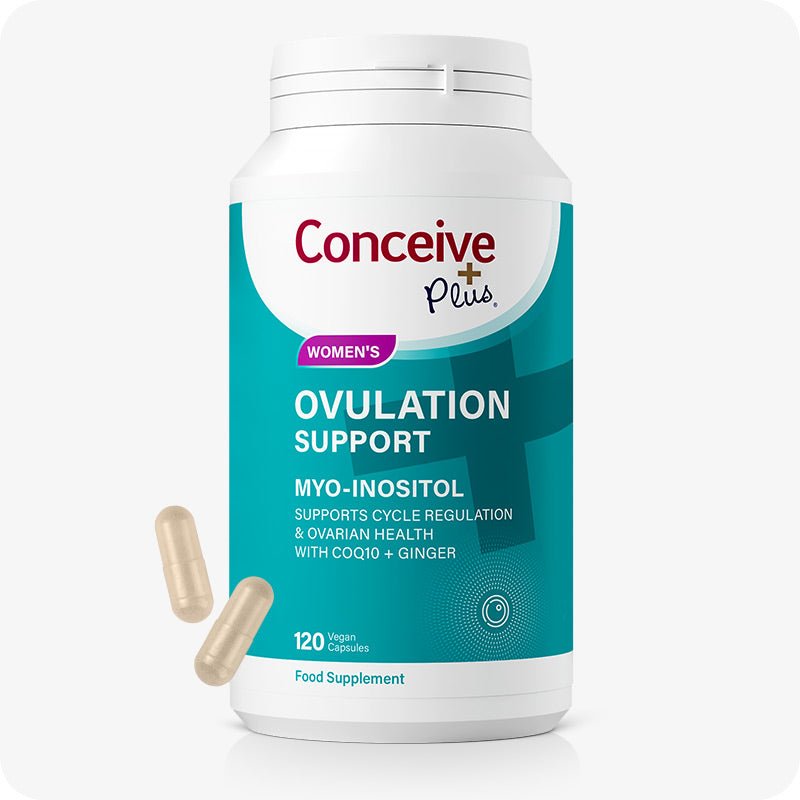
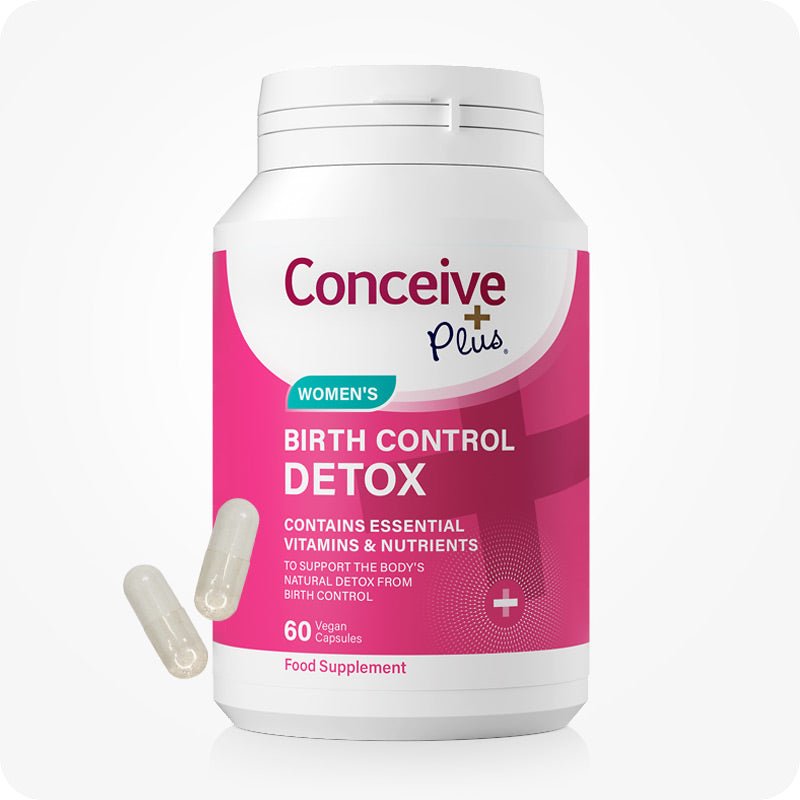
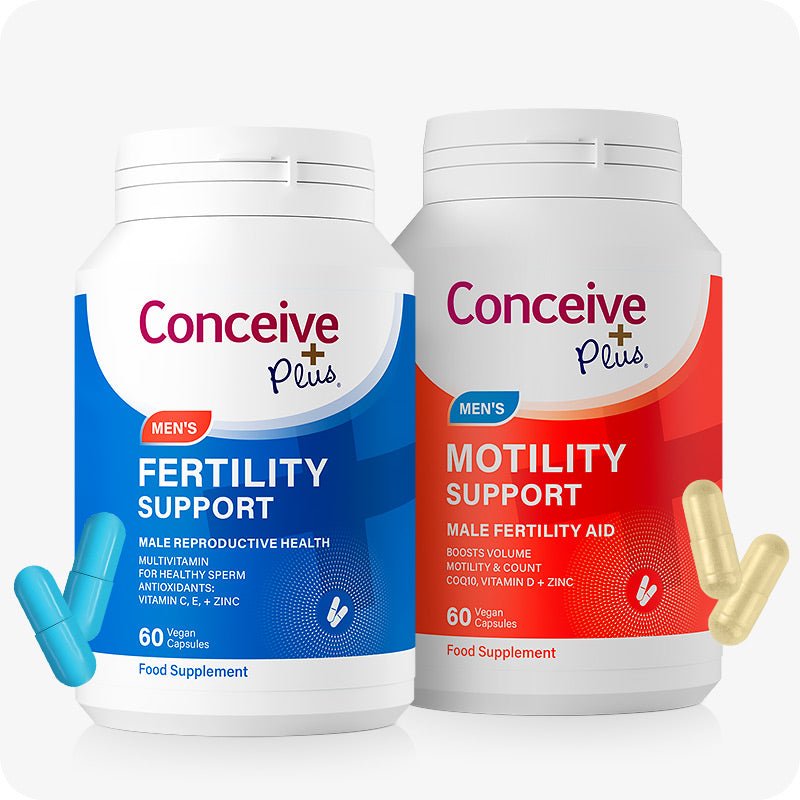
Conceive Plus offers comprehensive fertility supplements for both women and men, formulated with the exact micronutrients that support conception. Their women's range includes folate, CoQ10, inositol, vitamin D, and zinc — covering the nutritional bases that food alone may miss.
Practical Tips: Building Your Fertility Diet Week
Implementation matters as much as knowledge. Here's how to make the fertility diet practical:
- Prep your produce: Wash and chop leafy greens at the start of the week so they're ready to add to any meal
- Batch cook legumes: Lentil soup, chickpea curry, and bean salads are easy, nutrient-dense fertility foods
- Smart snacking: Replace biscuits with a handful of mixed nuts, berries, or hummus with vegetables
- Fatty fish twice weekly: Poached salmon, sardines on wholegrain toast, or mackerel with salad are quick, omega-3-rich meals
- Colour at every meal: A simple rule — aim for 3 different colours on your plate at each meal to maximise antioxidant diversity
- Hydrate with water and herbal teas: Adequate hydration supports cervical mucus quality; green tea provides antioxidants
Frequently Asked Questions: Fertility Diet
How quickly does diet affect fertility?
Egg maturation takes about 90 days, so dietary changes 3 months before conception attempts have the most impact on egg quality. Sperm production takes 74 days. That said, hormonal and metabolic improvements from diet can begin within weeks.
Can diet alone fix fertility problems?
Diet is a powerful modifiable factor, but it's not a cure-all. It's most impactful for ovulatory infertility related to metabolic factors (PCOS, insulin resistance) and for optimising sperm quality. Structural issues (blocked tubes, severe endometriosis) won't be resolved by diet alone.
Is organic food better for fertility?
Some pesticides act as endocrine disruptors. The evidence for organic food specifically improving fertility outcomes is limited, but minimising pesticide exposure through prioritising organic for the "dirty dozen" (strawberries, spinach, apples, etc.) is a sensible precaution.
Should I eat more calories when trying to conceive?
Not necessarily more — but enough. Undereating or severe caloric restriction suppresses reproductive hormones. If you're at a healthy weight and eating adequate calories, focus on quality rather than quantity.
Does coffee really affect fertility?
Moderate caffeine (under 200mg/day — roughly one strong coffee) is considered acceptable by most guidelines. Higher intakes are associated with slightly reduced fertility and increased miscarriage risk. Switching to half-caf or herbal teas is a simple risk reduction.
Are there specific foods to eat for implantation?
During the TWW, pineapple core (bromelain — may support implantation), Brazil nuts (selenium), and anti-inflammatory foods may be beneficial. The evidence is largely anecdotal, but eating a nutrient-dense diet in the TWW is certainly supportive.
What about BMI and fertility diet?
Both underweight and overweight status affect fertility. The fertility diet naturally tends to support healthy weight management. If significant weight adjustment is needed, working with a dietitian alongside dietary changes is recommended.
Can men's diet affect sperm as quickly as women's diet affects eggs?
Sperm production is continuous (every 74 days), so dietary improvements can influence sperm quality relatively quickly. Some studies show measurable sperm quality improvements within 3 months of dietary changes.
Is alcohol completely off limits when trying to conceive?
No alcohol is the safest choice during the TWW and confirmed pregnancy. While occasional light drinking likely has minimal impact on fertility itself, abstaining is the simplest approach to remove any risk — particularly during the two-week wait and early pregnancy.
Do fertility supplements replace a fertility diet?
No — supplements complement dietary patterns but don't replace them. The whole-food matrix provides nutrients, fibre, phytochemicals, and bioavailability that supplements cannot fully replicate. Think of supplements as insurance against gaps, not substitutes for good food.
Start Your Fertility Journey with Conceive Plus
Conceive Plus products are scientifically formulated to support your path to parenthood. Join over 500,000 couples who trust Conceive Plus.
Shop Now at Conceive Plus