How to Improve Egg Quality Naturally: Fertility Supplements and Lifestyle Tips


How to Improve Egg Quality Naturally: Fertility Supplements and Lifestyle Tips
When you're trying to conceive, egg quality is one of the most important factors determining whether conception will succeed — and whether a healthy pregnancy will follow. How to improve egg quality is one of the most searched fertility questions in the UK, and for good reason: egg quality directly impacts fertilisation rates, embryo development, and miscarriage risk.
Unlike egg quantity (your ovarian reserve, which is largely fixed), egg quality can be meaningfully supported through nutrition, lifestyle, and targeted supplementation. This guide covers everything you need to know about improving egg quality naturally, with evidence-backed strategies and practical steps you can start today.
What Is Egg Quality and Why Does It Matter?
Egg quality refers to the chromosomal integrity and mitochondrial health of your eggs. A "high-quality" egg has the correct number of chromosomes (euploid) and sufficient mitochondrial energy to complete fertilisation and early embryo development. A poor-quality egg may:
- Fail to fertilise even when sperm is present
- Create an embryo that stops developing early
- Result in a chromosomally abnormal pregnancy
- Lead to early miscarriage
Egg quality declines with age — this is the primary reason fertility decreases after 35. By age 40, up to 50% of eggs may be chromosomally abnormal, compared to 10–15% in women in their late 20s. However, age is not the only factor. Inflammation, oxidative stress, nutrient deficiencies, and hormonal imbalance all contribute to poor egg quality — and these are all modifiable.
The 90-day rule is critical here: eggs take approximately 90 days to mature (a process called folliculogenesis). The nutritional and hormonal environment during those 90 days directly affects the quality of eggs that will be released. This means that steps you take today will influence your eggs' quality three months from now.
Key Nutrients for Egg Quality
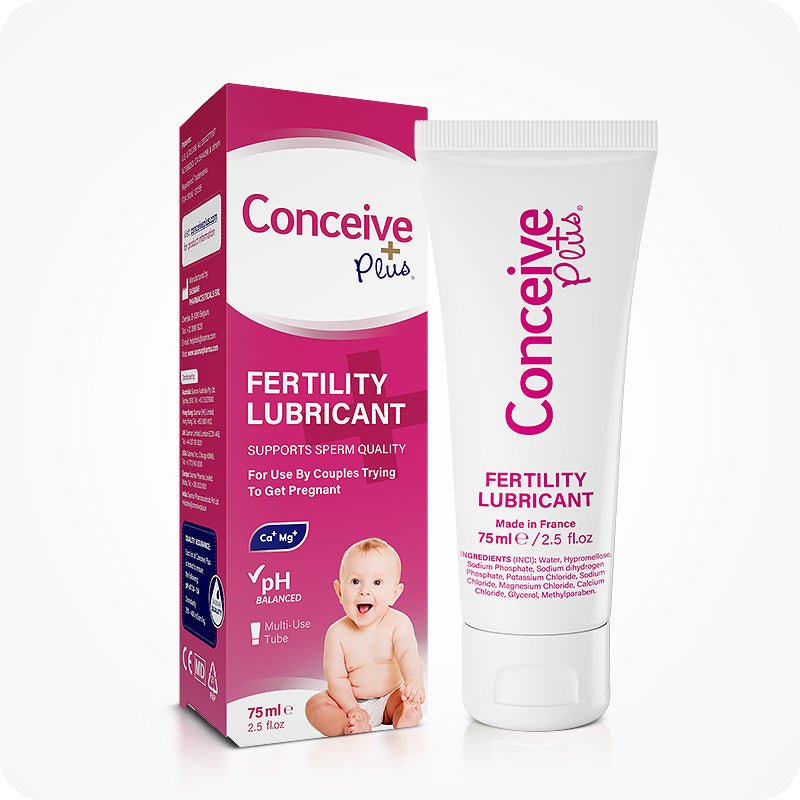
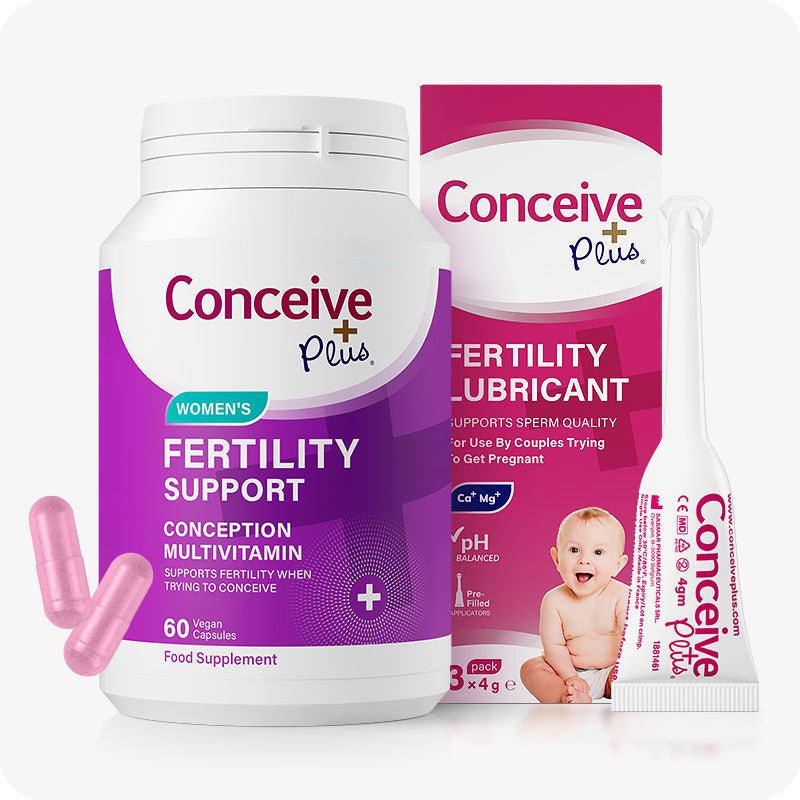
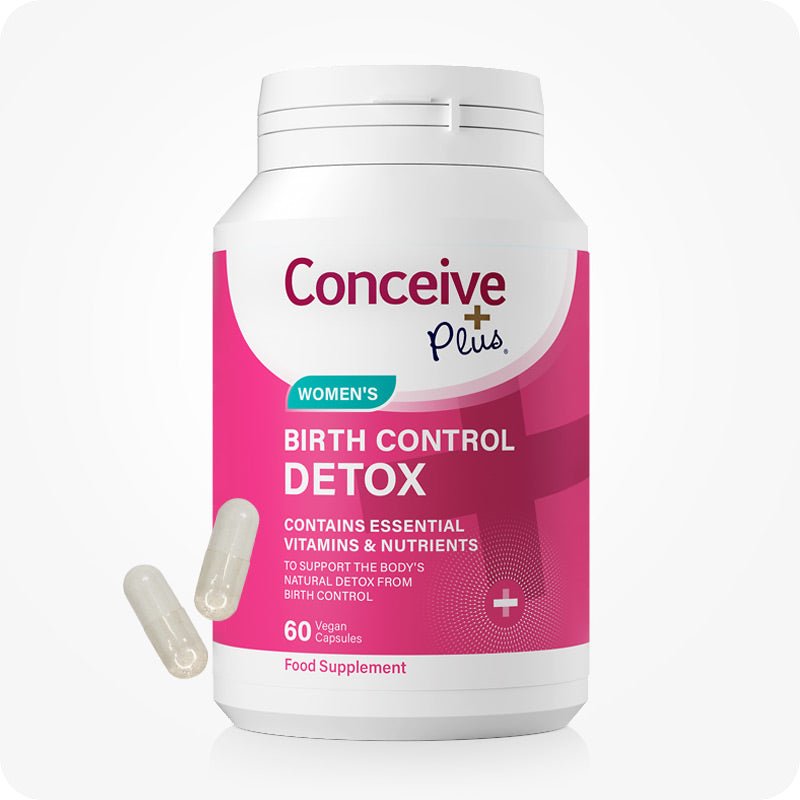
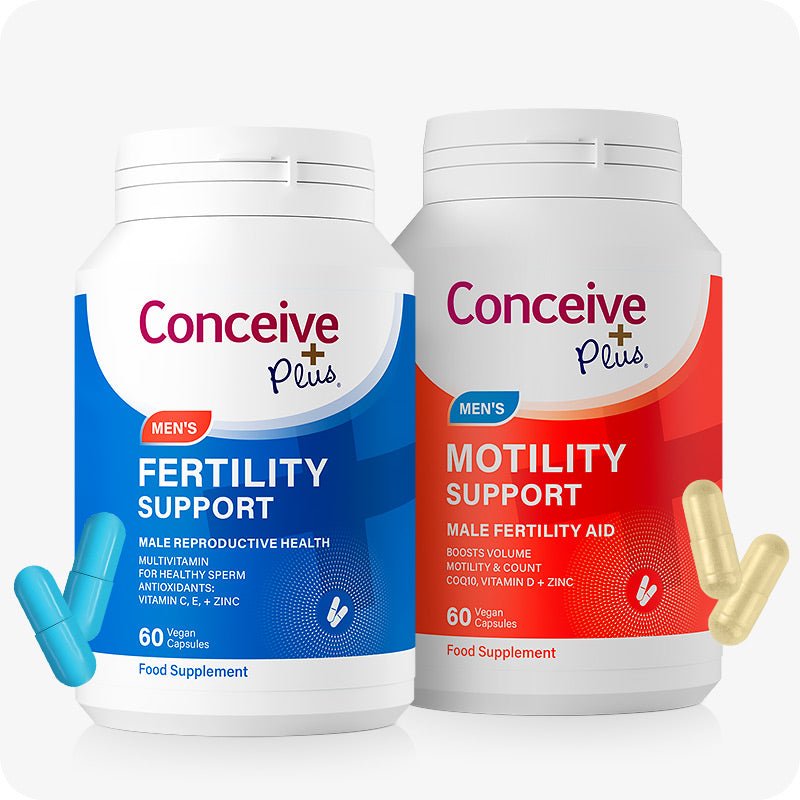
🌟 Ready to support your fertility journey? Conceive Plus offers the most comprehensive range of fertility products, trusted by thousands of couples worldwide. Shop Conceive Plus →
Several nutrients have robust clinical evidence supporting their role in egg quality. Here's what the research says:
CoQ10 (Coenzyme Q10)
CoQ10 is arguably the most evidence-backed supplement for egg quality. It supports mitochondrial function in eggs, providing the cellular energy required for proper chromosomal division during fertilisation. As women age, CoQ10 levels naturally decline — supplementation helps restore them.
A landmark study from the University of Toronto showed that CoQ10 supplementation improved ovarian response, egg quality, and fertilisation rates in older women undergoing IVF. The researchers found it reversed some age-related declines in mitochondrial function in eggs.
Recommended dose: 200–600 mg/day (ubiquinol form is better absorbed than ubiquinone, especially in women over 35)
Folate / Methylfolate
Folate is essential for DNA synthesis and repair, processes critical during egg development and early embryo growth. Methylfolate (5-MTHF) is the active form and is preferable, especially for women with MTHFR gene variants that impair folic acid conversion.
Beyond neural tube defect prevention, folate supports homocysteine metabolism — elevated homocysteine is associated with poor egg quality and implantation failure.
Recommended dose: 400–800 mcg/day of methylfolate
Vitamin D
Vitamin D deficiency is common in the UK (affecting up to 1 in 5 adults) and is strongly linked to reduced fertility. Vitamin D receptors are found in ovarian tissue, and adequate levels support follicular development, anti-Müllerian hormone (AMH) production, and IVF success rates.
A 2015 study in the Human Reproduction Update found that vitamin D-sufficient women had 46% higher live birth rates following IVF compared to deficient women.
Recommended dose: 1,000–2,000 IU/day; get blood levels tested (target: 75–125 nmol/L)
Omega-3 Fatty Acids (DHA + EPA)
Omega-3 fatty acids reduce inflammatory prostaglandins that can impair ovarian function and implantation. DHA is incorporated into egg cell membranes, supporting membrane fluidity needed for successful fertilisation. Studies have linked higher omega-3 intake with better IVF outcomes and reduced risk of miscarriage.
Recommended dose: 1,000–2,000 mg combined DHA+EPA daily
Vitamin E
Vitamin E is a potent fat-soluble antioxidant that protects developing eggs from oxidative damage. It also supports follicular fluid health — the environment within which an egg develops.
Recommended dose: 200–400 IU/day (natural mixed tocopherols form preferred)
Ovulation Support Supplements That Address Multiple Pathways
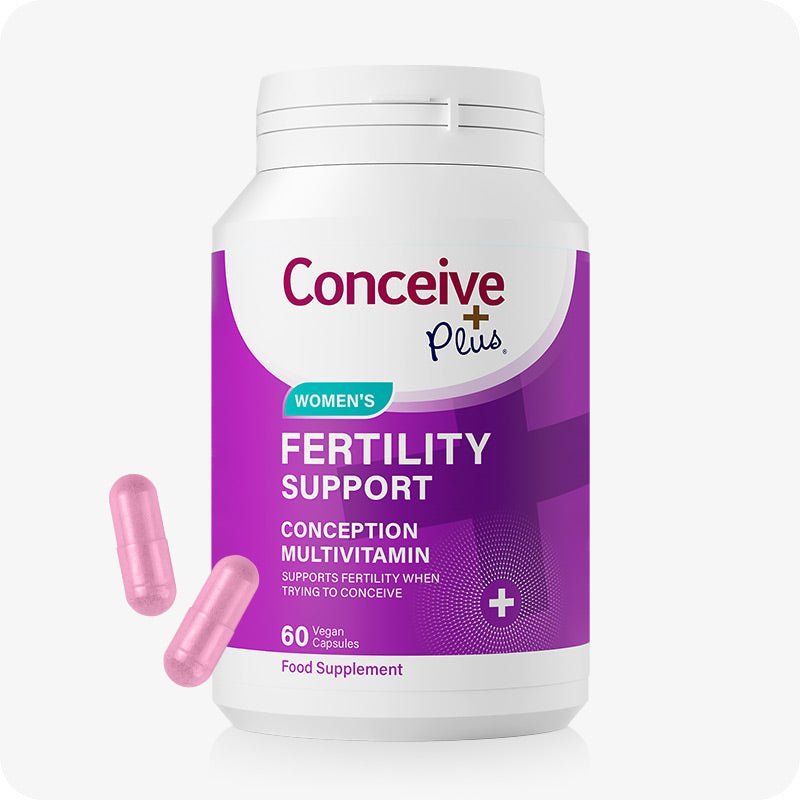
Rather than purchasing and managing five to seven separate supplements, many women trying to conceive use a comprehensive ovulation support formula that combines evidence-backed nutrients. Conceive Plus Women's Fertility Supplements is specifically formulated for the pre-conception period, combining methylfolate, CoQ10, vitamin D, omega-3 DHA, vitamin E, and additional fertility-supportive nutrients in clinically relevant doses.
This approach reduces pill burden, ensures appropriate nutrient ratios, and is more cost-effective than buying each ingredient separately. Conceive Plus supplements are trusted by fertility specialists across the UK and are designed to be started 3 months before TTC — aligning perfectly with the 90-day folliculogenesis window.
🌸 Support your egg quality from within. Conceive Plus Women's Fertility Supplements combines the nutrients your eggs need most. Shop Women's Supplements →
Lifestyle Factors That Impact Egg Quality
Supplements work best when supported by healthy lifestyle choices. Here are the most evidence-backed lifestyle factors for egg quality:
Reduce Oxidative Stress
Oxidative stress — an imbalance between free radicals and antioxidants — is one of the primary drivers of poor egg quality. Sources of oxidative stress include:
- Smoking (reduces ovarian reserve and egg quality significantly)
- Alcohol consumption
- Environmental toxins (BPA, phthalates, pesticides)
- Processed foods and refined sugars
- Chronic sleep deprivation
- High-intensity exercise without adequate recovery
Antioxidant-rich nutrition is your first defence. Prioritise colourful fruits and vegetables, particularly berries, leafy greens, tomatoes, and cruciferous vegetables like broccoli and Brussels sprouts.
Blood Sugar Regulation
Insulin resistance and poor blood sugar regulation directly impair ovarian function. High insulin levels promote excess androgen production in the ovaries (a key driver of PCOS) and disrupt the FSH/LH hormone balance needed for healthy egg development.
Practical steps:
- Eat protein and fibre at every meal to slow glucose absorption
- Avoid ultra-processed foods and sugary drinks
- Prioritise complex carbohydrates over refined ones
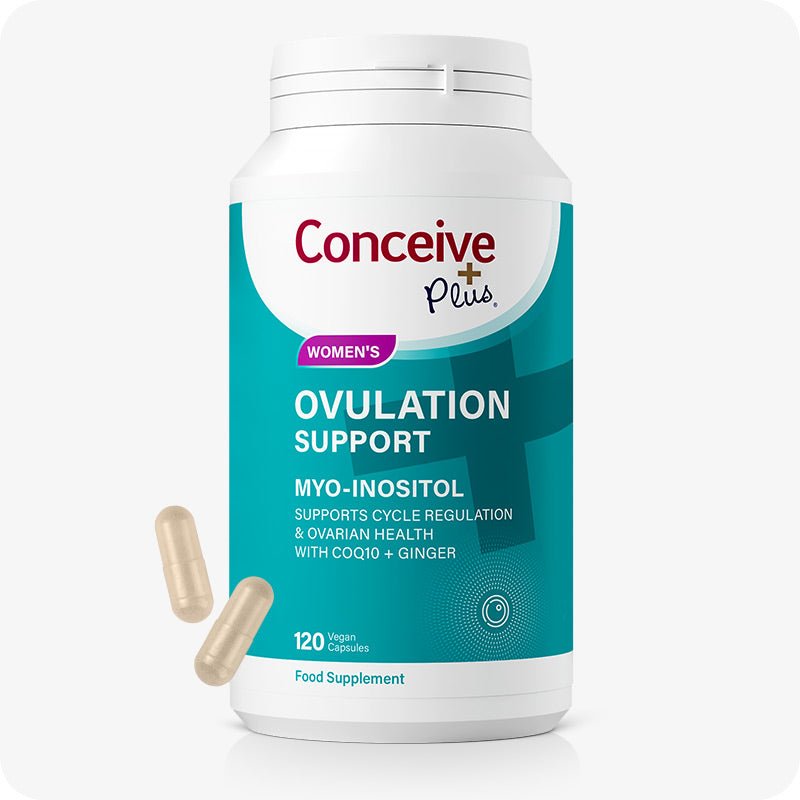
- Consider inositol supplementation if you have PCOS or insulin resistance
Maintain a Healthy BMI
Both underweight and overweight status negatively impact egg quality and ovulation. The ideal BMI range for fertility is 18.5–24.9. Even a 5–10% reduction in body weight in overweight women has been shown to restore ovulatory cycles and improve egg quality.
Manage Stress
Chronic stress elevates cortisol, which interferes with FSH and LH signalling — the hormones that drive follicular development. Mind-body practices including yoga, mindfulness meditation, and acupuncture have demonstrated measurable reductions in fertility-related stress and modest improvements in IVF outcomes.
Optimise Sleep
Melatonin — primarily known as a sleep hormone — is also a potent antioxidant produced in follicular fluid. It directly protects eggs from oxidative damage during maturation. Poor sleep disrupts melatonin production, leaving eggs more vulnerable.
Aim for 7–9 hours of quality sleep per night. Maintain consistent sleep/wake times and reduce blue light exposure in the 2 hours before bed.
The Mediterranean Diet and Egg Quality
The Mediterranean diet has the strongest evidence base of any dietary pattern for fertility. Characterised by high intake of vegetables, fruits, legumes, whole grains, fish, olive oil, and moderate dairy, the Mediterranean diet provides:
- Abundant antioxidants from plant foods
- Anti-inflammatory omega-3 fatty acids from oily fish
- Low glycaemic index carbohydrates for blood sugar stability
- Folate from leafy greens and legumes
- Zinc from fish, nuts, and seeds
A major study from Harvard's T.H. Chan School of Public Health found that women following a "fertility diet" (closely aligned with Mediterranean principles) had a 66% lower risk of ovulatory infertility compared to women following a Western-style diet.
Age, Egg Quality, and Realistic Expectations
It's important to be honest about what natural interventions can and cannot do. While lifestyle and supplementation can meaningfully improve egg quality within the range that your age and ovarian reserve allow, they cannot reverse the fundamental biological clock.
If you're over 38 and struggling to conceive, we strongly recommend:
- Consulting a fertility specialist for an ovarian reserve assessment (AMH, antral follicle count)
- Not delaying investigations — time matters more with diminishing ovarian reserve
- Combining natural optimisation with any recommended medical interventions
Natural egg quality support is complementary to, not a replacement for, medical fertility assessment when it's indicated.
How Long Does It Take to Improve Egg Quality?
Given the 90-day maturation cycle of eggs, you should allow at least 3 months of consistent supplementation and lifestyle changes before expecting to see the full benefit. This is why fertility specialists typically recommend starting supplements 3 months before you begin trying to conceive.
If you're already trying to conceive, don't wait — starting now will improve the eggs maturing over the next 90 days. The benefit compounds with time.
💊 Give your eggs the best environment possible. Conceive Plus Women's Fertility Supplements is formulated specifically for the 90-day pre-conception window. Start Your 90-Day Plan →
Frequently Asked Questions About How to Improve Egg Quality
Q1: Can egg quality actually be improved?
Yes — within the range that your biology allows. While you cannot create new eggs, you can improve the cellular health and mitochondrial function of the eggs currently maturing. Research supports meaningful improvements through CoQ10, folate, vitamin D, and lifestyle optimisation.
Q2: How do I know if I have poor egg quality?
Poor egg quality often presents as: difficulty conceiving despite regular unprotected sex, recurrent miscarriages (especially chromosomal losses), low blastocyst rates in IVF, or high day 3 FSH levels. An AMH test and antral follicle count assess ovarian reserve (quantity), not quality directly — quality is typically assessed by embryo development in IVF cycles.
Q3: Does CoQ10 really work for egg quality?
The evidence is positive, particularly for women over 35 or with diminished ovarian reserve. Human trials have shown improved ovarian response and embryo quality. While it's not a guaranteed fix, CoQ10 is one of the most evidence-supported fertility supplements available.
Q4: How long should I take fertility supplements before trying to conceive?
Ideally, start 3 months (90 days) before you plan to begin trying. This aligns with the folliculogenesis cycle. However, any time is better than nothing — starting now still benefits the eggs maturing over the next 90 days.
Q5: What foods improve egg quality?
Leafy greens (folate), oily fish (omega-3 DHA), berries (antioxidants), avocado (vitamin E, healthy fats), eggs (choline, vitamin D), nuts and seeds (zinc, selenium), olive oil (anti-inflammatory), and whole grains (low GI) are all particularly beneficial.
Q6: Does alcohol affect egg quality?
Yes. Alcohol generates free radicals that damage egg DNA, disrupts hormone balance, and depletes folate. Even moderate alcohol consumption (3–4 drinks/week) has been associated with reduced fertility. The safest recommendation when TTC is to avoid alcohol entirely.
Q7: Can inositol improve egg quality?
Inositol primarily improves ovulation regularity and insulin sensitivity, particularly in women with PCOS. There's emerging evidence it may also improve oocyte quality in PCOS patients, likely by improving the follicular environment. For women without PCOS, the evidence is less clear.
Q8: What's the difference between egg quality and ovarian reserve?
Ovarian reserve refers to the number of eggs remaining — this is measured by AMH and antral follicle count and cannot be significantly changed. Egg quality refers to the chromosomal and mitochondrial health of those eggs — this CAN be improved through nutrition, supplementation, and lifestyle.
Q9: Is there any harm in taking fertility supplements?
Evidence-based fertility supplements at recommended doses are generally very safe. Avoid megadoses of fat-soluble vitamins (A, D, E, K) as these can accumulate. Always choose reputable brands and inform your GP of any supplements you're taking.
Q10: At what age does egg quality significantly decline?
Egg quality begins declining gradually from the mid-30s, with a more significant drop after 37–38. By 40, the majority of eggs released may be chromosomally abnormal. This is why early action on egg quality optimisation matters for women in their mid-to-late 30s.
🌟 Ready to support your fertility journey? Conceive Plus offers the most comprehensive range of fertility products, trusted by thousands of couples worldwide. Shop Conceive Plus →