Sperm Health: The Complete Guide to Improving Male Fertility Naturally


Sperm Health: The Complete Guide to Improving Male Fertility Naturally
Male fertility contributes to roughly half of all conception challenges, yet it remains one of the least discussed topics in reproductive health. If you and your partner are trying to conceive, understanding sperm health is not just useful — it may be the key to your success. This comprehensive guide covers everything you need to know about sperm health, from what affects it to the evidence-based steps men can take to significantly improve their fertility outcomes.
What Is Sperm Health and Why Does It Matter?
Sperm health is a collective term that encompasses several measurable parameters that determine whether sperm can successfully fertilise an egg. According to the World Health Organisation (WHO), a normal semen analysis in 2024 is defined by:
- Total sperm count: ≥39 million per ejaculate
- Sperm concentration: ≥16 million per millilitre
- Motility (progressive): ≥30%
- Morphology (normal forms): ≥4% (Kruger strict criteria)
- Vitality: ≥54% live sperm
- Volume: ≥1.4 ml
When one or more of these parameters falls below the reference range, it is classified as a sperm abnormality. The most common are oligospermia (low count), asthenospermia (low motility), and teratospermia (poor morphology). Many men have combinations of all three — called OAT syndrome.
The good news is that unlike female egg quality, which is largely fixed at birth, sperm are continuously produced through a process called spermatogenesis. A new batch of sperm takes approximately 72–74 days to mature. This means that lifestyle changes you make today will show up in your semen analysis in roughly three months — and research consistently shows that men can meaningfully improve their sperm health parameters through diet, supplementation, and habit changes.
Key Factors That Damage Sperm Health
Ready to support your fertility journey?
Thousands of couples trust Conceive Plus to give them the best possible chance of conceiving. Conceive Plus men's fertility supplements are formulated with clinically validated nutrients for sperm health.
Shop Conceive Plus Now →Before discussing how to improve sperm health, it's important to understand what harms it. Many men are unknowingly doing things every day that significantly reduce their sperm quality.
Heat Exposure
The testes are located outside the body because sperm production requires a temperature approximately 2–4°C below core body temperature. Anything that raises scrotal temperature — laptops on the lap, hot tubs, tight underwear, cycling for long periods — can impair spermatogenesis. Studies have shown that just 30 minutes of laptop use on the lap can raise scrotal temperature by 2.8°C, enough to significantly reduce sperm production.
Oxidative Stress
Sperm cells are particularly vulnerable to oxidative stress because their plasma membranes are rich in polyunsaturated fatty acids. Reactive oxygen species (ROS) — generated by smoking, alcohol, environmental toxins, and poor diet — can damage sperm DNA, reduce motility, and impair the ability of sperm to fertilise an egg. Research suggests that oxidative DNA damage is present in up to 25% of infertile men.
Smoking
Smoking is one of the most well-documented causes of poor sperm health. A meta-analysis of 20 studies found that smokers had significantly lower sperm count, reduced motility, increased abnormal morphology, and higher levels of sperm DNA fragmentation. The effects are dose-dependent — the more cigarettes, the worse the damage.
Alcohol Consumption
Heavy alcohol consumption disrupts the hormonal axis that controls sperm production. It reduces testosterone levels, increases oestrogen, and directly impairs Leydig cell function. Even moderate drinking (more than 5 units per week) has been associated with reduced sperm concentration and increased DNA damage.
Stress
Chronic psychological stress elevates cortisol, which suppresses GnRH, LH, and FSH — the hormones that drive sperm production. Studies show that men experiencing high levels of work or relationship stress have significantly lower sperm concentration and motility compared to their less-stressed peers.
Obesity
Excess body fat, particularly abdominal fat, disrupts the testosterone-to-oestrogen ratio, reduces sperm production, and increases scrotal temperature. Men with a BMI over 30 have been shown to have significantly lower total sperm count and higher rates of DNA fragmentation than men of healthy weight.
Environmental Toxins
Pesticides, phthalates (found in plastics), bisphenol A (BPA), and heavy metals such as lead and cadmium all act as endocrine disruptors that interfere with sperm production. Men with high occupational or environmental exposure to these chemicals show consistently poorer semen parameters.
Nutrients That Directly Support Sperm Health
The relationship between nutrition and sperm health is one of the most well-researched areas in reproductive medicine. Several micronutrients have strong clinical evidence supporting their role in sperm production and function.
Zinc
Zinc is the single most important mineral for male reproductive health. It is found in high concentrations in the testes, prostate, and semen, where it plays a critical role in sperm production, testosterone synthesis, and sperm motility. A deficiency in zinc is strongly associated with low sperm count and reduced testosterone. Supplementation with zinc in zinc-deficient men has been shown to increase sperm count, motility, and fertilisation rates.
Selenium
Selenium is an antioxidant mineral essential for sperm tail development (the flagellum that powers sperm motility). It is a critical component of the enzyme glutathione peroxidase, which protects sperm from oxidative damage. Studies show that selenium supplementation improves sperm motility and reduces DNA fragmentation.
Coenzyme Q10 (CoQ10)
CoQ10 is both an antioxidant and a key component of mitochondrial energy production. Since sperm motility is entirely dependent on mitochondrial ATP production, CoQ10 levels directly affect how well sperm can swim. Multiple randomised controlled trials have shown that CoQ10 supplementation (200–300 mg/day) significantly improves sperm motility and concentration in infertile men.
Folate (Vitamin B9)
Folate is not just important for women — it plays a critical role in male fertility too. It is essential for DNA synthesis and repair during spermatogenesis. Low folate levels are associated with increased sperm DNA fragmentation. Men trying to conceive should take at least 400–800 mcg of folate daily.
Vitamin D
Vitamin D receptors are found on sperm cells, and research shows that vitamin D deficiency is associated with reduced sperm motility and increased DNA damage. Supplementation in deficient men improves testosterone levels and sperm motility.
L-Carnitine
L-carnitine is an amino acid found in high concentrations in the epididymis (where sperm mature). It plays a central role in sperm energy metabolism. Clinical trials have shown that L-carnitine supplementation improves sperm motility, particularly in men with asthenospermia (low motility).
Vitamin C
Vitamin C is a powerful antioxidant found in high concentrations in seminal plasma, where it protects sperm from oxidative stress. Supplementation has been shown to reduce sperm DNA fragmentation and improve motility in men with high oxidative stress levels.
The Mediterranean Diet and Sperm Health
Looking beyond individual supplements, the overall dietary pattern has a profound impact on sperm health. The Mediterranean diet — rich in vegetables, fruits, whole grains, legumes, fish, and olive oil — consistently outperforms Western dietary patterns in sperm quality studies.
A 2019 study published in Human Reproduction found that men who most closely followed a Mediterranean diet had a 3.5-fold higher probability of having normal total motile sperm counts compared to those following a Western diet. Key foods that support sperm health include:
- Tomatoes: Rich in lycopene, an antioxidant that improves sperm morphology
- Fatty fish (salmon, mackerel): High in omega-3 fatty acids essential for sperm membrane integrity
- Walnuts: Packed with omega-3s and antioxidants — a study at UCLA showed daily walnut consumption improved sperm vitality and morphology
- Leafy greens: High in folate for DNA repair
- Brazil nuts: One of the richest dietary sources of selenium
- Pumpkin seeds: Excellent source of zinc
- Blueberries: Rich in antioxidants that combat sperm oxidative damage
Foods to limit include processed meats, full-fat dairy, sugar-sweetened beverages, soy products (which contain phytoestrogens), and trans fats — all of which have been associated with poorer semen parameters.
Exercise and Sperm Health
Regular moderate exercise improves sperm quality through multiple mechanisms: reducing oxidative stress, normalising BMI, improving testosterone levels, and reducing insulin resistance. Studies show that men who exercise regularly have higher sperm counts and better motility than sedentary men.
However, exercise type and intensity matter significantly:
- Cycling: Long-distance cycling can raise scrotal temperature and compress the perineum, both of which impair spermatogenesis. Limit sessions to under 60 minutes and use a padded seat.
- Extreme endurance exercise: Ultramarathon running and similar extreme activities can paradoxically lower testosterone and impair sperm production.
- Resistance training: Moderate weightlifting improves testosterone and is beneficial for sperm health, but anabolic steroid use — even short-term — causes severe and sometimes permanent damage to sperm production.
The sweet spot for sperm health is 150 minutes of moderate aerobic exercise per week, combined with two to three sessions of resistance training.
Supplements for Sperm Health: The Evidence
Given the complexity of male fertility nutrition, many couples opt for a comprehensive male fertility supplement that combines all evidence-based nutrients in clinically validated doses. This approach ensures consistent intake without having to juggle multiple separate supplements.
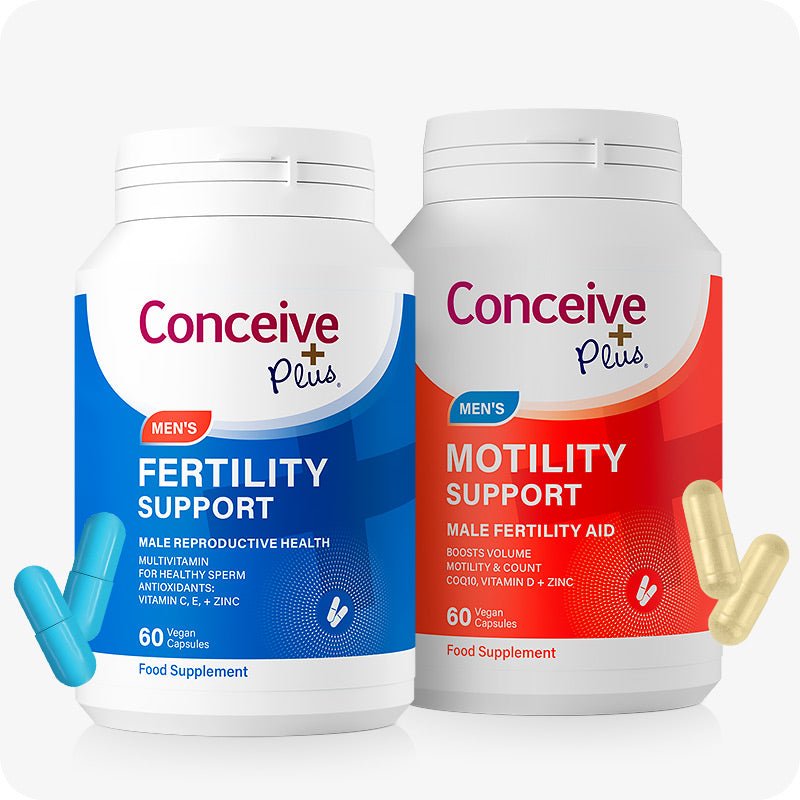
Conceive Plus Men's Fertility Support provides a targeted combination of zinc, selenium, CoQ10, folate, vitamin D, L-carnitine, and vitamin C — the nutrients with the strongest clinical evidence for improving sperm health. The formula is designed specifically for men trying to conceive and can be used for three to six months to maximise spermatogenesis improvement.
When choosing a male fertility supplement, look for:
- Methylfolate rather than synthetic folic acid (better absorbed)
- Zinc in a bioavailable form (zinc citrate or zinc gluconate)
- CoQ10 in the ubiquinol form (superior absorption over age 30)
- Selenium as selenomethionine (the most bioavailable form)
- Third-party quality testing
Sperm Health Lifestyle Checklist
Here's a practical action plan for optimising sperm health in the three months before you want to conceive:
- ✅ Switch to boxers or loose-fitting underwear
- ✅ Avoid hot tubs, saunas, and long hot baths
- ✅ Stop smoking (effects are largely reversible within 3 months)
- ✅ Limit alcohol to fewer than 5 units per week
- ✅ Exercise moderately 150+ minutes per week
- ✅ Maintain a healthy BMI (18.5–24.9)
- ✅ Follow a Mediterranean-style diet
- ✅ Reduce plastic exposure (switch to glass/stainless steel water bottles)
- ✅ Take a targeted male fertility supplement
- ✅ Manage stress — consider mindfulness, yoga, or therapy
- ✅ Get a semen analysis — baseline data helps track progress
- ✅ Use a sperm-safe lubricant like Conceive Plus when trying to conceive
When to See a Doctor About Sperm Health
While lifestyle changes can significantly improve sperm health in many men, some causes require medical treatment. See a fertility specialist if:
- You have been trying to conceive for 12 months (6 months if your partner is over 35) without success
- You have known risk factors: previous chemotherapy, testicular surgery, undescended testes, mumps orchitis, varicocele, or hormonal disorder
- Your semen analysis shows severe abnormalities (count under 5 million/ml, motility under 10%)
- You have symptoms of testosterone deficiency: low libido, fatigue, reduced muscle mass, erectile dysfunction
Sperm Testing: When and What to Get Checked
Despite male factor contributing to roughly half of all fertility challenges, men are significantly undertested compared to their female partners. Many couples spend months pursuing female fertility investigation before testing the male partner — a significant oversight given that a semen analysis is a simple, non-invasive, and inexpensive test.
When should men get a semen analysis?
- After 6–12 months of trying to conceive without success (6 months if female partner is over 35)
- Earlier if there are known risk factors: previous chemotherapy, radiotherapy, undescended testes, testicular surgery, mumps orchitis, varicocele, or hormonal disorder
- Earlier if there are symptoms of testosterone deficiency: low libido, fatigue, reduced muscle, erectile dysfunction
- Immediately if the couple is planning IVF — a baseline semen analysis before spending significant money on female fertility investigation is essential
A standard semen analysis measures volume, count, concentration, total motility, progressive motility, and morphology (Kruger strict). An advanced semen analysis may also include DNA fragmentation index (DFI) — a measure of sperm DNA damage that is not captured by standard analysis. High DFI (above 15–25%, depending on the lab reference range) is associated with recurrent miscarriage, failed implantation, and poor embryo development. Many men with "normal" semen analyses on standard testing have elevated DFI that only an extended analysis reveals.
If your semen analysis shows significant abnormalities, a referral to a urologist specialising in male reproductive health (andrologist) is appropriate. Causes of poor sperm parameters include varicocele (enlarged testicular vein — correctable with surgery), hormonal disorders (low FSH, LH, or testosterone — treatable), infection or inflammation (antibiotics), and genetic factors (Klinefelter syndrome, Y-chromosome microdeletions — requiring specialist counselling).
Sperm Health and Lubricant: The Connection
When a couple is trying to conceive, everything that enters the vaginal environment potentially affects sperm function. This includes lubricants, massage oils, saliva, and even vaginal products. Research from multiple studies has shown that common household lubricants — from KY Jelly to baby oil to saliva — significantly reduce sperm motility, in some cases by over 80%.
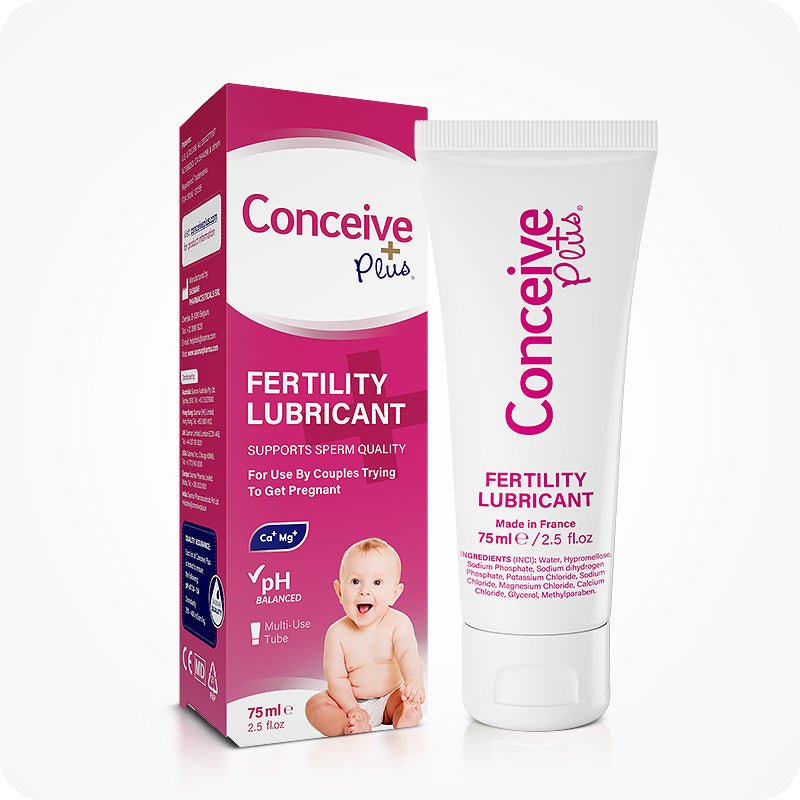
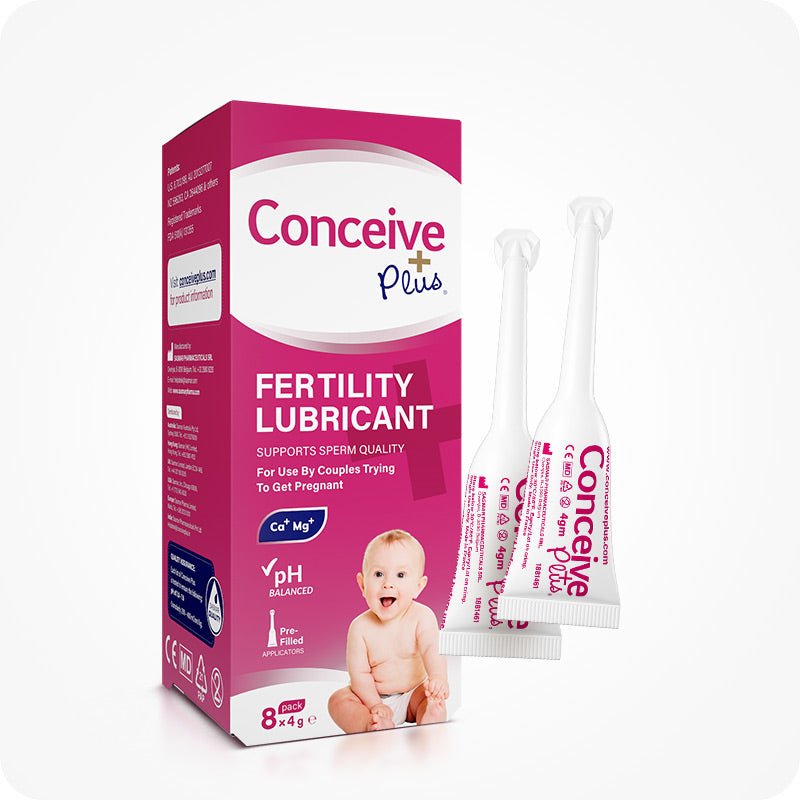
The only lubricants that have been shown to be safe for sperm are those specifically formulated to be sperm-compatible: hydroxyethylcellulose-based products with physiologic pH (7.2–8.5) and isotonic osmolality. Conceive Plus is one of the very few products that meets all of these criteria while also adding calcium and magnesium ions that actively support sperm function.
When you're working hard to optimise sperm health through diet, supplements, and lifestyle changes, it makes no sense to introduce a lubricant that could damage the very sperm you've been nurturing. Use Conceive Plus or abstain from using any lubricant — these are the only sperm-safe options.
Frequently Asked Questions: Sperm Health
Q: How long does it take to improve sperm health?
Spermatogenesis takes 72–74 days. Meaningful improvements in semen parameters typically appear 3 months after implementing lifestyle changes and supplementation.
Q: Can stress cause male infertility?
Yes. Chronic stress elevates cortisol and suppresses the hormonal cascade that drives sperm production. Managing stress is a legitimate and evidence-based intervention for male fertility.
Q: Does age affect sperm health?
Yes, but less dramatically than female fertility. After 40, men experience increasing DNA fragmentation and declining motility. However, men can father healthy children well into their 50s and beyond with good sperm health habits.
Q: Can I improve sperm morphology with diet?
Yes. Antioxidants (vitamin C, vitamin E, lycopene), zinc, selenium, and CoQ10 all support normal sperm morphology by reducing oxidative damage during spermatogenesis.
Q: Is it safe to take male fertility supplements long-term?
Yes, within recommended doses. Most male fertility supplements use safe, well-tolerated nutrients. Consult your GP if you have any existing health conditions.
Q: How does Conceive Plus support male fertility?
Conceive Plus Men's Fertility Support provides a targeted combination of nutrients clinically associated with improved sperm health. Additionally, Conceive Plus Fertility Lubricant uses a sperm-safe formula with calcium and magnesium ions that support rather than harm sperm function during intercourse.
Q: Can a varicocele be treated without surgery?
Some varicoceles can be treated with microsurgical varicocelectomy. No supplement or lifestyle change reverses a varicocele, though antioxidants may partially mitigate the oxidative damage it causes.
Q: Does frequency of ejaculation affect sperm health?
Yes. Abstaining for more than 5 days reduces motility; ejaculating daily optimises motility but reduces count. For timed intercourse, every 1–2 days during the fertile window is the clinical recommendation.
Conclusion: Take Charge of Your Sperm Health
Sperm health is not fixed. It is dynamic, responsive, and significantly influenced by choices you make every day. The three months before you want to conceive represent a critical window for optimising the sperm that will contribute to your child's genetics. By addressing diet, lifestyle, and targeted supplementation, most men can meaningfully improve their semen parameters.
Start today. The spermatogenesis cycle is already underway — give it the best possible environment to produce healthy, motile sperm that give you the best possible chance of conceiving.
Start your fertility journey with confidence.
Clinically tested, trusted by fertility specialists worldwide. Conceive Plus is designed for couples serious about conception.
View Full Range →