Sperm Health Supplements: What Men Need to Know When Trying for a Baby


Sperm Health Supplements: What Men Need to Know When Trying for a Baby
Male fertility contributes to roughly 50% of all fertility challenges — yet conversations about conception often focus almost exclusively on women. If you and your partner are trying for a baby, understanding sperm health supplements and how they can support male fertility is an important and often overlooked step.
This guide covers what sperm health supplements are, the evidence behind key ingredients, lifestyle factors that matter, and how Conceive Plus for men can be part of a comprehensive approach to supporting sperm quality.
Why Sperm Health Matters for Conception
Sperm quality is assessed across four main parameters: count (concentration), motility (movement), morphology (shape), and volume. Problems with any of these can reduce fertility. The World Health Organisation's (WHO) reference values for normal sperm are:
- Count: ≥16 million sperm per millilitre
- Motility: ≥42% of sperm moving (progressive motility ≥30%)
- Morphology: ≥4% normal forms (Kruger strict criteria)
- Volume: 1.4–7.6 ml per ejaculate
Sperm take approximately 74 days (around 2.5 months) to mature — which means that lifestyle changes and supplementation take roughly this long to show measurable improvements in sperm parameters.
Key Ingredients in Sperm Health Supplements
Ready to Boost Your Fertility?
Support your fertility journey with clinically formulated Conceive Plus supplements.
Shop Conceive Plus Now →Not all male fertility supplements are created equally. These ingredients have the strongest evidence base:
Coenzyme Q10 (CoQ10)
CoQ10 is a powerful antioxidant naturally present in sperm mitochondria, where it supports energy production. Multiple randomised controlled trials have demonstrated that CoQ10 supplementation (typically 200–600mg/day) improves sperm concentration, motility, and morphology in men with idiopathic infertility. A 2014 meta-analysis in the Journal of Urology found significant improvements in sperm motility with CoQ10 supplementation.
Vitamin C and Vitamin E
Oxidative stress is one of the leading causes of sperm DNA damage and reduced motility. Vitamins C and E work synergistically as antioxidants in the reproductive tract, neutralising reactive oxygen species (ROS) that damage sperm. Studies show that combined antioxidant supplementation improves live birth rates in couples undergoing fertility treatment.
Zinc
Zinc is essential for testosterone production, sperm maturation, and protection against oxidative damage. The seminal plasma naturally contains high concentrations of zinc. Men with low sperm count often have below-normal zinc levels. Supplementation with 25–45mg/day has been shown to improve sperm count and motility.
Folate (Folic Acid)
While folate is well-known for its role in preventing neural tube defects in pregnancies, it's also essential for sperm DNA synthesis and integrity. Men with higher folate intake have significantly lower rates of sperm aneuploidy (chromosomal abnormalities). The NHS recommends both partners take folic acid when trying to conceive.
L-Carnitine
L-Carnitine and its acetylated form (Acetyl-L-Carnitine) are essential for sperm energy metabolism. The epididymis — where sperm mature — has the highest carnitine concentration of any tissue in the body. Supplementation has been shown to improve sperm motility, particularly in men with asthenospermia (poor motility).
Selenium
Selenium is a component of several antioxidant enzymes in the testis and is essential for normal spermatogenesis. The UK has relatively low dietary selenium due to selenium-poor soils. Supplementation (55–200mcg/day) has been associated with improvements in sperm motility and morphology.
Sperm Health Supplements: What to Look For
When choosing a sperm health supplement, look for:
- Clinically studied dosages (not token amounts)
- Independent third-party testing for purity
- Combination formulas addressing multiple pathways (antioxidant + energy support + micronutrients)
- Products specifically formulated for male fertility (not generic multivitamins)
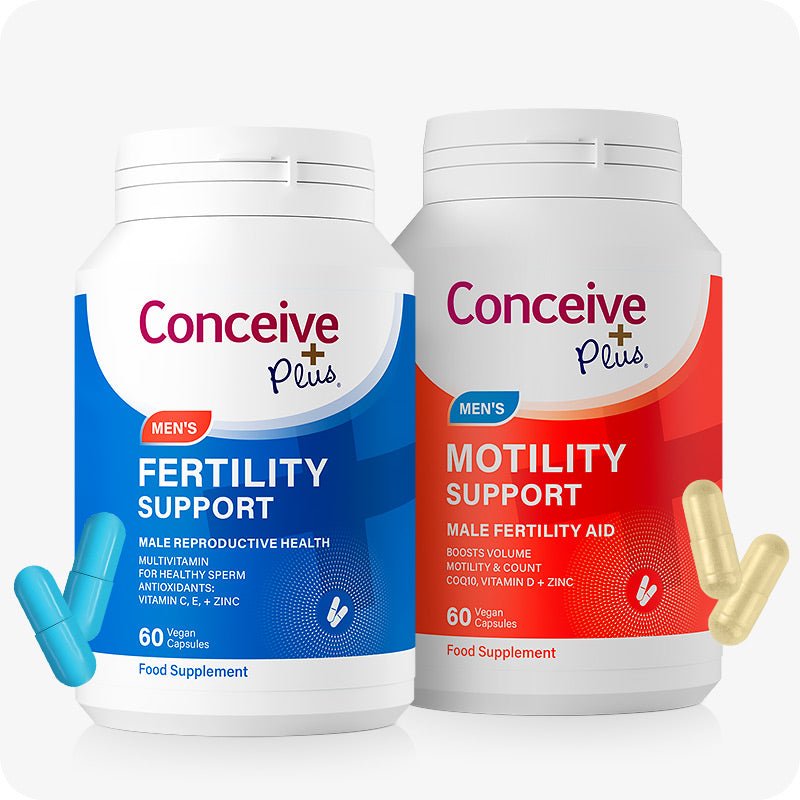
Conceive Plus Motility Support and Conceive Plus Men's Fertility Support are specifically formulated with clinically relevant ingredients including CoQ10, zinc, folate, selenium, and antioxidant vitamins to support healthy sperm production and function.
Lifestyle Factors That Affect Sperm Health
Supplements work best alongside positive lifestyle changes. Research-backed factors that affect sperm quality include:
Heat Exposure
Sperm are produced optimally at temperatures slightly below body temperature — which is why the testes sit outside the body. Prolonged exposure to heat from laptops, tight underwear, hot baths, or saunas significantly reduces sperm production and motility. During a TTC cycle, switch to boxer shorts and avoid prolonged heat exposure to the groin.
Alcohol
Heavy alcohol consumption reduces testosterone levels and impairs sperm production. Even moderate drinking (more than 5 units per week) has been shown to reduce sperm quality. When actively trying to conceive, limiting alcohol is advisable.
Smoking
Smoking is one of the most well-documented causes of reduced sperm quality. Smokers have significantly lower sperm count, motility, and higher rates of sperm DNA fragmentation. Quitting smoking is one of the most impactful interventions men can make for fertility.
Stress
Chronic psychological stress elevates cortisol, which disrupts testosterone production and impairs sperm parameters. Mind-body practices including meditation, exercise, and adequate sleep all support hormonal balance and sperm health.
Diet
The Mediterranean diet pattern — rich in antioxidants, omega-3 fatty acids, zinc, folate, and selenium from whole foods — is consistently associated with better sperm quality. Ultra-processed foods, trans fats, and excessive sugar are associated with worse parameters.
How Long Does It Take for Sperm Health Supplements to Work?
This is one of the most important points men need to understand: sperm take approximately 74 days to fully mature (a process called spermatogenesis). This means:
- Supplements taken today won't affect the sperm you produce today
- You need to take supplements consistently for at least 3 months to see measurable improvements
- Lifestyle changes also take this long to show full effect in sperm parameters
- Both partners should start fertility optimisation at least 3 months before actively trying to conceive
Using Conceive Plus Fertility Lubricant With Male Factor Concerns
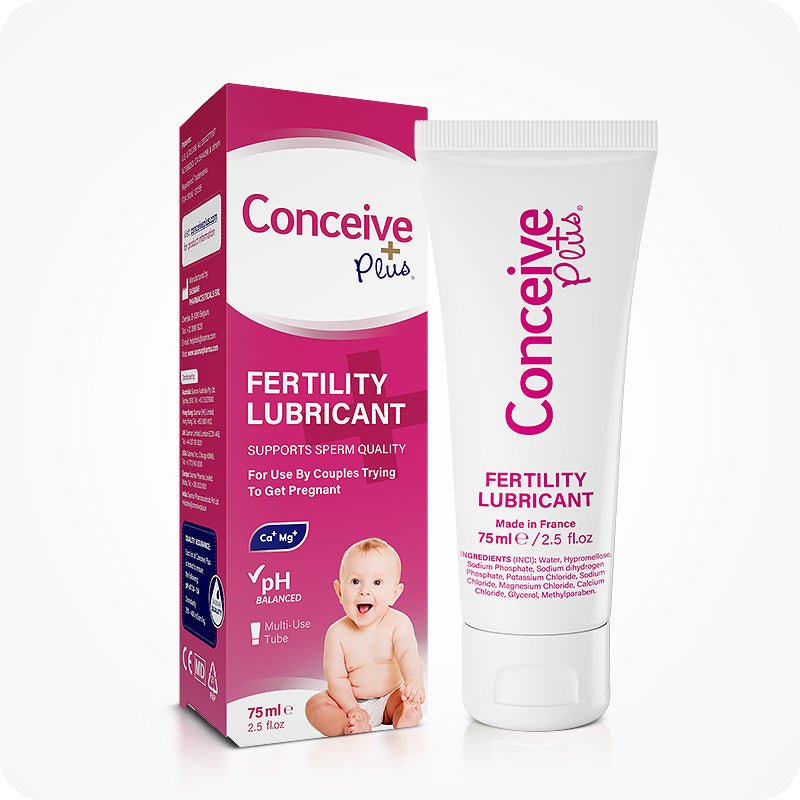
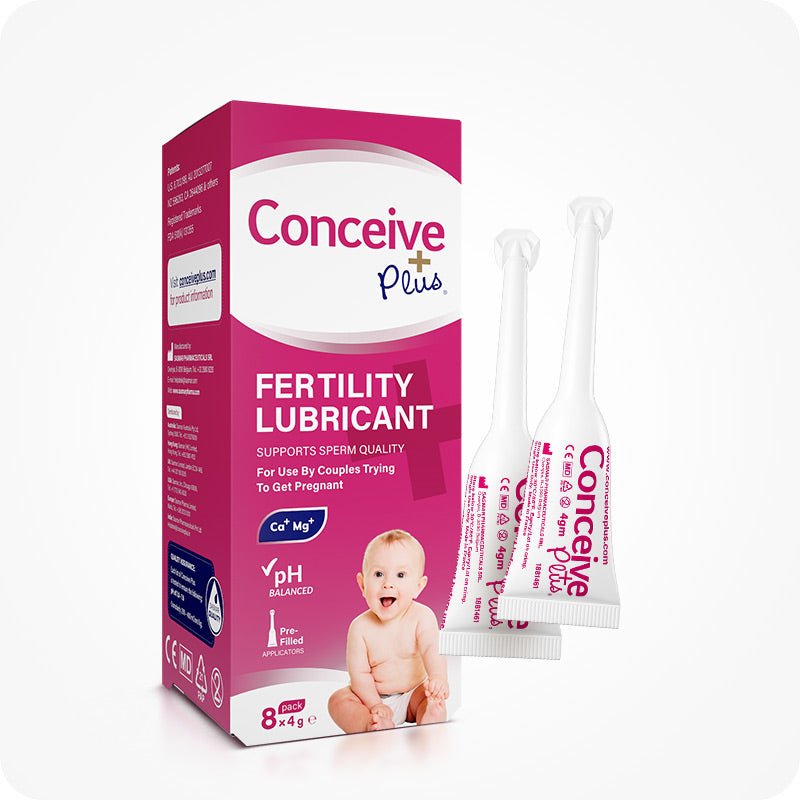
When sperm motility or count is a concern, every variable in the fertility equation matters. Regular lubricants are known to impair sperm motility dramatically — even products labelled "natural" or "gentle" can reduce sperm function. During intercourse when trying to conceive, use a sperm-safe lubricant like Conceive Plus fertility lubricant.
What sets Conceive Plus apart for couples with male factor concerns is its inclusion of calcium (Ca²⁺) and magnesium (Mg²⁺) ions — the same ions present in natural fertile cervical mucus that support sperm function. No other sperm-friendly lubricant provides this complete ionic environment.
Frequently Asked Questions
How long should men take sperm health supplements before trying to conceive?
Ideally, 3 months (90 days) minimum, as this covers one full cycle of spermatogenesis. Starting supplementation 3–6 months before actively trying to conceive gives the best chance of measurable improvement.
Can sperm health supplements help with low sperm count?
Yes — particularly supplements containing zinc, CoQ10, folate, and antioxidants. For severe oligospermia (very low count), specialist medical assessment is essential alongside supplementation.
Are there any sperm health supplements men should avoid?
High-dose testosterone supplements or anabolic steroids significantly suppress sperm production and should be avoided when trying to conceive. Some herbal supplements lack evidence and may contain contaminants — choose regulated, evidence-based products.
Can mobile phone use affect sperm quality?
Emerging research suggests carrying a mobile phone in a trouser pocket may have small effects on sperm quality through electromagnetic radiation and heat. While the evidence isn't conclusive, keeping your phone in a jacket pocket during a TTC cycle is a simple precaution.
Should men also take folic acid?
Yes. Folate is as important for sperm DNA integrity as it is for egg quality and embryo development. Men should take at least 400mcg of folic acid daily when trying to conceive.
Does Conceive Plus lubricant affect sperm?
Conceive Plus is specifically formulated to be safe for sperm. It is pH balanced, isotonic, and contains calcium and magnesium ions that naturally support sperm function — unlike conventional lubricants that can harm sperm.
What's the best diet for sperm health?
The Mediterranean diet consistently shows the strongest association with healthy sperm parameters. Prioritise oily fish, nuts, seeds, vegetables, legumes, and whole grains, while limiting alcohol, processed meats, and ultra-processed foods.
Can stress reduce sperm quality?
Yes. Chronic stress elevates cortisol, which suppresses testosterone and can impair sperm production. During a TTC journey, stress management is a legitimate fertility intervention — not just nice to have.
Start Your Fertility Journey Today
Thousands of couples trust Conceive Plus to support their path to parenthood. Join them and experience the difference clinically backed fertility support can make.
Explore Conceive Plus Products →