Ovulation Tracking: Your Complete Guide to Understanding Your Fertile Window in the UK


Ovulation Tracking: Your Complete Guide to Understanding Your Fertile Window in the UK
If you're trying to conceive, understanding your ovulation cycle is one of the most powerful steps you can take. Whether you've just started on your fertility journey or have been trying for a while, knowing when you're most fertile can significantly improve your chances of getting pregnant. In the UK, millions of couples are navigating this journey each year — and the good news is that there are excellent tools, NHS guidance, and evidence-based strategies to help you.
This comprehensive guide covers everything you need to know about ovulation tracking in the UK: from understanding the science behind ovulation to practical methods for pinpointing your fertile window, including ovulation prediction kits (OPKs), basal body temperature (BBT) tracking, and cervical mucus monitoring. We'll also address ovulation challenges such as PCOS, and share how Conceive Plus products can support your journey.
What Is Ovulation and Why Does It Matter?
Ovulation is the process by which a mature egg is released from one of your ovaries into the fallopian tube, where it can be fertilised by sperm. This happens once per menstrual cycle — typically around the middle of the cycle — and the released egg survives for only 12 to 24 hours. This narrow window means that timing is everything when it comes to conception.
Sperm, on the other hand, can survive in the female reproductive tract for up to five days under favourable conditions. This means your actual fertile window — the period during which unprotected sex can result in pregnancy — is approximately six days long: the five days before ovulation and the day of ovulation itself.
According to the NHS, most women with a regular 28-day cycle ovulate around day 14. However, research shows that fewer than 30% of women have cycles that fall precisely within NHS-defined "normal" ranges, and ovulation timing can vary significantly from cycle to cycle. A 2013 study published in Human Reproduction found that even among women with regular cycles, ovulation could occur anywhere between day 10 and day 21. This is why tracking is so important — it removes the guesswork.
In the UK, approximately one in seven couples experience difficulties conceiving, according to NHS data. For many, identifying and timing ovulation correctly can make a significant difference before seeking further fertility investigations.
Understanding Your Menstrual Cycle
Recommended by Fertility Experts
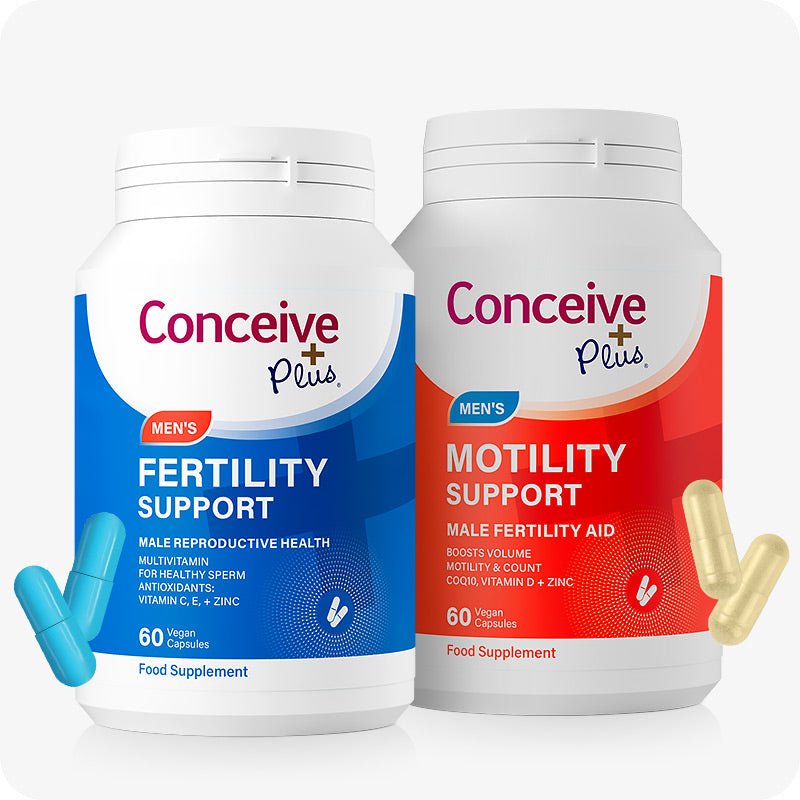
Conceive Plus Men's Fertility Support
Designed to support healthy sperm production, motility, and overall male reproductive health with clinically studied nutrients.
Shop Now →To accurately track ovulation, it helps to understand the full menstrual cycle. The cycle is divided into two main phases, separated by ovulation:
- The Follicular Phase: This begins on the first day of your period and ends at ovulation. During this phase, follicle-stimulating hormone (FSH) stimulates the ovaries to produce follicles, each containing an egg. As the follicles develop, they produce oestrogen, which helps thicken the uterine lining in preparation for a potential pregnancy. Typically, one dominant follicle emerges and matures.
- The Luteal Phase: After ovulation, the empty follicle transforms into a structure called the corpus luteum, which produces progesterone. This hormone maintains the uterine lining. If fertilisation doesn't occur, the corpus luteum breaks down, progesterone levels fall, and menstruation begins. The luteal phase is generally more consistent in length — usually 12 to 16 days — than the follicular phase.
The length of your cycle is determined largely by the follicular phase, which can vary considerably. If you have a longer cycle, you'll likely ovulate later; if shorter, earlier. This is why using the "Day 14 rule" as a universal standard can be misleading for many women.
NICE (National Institute for Health and Care Excellence) guidelines recommend that couples trying to conceive have regular unprotected sex every two to three days throughout the cycle to maximise chances of conception without the pressure of perfectly timed intercourse. However, for those who wish to be more strategic — particularly when dealing with irregular cycles or fertility challenges — targeted ovulation tracking is highly beneficial.
Ovulation Prediction Kits (OPKs): How They Work and How to Use Them
Ovulation prediction kits are one of the most popular and accessible tools for tracking ovulation in the UK. Available from most UK pharmacies including Boots, Superdrug, and online retailers, OPKs work by detecting the surge in luteinising hormone (LH) that occurs 24 to 36 hours before ovulation.
How LH tests work: During most of your cycle, LH levels remain relatively low. In the days leading up to ovulation, your pituitary gland releases a significant surge of LH, which triggers the release of the mature egg. OPKs detect this surge in your urine, giving you advance warning that ovulation is imminent.
Types of OPKs available in the UK:
- Standard test strips: These are the most affordable option. You dip a strip into urine and compare the test line to a reference line. A positive result occurs when the test line is as dark as or darker than the control line. Brands like One Step and Easy@Home offer budget-friendly packs.
- Digital OPKs: Brands such as Clearblue and First Response offer digital tests that display a smiley face or clear positive symbol, eliminating the subjectivity of interpreting line darkness. Clearblue's Advanced Digital Ovulation Test also tracks oestrogen levels, providing a wider fertility window indication (typically four days of high fertility versus the standard two-day LH surge window).
- Cycle monitors: Devices like the Clearblue Connected Ovulation System or Mira Fertility Tracker measure actual hormone levels (both LH and oestrogen) and connect to an app, building a personalised cycle profile over time.
Tips for accurate OPK results:
- Test at the same time each day — most experts recommend between 10am and 8pm, avoiding first morning urine (which can dilute hormone concentrations compared to the optimal mid-morning window)
- Reduce fluid intake for two hours before testing
- Start testing a few days before your expected ovulation date (for a 28-day cycle, begin around day 10 to 11)
- Once you get a positive, have sex that day and the next one to two days
A 2011 review in Fertility and Sterility found that LH-based OPKs have a sensitivity of around 97–99% for detecting the LH surge, making them a highly reliable first-line ovulation tracking tool.
Basal Body Temperature (BBT) Tracking
Basal body temperature is your resting temperature, measured immediately upon waking — before getting up, eating, drinking, or any physical activity. During the follicular phase, BBT is typically lower (around 36.1–36.4°C for most women). After ovulation, the rise in progesterone causes a slight but measurable temperature increase of approximately 0.2–0.5°C, which remains elevated until the start of your next period.
How to track BBT effectively:
- Use a dedicated BBT thermometer (available from UK pharmacies), which measures to two decimal places — standard thermometers are not accurate enough
- Take your temperature at the same time each morning before getting out of bed
- Record readings in an app (such as Fertility Friend, Clue, or Natural Cycles) or on paper
- Look for the sustained rise: a pattern of higher temperatures over three or more days confirms ovulation has occurred
Important limitation: BBT tracking is retrospective — it tells you that ovulation has already occurred, not that it's about to. This makes it most useful for identifying patterns over several cycles, helping you predict your fertile window in future months rather than acting on it in real time. Combining BBT with OPKs provides a more complete picture.
Factors that can disrupt BBT readings include illness, alcohol consumption, travel across time zones, disrupted sleep, and stress. It's important to note these disturbances in your chart so you can interpret the data accurately.
Natural Cycles, a Swedish-developed app using BBT as its primary data input, is the world's first software to receive CE mark and FDA approval as a contraceptive app — an indication of how seriously BBT-based cycle tracking is taken in medical circles. As a conception aid, it's equally valuable for those trying to get pregnant.
Cervical Mucus Monitoring: Reading Your Body's Natural Signs
Your cervical mucus (also called vaginal discharge) changes predictably throughout your menstrual cycle in response to hormonal shifts. Learning to observe and interpret these changes is a cost-free, natural method of ovulation tracking known as the Billings Ovulation Method or, as part of a broader approach, the Symptothermal Method.
The typical pattern throughout the cycle:
- Post-period (days 1–5): Minimal or no discharge
- Early follicular phase: Sticky or crumbly, white or yellowish discharge; sperm cannot easily survive in this environment
- Pre-ovulatory phase: Discharge becomes creamy, like lotion or yoghurt; indicates rising oestrogen
- Peak fertility (around ovulation): Discharge becomes clear, slippery, and stretchy — resembling raw egg white. It can stretch between your fingers without breaking. This "egg white cervical mucus" (EWCM) is the most fertile type and provides the ideal environment for sperm to survive and travel toward the egg.
- Post-ovulation (luteal phase): Discharge becomes sticky or dry again as progesterone rises
Research published in Epidemiology found that couples who had sex on days when egg-white cervical mucus was present were significantly more likely to conceive than those who relied on calendar-based timing alone.
Cervical mucus can be checked by observing discharge on underwear, wiping before urination, or inserting clean fingers into the vagina to collect mucus near the cervix. Conditions such as thrush, bacterial vaginosis, or certain medications (including antihistamines) can affect mucus quality and consistency.
One important note: Certain lubricants can damage sperm and alter the vaginal environment. If you use lubrication during intercourse while trying to conceive, it's essential to choose a fertility-friendly option — more on this below.
Ovulation and PCOS: Navigating Irregular Cycles
Polycystic ovary syndrome (PCOS) affects approximately 1 in 10 women of reproductive age in the UK, making it one of the most common causes of irregular periods and ovulation difficulties. Women with PCOS may experience infrequent or absent ovulation (anovulation), which can make natural conception more challenging.
How PCOS affects ovulation tracking:
- Cycles can be much longer than average (35+ days, sometimes several months), making standard day-count methods unreliable
- LH levels may be chronically elevated in PCOS, causing OPKs to show false positives or a prolonged "surge" that doesn't correspond to actual ovulation
- BBT tracking may show an unclear pattern due to less predictable cycles
NHS guidance for PCOS and conception: The NHS recommends that women with PCOS who are not ovulating speak to their GP. Lifestyle interventions — particularly maintaining a healthy weight — can help restore ovulation. NICE guidelines indicate that even a 5–10% reduction in body weight can restore ovulation in overweight women with PCOS.
Medical treatments for PCOS-related anovulation include letrozole (increasingly recommended as first-line), clomifene citrate, and metformin. In the UK, these are typically prescribed by a GP or referred specialist through the NHS.
For those with PCOS who are still ovulating but irregularly, using a combination of tracking methods — ideally including serial ultrasound monitoring if available — can help pinpoint the fertile window more accurately. Some fertility clinics in the UK offer monitored cycles for this purpose.
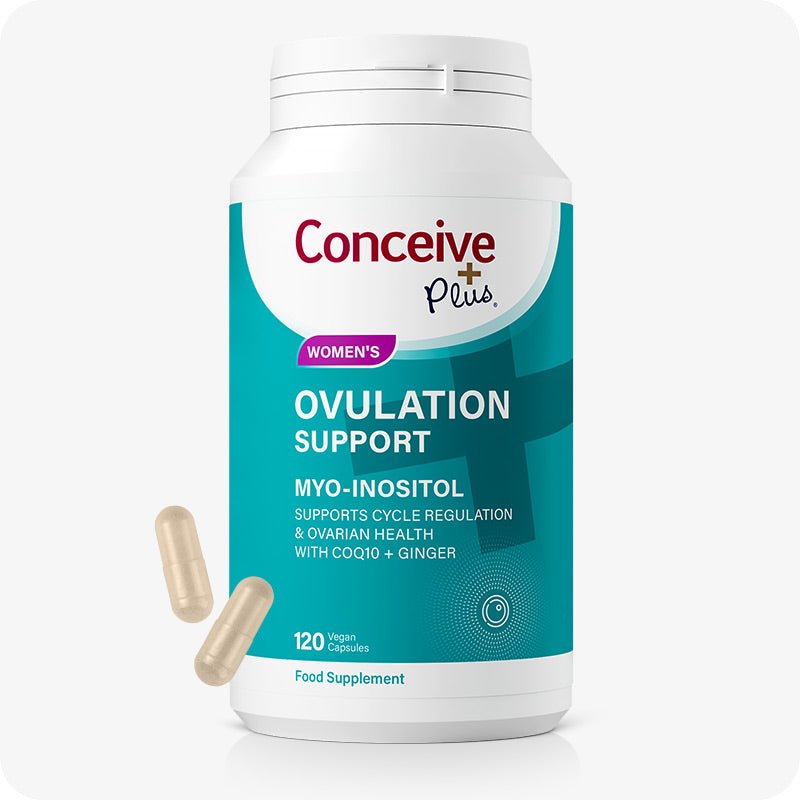
Additionally, there is growing evidence that inositol supplementation (particularly a combination of myo-inositol and D-chiro-inositol) may improve ovulation regularity in women with PCOS by improving insulin sensitivity. While more research is needed, several clinical guidelines now consider it a safe adjunct to lifestyle management.
Other Signs of Ovulation to Watch For
Beyond OPKs, BBT, and cervical mucus, many women experience additional physical signs around ovulation that can provide helpful confirmation:
- Mittelschmerz (ovulation pain): Around 20% of women experience mild pelvic pain or cramping on one side during ovulation. This typically lasts from a few minutes to a few hours and is caused by the follicle rupturing. While not precise enough to act on alone, it can serve as a useful confirmatory signal.
- Breast tenderness: Some women notice increased sensitivity in the breasts around ovulation due to hormonal changes.
- Increased libido: Research suggests that sexual desire naturally peaks around the fertile window — an evolutionary mechanism that increases the likelihood of conception.
- Spotting: Light bleeding or spotting can occasionally occur at ovulation.
- Cervical position: As ovulation approaches, the cervix rises higher in the vaginal canal, becomes softer, and the opening (os) widens slightly. This is an advanced sign that takes practice to detect reliably.
- Heightened senses: Some studies suggest that smell, vision, and hearing may be subtly enhanced around ovulation.
How Conceive Plus Can Support Your Fertility Journey
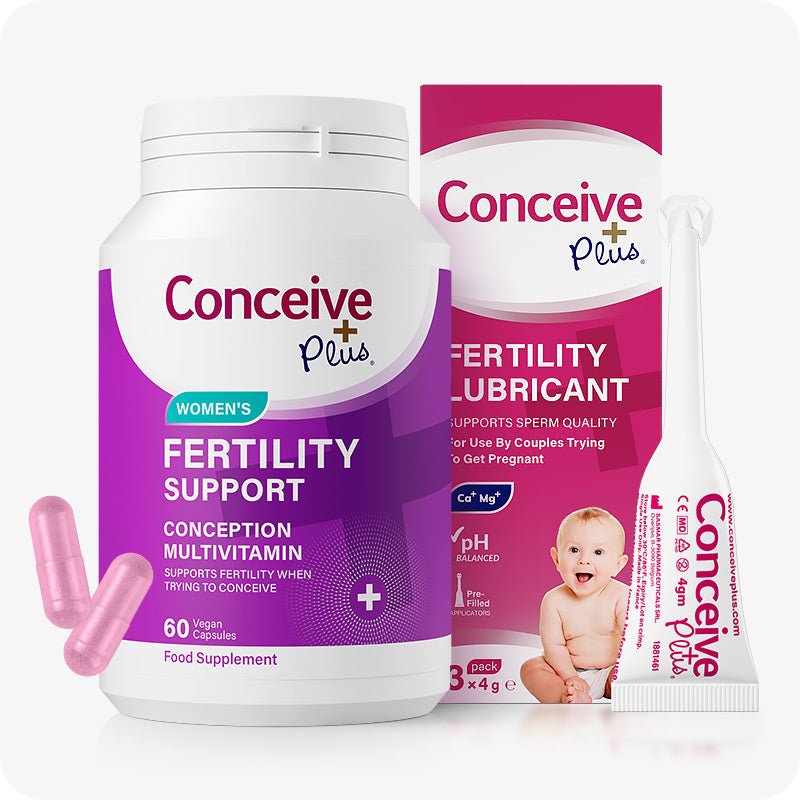
Tracking your ovulation is a crucial step, but supporting your body's overall fertility is equally important. Conceive Plus offers a range of clinically developed products designed specifically to help couples trying to conceive.
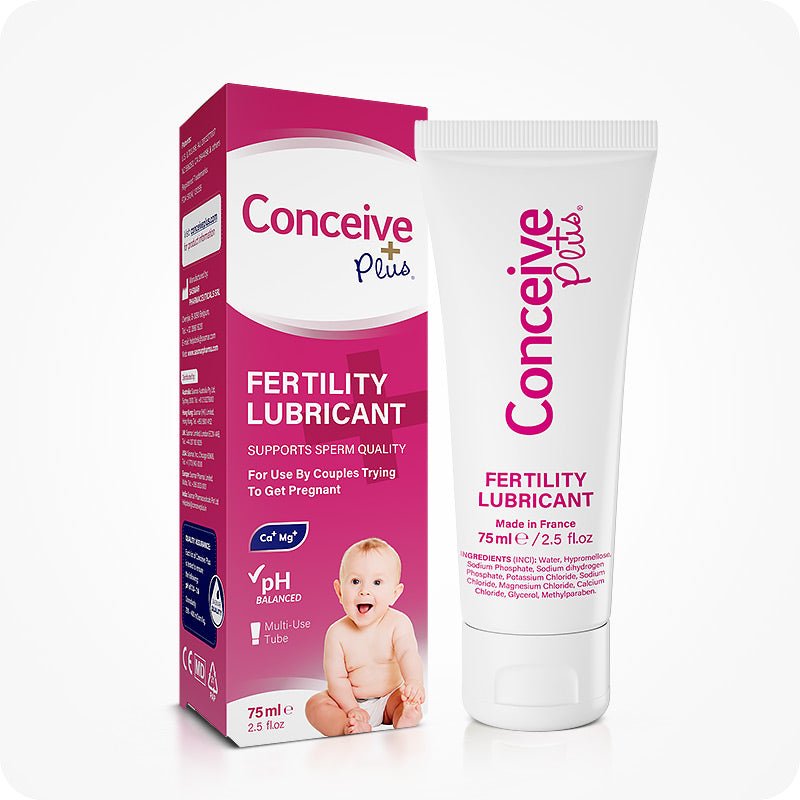
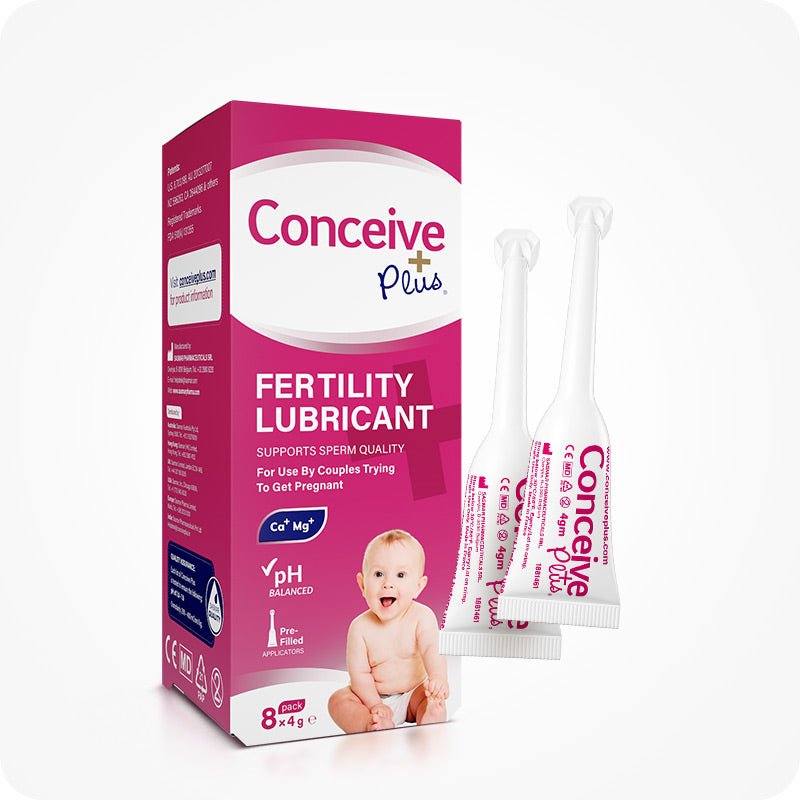
Conceive Plus Fertility Lubricant
As mentioned earlier, many standard lubricants — including saliva — can harm sperm motility and survival. Conceive Plus Fertility Lubricant is specifically formulated to be sperm-friendly. It mimics the natural cervical fluid of the fertile window, with an optimal pH and osmolality that supports sperm function. Importantly, it's isotonic and free from ingredients that interfere with sperm motility — making it a trusted choice for couples trying to conceive. It's available in both a multi-use tube and single-use applicators for precise internal application.
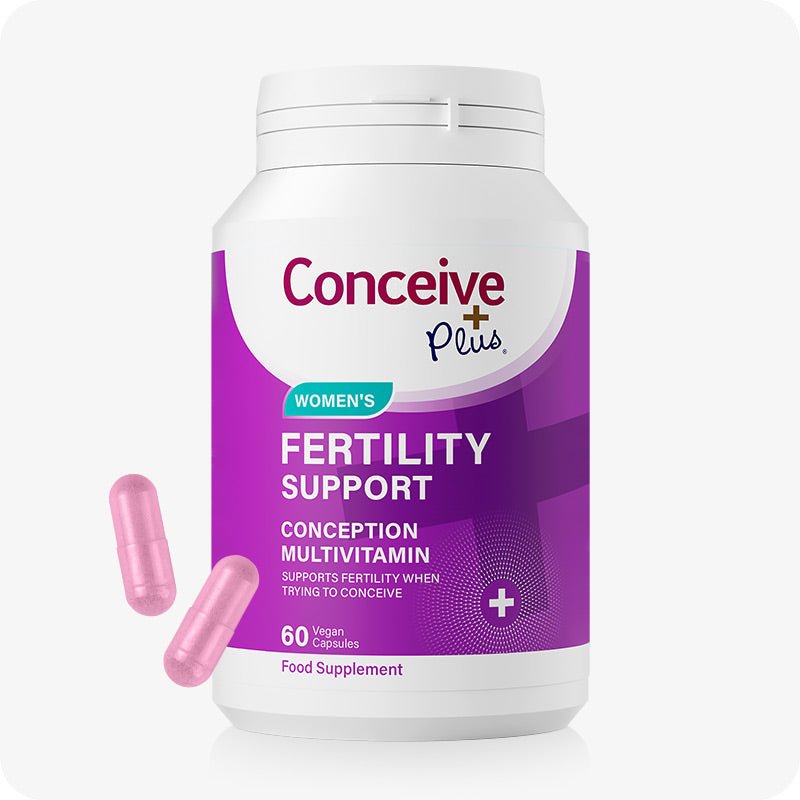
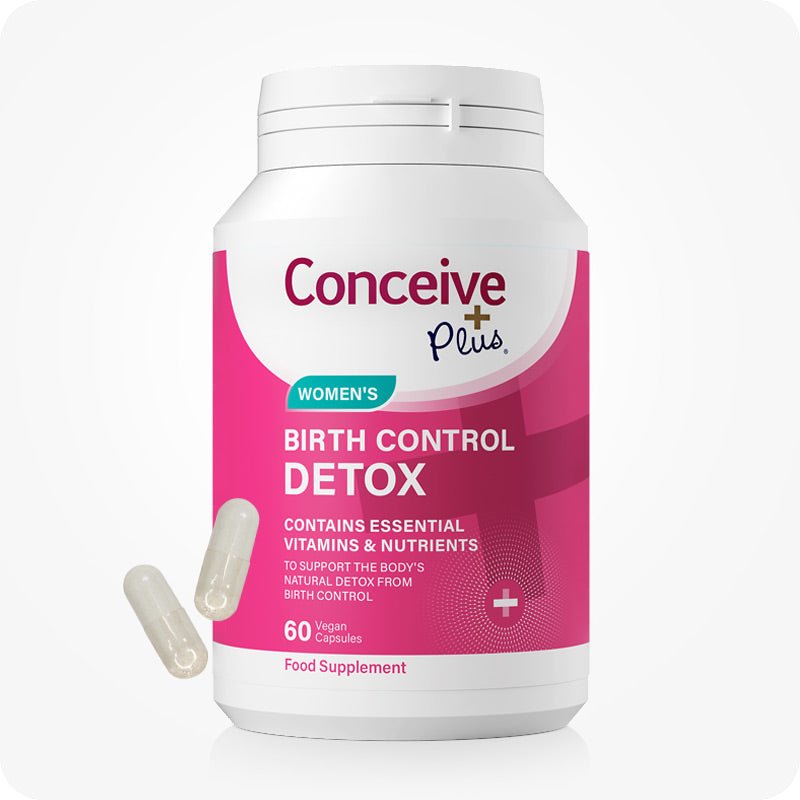
Conceive Plus Fertility Supplements
Nutrition plays a vital role in reproductive health, and Conceive Plus offers a comprehensive range of fertility supplements for both women and men:
- Conceive Plus Women's Fertility Support: A complete prenatal and fertility supplement containing key nutrients including folic acid (the NHS recommends 400mcg daily when trying to conceive), CoQ10, vitamins D3 and B12, zinc, and iron to support hormonal balance, egg quality, and overall reproductive health.
- Conceive Plus Men's Fertility Support: Formulated to support sperm health with ingredients such as zinc, selenium, L-carnitine, CoQ10, and vitamins C and E — all with evidence supporting their role in sperm count, motility, and morphology.
- Conceive Plus Omega-3 DHA: Essential fatty acids that support hormonal regulation and overall reproductive function for both partners.
All Conceive Plus products are available directly from conceiveplus.co.uk, with fast UK delivery. Whether you're just starting to try or have been on this journey for a while, their range is designed to give your body the nutritional support it needs.
When to Seek NHS Help
While many couples conceive within a few months of trying, the NHS recommends seeking medical advice in the following circumstances:
- You've been trying to conceive for more than 12 months if under 35
- You've been trying for more than 6 months if you're 35 or older
- You have irregular or absent periods
- You've had a previous diagnosis of PCOS, endometriosis, or pelvic inflammatory disease
- You have a history of miscarriage
- Your partner has known or suspected fertility issues
Your GP can carry out initial fertility investigations, including blood tests to check ovulation (day 21 progesterone test for a 28-day cycle), semen analysis for your partner, and referral to an NHS fertility clinic if needed. NHS-funded IVF is available in some areas for eligible couples, though criteria vary by Clinical Commissioning Group (now Integrated Care Board) and availability can be limited.
Don't hesitate to advocate for yourself. If your GP doesn't take your concerns seriously, you have the right to ask for a second opinion or self-refer to some fertility clinics.
Frequently Asked Questions About Ovulation Tracking
Q: How long does ovulation last?
A: The egg is viable for only 12 to 24 hours after being released. However, because sperm can survive for up to five days, your fertile window is approximately six days long — the five days before ovulation and the day of ovulation itself.
Q: Can I ovulate more than once per cycle?
A: The ovaries release only one egg per cycle in most cases, but superovulation (the release of more than one egg) can occur within a 24-hour period — which is how fraternal twins occur. Once that 24-hour window closes, a second ovulation cannot occur in the same cycle.
Q: My OPK never shows a positive — does that mean I'm not ovulating?
A: Not necessarily. Some women's LH surges are brief, so they can be missed even with daily testing. Try testing twice a day around your expected ovulation time. Also, women with PCOS may have chronically elevated LH, making standard OPKs difficult to interpret. If you're consistently not seeing a positive over several cycles, speak to your GP.
Q: What does a positive OPK mean for when to have sex?
A: A positive OPK indicates that the LH surge has been detected, meaning ovulation is likely to occur within 24 to 36 hours. Have sex the day of the positive result and the following one to two days to maximise your chances of conception.
Q: Can stress affect ovulation?
A: Yes. High levels of stress can interfere with the hormonal signals that trigger ovulation, potentially causing delayed or absent ovulation. The hypothalamus — which controls the release of reproductive hormones — is sensitive to stress hormones like cortisol. Chronic stress can disrupt cycle regularity. That said, the relationship between stress and fertility is complex, and many women conceive despite stressful periods.
Q: Is it possible to have a period without ovulating?
A: Yes. An anovulatory cycle is one in which no egg is released, but the body may still experience bleeding that resembles a period (called anovulatory bleeding). This can occur more commonly during adolescence, perimenopause, periods of illness or extreme stress, or in conditions like PCOS. BBT charts showing no post-ovulatory temperature rise can indicate anovulation.
Q: How does age affect ovulation and fertility?
A: Female fertility begins to decline gradually in the late twenties, with a more marked decrease after age 35. This is due to a reduction in both the quantity and quality of eggs. Older eggs are more prone to chromosomal abnormalities, which can affect fertilisation, implantation, and the risk of miscarriage. However, many women conceive naturally in their late thirties and early forties. The NHS recommends seeking advice sooner (after six months) if you're 35 or older.
Q: Can I use a fertility tracking app instead of physical tests?
A: Apps like Clue, Flo, Natural Cycles, and Ovia can be valuable tools for tracking cycle data and predicting fertile windows. However, app predictions based purely on calendar data are less accurate than those combined with physical signs (BBT, OPKs, cervical mucus). The most reliable approach combines app tracking with at least one physical method. Natural Cycles, which uses BBT as its primary data point, has regulatory approval in both the EU and USA.
Q: What should I do if my cycles are very irregular?
A: Irregular cycles can make ovulation prediction more challenging. First, rule out underlying causes with your GP — thyroid disorders, PCOS, elevated prolactin, and other conditions can all cause cycle irregularity and are treatable. In the meantime, tracking multiple signs (OPKs, BBT, cervical mucus) gives you the best chance of identifying your fertile window even when cycles vary. Having sex every two to three days throughout the cycle — as NICE recommends — is also a reasonable strategy.
Q: Does being on hormonal contraception affect ovulation when I come off it?
A: Most women resume ovulation fairly quickly after stopping hormonal contraception, although it can take a few months for cycles to regularise. The combined pill, progesterone-only pill, implant, and hormonal coil can all temporarily delay the return of regular ovulation. In some cases, women experience what's known as "post-pill amenorrhoea" — an absence of periods for several months — though this typically resolves on its own. If periods haven't returned after three months, see your GP.
Start Your Journey with Confidence
Understanding your body's ovulation signals is one of the most empowering things you can do when trying to conceive. Whether you choose OPKs, BBT tracking, cervical mucus monitoring, or a combination of all three, consistent tracking over several cycles will give you invaluable insight into your unique fertility pattern.
Remember that knowledge is just one part of the equation. Supporting your body with the right nutrition, a healthy lifestyle, and fertility-friendly products can make a real difference to your outcomes.
Ready to take the next step? Explore the full range of Conceive Plus fertility products — including our clinically formulated fertility lubricant and comprehensive supplement range — at conceiveplus.co.uk. Designed by fertility experts and trusted by thousands of couples across the UK, Conceive Plus is here to support you every step of the way.
Your journey to parenthood is unique — and you don't have to navigate it alone. With the right tools, the right knowledge, and the right support, you're giving yourself the best possible chance.
This article is for informational purposes only and does not constitute medical advice. Always consult your GP or a qualified healthcare professional for personalised guidance on fertility and conception.
Trusted by Couples in Over 70 Countries
Support Male Fertility From the Inside Out
Male fertility is just as important as female fertility in the conception journey. Conceive Plus Men's range delivers targeted nutritional support to promote healthy sperm and overall reproductive wellbeing.
Shop Men's Range →