IVF Preparation: A Complete Guide to Optimising Your Body and Mind for Treatment Success


Understanding What It Takes to Prepare for IVF
In vitro fertilisation (IVF) is one of the most significant medical journeys a person can undertake. Success rates have improved dramatically — women under 35 now have a 55% live birth rate per IVF cycle — but preparation remains the single most important factor the patient controls.
Preparation encompasses nutritional optimisation, lifestyle adjustments, supplement protocols, stress management, and emotional readiness. Evidence shows that patients who engage in structured preparation achieve better outcomes across every metric.
The 90-Day Preparation Window
Both egg maturation and sperm development take approximately 90 days. A study in Human Reproduction Update found that women who prepared for at least three months had a 37% higher clinical pregnancy rate. A 2022 study showed sperm DNA fragmentation decreased by 26% after three months of targeted supplementation.
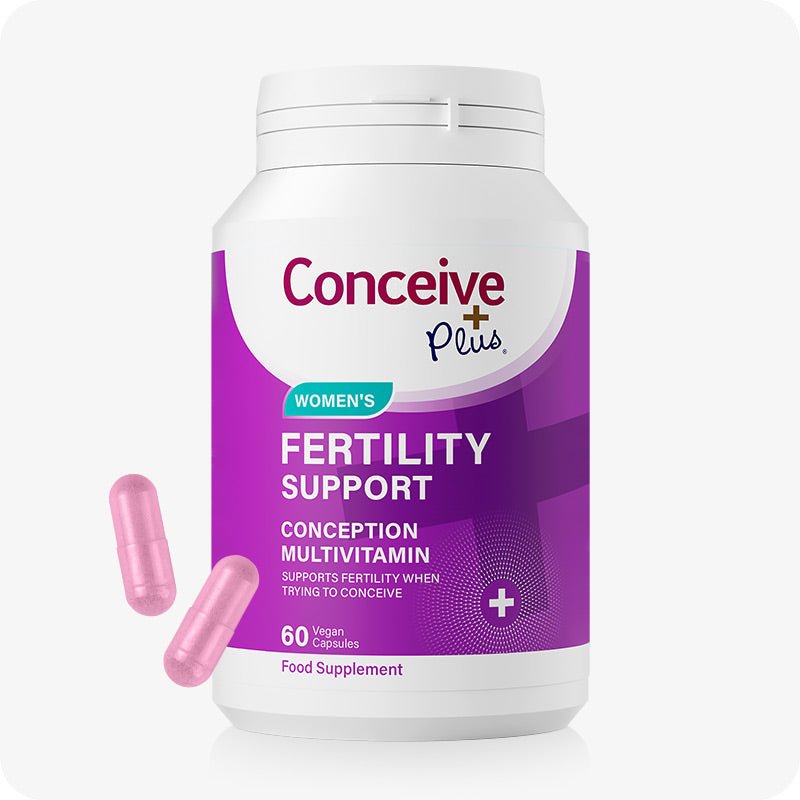
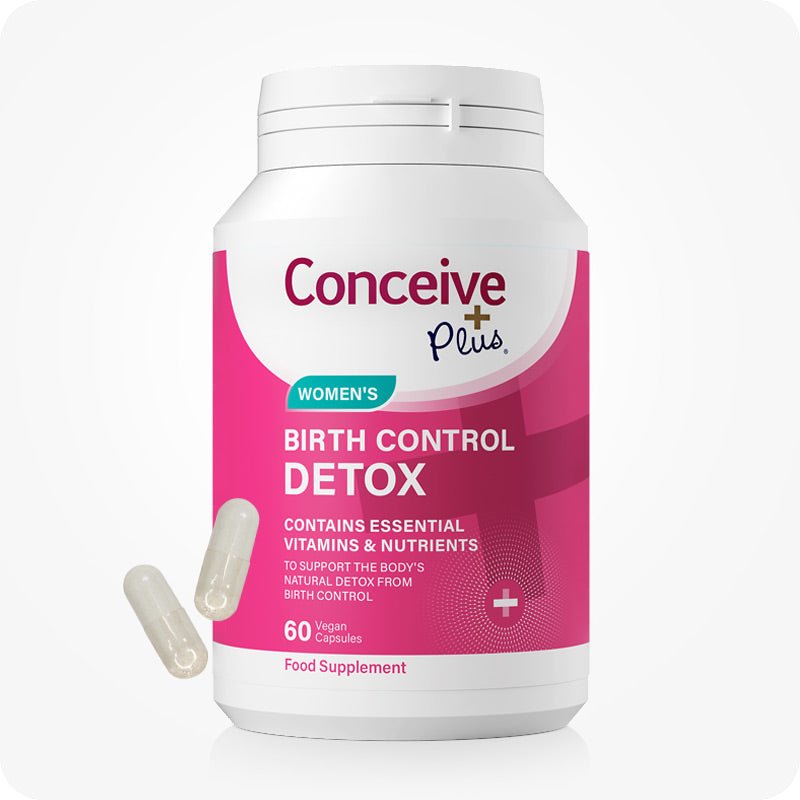
Start your IVF preparation. Women's Fertility Support from Conceive Plus provides essential nutrients during this critical window.
Nutritional Preparation for IVF
The Mediterranean diet is strongly supported by evidence — a study of 485 couples found 65% higher pregnancy rates with close adherence. Prioritise colourful vegetables, whole grains, fatty fish 2-3 times weekly, and olive oil. Avoid trans fats and ultra-processed foods.
Supplements for IVF Success
For Women: Folic acid (400-800 mcg), CoQ10 (200-600 mg), vitamin D (1,000-2,000 IU), omega-3 (1,000 mg), myo-inositol (2,000-4,000 mg for PCOS).
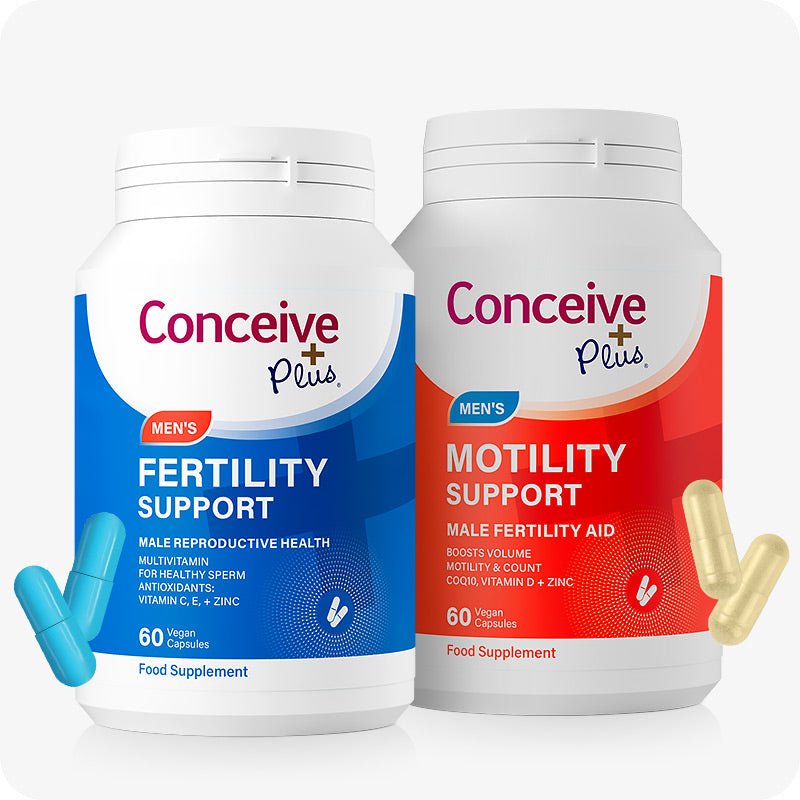
For Men: Zinc (30 mg), L-carnitine (1,000-3,000 mg), selenium (70 mcg), vitamin C (500-1,000 mg).
Lifestyle Factors
Sleep: Fewer than 7 hours linked to 21% lower pregnancy rates. Exercise: Moderate 30 min, 5 days/week. Stress: High anxiety associated with 29% lower pregnancy rate.
IVF Cycle Timeline
Days 1-14 (stimulation), Day 14-16 (retrieval), Day 17-22 (embryo development), Day 22 (transfer), Days 22-35 (two-week wait), Day 35 (pregnancy test).
Emotional Preparation
Set realistic expectations, build your support network, plan for all outcomes, and practice self-compassion throughout the process.
Partner Preparation
Male fertility plays a crucial role. Partners should supplement at least three months before the cycle, avoid heat exposure, limit alcohol, and exercise moderately.
Frequently Asked Questions
How long should I prepare for IVF? At least three months — aligning with the 90-day egg and sperm maturation cycle.
What supplements are essential? Folic acid, CoQ10, vitamin D3, and omega-3s. For men: zinc, selenium, and L-carnitine.
Can I drink alcohol during IVF preparation? Limit to 1-2 drinks weekly. Most clinics recommend eliminating alcohol entirely during the cycle.
Does stress affect IVF success? Yes. Stress management techniques like meditation or counselling can improve outcomes.
How can I improve egg quality? Mediterranean diet, targeted supplements, stress management, quality sleep, and healthy BMI.
Is exercise recommended? Moderate exercise is beneficial. Avoid high-intensity during stimulation and after transfer.
Can male fertility be improved before IVF? Yes. Sperm quality improves within 3 months through supplementation and lifestyle changes.
Does body weight affect IVF? Both obesity (BMI over 30) and underweight (BMI under 19) reduce success rates.
How many cycles are typically needed? On average 2-3 cycles to achieve a live birth.
Optimise your fertility before IVF. Women's Fertility Support is formulated to support reproductive health during IVF preparation.