PCOS and Fertility: A Complete Guide to Understanding and Managing Polycystic Ovary Syndrome for Successful Conception


Understanding PCOS and Its Impact on Fertility
Polycystic ovary syndrome (PCOS) is the most common endocrine disorder affecting women of reproductive age, with prevalence rates ranging from 8–13% depending on the diagnostic criteria used. In the UK alone, it is estimated that one in ten women of childbearing age is affected by PCOS, yet many go undiagnosed for years. The condition is characterised by a combination of symptoms relating to hormonal imbalance and metabolic dysfunction, which can have profound effects on fertility.
PCOS was first described by Stein and Leventhal in 1935, but our understanding of the condition has evolved enormously over the past century. Today, the Rotterdam criteria — requiring at least two of three features: irregular or absent ovulation, clinical or biochemical signs of hyperandrogenism (elevated male hormones), and polycystic ovaries on ultrasound — form the basis of diagnosis worldwide. However, the condition is far more complex than this simple diagnostic framework suggests, encompassing metabolic, cardiovascular, and psychological dimensions that affect every aspect of health.
The primary mechanism by which PCOS affects fertility is through ovulatory dysfunction. Women with PCOS typically have higher levels of luteinising hormone (LH) and lower levels of follicle-stimulating hormone (FSH), which disrupts the normal process of follicular development and ovulation. Instead of a single dominant follicle maturing and releasing an egg each cycle, multiple follicles may begin to develop but none reach maturity, leading to the characteristic "string of pearls" appearance on ultrasound and the chronic anovulation that makes conception difficult.
Insulin resistance is a central feature of PCOS, affecting 50–70% of women with the condition. When cells become resistant to insulin, the pancreas compensates by producing more insulin, leading to hyperinsulinaemia. Elevated insulin levels stimulate the ovaries to produce more androgens (particularly testosterone), which further disrupts ovulation and contributes to the classic symptoms of PCOS: irregular periods, acne, hirsutism (excess hair growth), and weight gain, particularly around the abdomen.
The metabolic consequences of PCOS extend beyond fertility. Women with PCOS are at significantly increased risk of developing type 2 diabetes, metabolic syndrome, cardiovascular disease, and non-alcoholic fatty liver disease. Research published in the Journal of Clinical Endocrinology & Metabolism found that women with PCOS have a 2–4 times higher risk of developing type 2 diabetes compared to women without the condition. This metabolic dimension of PCOS means that fertility treatment must be considered within a broader framework of lifelong health management.
It is important to recognise that PCOS presents differently in every individual. Some women with PCOS have regular periods and no difficulty conceiving, while others experience severe symptoms and significant fertility challenges. This heterogeneity is one of the reasons PCOS can be so frustrating to manage — what works for one person may not work for another, and finding the right approach often requires patience, persistence, and a willingness to try different strategies.
Diagnosis and Assessment: What to Expect on the NHS
If you suspect you may have PCOS, or if you have been struggling to conceive and are wondering whether PCOS could be a factor, the diagnostic process typically involves several components. A thorough history is essential — your healthcare provider will ask about your menstrual cycle patterns, any symptoms of elevated androgens (acne, excess hair growth, hair thinning), weight changes, and family history of PCOS or related conditions such as type 2 diabetes.
Blood tests play a crucial role in diagnosis. A typical hormone panel includes: testosterone (total and free), sex hormone-binding globulin (SHBG), LH and FSH, and anti-Müllerian hormone (AMH), which tends to be elevated in PCOS due to the high number of follicles. Additionally, your provider may check fasting glucose and insulin levels, haemoglobin A1c, and a lipid panel to assess metabolic health. Thyroid function and prolactin should also be evaluated to rule out conditions that can mimic PCOS.
Transvaginal ultrasound is used to visualise the ovaries. The classic finding in PCOS is the presence of 12 or more follicles measuring 2–9 mm in diameter in at least one ovary, often described as a "string of pearls" appearance. However, with modern high-resolution ultrasound equipment, some guidelines now use a threshold of 20 or more follicles per ovary. It is worth noting that women taking hormonal contraception may not show the characteristic appearance, and ultrasound findings alone are not sufficient for diagnosis without accompanying symptoms.
One of the most important aspects of PCOS assessment is evaluating for related health conditions. Your healthcare provider should screen for: impaired glucose tolerance or type 2 diabetes, hypertension, dyslipidaemia (abnormal cholesterol levels), and non-alcoholic fatty liver disease. Sleep apnoea is also more common in women with PCOS, particularly those who are overweight, and can further exacerbate metabolic dysfunction if left untreated.
For women actively trying to conceive, additional fertility assessment may include: confirming ovulation through ovulation predictor kits or mid-luteal progesterone testing, assessing tubal patency (particularly if there are additional risk factors such as previous pelvic infection or surgery), and evaluating the partner's sperm health. Male factor infertility is equally common as female factor and should not be overlooked.
Lifestyle and Dietary Strategies for Managing PCOS
Lifestyle modification is the cornerstone of PCOS management and is often the most effective first-line treatment for improving fertility outcomes. The goals of lifestyle intervention in PCOS are threefold: improve insulin sensitivity, promote regular ovulation, and reduce the risk of long-term metabolic complications. Even modest weight loss of 5–10% of body weight has been shown to restore ovulation in up to 50% of women with PCOS who are overweight.
Dietary Approaches: The optimal diet for PCOS is one that supports stable blood sugar levels and reduces insulin spikes. A low glycaemic index (GI) diet — emphasising whole grains, legumes, vegetables, and lean proteins while minimising refined carbohydrates and added sugars — has been shown to improve insulin sensitivity and reduce androgen levels in women with PCOS. Some research suggests that a Mediterranean-style diet, rich in olive oil, fish, nuts, seeds, and colourful vegetables, may be particularly beneficial due to its anti-inflammatory properties.
Timing of meals also matters. Eating smaller, more frequent meals throughout the day rather than large, infrequent meals can help maintain stable blood glucose levels and prevent the sharp insulin spikes that exacerbate PCOS symptoms. Including protein with each meal and snack further supports glucose stability. Some women with PCOS find that reducing their carbohydrate intake to 40–45% of total calories improves their symptoms significantly.
Exercise Recommendations: A combination of aerobic exercise and resistance training appears to be most effective for PCOS. Aerobic exercise (brisk walking, jogging, cycling, swimming) improves cardiovascular fitness and insulin sensitivity, while resistance training (weight lifting, bodyweight exercises) builds muscle mass, which increases resting metabolic rate and improves glucose uptake. Aim for at least 150 minutes of moderate-intensity exercise per week, plus two resistance training sessions.
Stress Management: Chronic stress elevates cortisol levels, which can worsen insulin resistance and disrupt the hypothalamic-pituitary-ovarian axis, further impairing ovulation. Mindfulness-based stress reduction, yoga, and gentle exercise such as walking in nature have all been shown to reduce cortisol and improve outcomes in PCOS. Prioritising sleep is equally important — aim for 7–9 hours of quality sleep per night, as sleep deprivation directly impairs insulin sensitivity.
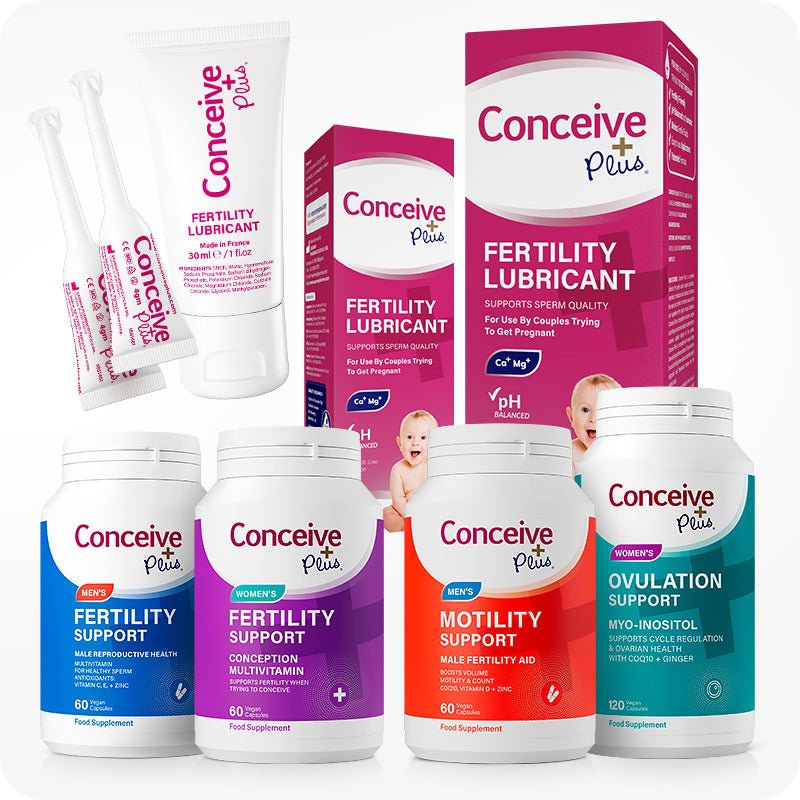
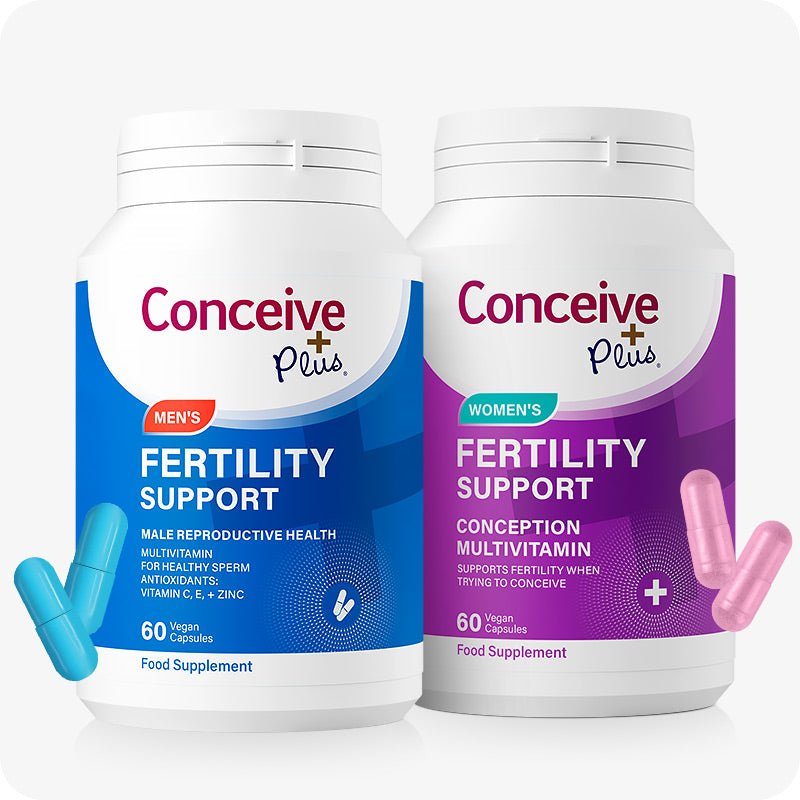
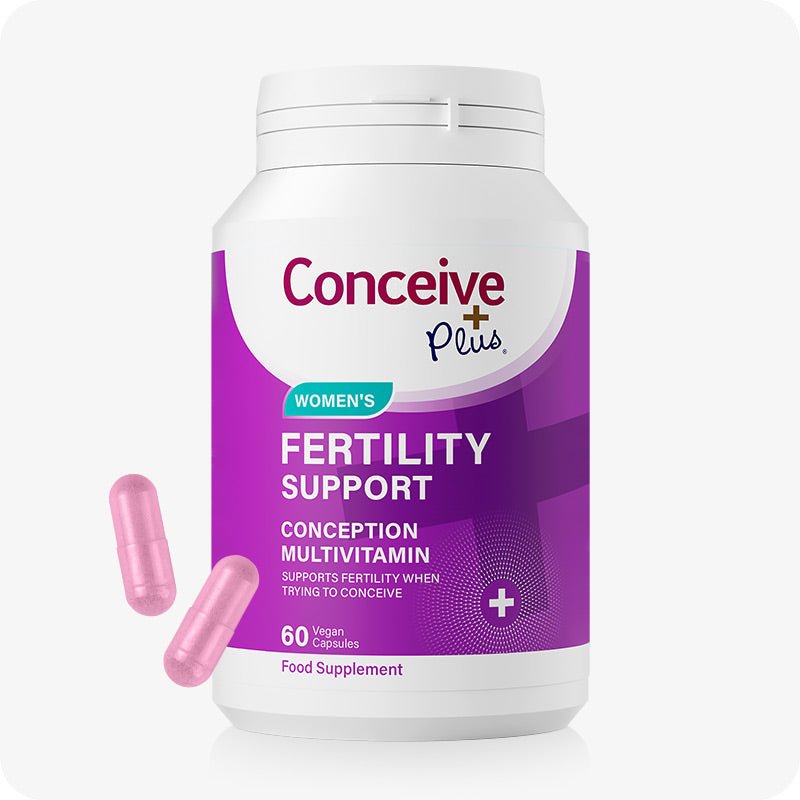
Supplement Support: Certain supplements have demonstrated particular benefit for PCOS. Myo-inositol and D-chiro-inositol have been extensively studied for their ability to improve insulin sensitivity and ovulation rates. The Conceive Plus Women's Fertility Support supplement includes optimal ratios of these inositols alongside other key nutrients needed for hormone balance and egg quality. Chromium, zinc, and vitamin D are also important for women with PCOS and are included in evidence-based doses.
Medical Treatments for PCOS-Related Infertility
When lifestyle modifications alone are insufficient to restore ovulation, medical treatments are available and highly effective. The landscape of PCOS fertility treatment has evolved significantly, and today there are multiple evidence-based options to support women with PCOS in achieving pregnancy.
Ovulation Induction Medications: Letrozole, an aromatase inhibitor, has emerged as the first-line treatment for ovulation induction in women with PCOS, replacing the previously favoured clomiphene citrate. Large randomised controlled trials have demonstrated that letrozole achieves higher live birth rates than clomiphene in women with PCOS. Letrozole works by reducing oestrogen production, which signals the pituitary gland to increase FSH secretion, stimulating follicle growth and ovulation. The typical starting dose is 2.5–5 mg daily for five days, taken on cycle days 3–7.
Clomiphene citrate remains a viable second-line option. It works by blocking oestrogen receptors, which similarly increases FSH production. The typical starting dose is 50 mg daily for five days, starting on cycle day 3–5. Ovulation typically occurs 5–10 days after the last dose. Side effects may include hot flushes, mood swings, and thinning of the uterine lining, which can paradoxically reduce pregnancy rates despite successful ovulation.
Metformin: While metformin is no longer recommended as first-line therapy for ovulation induction alone, it remains an important tool for women with PCOS who have insulin resistance or impaired glucose tolerance. Metformin improves insulin sensitivity, which can lower androgen levels and restore ovulation in some women. It may also improve pregnancy outcomes by reducing the risk of early pregnancy loss, which is elevated in women with PCOS. Extended-release formulations tend to have fewer gastrointestinal side effects.
Gonadotropins: For women who do not respond to oral medications, injectable gonadotrophins (FSH and/or LH) can be used to stimulate follicular development. This approach requires careful monitoring with ultrasound and blood tests to reduce the risk of multiple pregnancy and ovarian hyperstimulation syndrome (OHSS). Gonadotrophin therapy is typically reserved for specialist fertility clinics.
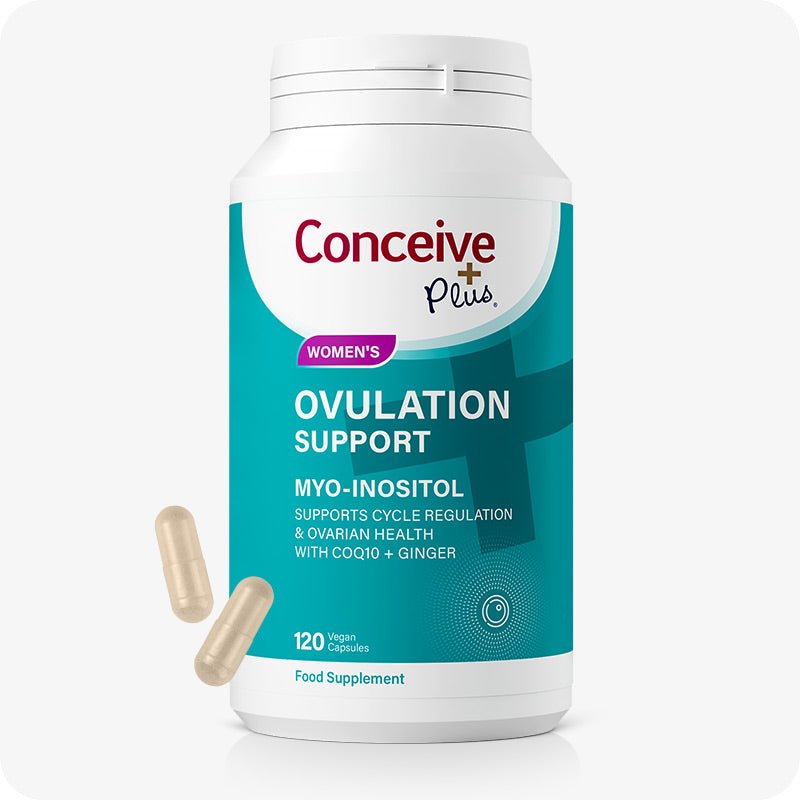
Inositol Supplementation: Myo-inositol and D-chiro-inositol have emerged as evidence-based supplements for PCOS. These compounds act as insulin sensitisers and have been shown to improve ovulation rates, reduce androgen levels, and improve oocyte quality in women with PCOS undergoing fertility treatment. The recommended ratio of myo-inositol to D-chiro-inositol is 40:1, which is the ratio found in Conceive Plus Women's Fertility Support.
Ovulation Tracking for Women with PCOS
For women with PCOS who do ovulate — whether naturally or with medication — accurately identifying the fertile window is essential for maximising conception chances. However, PCOS presents unique challenges for ovulation tracking. Irregular cycles make it difficult to predict when ovulation will occur, and the hormonal abnormalities associated with PCOS can interfere with some tracking methods.
Ovulation Predictor Kits: Standard OPKs detect the LH surge that precedes ovulation. However, women with PCOS often have chronically elevated LH levels, which can produce false-positive OPK results. Some women with PCOS find that digital OPKs, which compare current LH levels to a personalised baseline, are more accurate than traditional line-based tests. Using OPKs in conjunction with other tracking methods can improve accuracy.
Basal Body Temperature: BBT charting is generally reliable for confirming that ovulation has occurred, as progesterone produced after ovulation raises body temperature by approximately 0.2–0.5°C. However, BBT cannot predict ovulation in advance — it only confirms it after the fact. For women with PCOS who have long or irregular cycles, BBT charting can become frustrating as it may require weeks of tracking before ovulation is detected.
Cervical Mucus Monitoring: Observing changes in cervical mucus is one of the most practical and reliable methods for women with PCOS. As oestrogen rises in the days leading up to ovulation, cervical mucus becomes increasingly abundant, clear, and stretchy — resembling raw egg whites. This fertile-quality mucus supports sperm survival and transport. Tracking these changes can help identify your fertile window even when cycles are irregular.
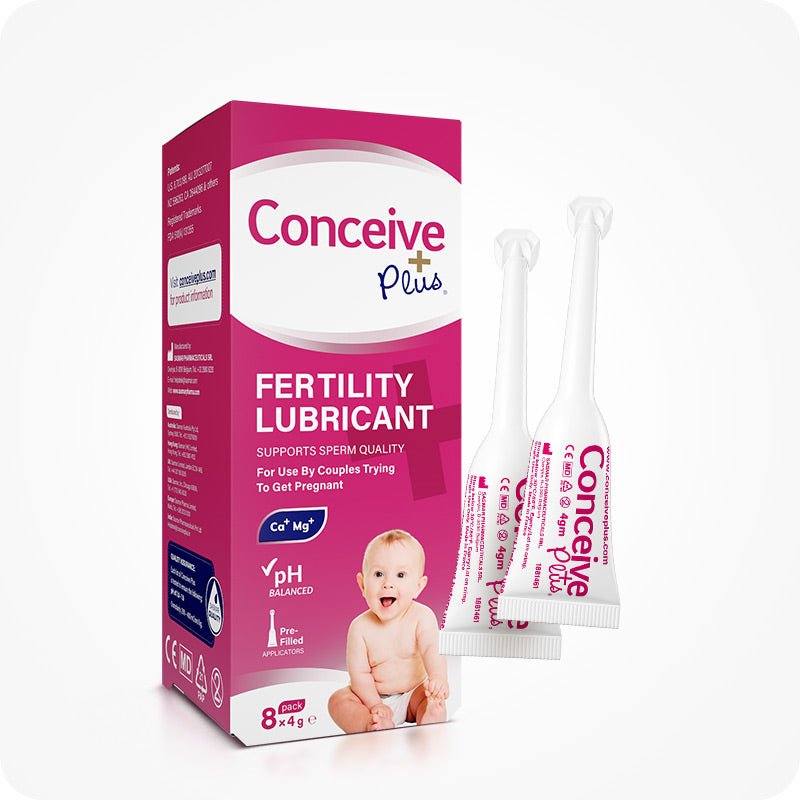
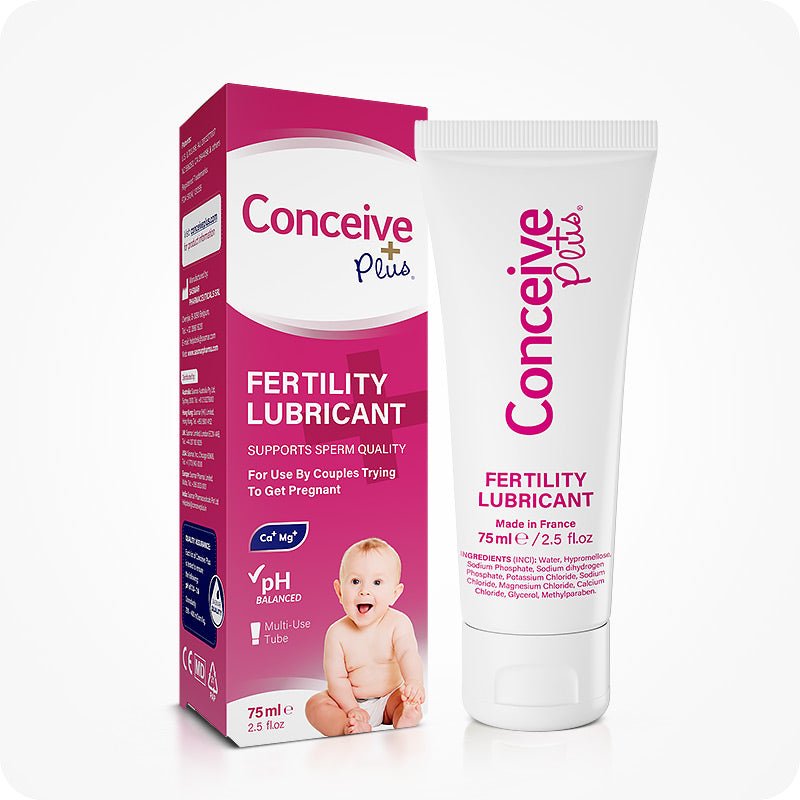
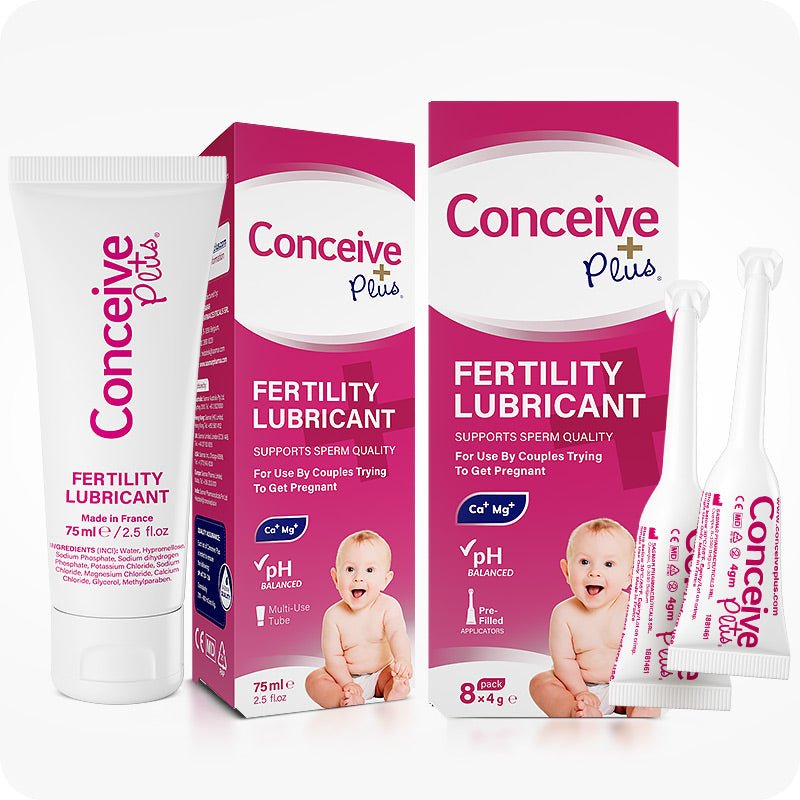
Fertility-Friendly Lubricant: Using Conceive Plus Fertility Lubricant during your fertile window is especially important for women with PCOS. Many women with PCOS experience reduced cervical mucus quality due to hormonal imbalances, and using a sperm-safe lubricant can significantly improve sperm survival and motility. Unlike regular lubricants that can impair sperm function, Conceive Plus is formulated to mimic fertile cervical mucus, creating the ideal environment for conception.
Long-Term Health Considerations with PCOS
Managing PCOS is not just about fertility — it is about lifelong health. Women with PCOS face increased risks of several chronic health conditions, and proactive management can substantially reduce these risks. Regular screening for type 2 diabetes, ideally with an oral glucose tolerance test rather than just fasting glucose, is recommended every 1–3 years depending on risk factors. Blood pressure monitoring and lipid panels should be performed annually.
Endometrial health is another important consideration. The chronic anovulation that characterises PCOS means that the uterine lining is exposed to unopposed oestrogen, which can increase the risk of endometrial hyperplasia and endometrial cancer over time. Using a progestin medication or an intrauterine device that releases progestin can help protect the endometrium. Alternatively, achieving regular ovulation through lifestyle interventions or medication provides natural protection.
Mental health is often overlooked in PCOS management, but the condition is associated with significantly higher rates of depression and anxiety. This is likely due to a combination of hormonal factors, the psychological burden of living with a chronic condition, and the distress associated with symptoms such as hirsutism, acne, and infertility. Screening for depression and anxiety should be part of routine PCOS care.
The good news is that with appropriate management, the vast majority of women with PCOS can achieve pregnancy and go on to have healthy babies. The key is a comprehensive approach that addresses not just ovulation but the underlying metabolic and hormonal imbalances that characterise the condition.
Frequently Asked Questions About PCOS and Fertility
1. Can I get pregnant with PCOS?
Yes, absolutely. While PCOS can make conception more challenging, the vast majority of women with PCOS can achieve pregnancy with appropriate treatment and lifestyle modifications.
2. What is the best diet for PCOS?
A low glycaemic index diet that emphasises whole foods, lean proteins, healthy fats, and plenty of vegetables is generally recommended. The Mediterranean diet has shown particular benefit in research studies.
3. Does metformin help with PCOS fertility?
Metformin can help, particularly in women with insulin resistance. It improves ovulation rates and may reduce miscarriage risk, though it is no longer considered first-line treatment for ovulation induction alone.
4. How long does it take to get pregnant with PCOS?
This varies widely. With appropriate treatment, many women with PCOS conceive within 6–12 months. Factors such as age, weight, and symptom severity all play a role.
5. Can PCOS go away?
PCOS is a chronic condition that does not have a cure, but symptoms can be managed effectively. Many women find that lifestyle modifications significantly improve their symptoms.
6. What supplements help PCOS?
Myo-inositol and D-chiro-inositol have the strongest evidence base for PCOS. Vitamin D, chromium, zinc, and omega-3 fatty acids may also be beneficial. Conceive Plus Women's Fertility Support contains optimal ratios of key nutrients.
7. Does PCOS affect egg quality?
PCOS can affect egg quality, primarily due to the hormonal imbalances that disrupt normal follicular development. Nutritional support, including inositol supplementation, can improve egg quality in women with PCOS.
8. Is IVF more effective for PCOS?
IVF can be effective for PCOS, though women with PCOS are at higher risk of ovarian hyperstimulation syndrome (OHSS). Many women with PCOS conceive successfully with less invasive treatments.
9. Can I ovulate naturally with PCOS?
Some women with PCOS do ovulate naturally, particularly those with milder forms of the condition. Lifestyle modifications like weight loss and dietary changes can restore natural ovulation.
10. Does PCOS affect pregnancy?
Women with PCOS have a higher risk of pregnancy complications including gestational diabetes, preeclampsia, and preterm birth. Close monitoring during pregnancy is recommended.
Living with PCOS can feel overwhelming at times, but you are far from alone, and effective treatments are available. With the right combination of lifestyle changes, medical support, and fertility-focused nutrition, most women with PCOS can achieve their dream of becoming a mother. The Conceive Plus range is designed to support you at every stage of your fertility journey.