Secondary Infertility: Understanding the Challenges of Conceiving a Second Child


Secondary Infertility: Understanding the Challenges of Conceiving a Second Child
Secondary infertility affects countless couples who conceived their first child but struggle to become pregnant again. It remains under-discussed and many feel isolated, believing that having one child should guarantee future pregnancies.
In this guide we explore causes, diagnosis, treatment options, and how to navigate the emotional journey of expanding your family.
What Is Secondary Infertility?
Secondary infertility is the inability to conceive after having previously delivered one or more children. Criteria involve one year of unprotected intercourse without conception for women under 35, or six months for women over 35. Approximately 8 to 12% of couples experience it, accounting for half of all infertility cases.
Common Causes
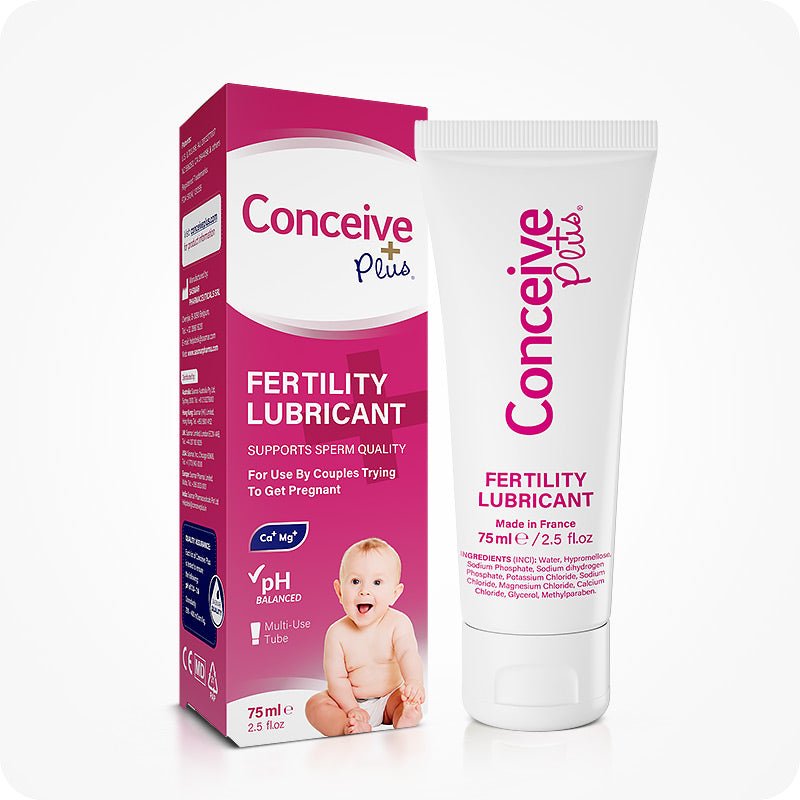
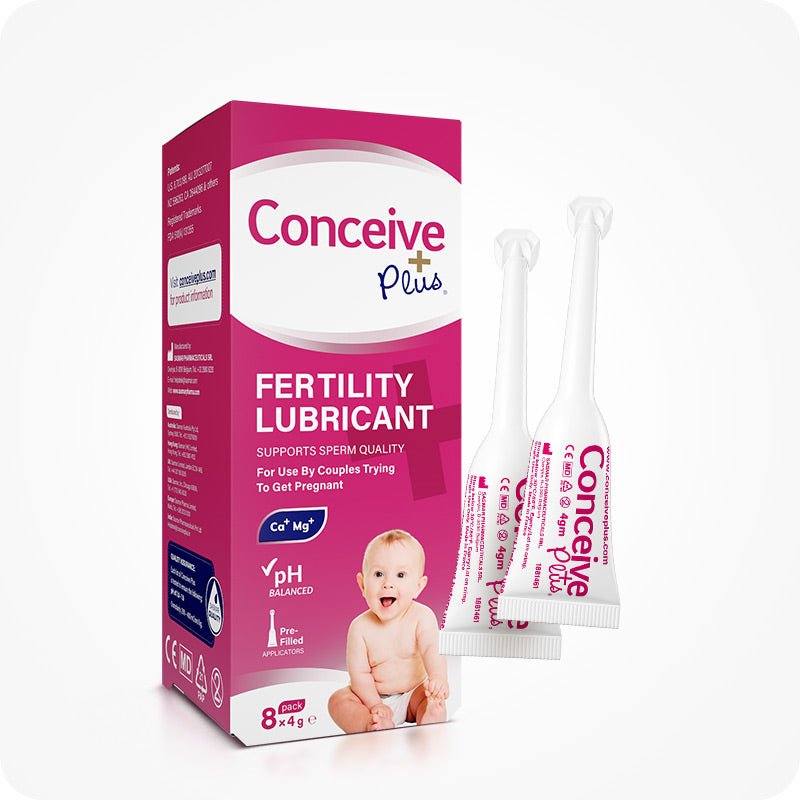
Supporting your body with the right tools makes a real difference. Conceive Plus Fertility Lubricant is clinically tested to create an optimal environment for conception — gentle, effective, and designed with your fertility journey in mind.
Age-related decline: Egg quantity and quality decline after 35. Even if you conceived easily before, your fertility may have changed.
Weight changes: Weight gain or loss since your first pregnancy can disrupt hormonal balance and ovulation.
Endometriosis: Can develop or worsen between pregnancies, causing inflammation and scar tissue.
Uterine or tubal factors: C-sections or infections can create scar tissue or damage fallopian tubes.
Male factors: Male fertility can decline due to age, medications, weight gain, and environmental exposures.
Diagnostic Approach
Ovarian reserve: AMH, FSH, and oestradiol blood tests assess remaining egg supply.
Ovulation assessment: Confirming regular ovulation. PCOS can develop between pregnancies.
Semen analysis: Sperm parameters change over time. Include count, motility, and DNA fragmentation.
Tubal patency: HSG checks whether fallopian tubes are open.
Hysteroscopy/ultrasound: Identifies uterine abnormalities like fibroids or polyps.
Treatment Options
Lifestyle modifications: Improve pregnancy rates by 20 to 30%.
Ovulation induction: Clomiphene or letrozole help regulate ovulation. 40 to 50% conceive within six cycles.
IUI: Washed sperm placed directly into the uterus around ovulation.
IVF: Most effective when other approaches fail.
The Emotional Impact
Couples feel isolated and guilty. Support groups, setting boundaries, and open communication help. Secondary infertility is a medical condition, not a reflection of your worth.
Your fertility journey deserves products you can trust. Conceive Plus Fertility Lubricant is the clinically tested, fertility-friendly choice that supports sperm health and enhances comfort when it matters most.
Frequently Asked Questions
How is secondary infertility different?
Medical causes are similar but the emotional experience differs.
Can it resolve on its own?
Possible, but waiting too long can be counterproductive, especially over 35.
How long before seeking help?
Under 35 try one year. Over 35 seek evaluation after six months.
Is it more common after C-section?
Slightly higher risk, but most women conceive again without difficulty.
Can breastfeeding cause it?
Extended breastfeeding can delay ovulation but does not cause permanent infertility.
Is IVF less effective?
No. Success rates are similar when age and factors match.
Does age affect secondary infertility?
Maternal age is the strongest predictor.
Can stress cause it?
Stress alone does not cause infertility but can affect ovulation and sperm.
What are the best treatments?
IVF offers highest per-cycle success, but less invasive treatments are effective.
Does having a different partner help?
Each partner brings a different fertility profile.