Sperm Health: The Complete Guide to Understanding, Testing, and Boosting Male Fertility


Sperm Health: The Complete Guide to Understanding, Testing, and Boosting Male Fertility
When we talk about fertility, the conversation often centres on women. But male factor infertility contributes to approximately 40-50 percent of all infertility cases worldwide. The good news is that sperm health is highly responsive to lifestyle changes and targeted interventions. In this comprehensive guide, we explore everything you need to know about male fertility - from understanding semen analysis results to evidence-based strategies for improving sperm quality naturally.
Research published in Human Reproduction Update in 2023 revealed that sperm counts have declined by more than 50 percent globally over the past 50 years. This alarming trend has been linked to environmental factors, rising obesity rates, and increased exposure to endocrine-disrupting chemicals. However, the same research demonstrated that lifestyle modifications and targeted supplementation can produce meaningful improvements in sperm parameters within as little as three months.
Understanding Semen Analysis
Semen analysis is the cornerstone of male fertility testing. Sperm concentration: WHO reference is 15 million per mL, but optimal fertility is associated with counts above 40 million per mL. Total motility: at least 40 percent of sperm should be moving, with 32 percent showing progressive motility. Morphology: using strict Kruger criteria, at least 4 percent should have normal shape. Semen volume: 1.5 to 5.0 mL. pH: 7.2 to 8.0.
One abnormal test does not necessarily indicate a problem. Sperm parameters fluctuate based on illness, stress, medications, and abstinence duration. Most specialists recommend two or three tests over several weeks before drawing conclusions.
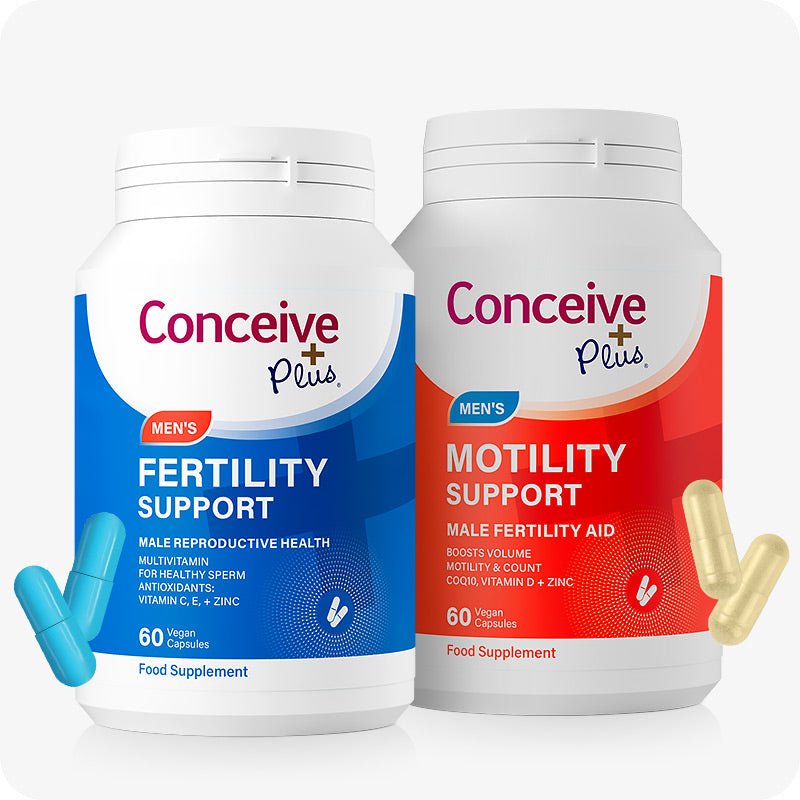
Men ready to take control of their fertility should consider Conceive Plus Men Fertility Support - a comprehensive formula containing CoQ10, zinc, selenium, and key antioxidants specifically formulated to support healthy sperm production and reduce DNA fragmentation.
Lifestyle Factors That Impact Sperm Quality
Temperature and Testicular Health
The testicles need to stay approximately 2-4 degrees Celsius cooler than core body temperature for optimal sperm production. Common culprits raising scrotal temperature include hot baths, saunas, tight underwear, and prolonged sitting. A study in Fertility and Sterility found that men using saunas for 15 minutes twice weekly for three months experienced a temporary 30 percent reduction in sperm count, fully reversible within three months.
Diet and Nutrition
The Mediterranean diet is consistently associated with higher sperm counts and lower DNA fragmentation. Key nutrients include zinc from oysters and pumpkin seeds, selenium from Brazil nuts and eggs, omega-3s from salmon and walnuts, and antioxidant vitamins C and E from berries and citrus fruits.
Exercise and Weight Management
Moderate exercise (three to five hours per week) improves sperm quality by reducing oxidative stress. Obesity is strongly linked to reduced fertility - a 2024 meta-analysis found that men with BMI over 30 had 20 percent lower sperm counts and 30 percent lower motility compared to men with healthy BMI.
Alcohol, Smoking, and Recreational Drugs
Heavy alcohol consumption reduces testosterone and impairs sperm production. Smoking causes significant oxidative stress and DNA damage in sperm. Anabolic steroids are particularly harmful as they suppress natural hormone production entirely.
Medical Conditions Affecting Sperm Health
Varicocele
An enlargement of veins within the scrotum, present in about 15 percent of all men and up to 40 percent of men with infertility. Varicoceles increase testicular temperature and cause oxidative stress. Surgical repair improves sperm parameters in 60-80 percent of cases.
Hormonal Imbalances
Low testosterone, elevated prolactin, or thyroid disorders can affect sperm production. A simple blood test can identify these issues, and many are treatable with medication.
Infections
STIs, prostatitis, and epididymitis can affect sperm health if left untreated. Prompt treatment is essential to prevent long-term damage.
Supplements for Sperm Health
Targeted supplementation can significantly improve sperm parameters within three months. Zinc (15-30 mg daily) improves count and motility. CoQ10 (200-300 mg daily) improves motility and reduces DNA fragmentation. Vitamin C (500-1000 mg daily) protects against oxidative damage. Selenium (200 mcg daily) supports sperm formation. For a comprehensive solution, Conceive Plus Men Fertility Support combines all these key nutrients in clinically studied dosages.
Sperm DNA Fragmentation
Standard semen analysis does not measure DNA integrity, but sperm DNA fragmentation is increasingly recognised as a crucial marker explaining unexplained infertility, failed IVF cycles, and recurrent miscarriage. Causes include oxidative stress, heat exposure, smoking, infections, and advanced paternal age. Antioxidant supplementation and lifestyle modifications can reduce fragmentation.
Frequently Asked Questions
1. How long does it take to improve sperm health?
Sperm production takes approximately 74 days. Allow at least three months of consistent changes before retesting.
2. Can sperm quality improve after age 40?
Yes. While quality declines with age, lifestyle changes and supplementation still produce meaningful improvements.
3. Does alcohol affect sperm health?
Heavy drinking reduces testosterone and impairs production. Even moderate drinking can temporarily affect quality.
4. Can medications affect sperm?
Many medications impact sperm production, including some antidepressants, blood pressure medications, and testosterone replacement therapy.
5. How often should I ejaculate for optimal sperm health?
Every 2-3 days maintains optimal quality. Longer abstinence reduces motility despite increasing volume.
6. Does vaping affect sperm health?
Emerging research suggests vaping, like smoking, harms sperm health through chemical-induced oxidative stress.
7. What is a normal sperm count?
WHO threshold is 15 million per mL, but optimal fertility is associated with counts above 40 million per mL.
8. Can stress affect sperm health?
Yes. Chronic stress elevates cortisol, suppressing testosterone and impairing sperm quality.
9. Can I improve sperm morphology?
Studies show antioxidant supplementation can improve the percentage of normally shaped sperm over 3-6 months.
10. Is male infertility treatable?
Most causes are treatable through lifestyle changes, supplementation, hormonal therapy, or surgical intervention.
Taking Action
Male fertility is not fixed - it responds to the choices you make every day. Start with a semen analysis, then work with a healthcare provider. With consistent effort and the right nutritional support, most men can significantly improve their fertility markers.
Ready to support your fertility? Conceive Plus Men Fertility Support is a comprehensive, evidence-based formula with CoQ10, zinc, selenium, vitamin C, vitamin E, and folate in optimal dosages - providing the nutritional foundation your sperm need to thrive.