The Fertility Diet: Evidence-Based Nutrition Strategies to Boost Your Chances of Conception


Introduction: How Diet Influences Fertility
Nutrition is one of the most powerful modifiable factors affecting fertility—for both women and men. Research increasingly shows that dietary patterns have a significant impact on ovulation, sperm quality, hormone balance, and ultimately, conception success. The food choices you make each day can either support or undermine your body natural reproductive function.
While there is no single magic food that guarantees pregnancy, a growing body of evidence points to specific dietary patterns that are consistently associated with improved fertility outcomes. The Nurses Health Study II, one of the largest and longest-running investigations into women health, found that women who adhered to a fertility-friendly dietary pattern had a 66 percent lower risk of ovulatory infertility compared to those with less optimal diets.
This guide will walk you through the science-backed nutritional strategies that can help optimise your fertility, whether you are just beginning your conception journey or have been trying for some time. We will cover the specific nutrients that matter most, the foods to prioritise and those to limit, and practical tips for implementing these changes in your daily life.
The Mediterranean Diet: The Gold Standard for Fertility
The Mediterranean diet consistently emerges as the most evidence-based dietary pattern for fertility. This way of eating emphasises whole, minimally processed foods with a high intake of vegetables, fruits, legumes, whole grains, nuts, seeds, and olive oil, along with moderate consumption of fish, poultry, and dairy, and limited red meat and sweets.
A 2022 systematic review and meta-analysis published in the journal Nutrients found that women with higher adherence to the Mediterranean diet had significantly higher pregnancy rates and shorter time to pregnancy compared to those with lower adherence. The benefits are thought to stem from the diet anti-inflammatory and antioxidant properties, which support healthy egg development, ovulation, and implantation.
For men, the Mediterranean diet is equally beneficial. Research published in Human Reproduction Update found that men who followed a Mediterranean-style diet had higher sperm counts, better sperm motility, and lower sperm DNA fragmentation compared to men eating a Western-style diet high in processed foods and saturated fats.
The beauty of the Mediterranean diet is that it is not about restriction or deprivation. It is about abundance—filling your plate with colourful vegetables, enjoying healthy fats, savouring fish and seafood, and treating yourself to the occasional glass of red wine and dark chocolate. This makes it a sustainable approach that supports both fertility and overall health.
Key Nutrients for Female Fertility
Several specific nutrients play critical roles in female reproductive health. Folate (the natural form of folic acid) is arguably the most well-known, as it is essential for DNA synthesis and cell division, and adequate intake before and during early pregnancy prevents neural tube defects. The recommended intake for women trying to conceive is 400 to 800 micrograms daily, ideally from a combination of food sources (leafy greens, legumes, citrus fruits) and supplementation.
Iron is another crucial nutrient for fertility. The Nurses Health Study II found that women who took iron supplements had a 40 percent lower risk of ovulatory infertility compared to those who did not. Iron supports healthy ovulation by facilitating oxygen transport to developing follicles. Good sources include lean red meat, spinach, lentils, and fortified cereals. Pairing iron-rich foods with vitamin C (such as a squeeze of lemon juice) enhances absorption.
Omega-3 fatty acids, particularly EPA and DHA found in fatty fish like salmon, sardines, and mackerel, support hormone production and reduce inflammation. Women with higher omega-3 intake have been shown to have better ovarian function and higher IVF success rates. Aim for two to three servings of fatty fish per week, or consider a high-quality fish oil supplement.
Vitamin D is increasingly recognised for its role in fertility. Vitamin D receptors are present throughout the reproductive system, and adequate levels have been associated with better IVF outcomes, higher pregnancy rates, and reduced risk of endometriosis. Sunlight exposure is the most efficient source, but supplementation may be necessary, particularly during winter months or for those with limited sun exposure.
Coenzyme Q10 (CoQ10) is an antioxidant that supports mitochondrial function and egg quality. As women age, natural CoQ10 levels decline, which may contribute to age-related fertility decline. Supplementation with CoQ10 has shown promise in improving ovarian response and embryo quality in women undergoing IVF.
Key Nutrients for Male Fertility
Male fertility is just as dependent on nutrition as female fertility. The production of healthy sperm requires an adequate supply of specific nutrients, and deficiencies can significantly impair sperm quality. Zinc is perhaps the most critical mineral for male reproductive health—it is essential for testosterone production, sperm formation, and sperm motility. Oysters are famously rich in zinc, but other good sources include red meat, poultry, beans, nuts, and whole grains.
Selenium is another important antioxidant mineral that protects sperm from oxidative damage. Studies have found that selenium supplementation can improve sperm motility and morphology in men with low selenium levels. Brazil nuts are the richest dietary source—just two nuts per day can provide adequate selenium.
Vitamin C is a powerful antioxidant that protects sperm DNA from damage caused by free radicals. Studies have shown that men with higher vitamin C intake have lower sperm DNA fragmentation rates. Citrus fruits, berries, kiwi, bell peppers, and broccoli are excellent sources.
L-carnitine and acetyl-L-carnitine are amino acids that play a key role in sperm energy metabolism. Supplementation with these compounds has been shown to improve sperm motility and concentration in men with asthenozoospermia (low sperm motility).
Foods to Avoid When Trying to Conceive
Just as some foods support fertility, others can undermine it. Highly processed foods, particularly those high in refined carbohydrates and added sugars, can disrupt blood sugar regulation and hormone balance. A diet high in sugary drinks, white bread, pastries, and processed snacks is associated with longer time to pregnancy and higher rates of ovulatory infertility.
Trans fats, found in fried foods, baked goods, and many processed snacks, are particularly detrimental to fertility. Research from the Harvard School of Public Health found that women who consumed the most trans fats had a 73 percent higher risk of ovulatory infertility compared to those who consumed the least. Check ingredient lists for partially hydrogenated oils and avoid them whenever possible.
Excessive alcohol consumption can impair fertility in both women and men. While moderate alcohol intake (one drink per day or less) may not significantly affect fertility, heavy drinking (more than two drinks per day) is associated with ovulation problems, reduced sperm quality, and longer time to pregnancy. Many fertility specialists recommend limiting alcohol to special occasions or avoiding it altogether during conception efforts.
Caffeine is a more nuanced topic. Moderate caffeine intake (under 200 mg per day, roughly one to two cups of coffee) appears safe for fertility, but higher intakes have been associated with increased time to pregnancy and higher miscarriage risk. Consider switching to decaf or herbal tea for additional cups beyond your first.
Practical Meal Planning for Fertility
Translating nutrition science into practical daily habits can feel overwhelming, but it does not need to be complicated. Start with small, sustainable changes rather than attempting a complete dietary overhaul overnight. A simple framework is to aim for a plate that is half vegetables, one-quarter lean protein, and one-quarter complex carbohydrates at each meal, with healthy fats added for flavour and satiety.
Breakfast might include scrambled eggs with spinach and mushrooms (protein and folate), whole-grain toast (complex carbohydrates), and half an avocado (healthy fats). Lunch could be a large salad with mixed greens, chickpeas, grilled chicken, cherry tomatoes, cucumber, and a dressing of olive oil and lemon juice. Dinner might feature baked salmon with roasted sweet potatoes and steamed broccoli.
Snacks are an opportunity to boost nutrient intake. A handful of walnuts and berries provides omega-3s and antioxidants. Greek yoghurt with pumpkin seeds offers protein and zinc. Hummus with vegetable sticks delivers fibre, protein, and iron. Keeping healthy snacks readily available makes it easier to avoid reaching for processed options when hunger strikes.
Meal prepping can be a game-changer for maintaining a fertility-friendly diet on busy days. Spend an hour or two on the weekend washing and chopping vegetables, cooking grains and legumes, and preparing proteins. Having these building blocks ready makes it simple to assemble nutritious meals throughout the week without resorting to takeaway or convenience foods.
Body Weight and Fertility
Body weight has a profound impact on fertility through its effects on hormone balance and ovulation. Both underweight (BMI below 18.5) and overweight (BMI above 25) are associated with increased time to pregnancy and higher rates of infertility. The relationship between weight and fertility is largely mediated through insulin and leptin signalling, which influence the hormonal cascade that regulates ovulation.
For women who are overweight, even modest weight loss of 5 to 10 percent of body weight can significantly improve fertility outcomes. This degree of weight loss is often sufficient to restore ovulation in women with ovulatory disorders such as PCOS, and it also improves response to fertility treatments. Importantly, weight loss achieved through a combination of dietary changes and physical activity is more effective than diet alone.
For women who are underweight, gaining weight to achieve a healthy BMI is equally important. Insufficient body fat can disrupt the production of oestrogen and other reproductive hormones, leading to irregular or absent ovulation. Working with a registered dietitian can help develop a weight gain plan that supports both fertility and overall health.
Supplements: What Actually Works?
While whole foods should always be the foundation of your nutrition, certain supplements can fill nutritional gaps and provide targeted support for fertility. A high-quality prenatal vitamin is recommended for all women trying to conceive. Look for one that contains at least 400 micrograms of folic acid (or 800 micrograms for optimal protection), along with iron, vitamin D, iodine, and omega-3s.
In addition to a prenatal, some women may benefit from targeted supplements based on their specific needs. Coenzyme Q10 is particularly recommended for women over 35 or those with diminished ovarian reserve. Myo-inositol is beneficial for women with PCOS. Vitamin D supplementation is advisable for those with known deficiency or limited sun exposure.
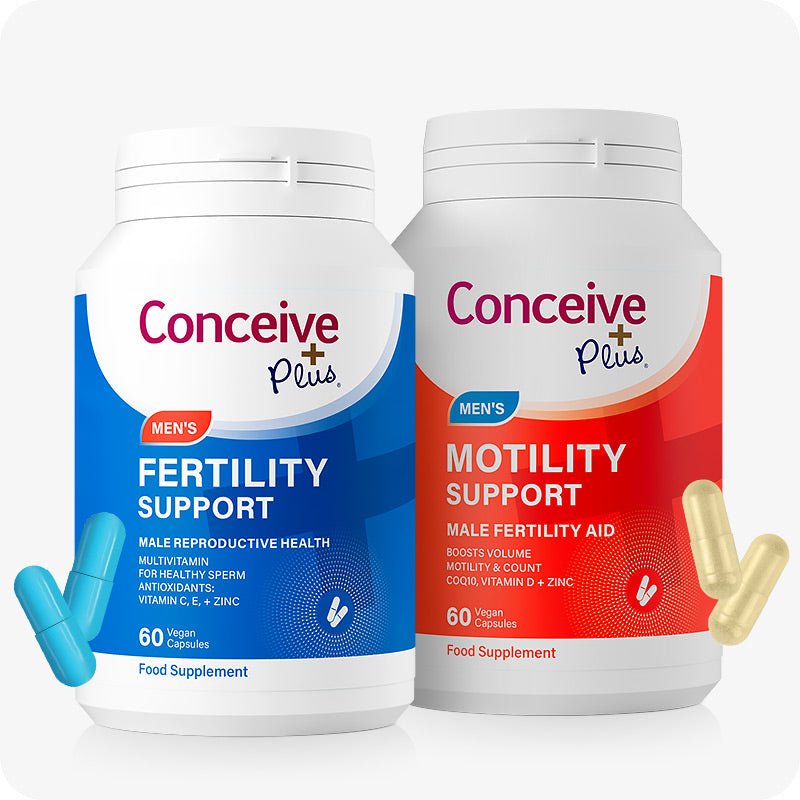
For men, a comprehensive male fertility supplement containing zinc, selenium, vitamin C, vitamin E, and CoQ10 can support sperm health. Conceive Plus Men Fertility Support provides a complete blend of these nutrients in clinically relevant doses, making it a convenient option for men looking to optimise their fertility through nutrition.
Frequently Asked Questions
How long does it take for diet changes to affect fertility?
Egg development takes approximately 90 to 120 days, and sperm production takes about 74 days. Allow at least three months of consistent dietary changes before expecting to see improvements in fertility outcomes.
Can a poor diet cause infertility?
While diet alone is rarely the sole cause of infertility, poor nutrition is a significant contributing factor. A diet lacking in essential nutrients or high in processed foods can impair ovulation, sperm quality, and hormone balance.
Is organic food necessary for fertility?
While organic produce reduces exposure to pesticides, research has not conclusively shown that eating organic improves fertility outcomes. Prioritise eating plenty of fruits and vegetables regardless of whether they are organic.
Does dairy affect fertility?
Full-fat dairy appears to be beneficial for fertility, while low-fat dairy may slightly impair ovulation. Choose full-fat yoghurt, milk, and cheese in moderation.
Can soy affect fertility?
Soy contains phytoestrogens that can theoretically affect hormone balance, but research shows that moderate soy consumption does not impair fertility and may even be beneficial for some women.
Should I take folic acid before conceiving?
Yes. Folic acid supplementation is recommended for all women trying to conceive, ideally starting at least three months before attempting pregnancy.
Does intermittent fasting affect fertility?
Intermittent fasting is not recommended for women actively trying to conceive, as it may disrupt hormone balance and ovulation. Consistent, adequate nutrition throughout the day supports reproductive function.
Can protein shakes help with fertility?
Whole food protein sources are preferable, but protein shakes can be a convenient option if they are low in added sugars and artificial ingredients. Whey protein may slightly increase insulin levels, so plant-based options may be preferable for some women.
What drinks are best for fertility?
Water is the best choice. Herbal teas such as red raspberry leaf, nettle, and chamomile can also be beneficial. Limit caffeine and avoid sugary drinks.
How important is hydration for fertility?
Adequate hydration is essential for optimal cervical mucus production, which plays a key role in sperm transport and survival. Aim for eight to ten glasses of water per day.