PCOS and Fertility: Understanding Your Options


PCOS and Fertility: Understanding Your Options
Polycystic ovary syndrome (PCOS) is the most common hormonal disorder in women of reproductive age, affecting an estimated 1 in 10 women worldwide. Yet despite its prevalence, PCOS remains widely misunderstood — particularly when it comes to its impact on fertility. If you've been diagnosed with PCOS and are trying to conceive, this guide is for you. We'll cover what PCOS actually means for your reproductive health, why ovulation is often disrupted, and most importantly, what you can do to improve your chances of getting pregnant.
What Is PCOS and How Does It Affect Fertility?
PCOS is a complex endocrine disorder characterized by a combination of symptoms that can include irregular or absent periods, elevated androgens (male hormones), and the presence of multiple small follicles (cysts) on the ovaries visible on ultrasound. Not everyone with PCOS has all three features, and the condition presents very differently from woman to woman.
At its core, PCOS disrupts the delicate hormonal cascade required for regular ovulation. In a normal menstrual cycle, the pituitary gland releases follicle-stimulating hormone (FSH), which triggers one follicle to mature and release an egg at ovulation. In PCOS, this process is often disrupted — multiple follicles begin to develop but none reaches full maturity and releases an egg. Instead, the follicles remain as small cysts on the ovary.
Elevated levels of luteinizing hormone (LH) and insulin resistance are typically at the root of this disruption. Insulin resistance — a key feature in up to 70% of PCOS cases — causes the body to produce more insulin, which in turn signals the ovaries to produce more androgens (like testosterone). Elevated androgens interfere with follicle maturation and suppress normal ovulation.
The fertility impact is significant: PCOS is responsible for up to 80% of cases of anovulatory infertility (infertility due to failure to ovulate). However, it's crucial to understand that PCOS doesn't mean you cannot get pregnant. With the right approach, the vast majority of women with PCOS do conceive — many naturally, and many with the support of fertility treatments.
Diagnosing PCOS: What to Expect
Supporting your fertility journey, naturally.
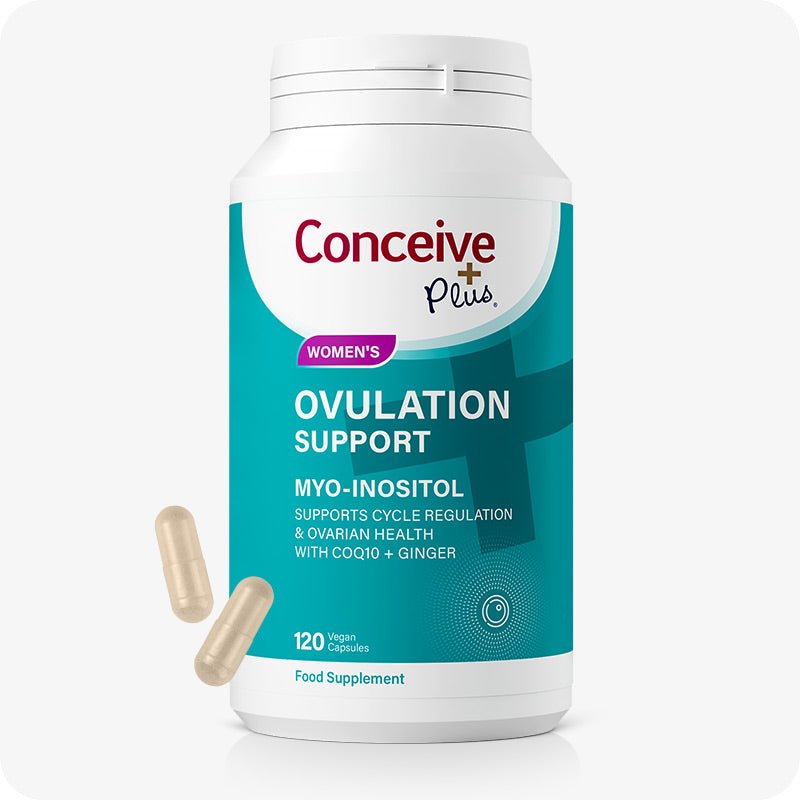
Trusted by couples worldwide, Conceive Plus Ovulation Support is clinically formulated to support supporting ovulation and hormonal balance.
Explore Conceive Plus →PCOS is diagnosed using the Rotterdam criteria, which require at least two of the following three features:
- Irregular or absent ovulation (evidenced by irregular periods — fewer than 9 per year, or cycles longer than 35 days)
- Clinical or biochemical signs of elevated androgens (excess facial or body hair, acne, male-pattern hair thinning, or elevated testosterone on blood tests)
- Polycystic ovaries on ultrasound (12 or more follicles in at least one ovary, or ovarian volume greater than 10 mL)
Your GP or gynaecologist will typically also rule out other conditions that can cause similar symptoms, such as congenital adrenal hyperplasia, thyroid dysfunction, and hyperprolactinaemia. Blood tests for LH, FSH, testosterone, DHEAS, thyroid function, and a glucose tolerance test to assess insulin resistance are standard parts of the workup.
It's worth noting that PCOS diagnosis can sometimes take time. Many women are told their periods are "just irregular" for years before receiving a proper diagnosis. Advocating for thorough testing is important, particularly if you're experiencing irregular cycles and are trying to conceive.
Lifestyle Strategies That Can Restore Ovulation
For many women with PCOS — particularly those who are overweight — lifestyle modifications can be remarkably effective at restoring regular ovulation without the need for medication. This isn't about "losing weight" as a superficial goal; it's about the profound impact that even modest weight loss has on insulin sensitivity and hormonal balance.
Weight Loss and Insulin Sensitivity
Research consistently shows that losing as little as 5–10% of body weight can restore regular ovulation in women with PCOS who are overweight. A landmark study published in the Journal of Clinical Endocrinology & Metabolism found that 6 months of lifestyle modification (diet and exercise) resulted in spontaneous ovulation in 60% of previously anovulatory women with PCOS. These results rival those achieved with ovulation-inducing medications.
Low-GI, Anti-Inflammatory Diet
Reducing refined carbohydrates and choosing low-glycaemic index (GI) foods is particularly important for PCOS because of its link to insulin resistance. Swapping white bread for sourdough, choosing brown rice over white, and prioritizing vegetables, legumes, and lean protein can significantly improve insulin sensitivity over time.
Anti-inflammatory foods — including fatty fish, olive oil, nuts, seeds, and a rainbow of colourful vegetables — can also help address the low-grade chronic inflammation that is increasingly recognized as a component of PCOS.
Regular Exercise
Both aerobic exercise (walking, cycling, swimming) and resistance training improve insulin sensitivity and can restore ovulation in PCOS. Current guidelines recommend at least 150 minutes of moderate-intensity aerobic activity per week, with strength training 2–3 times per week. Even a 30-minute daily walk can make a meaningful difference.
Stress Management
Chronic stress elevates cortisol, which further disrupts hormonal balance in PCOS. Mindfulness practices, yoga, adequate sleep, and addressing anxiety or depression — all common in PCOS — are important parts of a holistic management approach.
Medical Treatments for Ovulation Induction
When lifestyle changes alone are insufficient, several medical treatments can stimulate ovulation in women with PCOS. Your fertility specialist will recommend an approach based on your specific situation:
Letrozole (First-Line Treatment)
Letrozole is now widely considered the first-line ovulation induction agent for PCOS. Multiple large randomised trials, including the landmark PPCOS II trial, have shown that letrozole produces higher ovulation rates, higher live birth rates, and lower multiple pregnancy rates than clomiphene citrate. It works by temporarily lowering oestrogen levels, which triggers the pituitary gland to release more FSH and stimulate follicle development.
Letrozole is typically prescribed at doses of 2.5–7.5 mg for 5 days early in the menstrual cycle (days 3–7). Most women ovulate within the first few cycles of treatment.
Clomiphene Citrate
Clomiphene has been used for decades to induce ovulation in PCOS and is still widely used. It works by blocking oestrogen receptors in the hypothalamus, triggering increased FSH production. While effective (ovulation rates of 70–85%), clomiphene carries a higher risk of multiple pregnancy (5–8% twin rate) and, with long-term use, can reduce endometrial thickness and cervical mucus quality, which may paradoxically hinder implantation.
Metformin
Metformin is an insulin-sensitising medication primarily used in type 2 diabetes, but it's commonly prescribed in PCOS to address insulin resistance. It can improve menstrual regularity, reduce androgens, and improve ovulation rates. It's often used in combination with letrozole or clomiphene to enhance response, particularly in women with significant insulin resistance.
Gonadotropins
If oral ovulation induction fails, injectable gonadotropins (FSH ± LH) can be used under careful monitoring to stimulate follicle development. This approach requires regular ultrasound monitoring to minimize the risk of hyperstimulation and multiple pregnancy.
Laparoscopic Ovarian Drilling
This surgical procedure, performed laparoscopically, involves creating small holes in the ovarian tissue using laser or electrical energy. It reduces androgen-producing ovarian tissue and can restore regular ovulation for months to years. It's typically reserved for women who don't respond to oral ovulation induction, as it carries surgical risks.
IVF
In vitro fertilisation is highly effective for PCOS-related infertility, particularly when combined with the freeze-all strategy to eliminate the risk of ovarian hyperstimulation syndrome (OHSS) — a more common complication in PCOS due to the high number of follicles. Success rates with IVF for PCOS are generally very good, particularly in younger women.
PCOS and Miscarriage Risk
Some studies suggest a slightly elevated risk of early pregnancy loss in women with PCOS, possibly related to elevated LH, insulin resistance, and increased androgens. However, many women with PCOS carry pregnancies to term without any complications. Managing insulin resistance (through lifestyle and, if needed, metformin), maintaining a healthy weight, and optimizing progesterone support in early pregnancy can help mitigate this risk. Your fertility specialist can advise on whether additional support is appropriate for you.
Supplements That May Support PCOS and Fertility
Several supplements have evidence supporting their use in PCOS:
- Inositol (Myo-inositol and D-chiro-inositol): These compounds improve insulin signalling and have been shown in multiple trials to restore ovulation, improve egg quality, and reduce androgen levels in PCOS. A 2:1 ratio of myo-inositol to D-chiro-inositol is currently the most studied combination.
- NAC (N-acetylcysteine): An antioxidant that improves insulin sensitivity and has shown promise in inducing ovulation in PCOS, with some trials showing comparable results to metformin.
- Vitamin D: Deficiency is extremely common in PCOS and is associated with worse insulin resistance and hormonal imbalance. Supplementation should be guided by blood levels.
- Omega-3 fatty acids: Help reduce inflammation, lower triglycerides, and may modestly improve androgen levels in PCOS.
- Magnesium: Often deficient in PCOS; supports insulin signalling and glucose metabolism.
Always discuss supplements with your healthcare provider before starting, as they can interact with medications and may not be appropriate for everyone.
Emotional Wellbeing with PCOS
Living with PCOS — especially when trying to conceive — can take a significant emotional toll. Irregular cycles make it hard to know when you're ovulating, which can make timing intercourse feel stressful and uncertain. Visible symptoms like hair growth, acne, or weight gain can affect self-esteem. The uncertainty of each month can lead to anxiety and emotional exhaustion.
It's important to acknowledge these feelings and seek support when needed. Many women find peer support groups (online or in person) invaluable for sharing experiences and strategies. Therapy — particularly cognitive-behavioural therapy (CBT) — can help manage the anxiety and depression that frequently accompany PCOS. Open communication with your partner about how PCOS is affecting you emotionally is equally important.
Frequently Asked Questions About PCOS and Fertility
Q: Can I get pregnant naturally with PCOS?
A: Yes, absolutely. Many women with PCOS conceive naturally, particularly if they do ovulate (even irregularly) and there are no other fertility factors involved. Lifestyle changes that improve insulin sensitivity and hormonal balance can restore regular ovulation in many women. However, if periods are very irregular or you've been trying for some time without success, it's wise to see a fertility specialist.
Q: How do I know if I'm ovulating with PCOS?
A: Ovulation predictor kits (OPKs) can be tricky with PCOS because elevated LH levels can cause false positives, and multiple LH surges may occur without actual ovulation. Temping (basal body temperature tracking) to confirm a sustained temperature rise, monitoring cervical mucus, and regular ultrasound monitoring under medical supervision are more reliable approaches.
Q: Is PCOS genetic?
A: PCOS has a strong genetic component. Women with a mother or sister with PCOS have approximately a 50% chance of developing it themselves. However, genetics are not destiny — lifestyle factors significantly influence how severely PCOS manifests.
Q: Does PCOS go away after pregnancy?
A: PCOS doesn't "go away," but hormonal shifts during and after pregnancy can temporarily affect symptoms. Some women notice improved cycle regularity after pregnancy, while others return to their pre-pregnancy patterns relatively quickly. Long-term management of PCOS is important for overall health, regardless of pregnancy.
Q: What is the best diet for PCOS and fertility?
A: A low-GI, anti-inflammatory diet appears most beneficial. This includes plenty of non-starchy vegetables, whole grains (oats, brown rice, quinoa), lean protein (fish, poultry, legumes), healthy fats (avocado, olive oil, nuts), and minimal refined carbohydrates and added sugars. The Mediterranean diet pattern has strong evidence for both PCOS management and fertility improvement.
Q: Should I take inositol for PCOS?
A: Inositol has a strong evidence base for PCOS and is generally safe and well-tolerated. Many fertility specialists recommend it as a first-line supplement for PCOS, either as a standalone treatment or alongside medical management. Discuss with your doctor to ensure it's appropriate for your specific situation.
Q: How long does it take to get pregnant with PCOS?
A: This varies enormously depending on the severity of PCOS, whether ovulation is occurring, age, and other fertility factors. Some women conceive within months of lifestyle changes or ovulation induction treatment, while others may need more intensive intervention. Working closely with a reproductive endocrinologist can help establish a personalised timeline and treatment plan.
Q: Is PCOS associated with higher miscarriage risk?
A: Some studies suggest a modestly elevated miscarriage risk in PCOS, possibly related to insulin resistance and hormonal factors. However, many women with PCOS have successful pregnancies. Optimising insulin sensitivity, maintaining a healthy weight, and working closely with your doctor in early pregnancy can help support a healthy outcome.
Q: Can stress make PCOS worse?
A: Yes. Chronic stress elevates cortisol, which can worsen insulin resistance and androgen excess in PCOS, creating a challenging cycle. Stress management — regular exercise, mindfulness, adequate sleep, therapy — is a genuinely important part of PCOS management, not just a "nice to have."
Q: Can I do IVF with PCOS?
A: Yes, and outcomes are generally very good. The main consideration is the elevated risk of ovarian hyperstimulation syndrome (OHSS) due to the high number of follicles. Many specialists recommend a freeze-all strategy — freezing all embryos and transferring in a subsequent cycle — to significantly reduce OHSS risk while preserving excellent pregnancy rates.
Conclusion
A PCOS diagnosis does not mean you cannot become a parent. With the right information, the right medical team, and a proactive approach to your health, the majority of women with PCOS can and do conceive. The journey may look different from what you imagined, but it is very much possible. Whether through lifestyle changes that restore natural ovulation, ovulation induction medications, or assisted reproductive technologies, there is a pathway to parenthood for almost every woman with PCOS.
Focus on what you can control — your diet, your exercise habits, your stress levels, your sleep — and work in close partnership with a fertility specialist who understands PCOS well. And above all, be patient with yourself. PCOS is a complex condition, and managing it while trying to conceive requires resilience and self-compassion. You're doing something remarkable by educating yourself and advocating for your health.
Supporting your fertility journey, naturally.
Trusted by couples worldwide, Conceive Plus Ovulation Support is clinically formulated to support supporting ovulation and hormonal balance.
Explore Conceive Plus →