"...after a LONG struggle (like, years) - BAM Pregnant first month"


Pregnancy tips to help you conceive
The time to start working toward a healthy pregnancy is before you conceive. If you are trying to get pregnant quick, our pregnancy tips are good start to get your body ready for conception process. Read more hereMore about Conceive Plus

✨ Trying to Conceive?
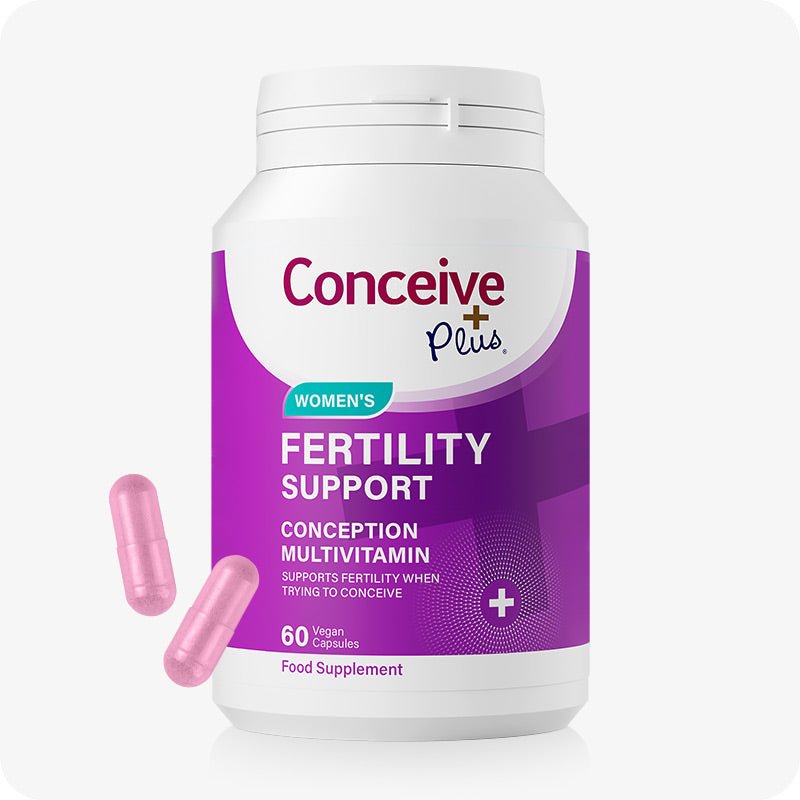
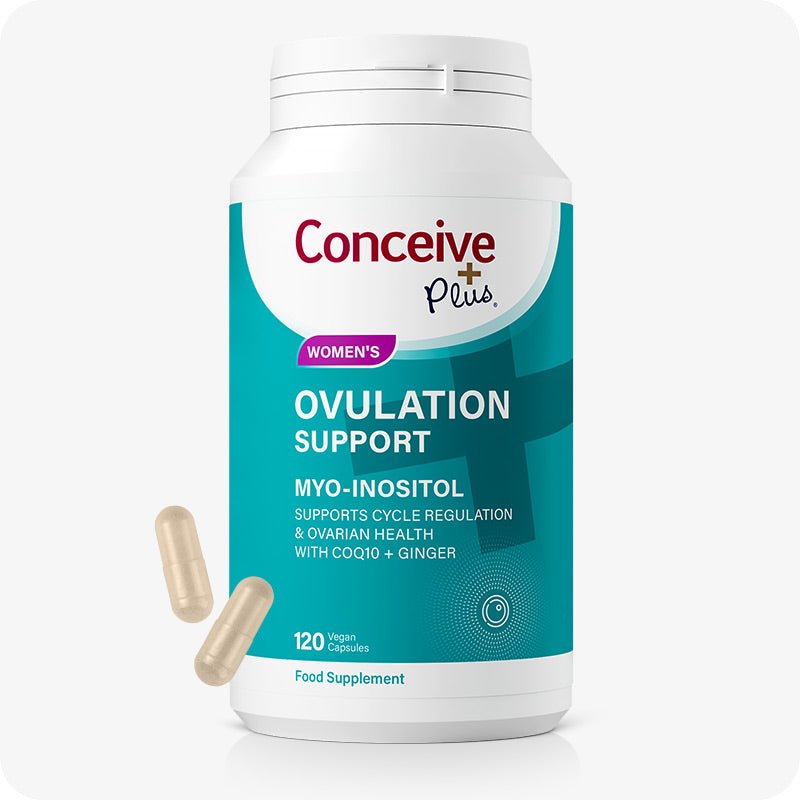
Our fertility supplements combine Myo-Inositol with essential vitamins to support healthy hormone balance and regular ovulation.
Shop Now — $36.00✓ Free shipping available | ✓ Trusted by millions of couples worldwide
🌱 Support Your Fertility Journey
Conceive Plus fertility supplements are clinically formulated to help regulate your cycle and support egg quality.
Shop Fertility Support →Frequently Asked Questions
Recommended by Fertility Experts
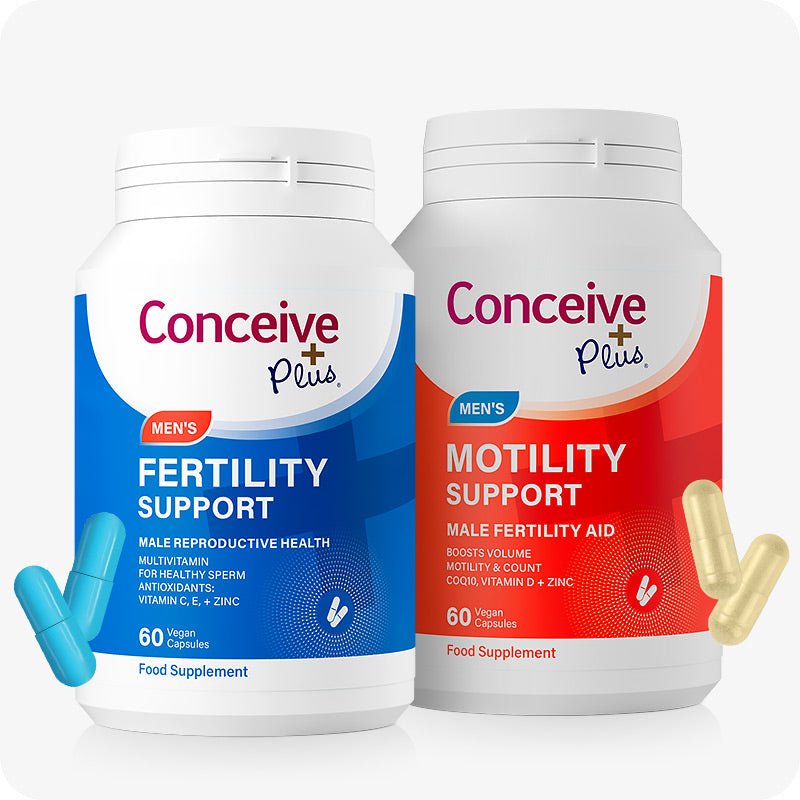
Conceive Plus Men's Fertility Support
Designed to support healthy sperm production, motility, and overall male reproductive health with clinically studied nutrients.
Shop Now →How long should you try to conceive before seeing a GP in the UK?
The NHS recommends visiting your GP if you haven't conceived after one year of regular unprotected sex, or after six months if you're over 36. According to the NHS, around 1 in 7 UK couples experience fertility issues, so don't hesitate to seek advice if you're concerned about your fertility journey.
Can fertility lubricants actually help you get pregnant?
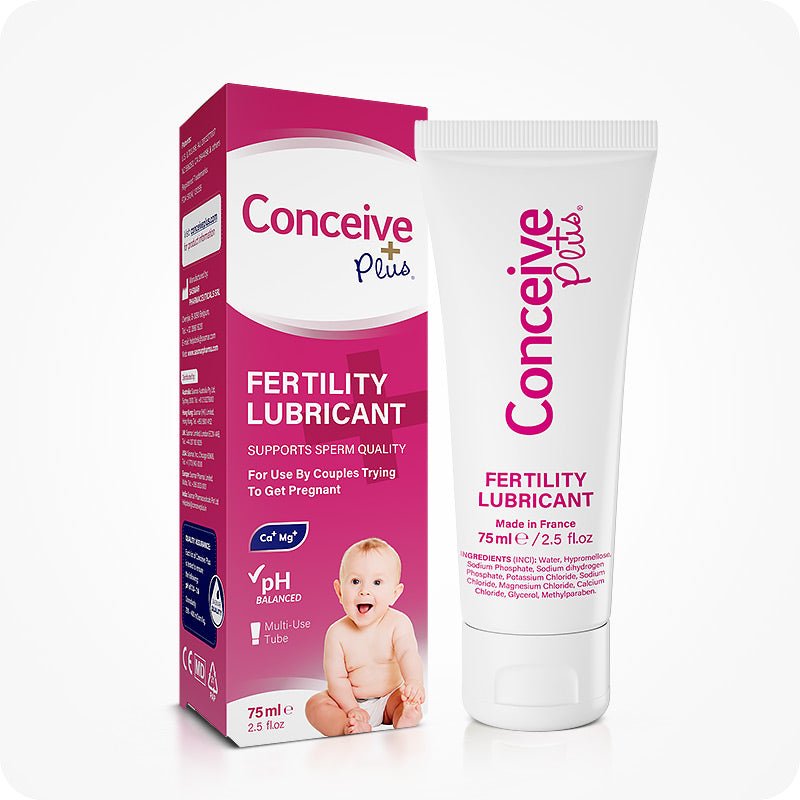
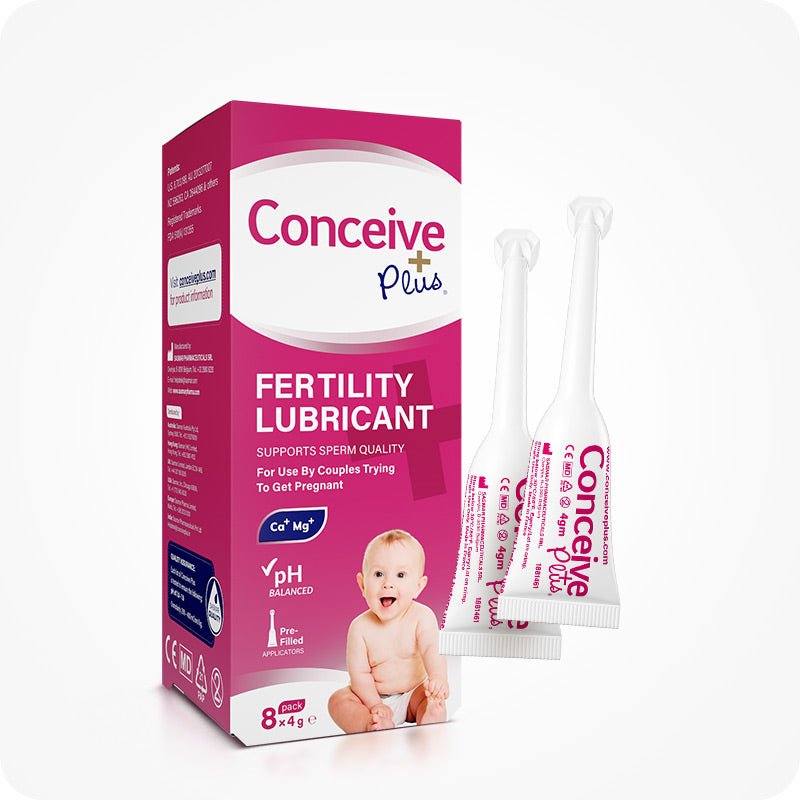
Fertility-friendly lubricants like Conceive Plus are specifically formulated to be sperm-safe, unlike regular lubricants which can impair sperm motility. Whilst they won't treat underlying fertility conditions, they can support the conception process by creating an environment that allows sperm to move more freely towards the egg.
What fertility supplements should I take when trying to conceive in the UK?
The NHS recommends taking 400 micrograms of folic acid daily before conception and during the first 12 weeks of pregnancy. Many women also choose supplements containing Myo-Inositol, which may help support hormone balance and regular ovulation, particularly for those with irregular cycles.
How do I get referred for fertility treatment on the NHS?
Your first step is booking an appointment with your GP, who will carry out initial tests and refer you to a fertility specialist if needed. Be aware that NHS fertility treatment eligibility varies by Integrated Care Board (formerly CCG), with different areas having different criteria regarding age, BMI, and whether you already have children.
Why am I not getting pregnant even though everything is normal?
Unexplained infertility affects around 25% of couples struggling to conceive, according to NICE guidelines. Even with no identifiable issues, factors like timing, stress, lifestyle, and subtle hormonal imbalances can affect your chances—which is why many couples find that optimising their overall health and using fertility-supportive products can make a difference.
What lifestyle changes can boost fertility when TTC?
The NHS recommends maintaining a healthy weight, reducing alcohol intake, stopping smoking, and managing stress levels to improve your chances of conceiving. Both partners should focus on eating a balanced diet rich in vitamins and minerals, as male fertility is equally important in the conception process.
How long are NHS fertility treatment waiting times in the UK?
NHS waiting times for fertility treatment vary significantly across the UK, with some areas having waits of 12 months or longer for IVF. The HFEA recommends checking with your local Integrated Care Board about current waiting times and eligibility criteria, as these can change and differ considerably between regions.
Trusted by Couples in Over 70 Countries
Support Male Fertility From the Inside Out
Male fertility is just as important as female fertility in the conception journey. Conceive Plus Men's range delivers targeted nutritional support to promote healthy sperm and overall reproductive wellbeing.
Shop Men's Range →