Sperm Health: The Complete Science-Based Guide to Improving Sperm Quality for Conception


Sperm health is a topic that has long been underemphasised in conversations about conception — yet the evidence is unequivocal: sperm quality is a decisive factor in whether conception occurs, how quickly it happens, and whether a resulting pregnancy remains viable. Understanding what constitutes healthy sperm, what damages it, and how to protect and improve it puts men in control of a meaningful part of the conception equation.
This guide synthesises the current scientific consensus on sperm health — covering the biology of sperm production, the parameters that matter, the lifestyle factors that most powerfully affect them, and the evidence-based nutritional interventions that can make a real difference.
How Sperm Are Made
Spermatogenesis — the production of sperm — is a continuous process that occurs in the testes throughout a man's reproductive life. It begins with spermatogonial stem cells that line the seminiferous tubules and takes approximately 72 to 74 days from initiation to the production of a mature spermatozoon.
After production, sperm spend approximately two to three weeks travelling through the epididymis — a coiled tube at the back of each testis — where they undergo the final stages of maturation, acquiring their capacity for progressive motility. Mature sperm are stored in the epididymis until ejaculation.
The 74-day production cycle has an important practical implication: changes to lifestyle, nutrition, or supplementation take approximately three months to manifest as measurable differences in semen quality. Conversely, it also means that damage from illness, heat exposure, medication, or toxins takes three months to clear from the sperm pool.
Support Male Fertility with Evidence-Based Nutrition
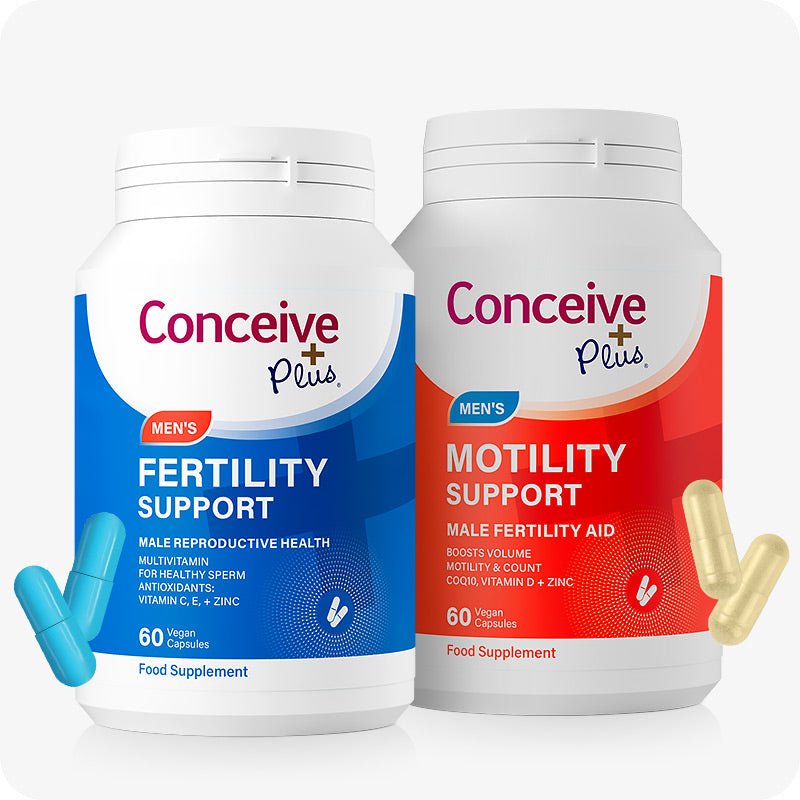
Conceive Plus Men's Motility Support is formulated with the key nutrients sperm health depends on — including L-carnitine, CoQ10, zinc, selenium, and vitamin C — backed by clinical research.
The Key Parameters of Sperm Quality
A semen analysis measures the parameters most predictive of fertilisation potential. Normal reference ranges are defined by the World Health Organisation (WHO) based on population studies of fertile men:
Volume: 1.4 mL or more. Low volume (hypospermia) may indicate ejaculatory dysfunction or retrograde ejaculation.
Concentration: 16 million sperm/mL or more. Below this level is classified as oligospermia (low sperm count).
Total motility: 42% or more. The percentage of sperm showing any movement.
Progressive motility: 30% or more. Sperm moving forward in a straight or large-circle trajectory — the type of movement that enables navigation to the egg.
Morphology: 4% or more normal forms (Kruger strict criteria). Abnormal forms include sperm with misshapen heads, bent necks, or coiled tails.
Vitality: 54% or more live sperm. Relevant when motility is very low — distinguishes dead sperm from immotile but viable sperm.
DNA fragmentation — the percentage of sperm with damaged genetic material — is not included in standard semen analysis but is increasingly recognised as critically important. High DNA fragmentation (above 15 to 25%, depending on the threshold used) is associated with failed fertilisation, early miscarriage, and recurrent pregnancy loss even when conventional parameters are normal.
What Damages Sperm Quality?
Sperm health is remarkably sensitive to the internal environment of the body and to external exposures. Understanding the major threats to sperm quality empowers men to take targeted action.
Oxidative stress: The single most important driver of sperm damage. Reactive oxygen species (ROS) attack the polyunsaturated fatty acids in sperm membranes, causing lipid peroxidation that destroys membrane integrity and impairs motility. ROS also directly damage sperm DNA, fragmenting the genetic material carried to the egg. Oxidative stress in the male reproductive tract is caused by infections, varicocele, pollution, smoking, alcohol, obesity, psychological stress, and numerous other factors.
Heat: Optimal spermatogenesis requires a scrotal temperature approximately 2 to 3°C below core body temperature — the reason the testes are positioned outside the body. Anything that raises scrotal temperature impairs sperm production. Research has linked prolonged laptop computer use, hot baths, saunas, tight underwear, and occupational heat exposure (bakers, welders) to reduced sperm parameters.
Smoking: Among the most well-documented environmental threats to sperm quality. Cigarette smoke contains hundreds of toxic compounds that elevate oxidative stress in seminal plasma, causing reductions in sperm count (up to 23% in heavy smokers), motility, and morphology, as well as significant increases in DNA fragmentation.
Alcohol: Dose-dependent effects on sperm quality have been observed from relatively modest intake. Chronic alcohol consumption is associated with reduced testosterone, impaired spermatogenesis, and increased rates of sperm abnormalities.
Obesity: Elevated body fat increases scrotal temperature through insulation effects and raises oestrogen levels (as androgens are converted to oestrogen in fat tissue), both of which suppress testosterone and impair spermatogenesis. A meta-analysis found that obese men had a 42% higher risk of azoospermia (no sperm) and a 39% higher risk of oligospermia compared to normal-weight men.
A Complete Fertility Support System for Both Partners
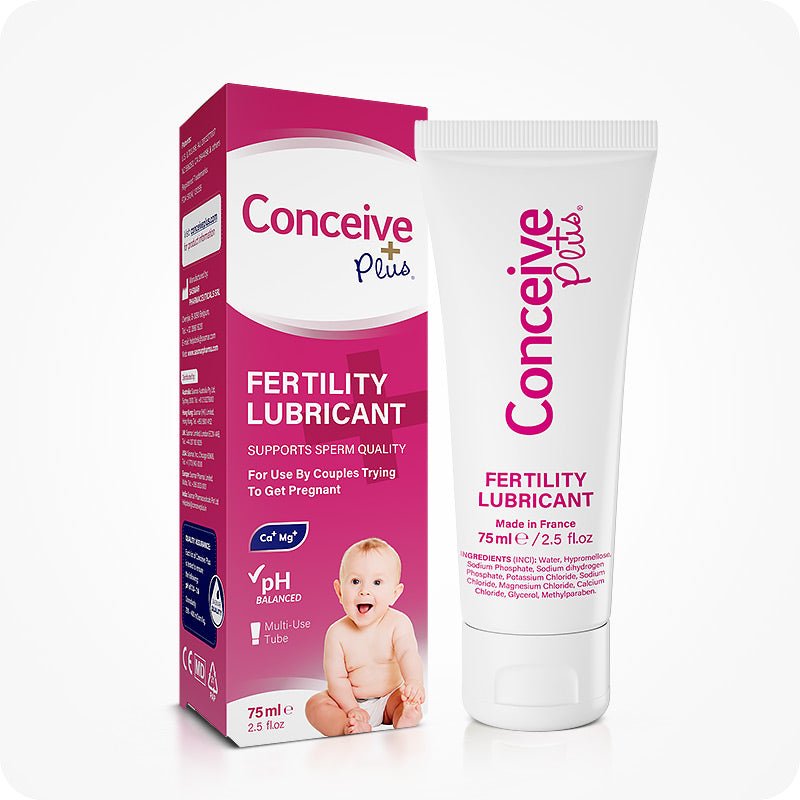
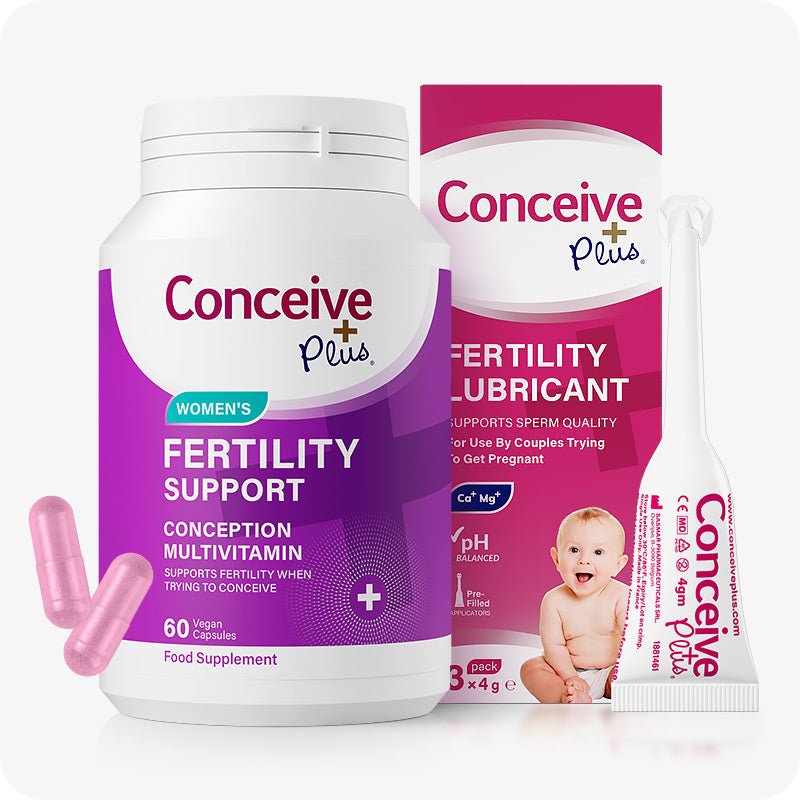
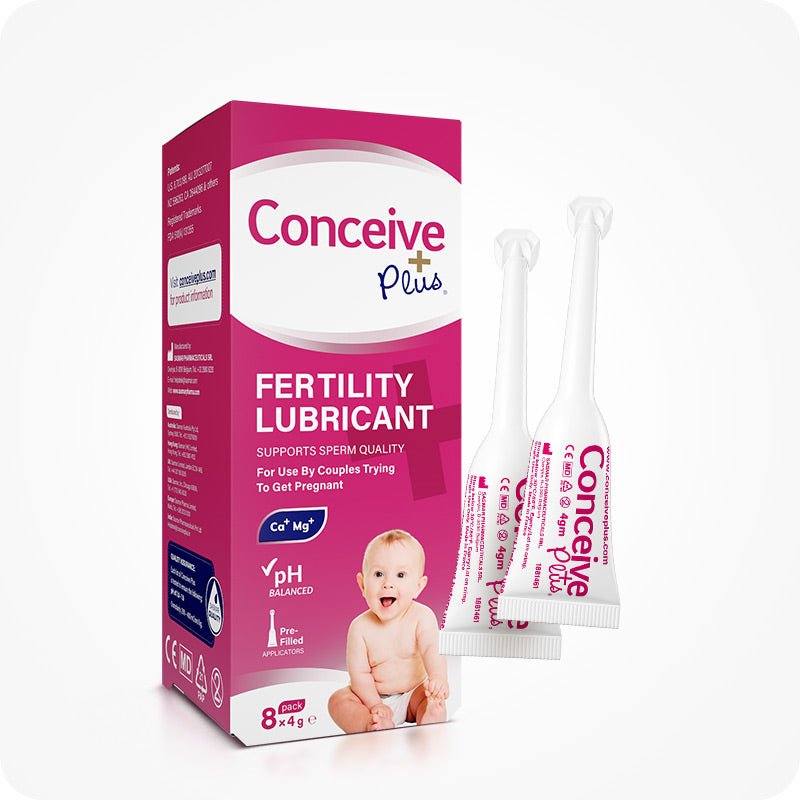
When both partners optimise their nutrition, conception chances improve significantly. Conceive Plus offers a complete range of scientifically formulated fertility supplements for women and men — plus our fertility-friendly lubricant.
The Nutritional Foundation of Sperm Health
The nutritional environment available during spermatogenesis directly influences the quality of the sperm produced. Several nutrients have particularly well-established roles:
Antioxidants: The testicular environment requires robust antioxidant protection to neutralise the reactive oxygen species generated as a by-product of high metabolic activity. Key antioxidants include vitamin C (the primary antioxidant in seminal plasma), vitamin E (the primary membrane-protective antioxidant), selenium (essential for the protective enzyme glutathione peroxidase in sperm), CoQ10, and zinc.
Zinc: The most abundant trace element in male reproductive tissue, with concentrations in seminal plasma roughly 100 times higher than in blood. Zinc is essential for testosterone production, spermatogenesis, and maintaining the structural integrity of sperm DNA through chromatin compaction. Zinc deficiency is associated with reduced sperm count, motility, and testosterone levels.
Folate: Essential for DNA synthesis and repair. Men with low folate status have been found to have higher rates of chromosomally abnormal sperm. The active form, methylfolate (5-MTHF), is preferable due to widespread MTHFR gene variants that impair folic acid conversion.
CoQ10: A component of the mitochondrial electron transport chain. The sperm midpiece — packed with mitochondria — depends on CoQ10 for ATP production. Clinical trials have consistently shown CoQ10 supplementation improves sperm count, motility, and morphology.
L-carnitine: Critical for sperm energy metabolism in the epididymis. L-carnitine transports fatty acids into mitochondria for oxidation, supporting the sustained energy production needed for progressive motility. The epididymis has among the highest carnitine concentrations in the body, reflecting carnitine's central importance for sperm maturation.
Omega-3 fatty acids: DHA is the most abundant fatty acid in the sperm head, where it is essential for membrane fluidity and the acrosomal reaction — the enzyme release needed to penetrate the egg. DHA deficiency is associated with structural sperm abnormalities and reduced motility.
Diet and Sperm Quality: The Evidence
Multiple large epidemiological studies have found associations between overall dietary patterns and semen quality. The Mediterranean dietary pattern — rich in vegetables, fruits, whole grains, legumes, nuts, olive oil, and fish — is consistently associated with better sperm parameters in observational studies.
Specific dietary components have also been studied. Processed meat, full-fat dairy, and trans-fatty acids have been associated with worse sperm parameters in several studies, while intake of fish, fruits, vegetables, and antioxidant-rich foods is associated with better outcomes.
Walnuts deserve specific mention. They are rich in omega-3 alpha-linolenic acid, antioxidants, and arginine. A randomised trial published in Biology of Reproduction found that eating 75 grams of walnuts daily for 12 weeks significantly improved sperm vitality, motility, and morphology in healthy young men.
Exercise and Sperm Health
Regular moderate-intensity exercise is associated with better sperm quality. A systematic review found that men who exercised regularly had significantly higher sperm concentrations and better motility compared to sedentary men. Exercise reduces oxidative stress, improves testosterone levels, and supports healthy body weight — all factors that benefit sperm production.
However, excessive exercise — particularly endurance training at very high intensity — can have the opposite effect. Extreme exercise elevates cortisol, which suppresses testosterone, and can temporarily reduce sperm parameters. Professional cyclists, marathon runners, and triathletes training at elite levels sometimes show impaired semen parameters.
Resistance training (weightlifting) appears particularly beneficial, with studies showing it increases testosterone and supports spermatogenesis. A balanced exercise programme of 150 to 300 minutes of moderate-intensity aerobic exercise per week, combined with two to three days of resistance training, represents the optimal approach for male reproductive health.
Stress, Sleep, and Sperm Quality
Psychological stress activates the hypothalamic-pituitary-adrenal (HPA) axis, elevating cortisol. Sustained cortisol elevation suppresses the hypothalamic-pituitary-gonadal (HPG) axis — the hormonal cascade that governs testosterone production and spermatogenesis. This creates a direct pathway from chronic stress to impaired sperm production.
A large prospective study of men attending fertility clinics found that those who reported higher perceived stress had significantly lower sperm motility and morphology, as well as higher rates of sperm DNA fragmentation. Work stress, relationship stress, and the stress of the infertility diagnosis itself can all contribute.
Sleep quality is also directly linked to reproductive hormone regulation. Testosterone secretion is strongly associated with sleep — most testosterone is produced during sleep, and levels peak in the early morning. Sleep deprivation reduces testosterone, and chronic poor sleep is associated with impaired semen parameters.
Frequently Asked Questions
Q: How quickly can sperm quality improve?
Because spermatogenesis takes approximately 74 days, meaningful improvements in sperm parameters typically take three months to manifest. Lifestyle changes — stopping smoking, improving diet, starting supplements — begun today will produce measurably different sperm in roughly three months. This is also why results from a semen analysis need to be interpreted in the context of what was happening three months prior.
Q: What is a normal sperm count?
The World Health Organisation defines normal sperm concentration as 16 million per millilitre or more. A total sperm count of 39 million or more per ejaculate is also within the normal range. Below 16 million/mL is classified as oligospermia (low sperm count), while zero sperm is azoospermia.
Q: What is sperm DNA fragmentation and should I worry about it?
Sperm DNA fragmentation is the percentage of sperm with damaged genetic material. It is not measured in standard semen analysis but is increasingly tested when there are recurrent miscarriages, failed IVF cycles, or normal semen analysis with unexplained infertility. A DNA fragmentation index (DFI) above 15 to 25% is considered elevated and associated with poorer outcomes. Antioxidant supplementation can significantly reduce DNA fragmentation.
Q: Can hot baths or saunas affect sperm?
Yes. Prolonged exposure to temperatures above 37°C — including hot baths, hot tubs, and saunas — can temporarily impair sperm production. The effects depend on intensity and duration of exposure, and typically resolve within three months after eliminating the heat source.
Q: Does tight underwear affect sperm count?
There is some evidence that tight underwear elevates scrotal temperature and may modestly reduce sperm parameters in susceptible men. A large Harvard study found that men wearing boxers had higher sperm concentrations than those wearing tighter underwear. Switching to looser underwear is a simple, low-risk change worth considering.
Q: How does smoking affect sperm quality?
Smoking significantly reduces sperm count, motility, and morphology, and substantially increases sperm DNA fragmentation. The oxidant chemicals in cigarette smoke cause direct oxidative damage to sperm. These effects are dose-dependent and largely reversible — sperm quality typically improves significantly within three months of quitting.
Q: Is it normal for sperm quality to decline with age?
Sperm quality does decline gradually with age, though the decline is less dramatic than the age-related decline in female egg quality. From approximately age 40, sperm concentration, motility, and morphology decline modestly, and DNA fragmentation increases. Older fathers have slightly higher rates of miscarriage and some conditions in offspring. However, men in their 40s and beyond regularly contribute to successful pregnancies.
Q: Can varicocele be treated to improve sperm quality?
Yes. Varicocele — a varicose vein in the scrotum — impairs sperm quality by elevating scrotal temperature and increasing oxidative stress. Surgical repair (varicocelectomy) or embolisation has been shown in multiple studies to significantly improve sperm parameters and pregnancy rates in men with varicocele-associated infertility.
Q: What foods improve sperm quality?
A Mediterranean-style diet is most strongly supported by the evidence. Key foods include fatty fish (salmon, sardines — rich in omega-3 DHA), nuts (especially walnuts), colourful fruits and vegetables (antioxidant-rich), legumes, whole grains, and olive oil. Oysters are excellent for zinc. Brazil nuts provide selenium. Minimise processed foods, trans fats, and heavy alcohol.
Q: When should a man see a doctor about sperm health?
A man should consider a semen analysis if a couple has been trying to conceive for 12 months (or 6 months if the female partner is over 35). Any known risk factors — history of testicular injury, surgery, cancer treatment, STI, or known hormonal conditions — warrant earlier evaluation. Semen analysis is non-invasive and provides essential information for planning.
Conclusion
Sperm health is far more dynamic and modifiable than is widely understood. The 74-day production cycle means every positive change made today creates better sperm in three months — and the changes that matter most are well within reach. Stopping smoking, maintaining a healthy weight, exercising regularly, managing stress, improving sleep, and adopting a nutrient-rich diet all have measurable effects on sperm parameters.
Targeted supplementation — CoQ10, L-carnitine, zinc, selenium, methylfolate, vitamin C, vitamin D, and omega-3s — addresses the nutritional dimension of sperm quality with evidence-backed mechanisms and clinical trial support. Start three months before you plan to conceive, stay consistent, and give your sperm the best possible foundation.
Support Male Fertility with Evidence-Based Nutrition
Conceive Plus Men's Motility Support is formulated with the key nutrients sperm health depends on — including L-carnitine, CoQ10, zinc, selenium, and vitamin C — backed by clinical research.