Preparing for Pregnancy


Diet
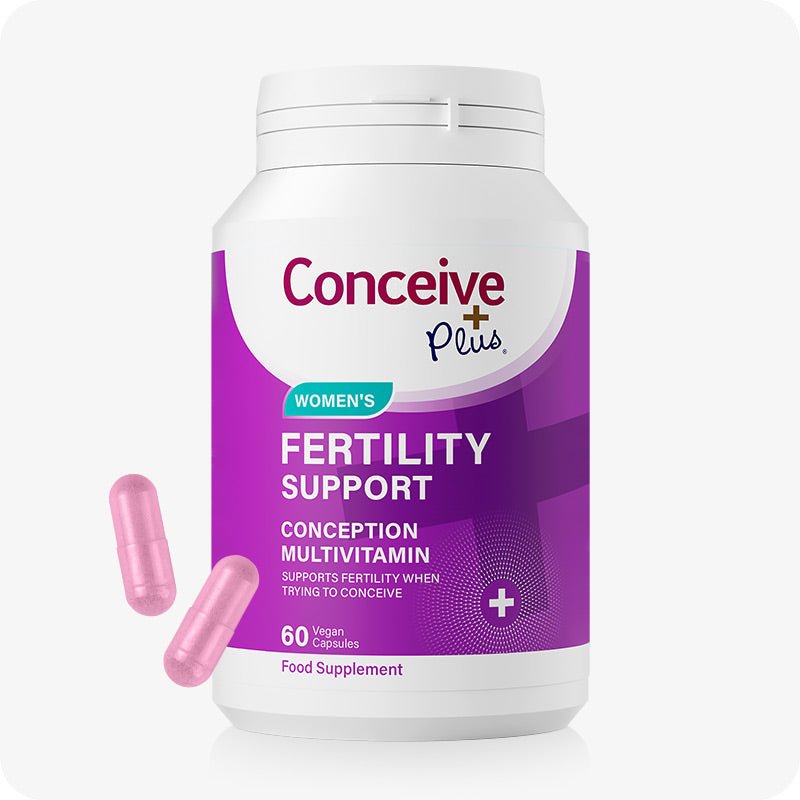
Now is a good time to assess your diet. Stock your body up with all the nutrients it needs for a healthy pregnancy. A good rule of thumb to follow is two serves of fruit and five serves of vegetables every day, including green, leafy vegetables. Foods rich in calcium, iron and protein are essential. Protein-rich foods include beans, meat, poultry, seeds and nuts. Iron-rich foods include lean red meat, fish, whole meal breads, cereals, poultry, legumes and green, leafy vegetables. Limit your fish intake to no more than two servings a week. Stick to varieties low in mercury such as sardines, salmon, farm-raised rainbow trout and herring. Avoid large amounts of caffeine, as there has been some links to miscarriage. Replace coffees and sodas with water. It is recommended that folic acid intake should be increased in the three months leading up to conception. And also throughout the pregnancy. This lowers the chances of the baby developing neural tube defects, such as spina bifida by up to 50–70%. It can be found in green, leafy vegetables and whole grains, but prenatal supplements are also available to ensure daily requirements are met.Exercise
For some women, it can prove difficult to fall pregnant if their weight or BMI (body mass index) is either too high or too low. If you are able to reach a healthy weight prior to conception, there is likely to be fewer complications down the track. It is not advised to start new rigorous exercise regimes once you are pregnant, but keeping active is important. By following a healthy exercise program before conceiving, it will be easier to continue it into the pregnancy. This involves at least thirty minutes of moderate exercise (i.e. increasing your heart rate), such as walking, running, swimming, cycling or weight training. Speak to your healthcare provider first about the best way to reach your healthy weight.Lifestyle

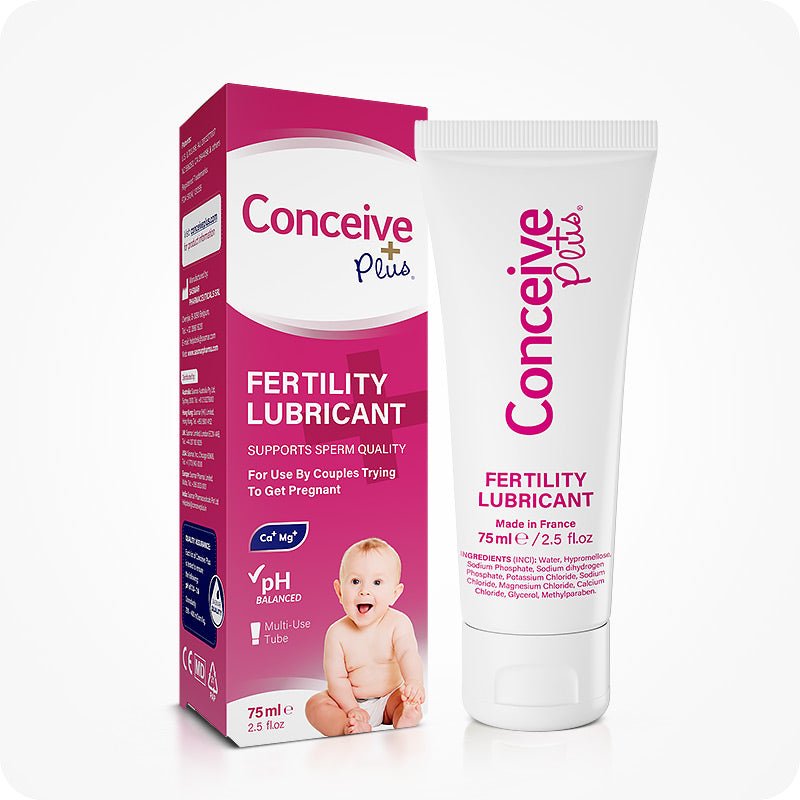
✨ The #1 Fertility-Friendly Lubricant
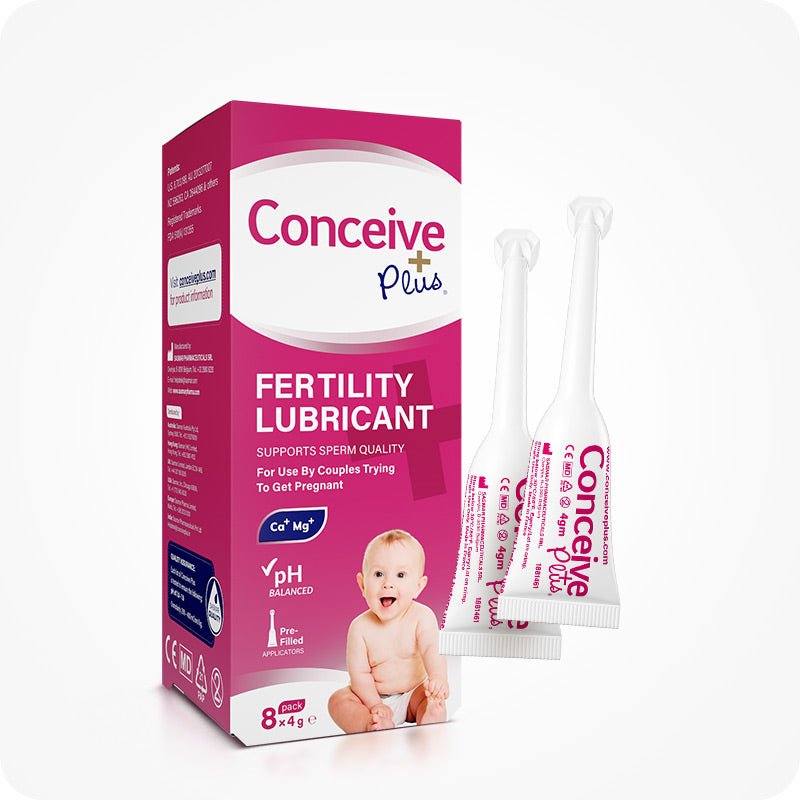
Regular lubricants can harm sperm. Conceive Plus is clinically shown to maintain sperm motility — used by couples in over 70 countries.
Shop Now — $19.99✓ Free shipping available | ✓ Trusted by millions of couples worldwide
Pregnancy tips to help you conceive
The time to start working toward a healthy pregnancy is before you conceive. If you are trying to get pregnant quick, our pregnancy tips are good start to get your body ready for conception process.Information about Conceive Plus
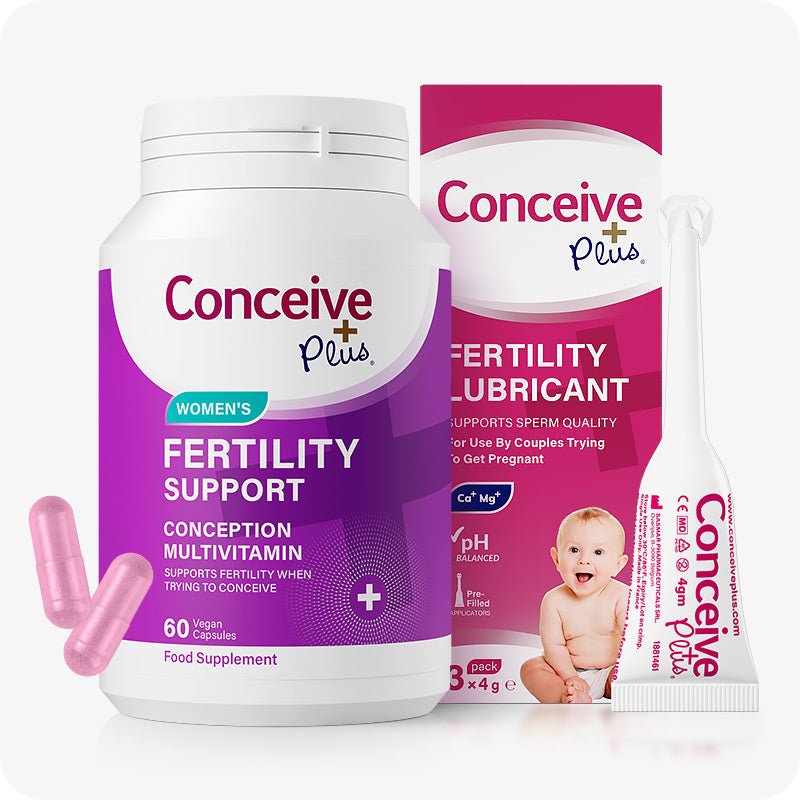
If you have just started trying to get pregnant or have been trying for a while, Conceive Plus® can help increase your chances of conception naturally! Recommended by doctors, pharmacists and fertility clinics in more than 60 countries, this is the fertility friendly lubricant approved by the FDA and a prescription is not required. For where to buy Conceive Plus, visit our where to buy page🌱 Give Sperm the Best Chance
Conceive Plus fertility lubricant is pH-balanced to support sperm on their journey. Recommended by fertility specialists worldwide.
Shop Fertility Lubricant →Frequently Asked Questions
Recommended by Fertility Experts
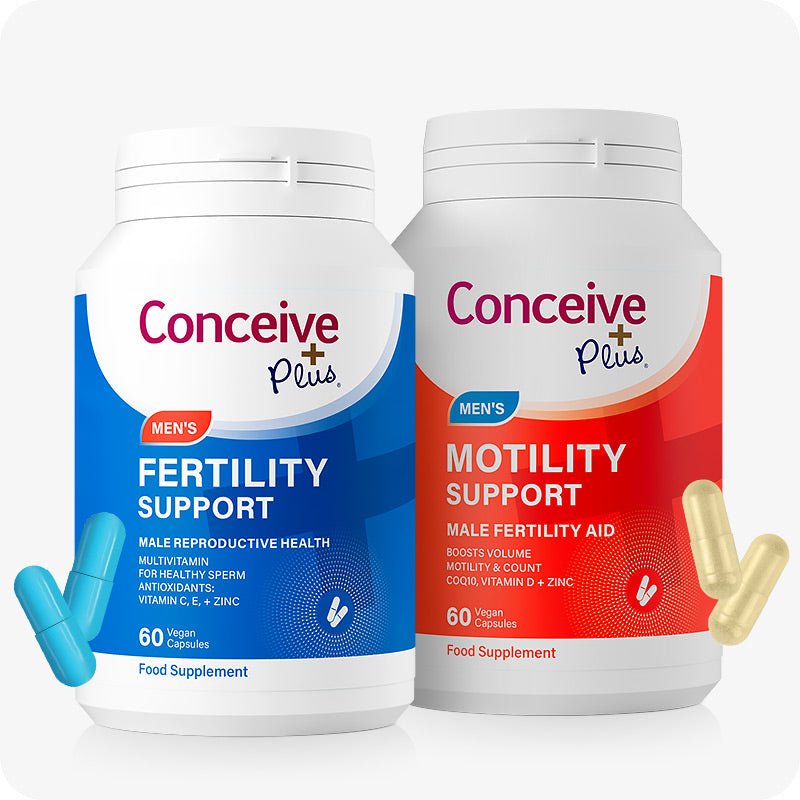
Conceive Plus Men's Fertility Support
Designed to support healthy sperm production, motility, and overall male reproductive health with clinically studied nutrients.
Shop Now →How long before trying to conceive should I start preparing my body for pregnancy?
The NHS recommends starting to prepare for pregnancy at least three months before you begin trying to conceive. This gives your body time to build up essential nutrients, particularly folic acid, and allows you to make positive lifestyle changes that can improve your chances of a healthy pregnancy.
How much folic acid should I take when preparing for pregnancy UK?
The NHS advises taking a daily supplement of 400 micrograms of folic acid from the time you stop using contraception until you're 12 weeks pregnant. This helps reduce the risk of neural tube defects such as spina bifida. You can get folic acid supplements fr
What is a healthy BMI for getting pregnant NHS?
According to NHS guidelines, a healthy BMI for conception is between 18.5 and 24.9. Being significantly overweight or underweight can affect your fertility and may lead to complications during pregnancy. Your GP can help you achieve a healthy weight before trying to conceive through personalised diet and exercise advice.
Should I see my GP before trying to conceive?
It's a good idea to book a preconception appointment with your GP, especially if you have any existing health conditions, take regular medication, or have concerns about your fertility. Your GP can review your medical history, check your vaccinations are up to date, and offer advice on preparing for a healthy pregnancy.
What foods should I avoid when trying to get pregnant UK?
When preparing for pregnancy, it's advisable to limit caffeine to no more than 200mg per day (about two cups of coffee) and avoid high-mercury fish such as shark, swordfish, and marlin. The NHS also recommends cutting out alcohol completely when trying to conceive, as there's no known safe level during pregnancy.
How common are fertility problems in the UK?
Approximately 1 in 7 UK couples experience fertility issues when trying to conceive, according to NHS statistics. If you've been trying for over a year without success (or six months if you're over 36), speak to your GP about a referral for fertility investigations. Early assessment can help identify any underlying issues and explore your options for support.
Can exercise affect my chances of getting pregnant?
Moderate, regular exercise can actually boost your fertility by helping you maintain a healthy weight and reducing stress levels. The NHS recommends around 150 minutes of moderate activity per week, such as brisk walking or swimming. However, very intense exercise regimes may affect ovulation, so it's best to find a balanced approach that you can continue into pregnancy.
Trusted by Couples in Over 70 Countries
Support Male Fertility From the Inside Out
Male fertility is just as important as female fertility in the conception journey. Conceive Plus Men's range delivers targeted nutritional support to promote healthy sperm and overall reproductive wellbeing.
Shop Men's Range →