Ovulation Tracking: A Complete Guide for UK Women Trying to Conceive


Ovulation Tracking: A Complete Guide for UK Women Trying to Conceive
Understanding ovulation is one of the most powerful things you can do when trying to conceive. The fertile window — the days each cycle when pregnancy is actually possible — is shorter than most people realise. Ovulation tracking takes the guesswork out of timing, helping you identify your most fertile days and maximise your chances each cycle. This complete guide covers every tracking method available to UK women, from free apps to hormone monitoring, and how to combine them for the best results.
Why Ovulation Tracking Matters When Trying to Conceive
The average menstrual cycle is 28 days, but individual cycles vary enormously — from 21 to 35 days in women of reproductive age. Ovulation doesn't always happen on day 14, as the popular myth suggests. In fact, studies show significant cycle-to-cycle variation even within the same woman. Without tracking, couples often miss the fertile window entirely — particularly those with irregular cycles.
Here's the biology that makes timing so critical: an egg is only viable for 12–24 hours after ovulation. Sperm, however, can survive in the female reproductive tract for up to 5 days. This means the fertile window spans approximately 6 days — the 5 days before ovulation and the day of ovulation itself — but the highest conception rates occur in the 2 days before and on the day of ovulation.
A 2019 study published in the British Journal of General Practice found that women who tracked ovulation had significantly higher monthly fecundity rates compared to those timing intercourse by calendar alone. The difference was particularly pronounced in women with cycle lengths that deviated from 28 days.
Basal Body Temperature (BBT) Tracking: The Foundation Method
💊 Ready to Support Your Fertility Journey?
Conceive Plus offers clinically formulated fertility supplements trusted by couples worldwide. Explore Our Fertility Supplements →
Basal body temperature tracking is one of the oldest and most accessible methods of ovulation monitoring. It requires only a basal thermometer (more precise than a standard thermometer) and a consistent daily routine:
How it works: After ovulation, the corpus luteum (the structure left after the egg is released) produces progesterone, which causes a slight rise in resting body temperature of approximately 0.2–0.5°C. By charting this temperature shift each morning — before getting out of bed, after at least 3 consecutive hours of sleep — you can identify when ovulation has occurred.
The limitation: BBT confirms ovulation after it has happened. This means you're retrospectively identifying your fertile window rather than predicting it in advance. However, after tracking for 3–4 cycles, patterns typically emerge that allow you to predict your next ovulation based on when temperature shifts have historically occurred.
Best practice: Take your temperature at the same time every morning, record it immediately, and use an app that automatically generates charts. Illness, alcohol, disturbed sleep, and travel can all affect readings, so note these on your chart.
Ovulation Predictor Kits (OPKs): The Most Popular UK Method
Ovulation predictor kits have become the go-to ovulation tracking tool for most UK women trying to conceive, and for good reason. They detect the surge in luteinising hormone (LH) that triggers ovulation, typically occurring 24–36 hours before the egg is released — giving you advance warning during your most fertile time.
How to use OPKs effectively:
- Start testing from day 10 of your cycle if your cycle is 28 days (adjust earlier for shorter cycles)
- Test at the same time each day — late morning to early afternoon is typically best (not first morning urine, which can give misleading results)
- A positive result means the LH surge has been detected — ovulation is expected within 24–36 hours
- Have intercourse on the day of the positive test and the following 1–2 days
Standard vs. digital OPKs: Standard test strips require you to visually compare line intensity, which can be subjective. Digital OPKs (showing a smiley face for positive) remove interpretation errors. For women with PCOS or higher baseline LH levels, digital readers are particularly recommended as they use a personalised baseline rather than a fixed threshold.
Cervical Mucus Monitoring: Free and Informative
Cervical mucus changes throughout the cycle under the influence of oestrogen and progesterone — and these changes directly reflect fertility status. Learning to observe and interpret cervical mucus is a completely free ovulation tracking method that, when used correctly, is surprisingly accurate.
The progression through the cycle:
- Post-period (days 1–5 approximately): Dry or minimal discharge
- Pre-ovulatory (early fertile phase): Sticky, white or creamy mucus that doesn't stretch
- Peak fertility: Clear, slippery, stretchy mucus resembling raw egg white — this is the hallmark of approaching ovulation and maximum fertility
- Post-ovulatory: Returns to sticky/creamy or dry; cervix closes and becomes less accessible
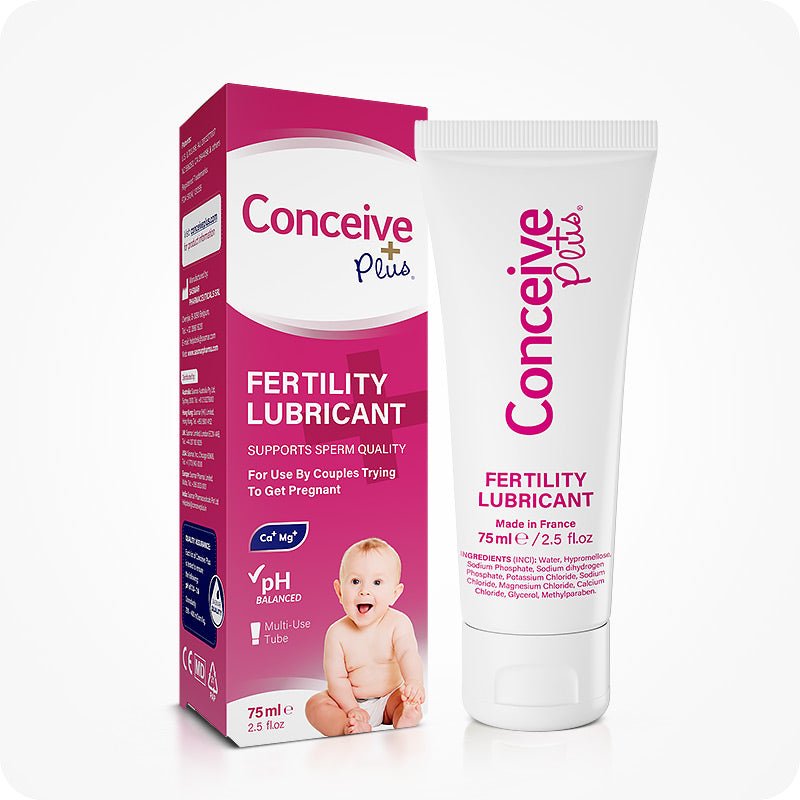
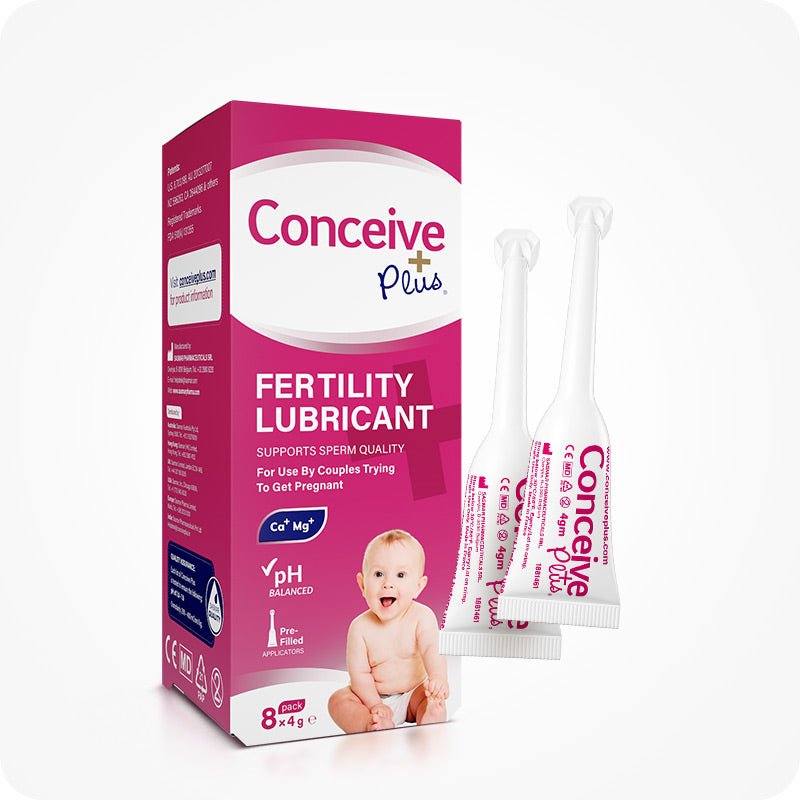
The egg-white cervical mucus (EWCM) phase is the most fertile period because it creates an optimal environment for sperm — maintaining pH balance, providing nutrients, and forming channels that guide sperm toward the egg. Many women find that using a fertility-friendly lubricant like Conceive Plus during this phase helps maintain comfort without disrupting the sperm-friendly environment.
Fertility Monitors: The Gold Standard for Home Ovulation Tracking
Advanced hormone monitors represent the most comprehensive home ovulation tracking available. Unlike basic OPKs that only detect LH, devices like Clearblue Advanced Fertility Monitor track both oestrogen (which rises 3–5 days before ovulation) and LH — identifying up to 6 fertile days per cycle rather than just the 2-day LH surge window.
The Clearblue Advanced Fertility Monitor is widely used by UK fertility specialists and recommended for women who haven't conceived after 6 months of trying, those with irregular cycles, and anyone who wants maximum precision. Studies show it identifies significantly more fertile days than LH-only testing.
Wearable fertility trackers like Tempdrop (continuous BBT) and Ava bracelet (multiple biomarkers) offer another tier of monitoring, automatically recording data while you sleep and using algorithms to predict fertile windows. These are particularly valuable for women with shift work or irregular sleep schedules who struggle with manual BBT tracking.
Apps and Cycle Tracking: Supporting Your Data
Fertility apps don't replace physiological tracking methods, but they're excellent for data collection and pattern recognition. The best apps integrate multiple data streams:
Top-rated UK fertility apps:
- Natural Cycles: The only CE-marked contraceptive app, also effective for TTC. Uses BBT data with an algorithm that accounts for cycle irregularity
- Clue: Excellent for cycle and symptom tracking; strong on data visualisation
- Ovia Fertility: Detailed tracking with insights on fertile window predictions
- Premom: Specialises in OPK reading, including smartphone-based test result interpretation for standardised strips
No app can predict ovulation purely from past cycle data with high accuracy in the current cycle — this is why combining app tracking with physiological methods (OPKs, BBT, cervical mucus) gives the most reliable picture.
Combining Methods: The Multi-Signal Approach
The most effective ovulation tracking strategy uses multiple complementary signals rather than relying on a single method. The Fertility Awareness Method (FAM), as taught by educators and practitioners, emphasises this multi-marker approach:
- Calendar/app: Estimate when your fertile window might start based on cycle history
- Cervical mucus: Begin monitoring daily as the pre-fertile phase approaches
- OPK: Start testing when mucus starts to become wetter/stretchier, or from day 10
- BBT: Confirm ovulation occurred by observing the post-ovulatory temperature rise
When multiple signals align — mucus is egg-white consistency, OPK shows positive, and temperature is about to or has just risen — you can be highly confident you're in or near your peak fertile window. This multi-signal approach is particularly valuable for women with irregular cycles where calendar prediction alone is unreliable.
When to Seek Help: Signs Ovulation May Not Be Occurring
While most women of reproductive age ovulate regularly, some conditions interfere with ovulation. Red flags that warrant discussion with your GP or a fertility specialist include:
- Cycles consistently shorter than 21 days or longer than 35 days
- No detectable LH surge after 3–4 months of OPK testing
- No discernible BBT temperature shift after 3+ charted cycles
- History of PCOS, thyroid conditions, hyperprolactinaemia, or premature ovarian insufficiency
- Heavy, irregular, or absent periods
NICE guidelines recommend GP referral after 12 months of regular unprotected intercourse for women under 35, and after 6 months for women over 35. However, if you have a known condition affecting ovulation, don't wait — seek assessment sooner.
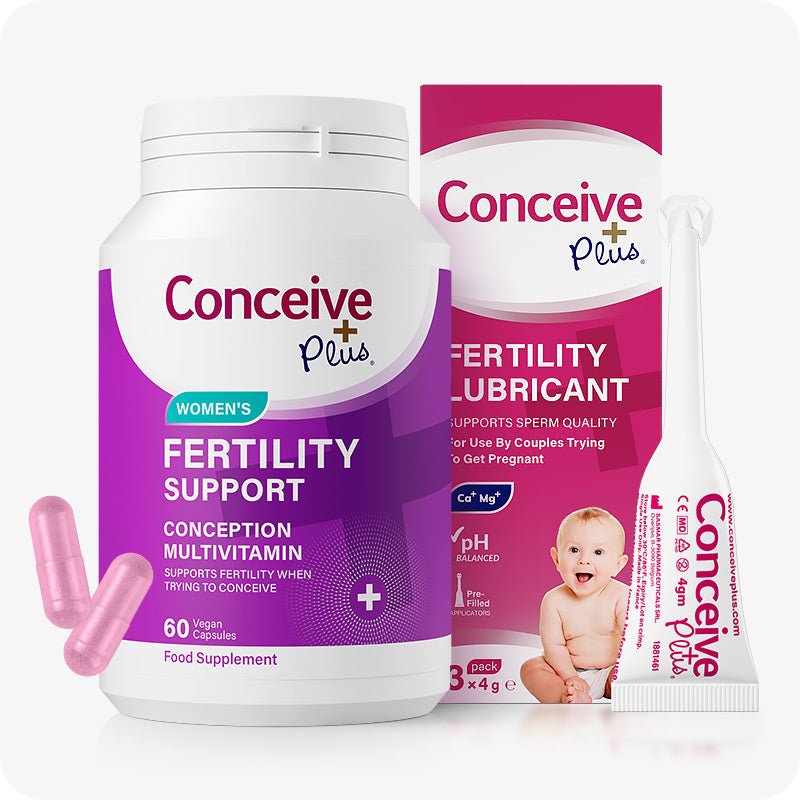
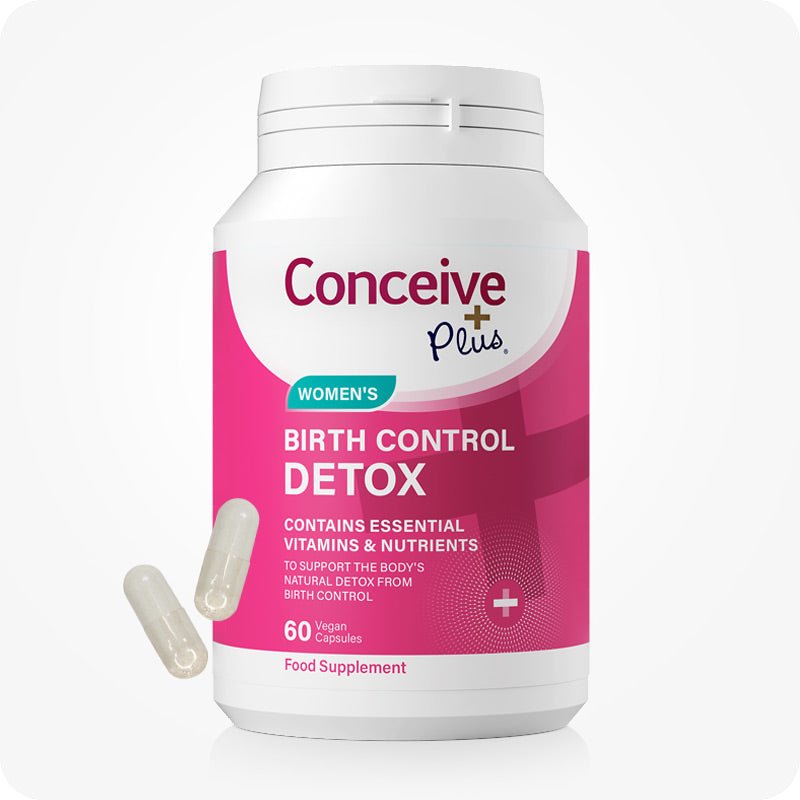
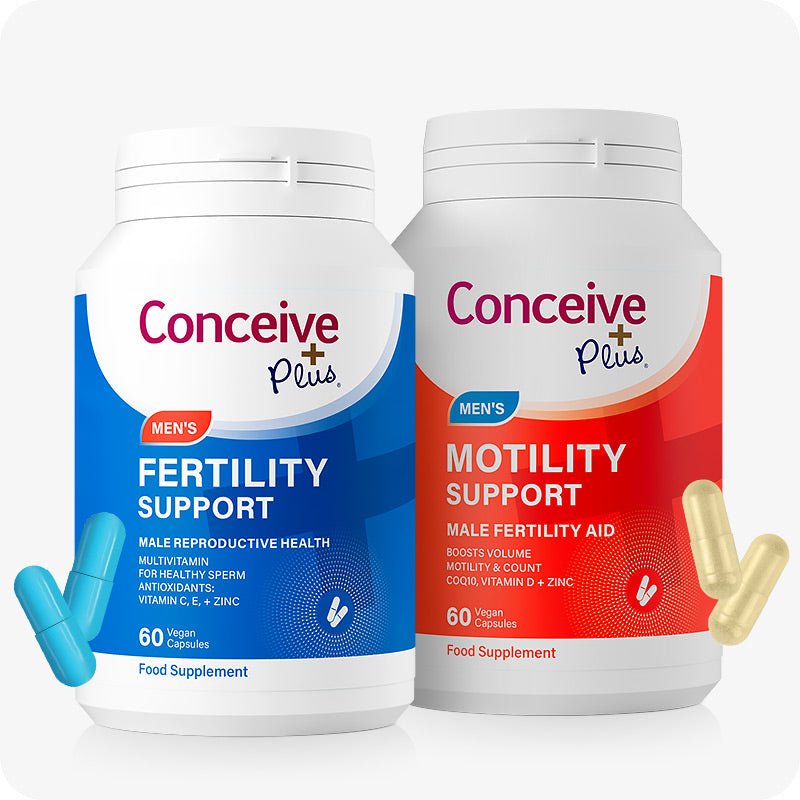
Conceive Plus supports women through every stage of the TTC journey with a range of fertility-supportive products including ovulation support supplements and fertility lubricants designed to complement your natural cycle without disrupting it.
Frequently Asked Questions About Ovulation Tracking
Q: How do I know if I'm ovulating?
A: The most reliable signs are a positive OPK (LH surge), egg-white cervical mucus, and a confirmed post-ovulatory temperature rise of 0.2–0.5°C. If you consistently observe all three, you're almost certainly ovulating.
Q: Can I ovulate more than once per cycle?
A: Yes — superfetation (ovulating twice in close succession) is rare but documented. However, the fertile window typically closes after the first ovulation, as progesterone rise prevents further follicular development. Non-identical twins can result from two eggs released within the same fertile window.
Q: Why is my OPK positive for several days?
A: Women with PCOS often have elevated baseline LH, which can cause multiple apparently positive OPK readings throughout the cycle. A digital monitor with personalised baseline calibration handles this better than standard strips.
Q: How many months of OPK tracking before I can predict my fertile window reliably?
A: Most women find 3–4 cycles of tracking sufficient to identify consistent patterns. Irregular cycles may require longer tracking or specialist assessment.
Q: Does breastfeeding affect ovulation tracking?
A: Yes. Prolactin produced during breastfeeding suppresses ovulation, though it's not a reliable contraceptive method (the Lactational Amenorrhoea Method has specific criteria). As breastfeeding decreases, ovulation typically resumes — often with irregular cycles initially. OPKs and BBT can help identify when fertility returns.
Q: What lubricant is safe to use when trying to conceive?
A: Most standard lubricants are harmful to sperm. Choose a fertility-friendly lubricant specifically formulated to be sperm-safe. Conceive Plus is designed to mimic natural cervical mucus, maintaining the pH and osmolality needed to support sperm survival and motility.
Q: My cycle is irregular — can I still track ovulation?
A: Absolutely. OPKs, cervical mucus monitoring, and BBT charting are all effective regardless of cycle regularity — they track physiological signals rather than assuming a fixed cycle length. Hormone monitors that track both oestrogen and LH are particularly helpful for irregular cycles.
Q: Can stress affect ovulation?
A: Yes. High cortisol levels can disrupt the hormonal cascade that triggers ovulation, leading to delayed or absent ovulation in some cycles. Managing stress, maintaining regular sleep, and supporting overall health is an important part of fertility optimisation.
Q: Should I take supplements to support ovulation?
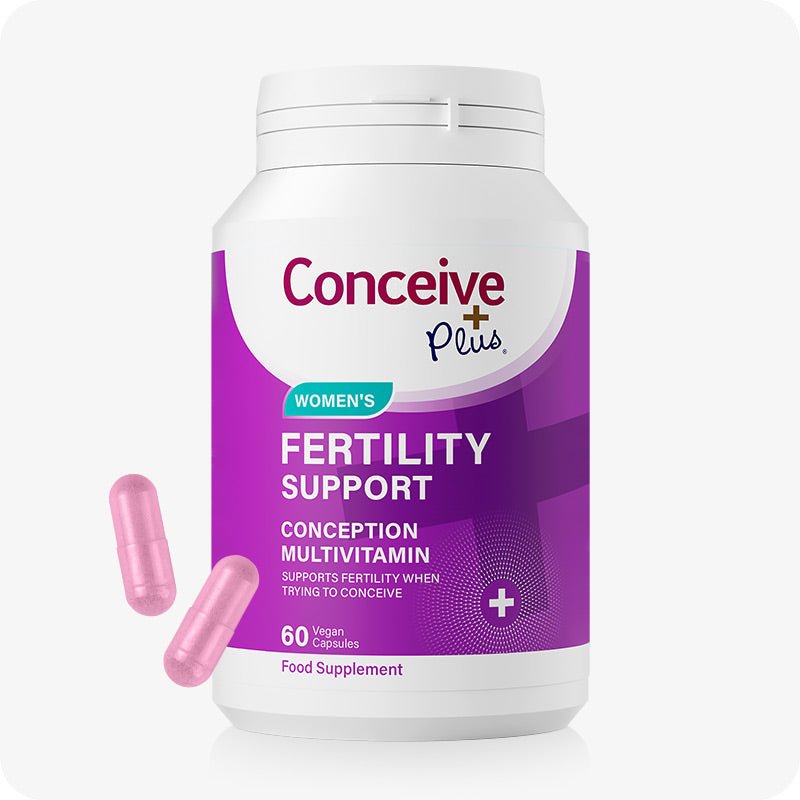
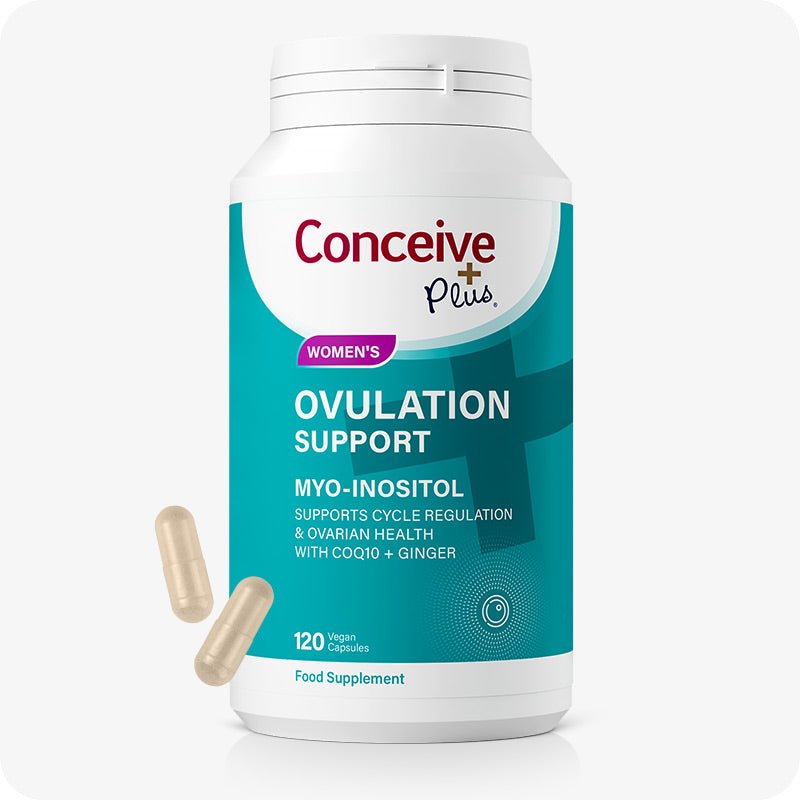
A: A growing body of evidence supports the role of specific nutrients in ovarian health and cycle regularity. Myo-inositol and D-chiro-inositol support ovulatory function — particularly in women with PCOS. Folate (ideally methylfolate), vitamin D, and CoQ10 are also evidence-backed for women trying to conceive.
Q: When in the cycle should I have intercourse to maximise conception chances?
A: Ideally every 1–2 days during the fertile window (the 5 days before ovulation and the day of ovulation). If daily intercourse isn't feasible, target the 2–3 days immediately before the expected ovulation date for the highest success rates.
🌿 Start Your Conceive Plus Journey Today
Join thousands of couples who trust Conceive Plus for evidence-backed fertility support. Shop All Conceive Plus Products →