Sperm Health: What Affects It and How to Improve It Naturally


Sperm Health: What Affects It and How to Improve It Naturally
Sperm health is one of the most important—and most overlooked—factors when couples are trying to conceive. Male factor infertility accounts for approximately half of all fertility challenges, yet many men spend years focusing on timing and other variables without ever addressing the quality of the sperm itself. Understanding what impacts sperm health and what you can do to improve it naturally is essential knowledge for any man trying to start a family.
This guide covers the four key parameters of sperm quality, the lifestyle and environmental factors that damage sperm, and the evidence-based strategies—including nutrition, supplementation, and behaviour change—that can meaningfully improve your numbers.
The Four Parameters of Sperm Health
When a urologist or andrologist analyses a semen sample, they look at four main parameters according to World Health Organisation (WHO) reference values (updated 2021):
- Count (concentration): Normal is ≥16 million sperm per millilitre, or ≥39 million per ejaculate. Low sperm count is called oligozoospermia.
- Motility: The percentage of sperm that are moving. WHO reference: ≥42% total motility, ≥30% progressive motility. Poor motility is called asthenozoospermia.
- Morphology: The percentage of sperm with a normal shape. WHO reference: ≥4% normal forms (Kruger strict criteria). Abnormal morphology is called teratozoospermia.
- Volume: A normal ejaculate is 1.4–7.6 ml. Very low volume may suggest obstruction or ejaculatory dysfunction; very high volume may dilute sperm concentration.
Beyond these standard parameters, DNA fragmentation index (DFI) is increasingly used to assess sperm quality—particularly in men with unexplained infertility or recurrent miscarriage. High DFI indicates damaged genetic material in the sperm and can reduce fertilisation rates and embryo quality even when standard parameters appear normal.
What Damages Sperm Health?
Ready to support your fertility naturally? Conceive Plus is trusted by thousands of couples trying to conceive.
Shop Conceive Plus Fertility Supplements →Sperm are vulnerable cells. They have limited DNA repair capacity and are exposed to oxidative stress throughout production and transit. Here are the key factors that research has identified as damaging sperm health:
Heat
Spermatogenesis requires a temperature approximately 2–4°C below core body temperature—which is why the testes are housed externally. Anything that raises scrotal temperature impairs sperm production. This includes: hot baths and saunas, placing a laptop on your lap, sitting for prolonged periods, tight underwear, and occupational heat exposure (bakeries, foundries, kitchens). Studies show that sauna sessions 4–5 times per week can significantly reduce sperm motility, though the effect is reversible within 3–6 months of stopping.
Smoking
Tobacco smoking is consistently associated with reduced sperm count, motility, and morphology, and increased DNA fragmentation. A 2016 meta-analysis found that smokers had 23% lower sperm concentration and 13% lower motility than non-smokers. The chemicals in cigarette smoke generate reactive oxygen species (ROS) that directly damage sperm.
Alcohol
Regular heavy alcohol consumption reduces testosterone, increases oestrogen (through effects on the liver), and impairs spermatogenesis. A Danish cohort study found that men drinking >25 units of alcohol per week had significantly lower sperm count, motility, and morphology than light drinkers. Occasional moderate drinking has less clear evidence of harm, but abstinence or low intake is prudent when trying to conceive.
Obesity
Excess body fat—particularly central adiposity—elevates oestrogen, reduces testosterone, and raises scrotal temperature. A 2012 meta-analysis found that obese men had 42% higher odds of low sperm count compared to men of normal weight. Even modest weight loss has been shown to improve testosterone and semen parameters.
Stress
Chronic psychological stress elevates cortisol, which suppresses the hypothalamic-pituitary-gonadal (HPG) axis—the hormonal cascade that drives testosterone production and spermatogenesis. Studies have shown associations between life stress events and reduced sperm motility and count. While this is difficult to study rigorously, stress management is clinically recommended as part of fertility care.
Environmental Toxins
Endocrine-disrupting chemicals (EDCs) are compounds that interfere with hormone signalling. Common EDCs with evidence of reproductive harm include: bisphenol A (BPA) from plastic packaging, phthalates in personal care products, pesticides and herbicides, and heavy metals including lead and cadmium. Minimising exposure by choosing glass over plastic, eating organic where feasible, and avoiding heavily processed foods is a reasonable precaution.
Nutritional Deficiencies
Sperm production is metabolically demanding. Deficiencies in zinc, selenium, folate, vitamin C, vitamin D, and CoQ10 are all associated with impaired semen parameters in clinical research. Oxidative stress—driven by an imbalance between free radicals and antioxidant defences—is considered a primary mechanism of sperm damage in a significant proportion of infertile men.
How to Improve Sperm Health Naturally
The good news is that sperm health is highly responsive to lifestyle and nutritional intervention. Because a new cohort of sperm is produced roughly every 74 days, consistent changes made today can produce measurably improved semen parameters within 2–3 months.
Diet: The Fertility-Supportive Plate
Research supports a Mediterranean-style diet as beneficial for male fertility. Key principles:
- Antioxidant-rich foods: Berries, leafy greens, tomatoes (lycopene), peppers, and colourful vegetables neutralise the oxidative stress that damages sperm DNA.
- Omega-3 fatty acids: Found in oily fish (salmon, mackerel, sardines), walnuts, and flaxseed. Omega-3s are incorporated into sperm membranes and associated with better morphology and motility.
- Lean protein: Adequate protein intake supports testosterone production and provides amino acids required for sperm production.
- Nuts and seeds: Walnuts in particular have shown improvements in sperm morphology, motility, and vitality in a randomised controlled trial. Pumpkin seeds and Brazil nuts provide zinc and selenium respectively.
- Reduce processed foods and trans fats: Processed meats, fried foods, and trans fats are associated with poorer semen quality in observational studies.
Exercise: The Right Amount and Type
Moderate aerobic exercise—30–45 minutes, 3–4 times per week—is associated with better semen parameters and testosterone levels. However, excessive endurance exercise (particularly cycling) or heavy anabolic steroid use suppress testosterone and damage sperm. Balance is key: aim for regular physical activity without extreme training loads.
Sleep
Testosterone is primarily secreted during sleep, particularly during slow-wave deep sleep. Men who sleep fewer than 6 hours per night have significantly lower testosterone than those sleeping 8 hours. A 2017 study in Medical Science Monitor found that poor sleep quality was associated with reduced sperm motility and morphology. Prioritising 7–9 hours of quality sleep is a genuine fertility intervention.
Avoid Anabolic Steroids and Testosterone
Exogenous testosterone—whether from steroid abuse or prescribed TRT (testosterone replacement therapy)—suppresses natural testosterone production and shuts down spermatogenesis almost entirely through negative feedback on the HPG axis. Men on TRT who wish to father children should discuss stopping treatment and transitioning to fertility-stimulating medications (like clomiphene or hCG) with their urologist.
🇬🇧 Support Sperm Health with Conceive Plus
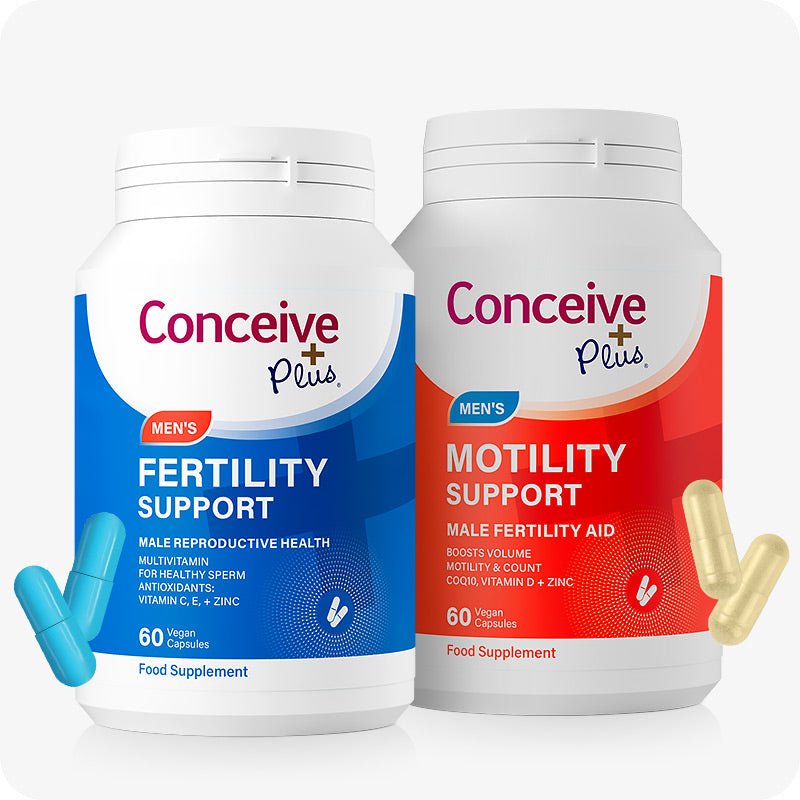
Conceive Plus Men's Fertility Support delivers evidence-based nutrients including zinc, selenium, CoQ10, and vitamin D—formulated specifically to support sperm count, motility, and DNA integrity.
Key Nutrients for Sperm Health
Supplementation can address nutritional deficiencies and provide therapeutic levels of antioxidants that are difficult to obtain from diet alone. The best-evidenced nutrients for sperm health include:
- Zinc (15–30 mg/day): Required for testosterone production, sperm formation, and DNA protection. Zinc is present in higher concentrations in seminal plasma than anywhere else in the body.
- Selenium (50–200 mcg/day): An essential component of selenoprotein P and glutathione peroxidase, both of which protect sperm from oxidative damage.
- CoQ10 (200–600 mg/day): Found in the midpiece of sperm, where it powers the flagellum. Randomised trials show CoQ10 improves motility and morphology.
- Folate (400–800 mcg/day): Required for DNA synthesis; deficiency increases sperm DNA fragmentation.
- Vitamin C (1000 mg/day): Directly reduces sperm DNA fragmentation and supports seminal antioxidant capacity.
- Vitamin D (1000–2000 IU/day): Receptors for vitamin D are expressed on sperm; deficiency is associated with reduced motility.
- L-Carnitine (1–3 g/day): Concentrated in the epididymis; essential for sperm energy metabolism. Evidence supports motility benefits particularly in asthenozoospermia.
- Lycopene (4–8 mg/day): A carotenoid antioxidant from tomatoes linked to improved sperm morphology in randomised trials.
Conceive Plus Men's Fertility Support provides a comprehensive combination of these nutrients in a single daily formula, removing the complexity and cost of sourcing multiple separate supplements.
How Long Does It Take to Improve Sperm Health?
Consistency and patience are required. The sperm production cycle (spermatogenesis) takes about 74 days, with an additional 10–14 days of epididymal maturation. Changes you make today—whether dietary, supplemental, or behavioural—will take approximately 2.5–3 months to be reflected in your ejaculate.
A realistic improvement timeline when implementing multiple lifestyle and nutritional changes:
- Month 1–2: Building foundational nutritional status; no significant detectable change in semen parameters
- Month 3: First cohort of fully improved sperm beginning to appear in ejaculate
- Month 3–6: Continued improvement; best time to repeat semen analysis if you have an initial baseline
If you're about to start fertility treatment (IUI or IVF), begin nutritional support at least 3 months in advance where possible. Your sperm quality at the time of sample collection will directly affect outcomes.
When to See a Doctor About Sperm Health
If you've been trying to conceive for 12 months (or 6 months if your partner is over 35) without success, a semen analysis is the appropriate next step. Your GP can refer you or you can access private testing through many fertility clinics and home testing services in the UK.
Seek earlier assessment if you have any of the following:
- History of testicular injury, surgery, or undescended testicle
- Varicocele (varicose vein in the scrotum)
- Previous sexually transmitted infections
- Erectile or ejaculatory dysfunction
- Symptoms of hypogonadism (fatigue, reduced libido, muscle loss)
- Previous chemotherapy or radiation therapy
Frequently Asked Questions About Sperm Health
What are the signs of poor sperm health?
Sperm quality cannot be assessed without a laboratory semen analysis—there are no reliable visible or physical signs. Some men with very low testosterone may notice symptoms like reduced libido or fatigue, but many men with poor semen parameters have no symptoms at all. The only way to know is to test.
Can sperm health be improved?
Yes, significantly. Multiple randomised controlled trials have demonstrated meaningful improvements in sperm count, motility, and morphology following lifestyle changes and targeted supplementation. The effect is often most pronounced in men who begin with the most room for improvement.
How quickly can sperm count improve?
Given the ~74-day spermatogenesis cycle, measurable improvements typically appear after 2–3 months of consistent intervention. Semen analysis after 3 months of supplementation and lifestyle changes will give a meaningful picture of improvement.
Does diet really affect sperm quality?
Yes. Prospective cohort studies and intervention trials consistently show associations between dietary patterns and semen quality. Men eating more fish, vegetables, fruits, and wholegrains tend to have better parameters than men consuming more processed foods, red meat, and sweetened beverages.
Is it worth taking a fertility supplement for sperm health?
For most men, a high-quality men's fertility supplement covering zinc, selenium, CoQ10, folate, and antioxidant vitamins is a sensible addition to dietary and lifestyle changes. The evidence base for specific nutrients is robust, and getting therapeutic doses from food alone is difficult. Look for a product formulated for fertility rather than a general multivitamin.
How does stress affect sperm health?
Chronic stress elevates cortisol, which suppresses the hormonal axis controlling testosterone and spermatogenesis. Studies have found that men with high life stress scores have lower sperm motility and concentration. Stress management—whether through exercise, mindfulness, or social support—is clinically recommended as part of preconception care.
Does being overweight affect sperm health?
Yes. Excess adipose tissue converts testosterone to oestrogen, raises scrotal temperature, and is associated with lower sperm count, motility, and morphology. Losing even 5–10% of body weight has been shown to improve testosterone and semen parameters in obese men.
Can hot baths affect sperm count?
Yes. The testes require a temperature lower than core body temperature for spermatogenesis. Regular hot baths, saunas, or any other heat source raising scrotal temperature can temporarily reduce sperm production. The effect is reversible—typically recovering within 3–6 months of avoiding heat exposure.
What is sperm DNA fragmentation and does it matter?
DNA fragmentation refers to breaks or damage in the sperm's genetic material. A high DNA fragmentation index (DFI) is associated with reduced fertilisation rates, lower embryo quality, and higher miscarriage risk—even when standard semen parameters are normal. Antioxidant supplementation has been shown to reduce DNA fragmentation, particularly vitamin C, vitamin E, and CoQ10.
Does Conceive Plus help with sperm health in the UK?
Yes. Conceive Plus is available in the UK and offers Men's Fertility Support supplements with clinically dosed nutrients for sperm health. The brand also produces fertility-supportive lubricants. Visit conceiveplus.co.uk to explore the full range.
Take the Next Step for Sperm Health
Give your sperm the nutritional support they need. Conceive Plus Men's Fertility Support is designed for men who are serious about improving their fertility through evidence-based supplementation.