Best Time to Have Sex When Trying to Conceive: Your Complete Timing Guide


Best Time to Have Sex When Trying to Conceive: Your Complete Timing Guide
Timing is everything when trying to conceive. While many couples assume that simply having regular sex will lead to pregnancy, understanding your fertile window can dramatically increase your chances of success. This complete guide walks you through everything you need to know about timing intercourse for conception — from tracking ovulation to understanding how long sperm and eggs survive — so you can make every cycle count.
Understanding the Fertile Window: When Can You Actually Get Pregnant?
One of the most important things to understand about conception is that you can only get pregnant during a specific window each cycle. A human egg survives for just 12-24 hours after ovulation, while sperm can survive in the female reproductive tract for up to 5 days under the right conditions. This means your fertile window — the days during which unprotected sex can result in pregnancy — is roughly 6 days long: the 5 days before ovulation and the day of ovulation itself.
However, not all days in this window are equal. The highest probability of conception occurs:
- Two days before ovulation: approximately 27-33% chance per cycle
- One day before ovulation: approximately 25-32% chance
- On the day of ovulation: approximately 8-15% chance
- Three days before ovulation: approximately 12-17% chance
This data suggests that having sex in the 1-2 days leading up to ovulation gives you the best odds of conception. The reason egg-day success rates are lower is that by the time you detect ovulation, the egg may already be declining in viability.
How to Track Ovulation: Methods for Every Lifestyle
Knowing when to have sex requires knowing when you ovulate. Several methods can help you identify your fertile window:
Basal Body Temperature (BBT) Tracking
Your basal body temperature (the temperature at rest, before getting out of bed) rises slightly — by 0.2-0.5°C — after ovulation due to progesterone. While BBT confirms that ovulation has occurred, it's a retrospective indicator — by the time your temperature rises, you've already ovulated. Use BBT over several cycles to identify patterns and predict when ovulation will likely occur in future cycles.
Cervical Mucus Monitoring
Cervical mucus changes throughout the cycle in response to hormonal shifts. As ovulation approaches, mucus becomes clear, slippery, and stretchy — like raw egg whites. This "egg white cervical mucus" (EWCM) is the most fertile type, designed to nourish and transport sperm. Monitoring mucus daily gives you real-time information about your fertility status.
Ovulation Predictor Kits (OPKs)
OPKs detect the luteinizing hormone (LH) surge that triggers ovulation. When you get a positive OPK result, ovulation typically occurs within 12-36 hours. This gives you advance notice to time intercourse appropriately. Digital OPKs with smiley face results are easiest to read, while strip tests are more economical.
Fertility Monitors
Advanced fertility monitors track multiple hormones — including estrogen and LH — to provide a wider fertility window identification. These devices are more expensive but can identify more fertile days and are particularly helpful for women with irregular cycles.
Calendar Method
For women with regular cycles, the calendar method can help estimate ovulation timing. Ovulation typically occurs 14 days before the next period in a regular cycle. If your cycle is 28 days, ovulation likely occurs around day 14. If 30 days, around day 16. Track 3-6 cycles to identify your pattern.
Ready to support your fertility journey? Conceive Plus offers clinically-backed fertility solutions trusted by couples worldwide. Shop Conceive Plus →
How Often Should You Have Sex When TTC?
Research consistently shows that having sex every 1-2 days throughout the fertile window (and around it) offers the highest conception rates. There are a few common misconceptions to address:
Does abstaining to "save sperm" help?
This is one of the most persistent fertility myths. While very frequent ejaculation (multiple times daily) can temporarily reduce sperm concentration, abstaining for more than 2-3 days actually leads to higher rates of sperm DNA fragmentation — damaged DNA that reduces fertilization potential and increases miscarriage risk. The ideal interval between ejaculations for optimal sperm quality is 1-2 days.
Daily sex vs. every-other-day sex
Studies show comparable conception rates between daily and every-other-day sex during the fertile window. Daily sex may give a slight edge for some couples, but every-other-day is equally effective and can feel more sustainable, especially if sex has become stressful due to TTC pressure.
Sex outside the fertile window
Sex outside the fertile window cannot result in pregnancy, but it remains important for relationship health, reducing TTC-related intimacy pressure, and maintaining a sense of connection. Don't let TTC turn sex into a purely mechanical exercise.
Ovulation and Irregular Cycles: Special Considerations
Women with irregular cycles face unique challenges in timing intercourse. If your cycles vary significantly in length, you may ovulate at different times each month, making prediction difficult. Several strategies can help:
- Use OPKs from day 10: If your cycles range from 25-35 days, start testing from day 10 to avoid missing an early ovulation
- Combine methods: Using OPKs alongside cervical mucus monitoring and BBT gives a more complete picture
- Track for multiple cycles: Even irregular cycles have patterns — tracking for 3-6 cycles often reveals your personal range
- Consider PCOS testing: Significantly irregular cycles may indicate PCOS or other conditions affecting ovulation — consult your GP or gynaecologist
Sperm Health and Timing: The Male Factor
Timing intercourse isn't just about when you have sex — it's also about ensuring sperm quality is optimal on those key days. Several factors affect whether sperm are ready to fertilize:
Heat and sperm production
Sperm production takes approximately 72-90 days (around 3 months). Heat is one of the most significant threats to sperm quality — elevated scrotal temperature from tight underwear, hot tubs, saunas, or laptop use on the lap can reduce sperm count and motility. Healthy sperm take 3 months to mature, so lifestyle changes made now will impact sperm quality 3 months later.
Frequency and timing
For men, the ideal approach during the fertile window is ejaculation every 1-2 days. This maintains a fresh supply of high-quality sperm ready to fertilize. Sperm stored for longer periods show increased DNA fragmentation, which can reduce fertilization success.
The Role of Lubricants in Conception Timing
Many couples don't realize that most commercial lubricants are harmful to sperm. Standard lubricants — including water-based, silicone-based, and oil-based options — can impair sperm motility and even damage sperm DNA when used during the fertile window. Studies show that common lubricants can reduce sperm motility by up to 60-87% within 30 minutes of exposure.
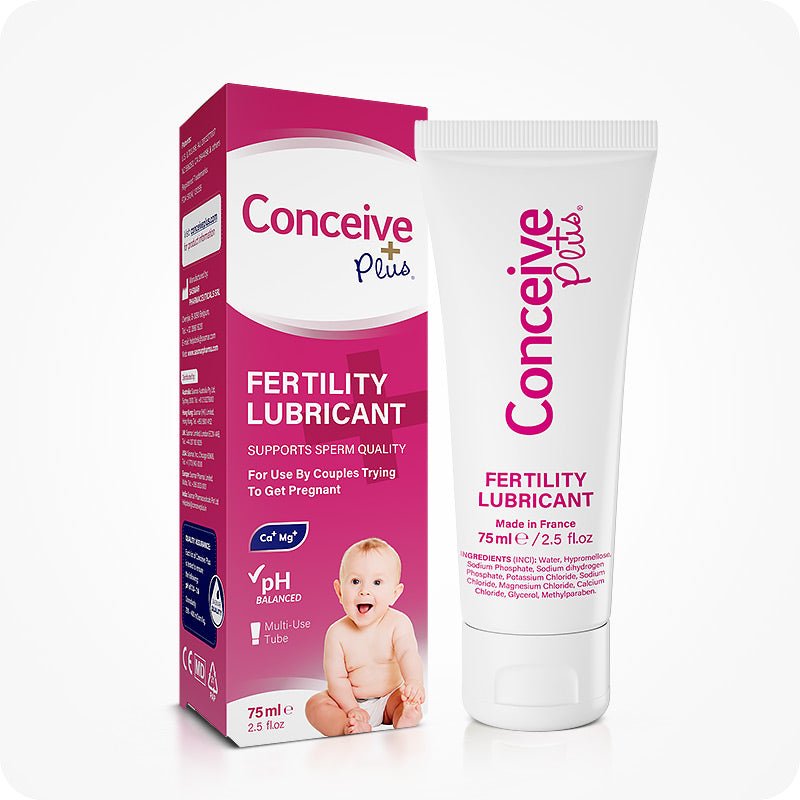
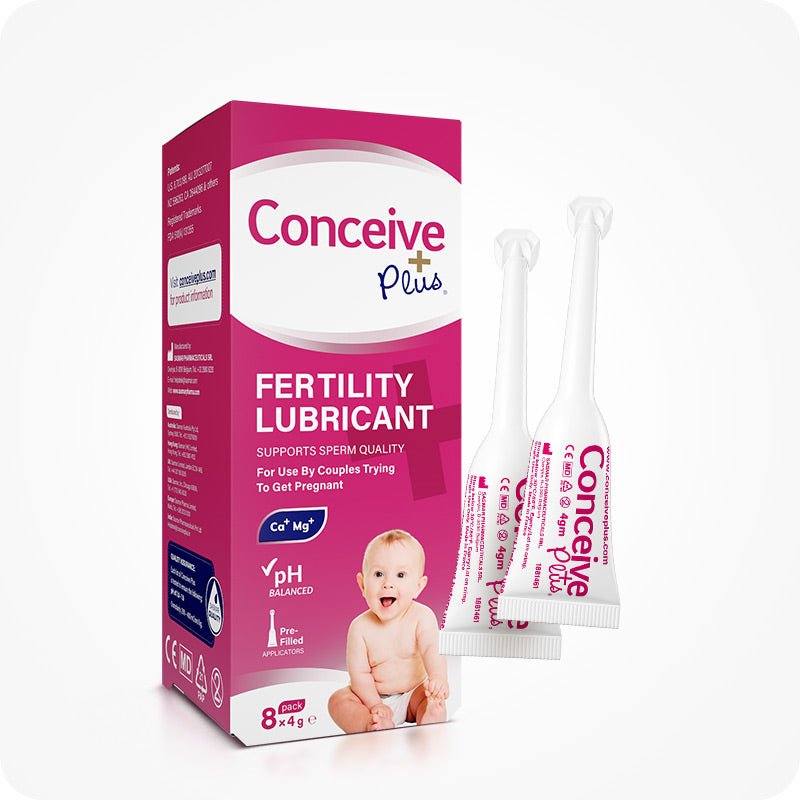
If you need or prefer lubrication during intercourse, Conceive Plus fertility-friendly lubricant is specifically formulated to be compatible with sperm. Conceive Plus lubricant is clinically tested and proven not to harm sperm motility or DNA integrity. Conceive Plus products mimic the body's natural cervical mucus, providing a medium that supports sperm function rather than impairing it.
Conceive Plus fertility lubricant is the UK's trusted choice for couples who want lubrication without compromising their conception efforts. The Conceive Plus formula includes ions found naturally in reproductive fluids, supporting the environment sperm need to thrive and navigate toward the egg.
Signs of Ovulation: What Your Body Is Telling You
Many women notice physical signs around ovulation that can help identify the fertile window:
- Mittelschmerz: A dull ache or twinge in the lower abdomen on one side, occurring around ovulation — may last minutes to hours
- Breast tenderness: Some women experience breast sensitivity as estrogen and LH surge before ovulation
- Increased libido: Many women naturally feel more interested in sex around ovulation — nature's way of promoting conception at the optimal time
- Cervical changes: The cervix becomes higher, softer, and more open around ovulation (requires internal check, which some women learn to do)
- Spotting: Light bleeding or spotting can occur around ovulation — sometimes called ovulation spotting or mid-cycle spotting
- Bloating: Mild abdominal bloating can accompany the hormonal changes of ovulation
Stress, Lifestyle, and Cycle Regularity
Chronic stress can disrupt the hormonal cascade needed for regular ovulation. The hypothalamic-pituitary-ovarian (HPO) axis — the hormonal communication system governing reproductive function — is sensitive to stress signals. When the body is in chronic stress mode, it can delay or suppress ovulation as a protective mechanism.
Practical strategies to support hormonal health and cycle regularity include:
- Regular moderate exercise (avoiding extreme exercise that can suppress ovulation)
- Adequate sleep (7-9 hours per night supports hormonal balance)
- Stress management techniques: yoga, mindfulness, meditation, or counselling
- Nutritional support through a balanced diet rich in folate, zinc, and omega-3s
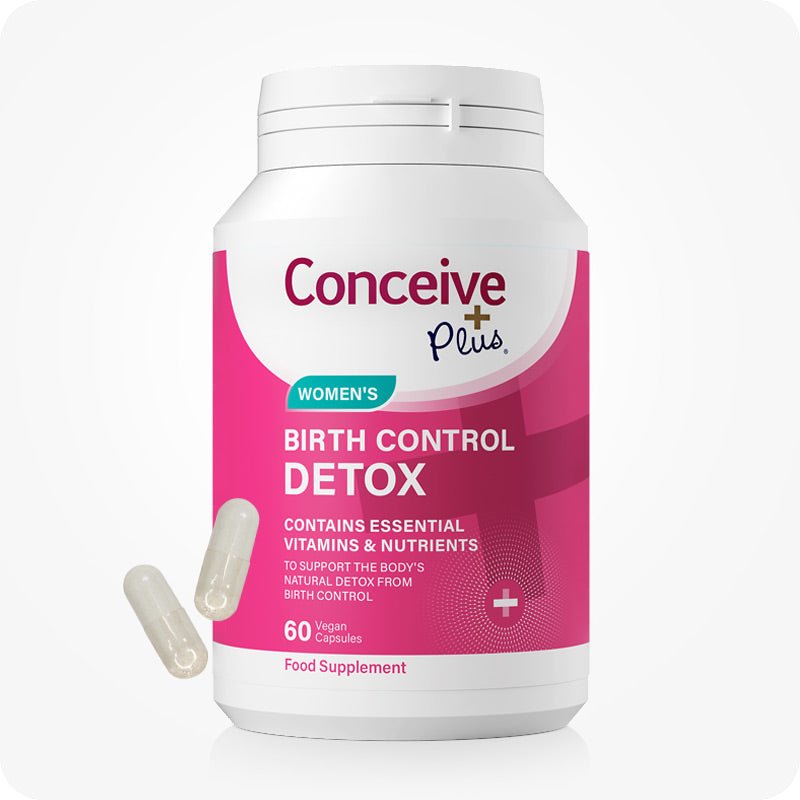
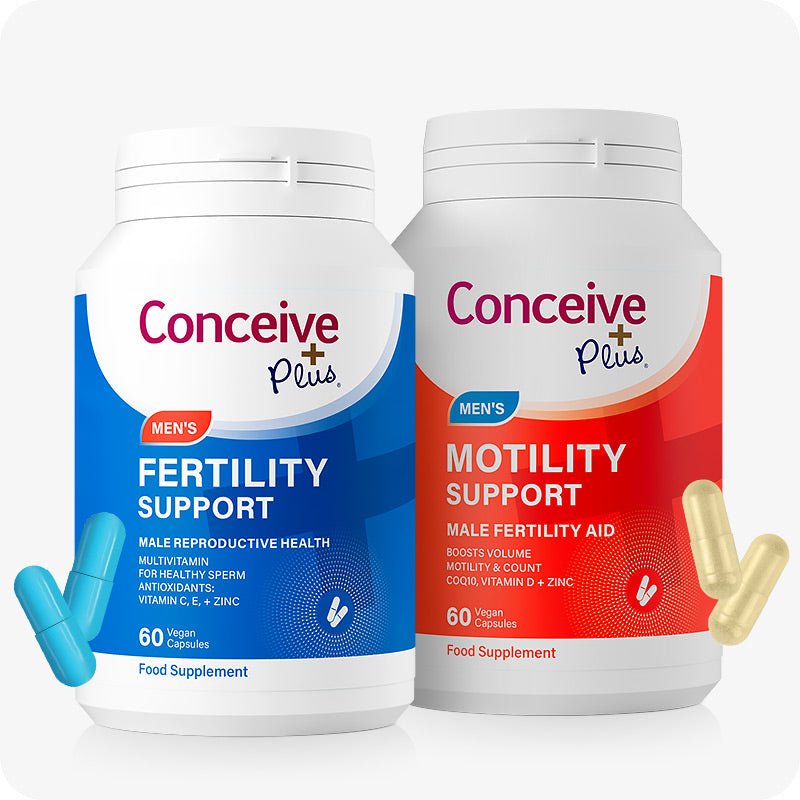
- Fertility supplements like Conceive Plus to ensure optimal micronutrient levels
When to Seek Medical Help
Most couples conceive within 12 months of regular, well-timed unprotected sex. UK guidance recommends seeking help from your GP after:
- 12 months of trying if under 35
- 6 months of trying if over 35
- Immediately if you have known fertility issues, very irregular cycles, or a history of gynaecological conditions
Your GP can arrange basic fertility tests — including a semen analysis for your partner and hormone blood tests and ultrasound for you — to identify any underlying issues. Early investigation doesn't mean giving up on natural conception; it means ruling out treatable problems sooner.
Frequently Asked Questions About Timing Intercourse for Conception
Q: Can I get pregnant if I have sex right before my period?
A: It's very unlikely. The days immediately before your period are the least fertile in your cycle. Pregnancy requires ovulation, which typically occurs around the midpoint of your cycle. However, if you have a very short cycle or variable ovulation timing, sex shortly before your expected period could theoretically fall within the fertile window of a new cycle.
Q: Is it true that having an orgasm helps with conception?
A: The evidence is mixed. Some research suggests that the muscle contractions during orgasm may help draw sperm toward the cervix (the "upsuck" theory), while other studies find no significant effect. Regardless of conception impact, orgasm can help reduce TTC-related stress and maintain intimacy, which supports overall reproductive health.
Q: Should I lie down after sex to help conception?
A: Research doesn't strongly support this, but it doesn't hurt. Studies on IUI (intrauterine insemination) found that lying still for 15 minutes after the procedure marginally improved success rates. Many couples feel reassured by resting briefly after sex during the fertile window. There's no evidence that normal gravity-driven movement after sex significantly reduces sperm's ability to reach the egg.
Q: How can I tell if I'm actually ovulating?
A: The most reliable indicators are a positive OPK result, clear egg-white cervical mucus, and a confirmed BBT rise after the fact. If you're tracking all three and not seeing any ovulatory signs, consult your GP — you may not be ovulating regularly, which can be investigated with a blood test on day 21 of your cycle (progesterone test).
Q: Does the time of day we have sex matter?
A: Research shows sperm quality tends to be highest in the morning. A study published in Reproductive BioMedicine Online found that semen samples collected between 7-7:30am had the best motility and morphology. However, the difference isn't dramatic enough to stress about — the most important factors are timing relative to ovulation and overall sperm health.
Q: Can stress affect when I ovulate?
A: Yes, significantly. Chronic psychological stress can disrupt the hormonal signals that trigger ovulation, causing delayed or missed ovulation. Even physical stress — such as intense exercise, illness, or significant weight change — can affect cycle timing. Managing stress during TTC isn't just good for your wellbeing; it may directly impact your fertile window.
Q: We've been timing sex perfectly for 6 months and haven't conceived — what's wrong?
A: First, know that even with perfect timing, a healthy couple in their early 30s has about a 20-25% chance of conception per cycle. It often takes several months, and there's nothing wrong with trying for 12 months before seeking investigation. However, if you're over 35, have irregular cycles, or have any other fertility concerns, 6 months is a reasonable time to seek professional advice.
Q: Does Conceive Plus lubricant really make a difference to sperm survival?
A: Yes — clinical studies show that standard lubricants significantly damage sperm motility and DNA within minutes of contact. Conceive Plus fertility lubricant is specially formulated to be sperm-safe, maintaining sperm motility and viability. For couples who use lubricant, switching to Conceive Plus during the fertile window is an easy win.
Q: How many days before ovulation should we start having sex?
A: Ideally, begin every 1-2 days from the start of fertile cervical mucus or when your OPK shows a flashing/nearly positive result. Having sperm already present in the reproductive tract before ovulation occurs maximises the chance that sperm are waiting when the egg is released.
Making TTC Sustainable: Protecting Your Relationship
Trying to conceive can put enormous pressure on couples. When sex becomes scheduled and outcome-focused, intimacy often suffers. Several strategies can help maintain connection while optimising timing:
- Have sex outside the fertile window: Maintain intimacy throughout the cycle, not just during the 6 fertile days
- Communicate openly: Discuss the emotional strain of TTC together — don't let it become something you each carry alone
- Take breaks when needed: Some couples benefit from taking a cycle off from tracking if the pressure becomes overwhelming
- Support each other's health: Focus on shared health goals — eating well, exercising, supplementing with products like Conceive Plus — rather than reducing the process to perfect sex timing
Conceive Plus is here to support your complete conception journey — from fertility lubricants to comprehensive supplements — so you can focus on the joy of the process rather than the mechanics.
Ready to support your fertility journey? Conceive Plus offers clinically-backed fertility solutions trusted by couples worldwide. Shop Conceive Plus →