Sticky spermatozoa could hold fertility key

✨ Trying to Conceive?
Our fertility supplements combine Myo-Inositol with essential vitamins to support healthy hormone balance and regular ovulation.
Shop Now — $36.00✓ Free shipping available | ✓ Trusted by millions of couples worldwide
🌱 Support Your Fertility Journey
Conceive Plus fertility supplements are clinically formulated to help regulate your cycle and support egg quality.
Shop Fertility Support →Frequently Asked Questions
Recommended by Fertility Experts
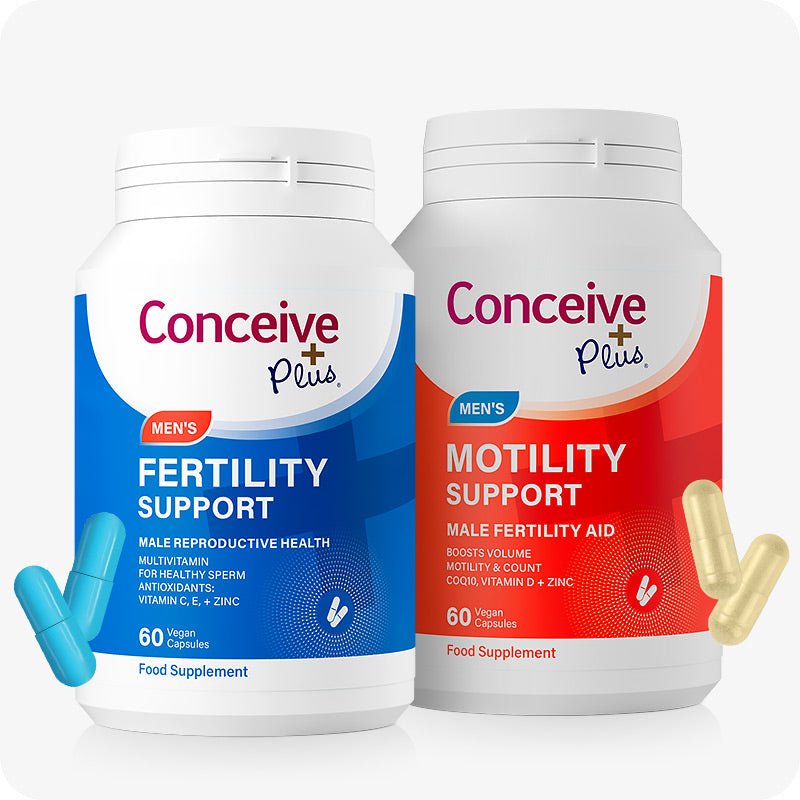
Conceive Plus Men's Fertility Support
Designed to support healthy sperm production, motility, and overall male reproductive health with clinically studied nutrients.
Shop Now →What is the sticky sperm IVF technique and how does it work?
This new technique uses hyaluronan, a naturally-occurring substance, to coat a special plate that only mature, healthy sperm with minimal DNA damage will stick to. These selected sperm are then used for injection into the egg during IVF treatment. Researchers at the University of Leeds believe this method could improve IVF success rates by ensuring only the best quality sppermatozoa are used for fertilisation.
Will this new sperm selection method be available on the NHS?
The technique is currently being tested in a £1.3 million clinical trial funded by the National Institute for Health Research, with results expected in the coming years. If the trial proves successful, it could eventually be offered through NHS fertility clinics, though any new treatment must first undergo assessment by NICE before being widely adopted. Currently, around 1 in 7 UK couples experience fertility issues, so improvements to IVF success rates would benefit many families trying to conceive.
What are the current IVF success rates in the UK?
According to the researchers behind this trial, on average three out of four IVF treatment cycles currently end in failure. Success rates vary depending on factors such as age, with the HFEA reporting higher success rates for women under 35. This is why new techniques like the sticky sperm selection method are being developed to help improve outcomes for couples undergoing fertility treatment.
How do I get referred for IVF treatment on the NHS?
If you've been trying to conceive for 12 months without success (or 6 months if you're over 36), you should speak to your GP who can arrange initial fertility tests and refer you to a specialist. NHS IVF eligibility criteria vary by Integrated Care Board (formerly CCG), so funding and waiting times differ across the country. NICE guidelines recommend that women under 40 should be offered three full cycles of IVF if they've been trying for two years.
What is hyaluronan and is it safe to use in fertility treatment?
Hyaluronan is a naturally-occurring substance already widely used in clinical treatments, including as a lubricant for joints like the knee, and in cosmetic products such as skin creams. It's considered safe for medical use and is already present in the natural coating that surrounds human eggs. The sticky sperm technique simply uses this substance to help identify which sperm are mature enough to bind to the egg naturally.
When is National Infertility Awareness Week in the UK?
National Infertility Awareness Week typically takes place in late October, with the 2023 trial launching on 28th October. This awareness week aims to reduce the stigma around fertility struggles and highlight the support available to the 1 in 7 UK couples who experience difficulties trying to conceive. Many fertility charities and NHS trusts run special events and information sessions during this time.
How can male fertility issues affect IVF success?
Male factor infertility contributes to around half of all fertility cases, making sperm quality a crucial factor in IVF success. Issues such as DNA damage in sperm can lead to failed fertilisation or early pregnancy loss, even when using techniques like ICSI. This new sticky sperm selection method specifically aims to identify sperm with little or no DNA damage, potentially improving outcomes for couples where male fertility is a concern.
Trusted by Couples in Over 70 Countries
Support Male Fertility From the Inside Out
Male fertility is just as important as female fertility in the conception journey. Conceive Plus Men's range delivers targeted nutritional support to promote healthy sperm and overall reproductive wellbeing.
Shop Men's Range →