Study ties chemical to possible miscarriage risk

✨ Trying to Conceive?
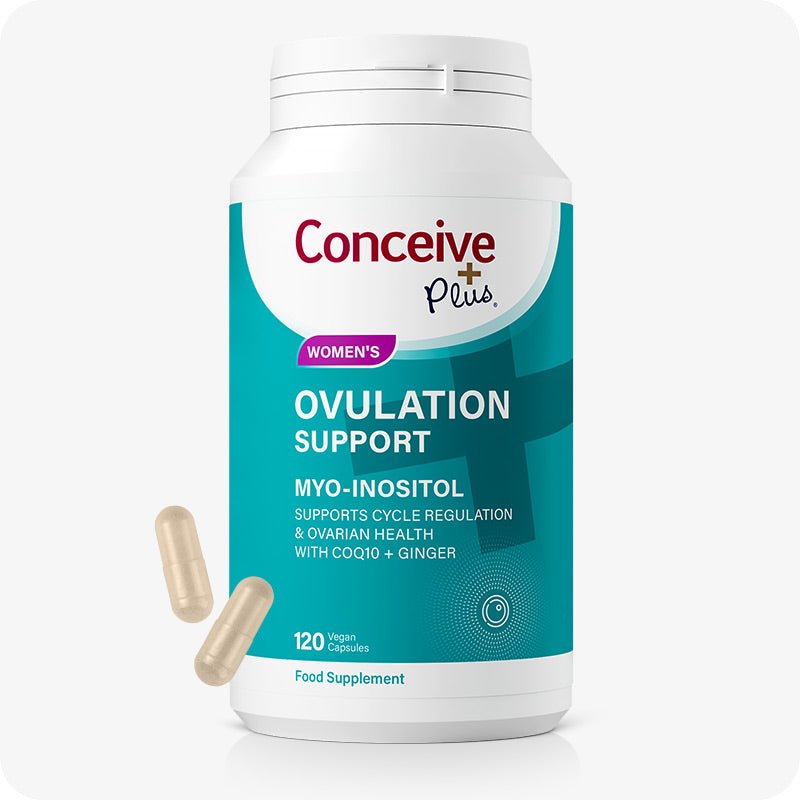
Our fertility supplements combine Myo-Inositol with essential vitamins to support healthy hormone balance and regular ovulation.
Shop Now — $36.00✓ Free shipping available | ✓ Trusted by millions of couples worldwide
🌱 Support Your Fertility Journey
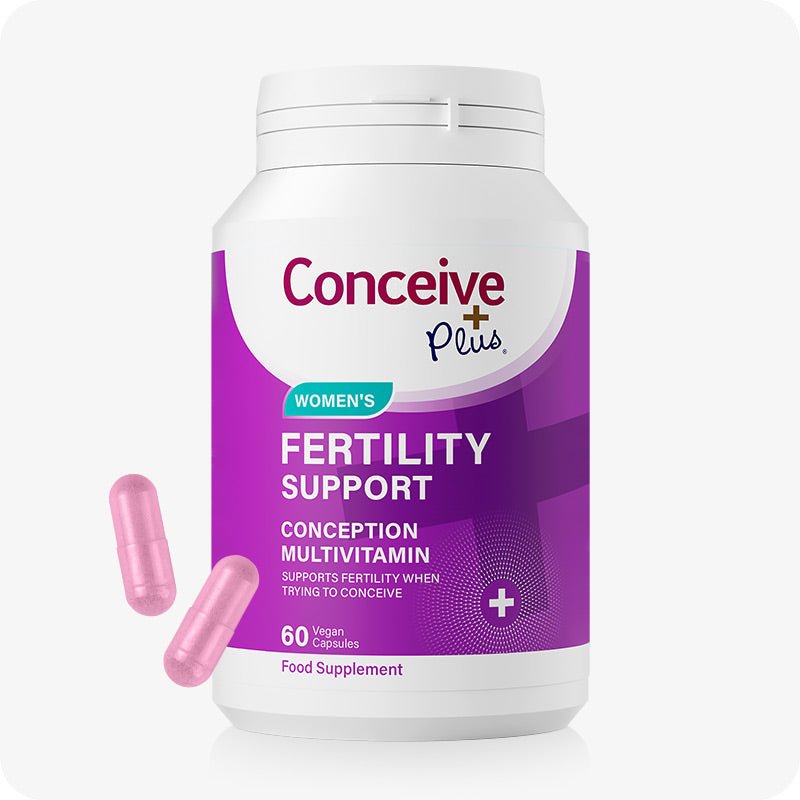
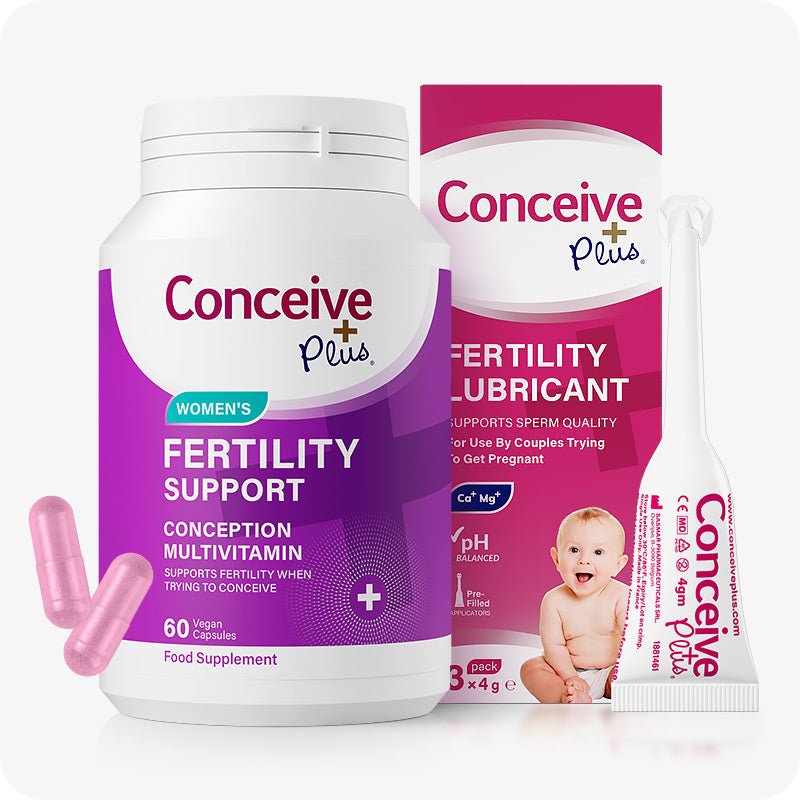
Conceive Plus fertility supplements are clinically formulated to help regulate your cycle and support egg quality.
Shop Fertility Support →Frequently Asked Questions
Recommended by Fertility Experts
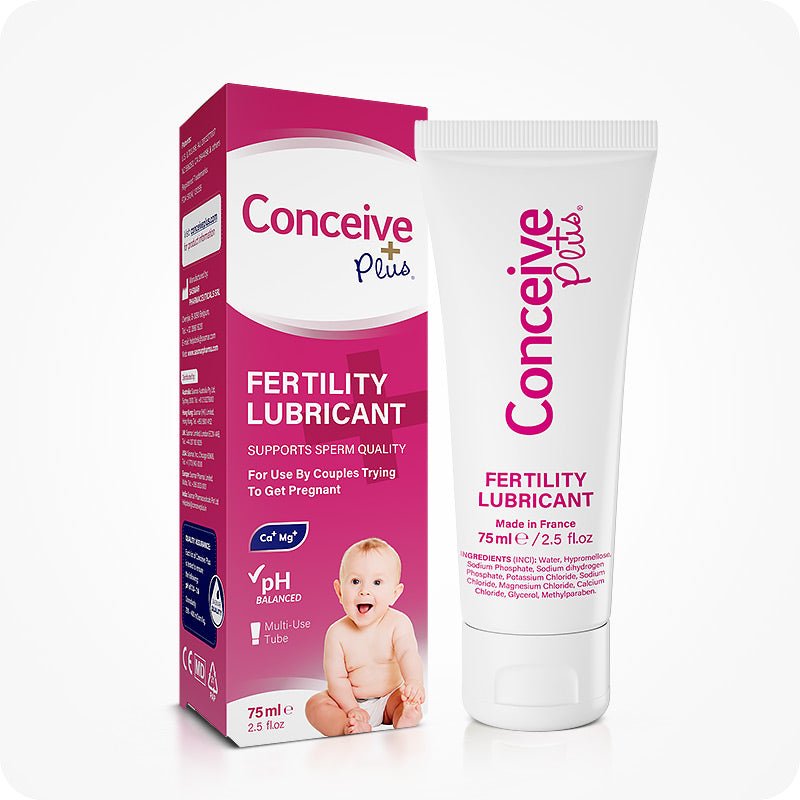
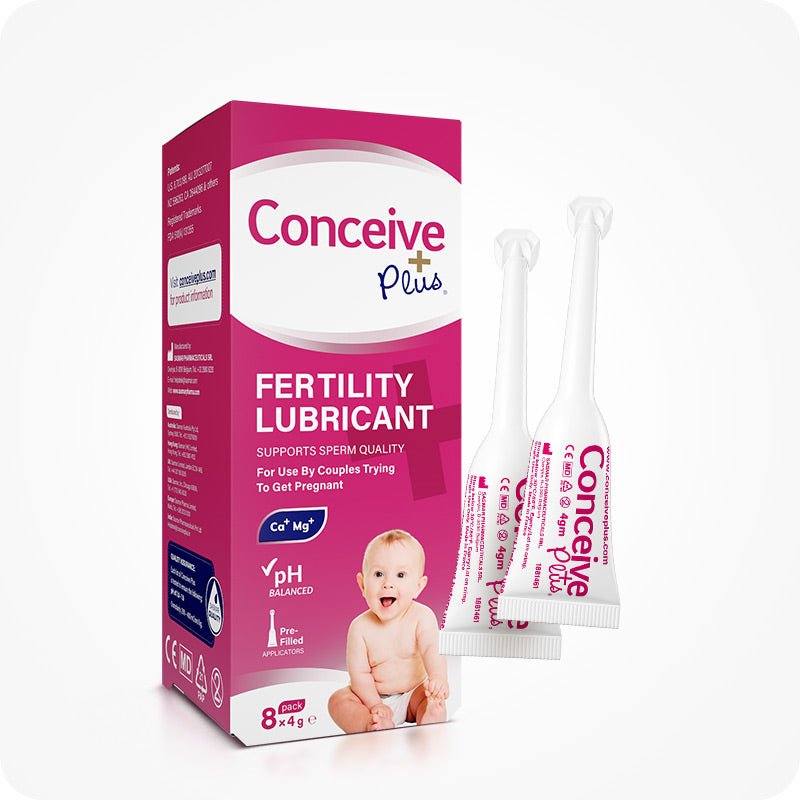
Conceive Plus Fertility Lubricant
Specially formulated to be sperm-friendly and isotonic, supporting your natural conception journey without disrupting the reproductive environment.
Shop Now →What is BPA and why should I be concerned about it when trying to conceive?
BPA (bisphenol-A) is a chemical found in many plastics and canned food linings that can have weak hormone-like effects in the body. Research suggests that high levels of BPA might be associated with an increased risk of miscarriage, particularly in women who have experienced fertility difficulties or previous pregnancy losses. Whilst the evidence is not yet conclusive, many couples who are TTC choose to reduce their BPA exposure as a precautionary measure.
How can I reduce my BPA exposure while trying to get pregnant in the UK?
You can minimise BPA exposure by avoiding plastic containers marked with recycling codes 3 or 7, choosing fresh or frozen foods over tinned alternatives, and using glass or stainless steel containers for food storage. Opt for BPA-free water bottles and avoid heating food in plastic containers. The NHS recommends maintaining a healthy lifestyle when trying to conceive, and reducing exposure to environmental chemicals can be part of this approach.
Should I ask my GP about BPA testing if I've had recurrent miscarriages?
Currently, BPA testing is not a standard part of NHS investigations for recurrent miscarriage. According to NICE guidelines, couples are typically offered investigations after three consecutive miscarriages, which focus on known causes such as chromosomal abnormalities, blood clotting disorders, and uterine abnormalities. However, you can discuss your concerns about environmental chemical exposure with your GP or fertility specialist, who may offer lifestyle advice to help reduce potential risks.
Does the NHS recognise BPA as a cause of fertility problems?
The NHS does not currently list BPA as a confirmed cause of fertility problems, as the research is still emerging and not yet conclusive. However, organisations like the American Society for Reproductive Medicine have called for greater attention to environmental chemicals and their potential effects on pregnancy. With 1 in 7 UK couples experiencing fertility issues, researchers continu
Will reducing BPA exposure help me get pregnant faster?
Whilst there is no guarantee that reducing BPA exposure will improve your chances of conception, limiting your exposure to potentially harmful chemicals is considered a sensible precaution when trying to conceive. The NHS recommends focusing on proven fertility-boosting measures such as maintaining a healthy weight, taking folic acid supplements, reducing alcohol intake, and stopping smoking. Reducing chemical exposure can be part of an overall healthy lifestyle approach to optimising your fertility.
Are certain women more at risk from BPA exposure during pregnancy?
The study mentioned suggests that women with a history of infertility or miscarriage may be more vulnerable to the potential effects of high BPA levels. Women in the highest quarter of BPA exposure had an 80 percent greater risk of miscarriage compared to those with the lowest levels. If you have experienced recurrent miscarriages or have been referred for fertility treatment on the NHS, it may be worth discussing environmental factors with your specialist.
What should I do if I'm worried about chemical exposure affecting my fertility?
If you're concerned about how environmental chemicals might be affecting your ability to conceive, speak with your GP who can provide advice and, if appropriate, refer you to a fertility specialist. The HFEA recommends that couples who have been trying to conceive for 12 months without success should seek medical advice. Your healthcare provider can help you focus on evidence-based steps to improve your fertility whilst you take sensible precautions to reduce unnecessary chemical exposures.
Trusted by Couples in Over 70 Countries
Start Your Fertility Journey With the Right Support
Conceive Plus Fertility Lubricant is specially formulated to be compatible with sperm, eggs, and embryos. Whether you are just starting out or have been trying for a while, our products are designed to work with your body — not against it.
Explore Fertility Lubricant →