When to Take a Pregnancy test for Optimal Results


When you are pregnant

✨ Trying to Conceive?
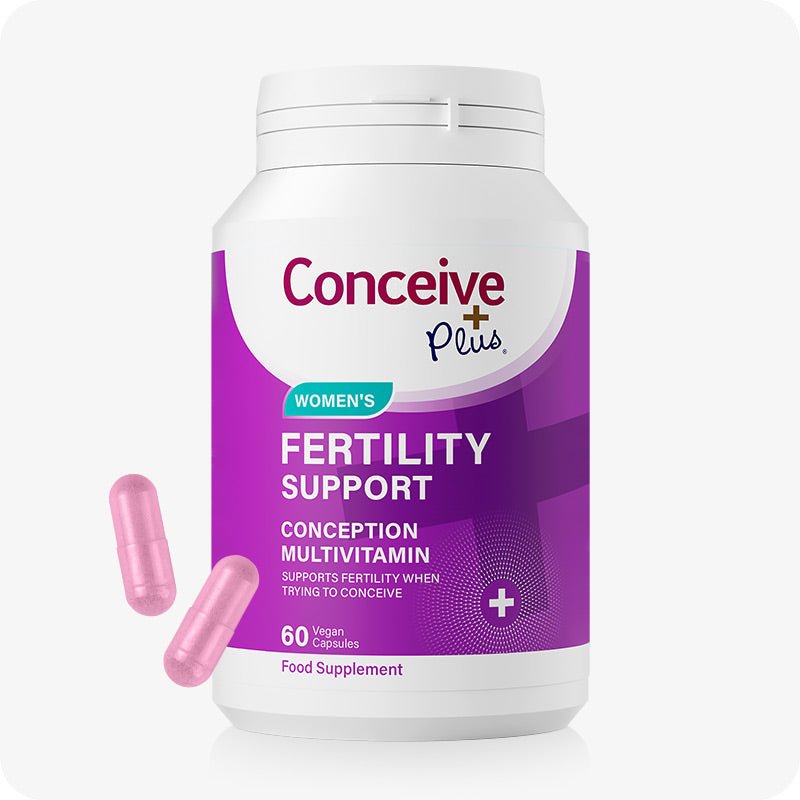
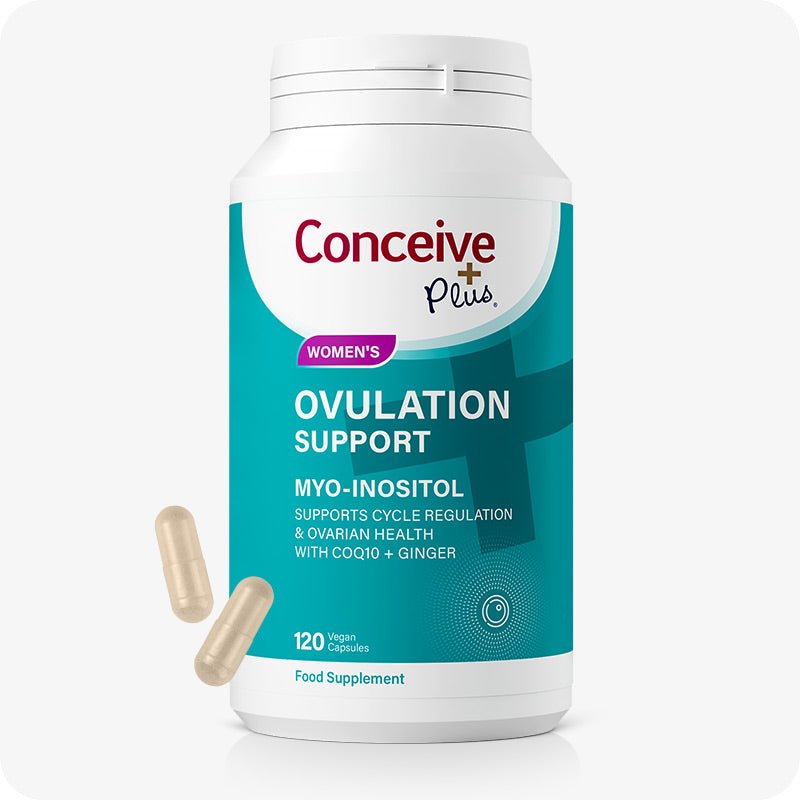
Our fertility supplements combine Myo-Inositol with essential vitamins to support healthy hormone balance and regular ovulation.
Shop Now — $36.00✓ Free shipping available | ✓ Trusted by millions of couples worldwide
Best Time to Take a Pregnancy test
Sometimes you may feel like taking a test early because you feel the signs that you might have conceived. The most popular first pregnancy signs are cramps, tender breasts, nausea, food aversions, exhaustion, frequent urination and missed period. Even if you feel one or several of these signs, the best time to take a pregnancy test is after your period is late. This assists you from getting false negative or false positive results. A number of home pregnancy tests claim to provide 99% accuracy on pregnancy results on the first day after you have missed your period. But research shows that most home pregnancy tests do not spot pregnancy that early. Even if they do, results tend to be almost nonexistent or so faint it can be misunderstood easily. And according to research and medical experts, it is recommended to wait until a week to get the optimal results. Waiting for seven days after you have missed your period gives you the best pregnancy result. If you can wait a week after missing your period, most of the pregnancy tests will give you an accurate answer.🌱 Support Your Fertility Journey
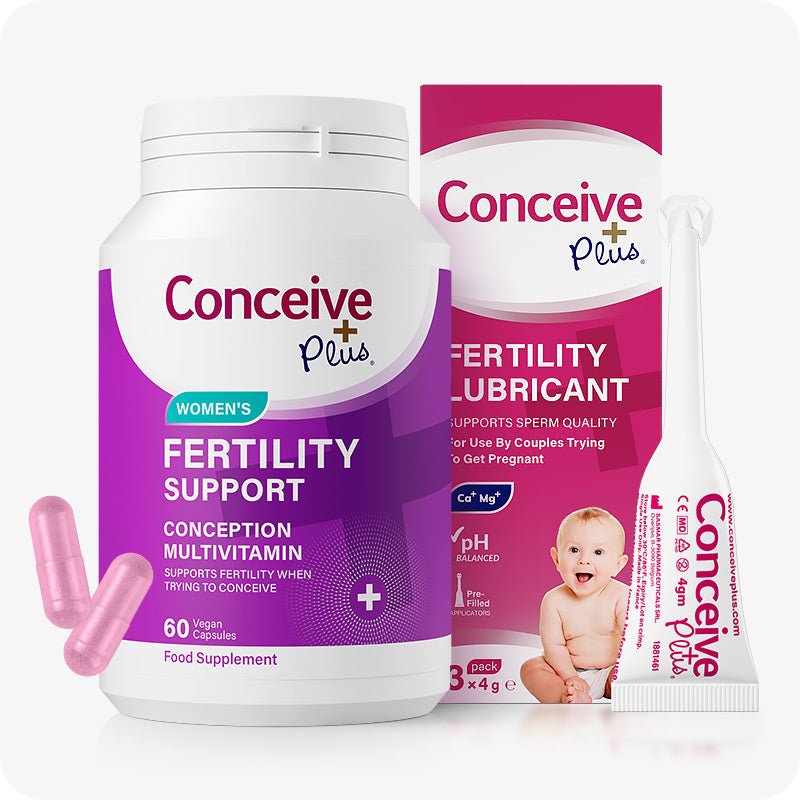
Conceive Plus fertility supplements are clinically formulated to help regulate your cycle and support egg quality.
Shop Fertility Support →Frequently Asked Questions
Recommended by Fertility Experts
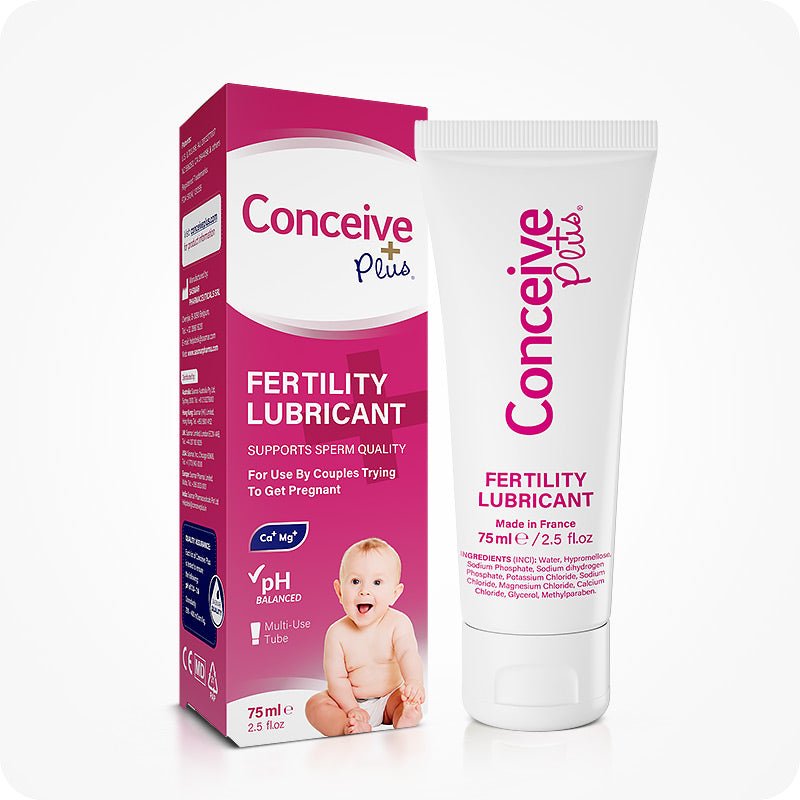
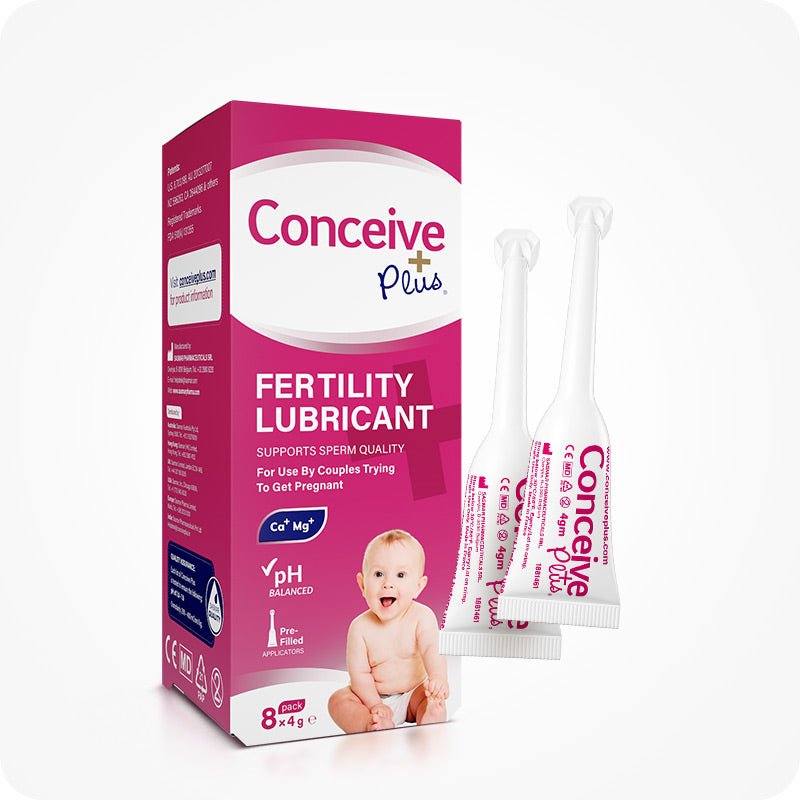
Conceive Plus Fertility Lubricant
Specially formulated to be sperm-friendly and isotonic, supporting your natural conception journey without disrupting the reproductive environment.
Shop Now →How soon can I take a pregnancy test after a missed period UK?
For the most accurate results, the NHS recommends waiting until the first day of your missed period before taking a pregnancy test. Testing too early may give a false negative as hCG levels might not yet be high enough to detect, even if you have conceived.
What time of day is best to take a pregnancy test?
First thing in the morning is the optimal time to take a pregnancy test, as your urine is more concentrated after a night's sleep. This means hCG levels will be at their highest, giving you the most reliable result, particularly if you're testing early.
Can I get a free pregnancy test on the NHS?
Yes, you can obtain a free pregnancy test through your GP surgery, sexual health clinic, or some NHS walk-in centres across the UK. Alternatively, home pregnancy tests are widely available from pharmacies and supermarkets if you prefer to test privately at home.
How accurate are home pregnancy tests UK?
When used correctly and at the right time, home pregnancy tests are over 99% accurate according to NHS guidance. However, accuracy can be affected by testing too early, not following the manufacturer's instructions properly, or drinking excessive fluids beforehand which may dilute your urine.
What should I do after a positive pregnancy test UK?
Once you receive a positive result, you should contact your GP surgery to arrange your antenatal care and book your first midwife appointment. The NHS recommends doing this as early as possible, ideally before you're 10 weeks pregnant, so you can access all the recommended scans and checks.
Why do I have pregnancy symptoms but a negative test?
If you're experiencing symptoms like nausea, tiredness, or tender breasts but your test is negative, you may have tested too early before hCG levels were detectable. Wait a few days and test again using your first morning urine; if symptoms persist with continued negative results, speak to your GP as other conditions can mimic early pregnancy signs.
How many days after implantation can I test?
Implantation typically occurs 6-12 days after ovulation, and it takes a further few days for hCG levels to rise sufficiently to be detected. Most pregnancy tests will give an accurate result around 14 days after conception, which is roughly when your period would be due.
Trusted by Couples in Over 70 Countries
Start Your Fertility Journey With the Right Support
Conceive Plus Fertility Lubricant is specially formulated to be compatible with sperm, eggs, and embryos. Whether you are just starting out or have been trying for a while, our products are designed to work with your body — not against it.
Explore Fertility Lubricant →