The Best Time to Use a Fertility Lubricant When Timing Intercourse for Conception


Timing intercourse is one of the most important — and most frequently misunderstood — aspects of trying to conceive. Many couples assume that having sex frequently throughout the cycle is the key to conception, but the biology of fertilisation is far more specific than that. Combining precise cycle awareness with the right fertility lubricant at the right time can meaningfully improve your chances. This guide explains the science behind timing, how to identify your fertile window, and exactly when to use a fertility lubricant like Conceive Plus for best results.
Understanding Your Fertile Window
The fertile window is the period during your menstrual cycle when conception is biologically possible. It spans the five days before ovulation plus the day of ovulation itself — a total of approximately six days. However, the highest probability of conception occurs in the two to three days immediately preceding ovulation and on the day of ovulation.
The reason the window opens before ovulation is that sperm can survive in the female reproductive tract for three to five days under the right conditions — particularly when fertile cervical mucus is present. An egg, by contrast, is viable for only 12 to 24 hours after ovulation. This asymmetry in survival times means that having sperm already present in the fallopian tubes when the egg is released is optimal strategy.
In a textbook 28-day cycle, ovulation occurs around day 14. But cycles vary significantly between individuals — and even within the same person from month to month. A 2013 study published in Human Reproduction found that fewer than 30% of women have their fertile window between days 10 and 17, meaning the majority ovulate outside the popularly assumed timeframe. Relying on calendar counting alone is therefore unreliable for most women.
💙 Support Sperm Survival in Your Fertile Window
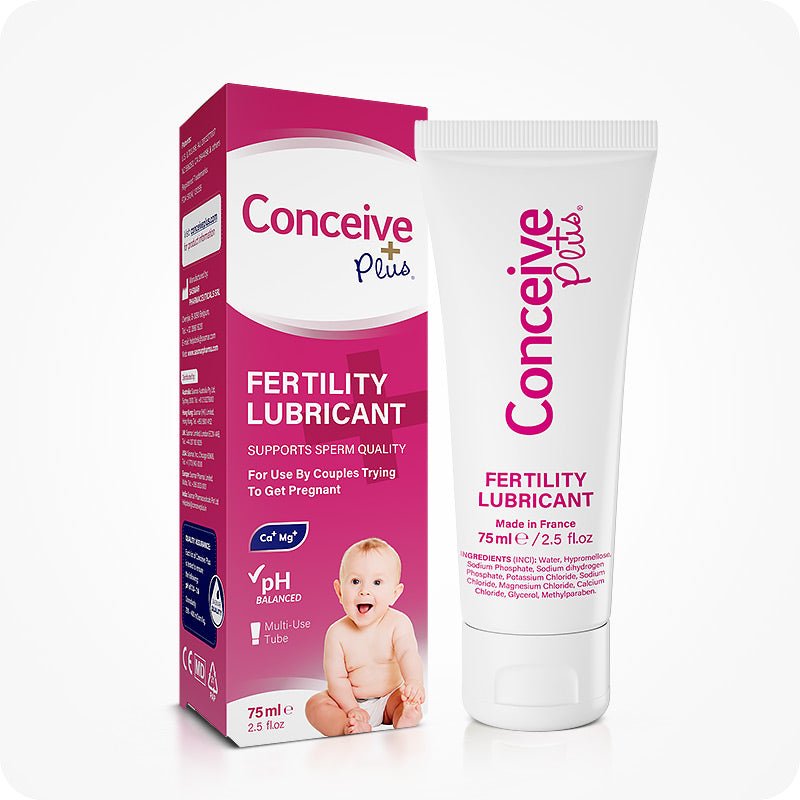
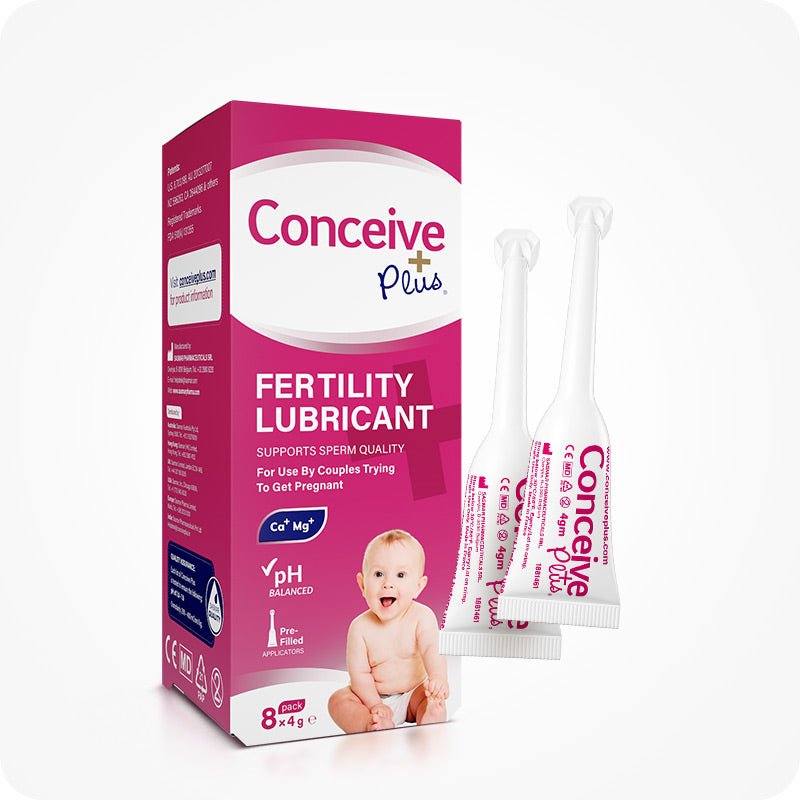
Conceive Plus Fertility Lubricant is formulated with the ionic balance and pH of fertile cervical mucus — giving sperm the best environment to survive and swim. Shop Conceive Plus Fertility Lubricant →
How to Accurately Identify Ovulation
Accurate ovulation detection is the foundation of effective cycle timing. Several methods can help:
Basal body temperature (BBT) charting: Your resting temperature rises slightly (0.2–0.5°C) after ovulation due to progesterone. While BBT confirms that ovulation has occurred, the rise happens after the egg has already been released — so it helps you understand your pattern retrospectively rather than giving advance notice.
Cervical mucus monitoring: Oestrogen causes cervical mucus to become progressively clearer, more stretchy (similar to raw egg white), and more abundant in the days approaching ovulation. This fertile-quality mucus creates channels that help sperm swim through the cervix. When you observe this type of mucus, you are approaching or at your most fertile time.
Ovulation predictor kits (OPKs): These urine-based tests detect the luteinising hormone (LH) surge that precedes ovulation by 24–36 hours. When your OPK shows a positive result, ovulation is imminent — meaning the next one to two days are peak fertility time. OPKs are one of the most practical and reliable ways to identify your fertile window in real time.
Cycle tracking apps: Apps that use algorithms to predict ovulation based on cycle length can be helpful as a starting point, but they work best when combined with physical signs (mucus, BBT, OPK results) rather than used alone. The American College of Obstetricians and Gynecologists (ACOG) notes that algorithm-only predictions carry significant variability.
The Role of Cervical Mucus in Conception — and Why Lubricant Matters
Fertile cervical mucus is not simply a comfort feature — it is a biological mechanism essential to conception. As you approach ovulation, oestrogen stimulates the cervix to produce mucus with a specific structure: it forms microscopic channels that align to allow sperm to swim efficiently from the vagina through the cervix and into the uterus. This mucus also nourishes and buffers sperm, helping them survive for several days.
Outside the fertile window, cervical mucus is thick, acidic, and impenetrable — its purpose is to block pathogens (and also sperm). At peak fertility, the transformation is dramatic.
The challenge for many women is that fertile-quality cervical mucus can be insufficient — reduced by antihistamines, dehydration, certain fertility medications like clomiphene citrate, or underlying hormonal issues. When natural lubrication is insufficient during intercourse, couples often reach for personal lubricants. But nearly all standard lubricants are harmful to sperm — studies show they can reduce sperm motility by 60–100% through osmotic shock and direct toxicity.
This is where a properly formulated fertility lubricant becomes genuinely important. Conceive Plus is designed to replicate the biochemical properties of fertile cervical mucus: its pH of 7.2–8.2 matches the alkaline environment of optimal fertility, and it contains calcium and magnesium ions at concentrations that support sperm capacitation — the biological maturation process sperm must complete to fertilise an egg.
💙 Replicate Fertile Cervical Mucus
When natural lubrication is limited, Conceive Plus provides the ideal pH and ionic environment for sperm to survive and reach the egg. Shop Conceive Plus Fertility Lubricant →
Exactly When to Use a Fertility Lubricant
The timing of fertility lubricant use matters. Here is the evidence-based approach:
During your fertile window only — not throughout the whole cycle. Fertility lubricants like Conceive Plus are formulated specifically to support sperm function. They are intended for use on the days when sperm need to survive and reach the egg — that is, the five to six days of your fertile window. Using a lubricant on non-fertile days is not harmful, but it is not particularly useful for conception purposes either.
At the point of intercourse, not hours before. While Conceive Plus pre-filled applicators allow for internal application before intercourse, the lubricant should be applied shortly before sex (within 30 minutes), not hours in advance. The goal is to have the lubricant present in the vaginal and cervical environment when sperm are introduced.
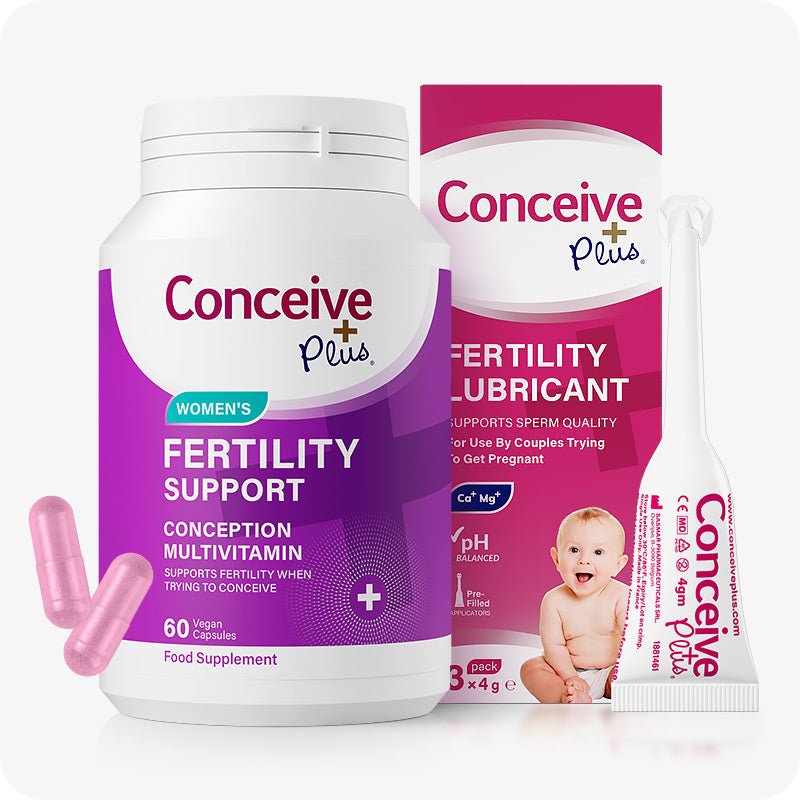
Internal application is more effective than external. Conceive Plus offers single-use pre-filled applicators that deliver lubricant directly to the cervical area — the same anatomical location targeted by fertile cervical mucus. Internal application means the sperm encounter the optimal pH and ionic environment from the moment of ejaculation, rather than only at the vaginal opening. Studies on fertility lubricants consistently show that internal placement provides better sperm exposure to the beneficial formulation.
Pair lubricant use with your OPK results. If you are using OPKs, begin using Conceive Plus from the first day of a positive result. Continue using it through the next two days. This aligns lubricant use with your peak fertility days and the 24–36 hours following your LH surge when ovulation is most likely to occur.
How Frequently Should You Have Sex During the Fertile Window?
Clinical guidance has evolved on this question. Early fertility advice suggested abstaining for several days before the fertile window to maximise sperm count — but research has largely reversed this recommendation. A 2016 study in Fertility and Sterility found that daily or every-other-day intercourse during the fertile window resulted in comparable conception rates, with no meaningful benefit to extended abstinence periods beyond 48 hours.
Current guidance from organisations including the National Institute for Health and Care Excellence (NICE) in the UK recommends having regular vaginal intercourse — every two to three days — throughout the month, with particular attention to the fertile window. For couples who are actively timing intercourse, having sex on the two to three days before ovulation and on the day of ovulation itself maximises the probability of sperm being present in the fallopian tubes when the egg is released.
For men with normal semen parameters, there is no benefit to banking sperm through abstinence, and daily sex during the fertile window is entirely appropriate. For men with borderline semen parameters, every-other-day sex during the fertile window balances sperm count optimisation with ensuring regular fresh sperm exposure.
Common Timing Mistakes to Avoid
Even couples who understand cycle biology make timing errors that reduce their monthly probability of conception:
Waiting for a BBT rise before having sex. By the time your basal body temperature rises, ovulation has already occurred and the egg's viability window is rapidly closing. BBT should be used for retrospective cycle awareness, not to trigger intercourse.
Relying solely on a 28-day cycle assumption. The average cycle length varies widely. A 2019 analysis of over 600,000 menstrual cycles published in npj Digital Medicine found that only 13% of cycles were exactly 28 days. Use physical signs and OPKs rather than calendar dates alone.
Using standard lubricants during fertile window intercourse. Even if you time everything else perfectly, using a sperm-toxic lubricant during intercourse in your fertile window actively undermines your efforts. If you need lubrication — and many couples do, particularly as intercourse becomes more timed and potentially more clinical-feeling — switch to Conceive Plus.
Stopping sex after a positive OPK. The LH surge triggers ovulation within 24–36 hours. Having sex on the day of the surge and the following day maximises coverage of the actual ovulation event. Do not treat a positive OPK as a single target — it announces a window, not a single moment.
💙 Time Intercourse With Confidence
Use Conceive Plus during your OPK-confirmed fertile window for optimal sperm support at the moment it matters most. Shop Conceive Plus Fertility Lubricant →
Frequently Asked Questions
When is the best time to have sex when trying to conceive?
The highest probability of conception comes from having sex in the two to three days before ovulation and on the day of ovulation itself. Using an OPK to detect your LH surge gives you 24–36 hours of advance notice of ovulation. Having sex on the day of a positive OPK and the following day ensures optimal timing coverage.
Should I use a fertility lubricant every time I have sex during my fertile window?
Yes — if you use any lubricant at all during your fertile window, it should be a fertility-specific lubricant like Conceive Plus. Standard personal lubricants reduce sperm motility significantly. Conceive Plus can be used for every intercourse session in your fertile window without concern.
Does Conceive Plus affect OPK test results?
No. Conceive Plus does not interfere with urine-based ovulation predictor kit results. OPKs test urine samples and are not affected by any vaginal lubricant product.
Can I use Conceive Plus if I have irregular cycles?
Yes. Conceive Plus is appropriate for any woman who is trying to conceive, regardless of cycle regularity. For women with irregular cycles, OPKs are particularly valuable since calendar-based prediction is less reliable. Use Conceive Plus whenever you are having sex with the intention of conceiving, particularly when OPK results suggest you are approaching ovulation.
How much Conceive Plus should I use each time?
If using the pre-filled applicators, one applicator per session is appropriate. If using the tube format externally, a small amount (approximately 3–5 ml) is sufficient. Follow the product instructions for specific guidance. More is not necessarily better — the goal is to provide an appropriate lubricating environment, not to flood the vaginal canal.
Is there anything I should do after sex to improve my chances of conceiving?
There is limited evidence that lying flat for 10–15 minutes after intercourse improves conception rates, though some fertility specialists suggest it as a low-risk option. Standing up immediately after sex does not prevent conception — sperm move rapidly and independently of gravity. Avoid washing out the vaginal area immediately after sex, as this may remove lubricant and sperm before they have had time to progress through the cervix.
💙 Shop Conceive Plus in the UK
FDA cleared, clinically formulated, and available for UK delivery. Give every fertile-window intercourse session the support it deserves. Shop Conceive Plus Fertility Lubricant →