The Two-Week Wait: A Complete Survival Guide for the Luteal Phase in 2026


You've done everything right. You've tracked your cycle, timed things perfectly, and now you're in the dreaded two-week wait — that agonising stretch of time between ovulation and your expected period. If you've found yourself Googling every twinge, cramp, or unusual feeling at 2am, you are absolutely not alone.
The two-week wait (TWW) is one of the most emotionally intense experiences in the trying-to-conceive (TTC) journey. It's a liminal space where hope and anxiety exist in equal measure, where every symptom feels significant and uncertainty reigns supreme. For many women, it can feel more challenging than any other part of the fertility journey.
This comprehensive guide is here to support you through the TWW — with real science, practical strategies, and compassionate advice. We'll walk you through what's actually happening in your body during the luteal phase, how to distinguish early pregnancy signs from PMS, and what genuinely helps during those long two weeks. Whether this is your first cycle trying or you've been on this journey for a while, we hope this resource brings you clarity, calm, and a sense of empowerment.
What Is the Two-Week Wait? Understanding the Luteal Phase
The two-week wait refers to the luteal phase of your menstrual cycle — the roughly 12 to 16 days between ovulation and either a positive pregnancy test or the start of your next period. It's called the "two-week wait" because, on average, this phase lasts approximately 14 days, though it can vary from woman to woman.
During this phase, your body is doing extraordinary work. After ovulation, the empty follicle that released your egg transforms into a temporary glandular structure called the corpus luteum. This structure produces progesterone — a hormone that is absolutely critical for a potential pregnancy. Progesterone thickens the uterine lining, making it receptive to a fertilised egg, and helps maintain early pregnancy if implantation occurs.
If fertilisation has taken place, the fertilised egg (now called a blastocyst) travels down the fallopian tube and, around 6 to 12 days after ovulation, attempts to implant into the uterine lining. If implantation is successful, your body begins producing human chorionic gonadotrophin (hCG) — the hormone detected by pregnancy tests. Levels of hCG typically double every 48 to 72 hours in early pregnancy.
If fertilisation or implantation does not occur, the corpus luteum breaks down, progesterone levels fall, and your period begins.
Key facts about the luteal phase:
- The luteal phase typically lasts 12–16 days
- A luteal phase shorter than 10 days may be associated with fertility challenges
- Progesterone is the dominant hormone during this phase
- Implantation generally occurs between 6–12 days post-ovulation
- hCG (the "pregnancy hormone") becomes detectable around 10–14 days post-ovulation
According to the NHS, most healthy couples under 35 conceive within a year of trying, with about 84% achieving pregnancy within 12 months. Understanding the luteal phase is an important part of understanding your fertility — and yourself.
Early Pregnancy Symptoms vs PMS: How to Tell the Difference
Recommended by Fertility Experts
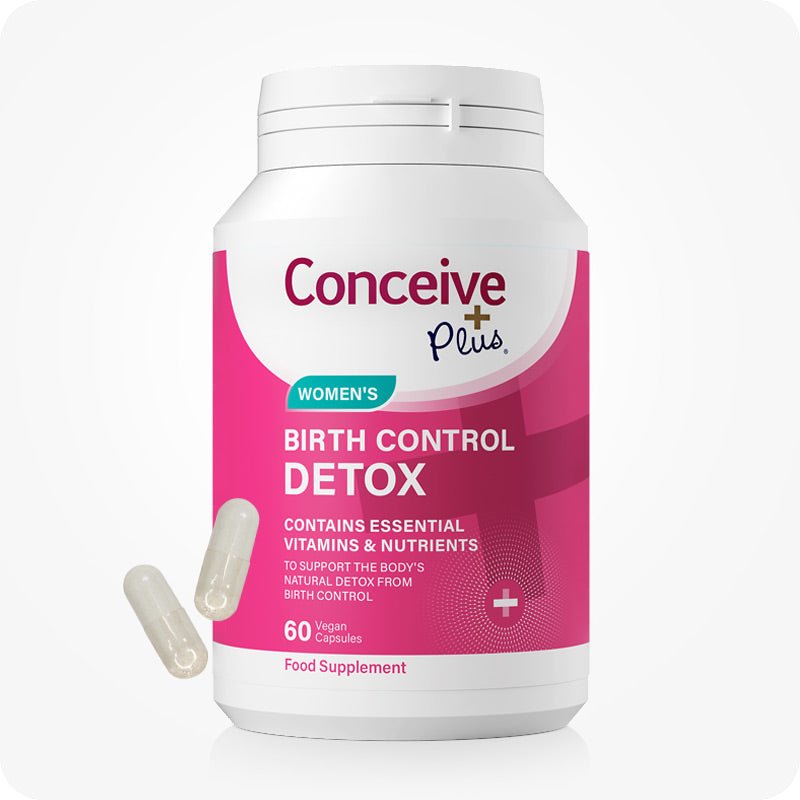
Conceive Plus Fertility Supplements
Science-backed vitamins and supplements expertly formulated to nourish your body and support reproductive health at every stage.
Shop Now →Here's an uncomfortable truth: early pregnancy symptoms and PMS symptoms are remarkably similar. Both are driven largely by progesterone, which is elevated whether you're pregnant or simply in the luteal phase of a non-conception cycle. This overlap is one of the main reasons the TWW is so mentally taxing.
Common symptoms that appear in BOTH early pregnancy and PMS:
- Breast tenderness or soreness
- Bloating and abdominal discomfort
- Fatigue and tiredness
- Mood changes, irritability, or emotional sensitivity
- Mild cramping
- Headaches
- Changes in appetite
- Nausea (can occur in both, though more common in pregnancy)
Symptoms that may lean more towards early pregnancy:
- Implantation bleeding — light spotting or pink/brown discharge around 6–12 DPO (days past ovulation). This occurs in roughly 25–30% of pregnant women.
- Heightened sense of smell — a notable sensitivity to odours is more commonly associated with early pregnancy
- Metallic taste in the mouth — sometimes reported in early pregnancy
- Unusually sore or heavy breasts — though breast tenderness alone is not a reliable indicator
- Elevated basal body temperature (BBT) sustained beyond 16+ days — if you're tracking BBT and it remains elevated past day 16 of your luteal phase, this is a promising sign
A 2023 study published in Fertility and Sterility found that symptom tracking alone during the TWW was a poor predictor of pregnancy outcome — most women who experienced classic "pregnancy symptoms" were not pregnant, and some women who were pregnant experienced very few symptoms at all. The researchers emphasised that the only reliable way to confirm pregnancy during the TWW is a pregnancy test.
This doesn't mean your symptoms aren't real or valid — they absolutely are. But try to hold them lightly rather than treating them as definitive evidence either way.
The Emotional Rollercoaster: Managing TWW Anxiety
The psychological burden of the two-week wait is very real and very well-documented. Research published in Human Reproduction has consistently found that women undergoing fertility treatment report levels of anxiety during the TWW comparable to those experienced by people facing serious medical diagnoses. Even for those trying naturally, the emotional intensity can be overwhelming.
The pattern often looks like this: the first few days after ovulation feel manageable. Then, as you approach the middle of the TWW, symptom-spotting begins in earnest. By days 10–14, the anxiety typically peaks. Many women describe a cycle of hope and self-protective pessimism — trying not to get too excited whilst simultaneously imagining positive results.
Strategies that genuinely help with TWW anxiety:
- Name what you're feeling. Simply labelling emotions — "I'm feeling anxious right now" — has been shown to reduce the intensity of those feelings in neuroscience research.
- Set a test date and stick to it. Decide in advance when you'll test (ideally at least 12–14 DPO) and resist the urge to test earlier. Early testing often leads to confusing or heartbreaking false negatives.
- Limit your time on TTC forums. Online communities can be a wonderful source of support, but they can also amplify anxiety. Set boundaries around how much time you spend symptom-spotting with others.
- Stay gently active. Moderate exercise — walking, yoga, swimming — can help regulate mood through endorphin release. Avoid very high-intensity exercise, which some research suggests may be counterproductive during the luteal phase.
- Use mindfulness or breathing techniques. Apps like Headspace or Calm offer specific fertility-related meditations that many women find genuinely helpful.
- Talk to someone. Whether a partner, close friend, or fertility counsellor, sharing the experience reduces the burden. The British Infertility Counselling Association (BICA) can help you find qualified support.
Remember: experiencing anxiety during the TWW does not negatively affect your chances of conception. Your body is resilient. Allow yourself to feel what you feel without adding guilt to the mix.
What to Do (and Not Do) During the Two-Week Wait
One of the most common questions women have during the TWW is: "Should I change anything about my behaviour?" The good news is that for the most part, normal daily life is absolutely fine. Here's a practical breakdown:
✅ Things that are safe and beneficial:
- Continuing your normal work and social activities
- Moderate exercise (walking, yoga, light swimming)
- Taking a folic acid supplement (400mcg daily, as recommended by the NHS)
- Eating a balanced, nutritious diet
- Getting adequate sleep (7–9 hours)
- Staying hydrated
- Having sex — there's no evidence this disrupts implantation
- Drinking moderate amounts of caffeine (the NHS recommends staying under 200mg per day during the TWW)
❌ Things to avoid or minimise:
- Alcohol — the NHS advises avoiding alcohol when trying to conceive, particularly during the TWW when implantation may be occurring
- Smoking — significantly impacts fertility and early pregnancy outcomes
- Hot tubs and saunas — very high body temperatures are not recommended
- Excessive high-impact exercise — some research suggests very intense workouts may reduce progesterone levels during the luteal phase
- Certain medications — NSAIDs like ibuprofen have been associated with impaired implantation in some studies; paracetamol is generally considered safer if pain relief is needed (always consult your GP)
- Excessive stress — whilst stress alone is unlikely to prevent pregnancy, chronic elevated cortisol can interfere with reproductive hormones
One evidence-based tip: if you haven't already started a prenatal vitamin, now is a great time. Many of the nutrients critical for early fetal development — including folic acid, vitamin D, and iodine — are needed before you even know you're pregnant.
Nutrition and Lifestyle During the Luteal Phase
What you eat and how you live during the luteal phase can genuinely support your body's reproductive processes. Whilst no dietary approach can guarantee conception, emerging research suggests that certain nutritional strategies may support progesterone production, uterine receptivity, and overall reproductive health.
Key nutrients for the luteal phase:
- Magnesium — supports progesterone production and helps regulate mood. Found in dark leafy greens, nuts, seeds, and dark chocolate. A 2022 review in Nutrients found that magnesium deficiency was associated with luteal phase insufficiency.
- Vitamin B6 — crucial for progesterone synthesis. Found in poultry, fish, bananas, and potatoes. Some research suggests B6 supplementation may support luteal phase length.
- Zinc — important for egg quality and hormone balance. Found in lean meats, shellfish, legumes, and seeds.
- Vitamin C — antioxidant that may support corpus luteum function. Found in citrus fruits, peppers, and berries.
- Omega-3 fatty acids — anti-inflammatory and supportive of uterine blood flow. Found in oily fish (salmon, mackerel, sardines), walnuts, and flaxseeds.
- Iron — adequate iron stores support overall reproductive health. Found in red meat, lentils, spinach, and fortified cereals.
Dietary patterns that support the luteal phase:
- A Mediterranean-style diet — rich in vegetables, fruits, whole grains, legumes, and healthy fats — has been associated with improved fertility outcomes in multiple studies
- Reducing ultra-processed foods and added sugars, which can drive inflammation
- Maintaining stable blood sugar through regular, balanced meals — blood sugar spikes and crashes can affect hormonal balance
- Prioritising protein at each meal to support hormone production
Lifestyle factors:
- Sleep quality — disrupted sleep affects melatonin and cortisol, both of which interact with reproductive hormones. Aim for consistent sleep and wake times.
- Stress management — chronic stress elevates cortisol, which can suppress progesterone. Incorporate regular stress-reduction practices: breathwork, time in nature, creative activities.
- Moderate movement — aim for 150 minutes of moderate activity per week, as recommended by NHS guidelines. Yoga in particular has been studied for its potential benefits on reproductive health.
When to Take a Pregnancy Test for Accurate Results
This is the question that consumes most women during the TWW: when can I test? The temptation to test early is enormous, but early testing — particularly before 10 DPO — dramatically increases the risk of a false negative result, and can also reveal chemical pregnancies (very early losses) that might not have been known otherwise, adding unnecessary heartache.
Understanding hCG levels and test sensitivity:
Home pregnancy tests work by detecting hCG in your urine. After implantation (which typically occurs 6–12 DPO), hCG levels begin rising and roughly double every 48–72 hours. Most standard home pregnancy tests can detect hCG at levels of 25 mIU/mL or above, though some early detection tests claim sensitivity down to 10 mIU/mL.
The problem is that hCG levels vary considerably between individuals in early pregnancy. At 10 DPO, some women who are pregnant will have hCG levels that are detectable, whilst others won't reach detectable levels until 14 DPO or later.
Testing timeline recommendations:
- 10 DPO: Some early tests may show a faint positive, but false negatives are still common
- 12 DPO: More reliable; still some false negatives possible
- 14 DPO (day of expected period): Most reliable for standard tests; a negative at this point is likely accurate
- First morning urine: Always use your first morning urine — it's the most concentrated and will give the most accurate result
If you get a negative result at 14 DPO but your period doesn't arrive, test again in 48 hours. Some women with later implantation may not test positive until 16+ DPO.
A 2024 survey by Fertility Network UK found that 68% of women tested before their expected period date, with 41% testing before 12 DPO. Whilst understandable, earlier testing was associated with higher levels of anxiety and emotional distress following negative results.
Supporting Implantation: What Science Actually Says
The question of how to "support implantation" is one of the most hotly debated in the TTC community. The internet is full of advice — some science-based, some not. Let's look at what the research actually tells us.
What the evidence supports:
- Maintaining a healthy uterine lining. Adequate oestrogen during the follicular phase and sufficient progesterone during the luteal phase are the primary drivers of uterine receptivity. Nutrition and stress management indirectly support these hormones.
- Adequate blood flow to the uterus. Some research suggests that moderate exercise and acupuncture may improve uterine blood flow, though evidence is not conclusive.
- Antioxidants. Oxidative stress can damage the uterine environment. A diet rich in antioxidants — vitamins C and E, selenium, and CoQ10 — may support a healthier reproductive environment.
- Folic acid. The NHS recommends 400mcg of folic acid daily for anyone trying to conceive and throughout the first 12 weeks of pregnancy, as it significantly reduces the risk of neural tube defects.
- Vitamin D. Multiple studies have associated adequate vitamin D levels with improved implantation rates and pregnancy outcomes. The NHS recommends that everyone in the UK take a daily vitamin D supplement, particularly from October to March.
What the evidence does NOT support:
- Lying down after sex or embryo transfer (studies have not demonstrated benefit)
- Pineapple core or Brazil nuts (popular TTC "remedies" with no clinical evidence)
- Complete rest — unless specifically advised by a fertility specialist
The most honest answer is that if fertilisation and implantation are going to occur, they're driven by biological factors that are largely beyond our conscious control. What we can do is create the best possible environment through nutrition, sleep, stress management, and appropriate supplementation.
How Supplements Support Your Luteal Phase
During the two-week wait — and throughout your entire TTC journey — targeted nutritional support can help fill the gaps in your diet and ensure your body has everything it needs for optimal reproductive health.
Many women find that the TWW is an ideal time to focus on nutritional foundations — not because supplements can directly influence whether implantation occurs, but because they support the overall hormonal and cellular environment that makes conception more likely over time.
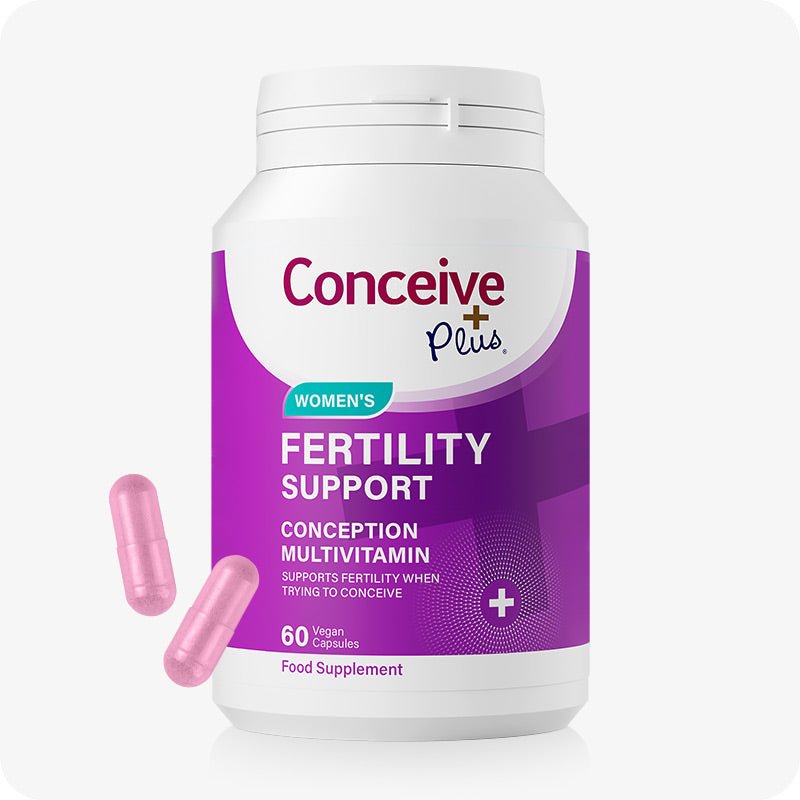
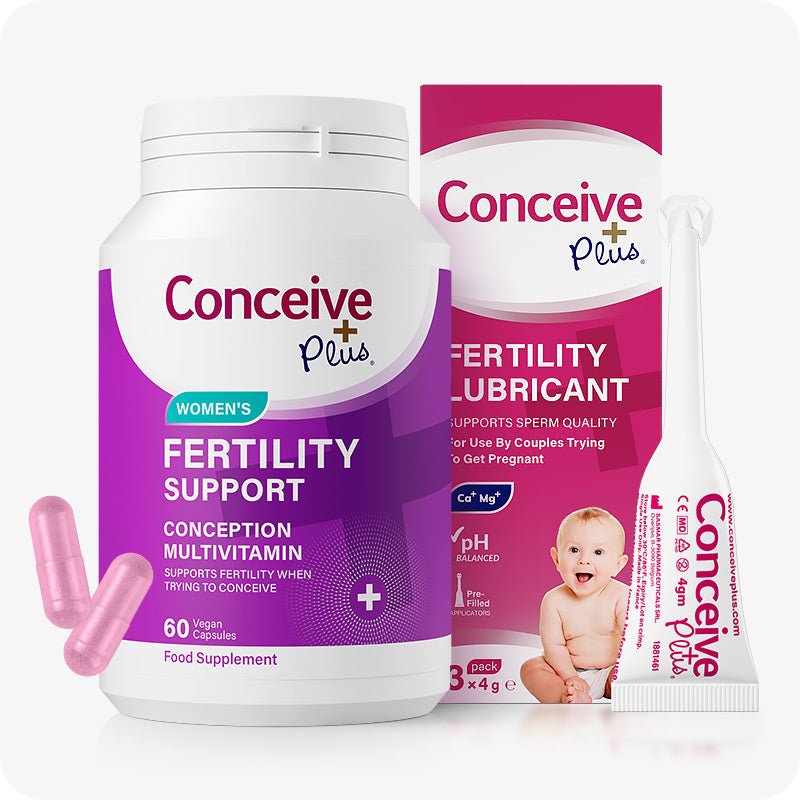
Conceive Plus Women's Fertility Support is specifically formulated for women who are trying to conceive. It contains a comprehensive blend of key nutrients including folic acid (in the bioavailable methylfolate form), vitamin D3, CoQ10, myo-inositol, and a range of antioxidants — all at clinically relevant doses. The inclusion of CoQ10 is particularly noteworthy, as research published in the Journal of Assisted Reproduction and Genetics has highlighted its role in supporting egg quality and mitochondrial function.
For those looking for comprehensive prenatal nutritional support, Conceive Plus Prenatal Vitamins provide a full-spectrum multivitamin formulated for the preconception and early pregnancy period. Prenatal vitamins are recommended by the NHS for anyone who is trying to conceive, and starting them before conception — rather than waiting for a positive test — ensures your body has adequate stores of critical nutrients like folic acid and iodine from the very beginning.
When choosing a supplement for the TWW and beyond, look for:
- Methylfolate (the active form of folic acid) rather than folic acid alone, particularly if you have the MTHFR gene variant
- Vitamin D3 at least 400–1000 IU daily
- CoQ10 for mitochondrial and egg quality support
- Iron, if your levels tend to run low
- Iodine — essential for thyroid function and fetal neurodevelopment
Always speak to your GP or midwife before starting new supplements, particularly if you're taking other medications.
Shop Women's Fertility Support →Frequently Asked Questions About the Two-Week Wait
How many days is the two-week wait exactly?
The two-week wait refers to the luteal phase, which typically lasts 12–16 days. For most women, this is approximately 14 days, though it varies from cycle to cycle and from person to person. If your luteal phase is consistently shorter than 10 days, it's worth discussing with your GP, as this can sometimes affect fertility.
Can stress during the TWW prevent pregnancy?
Whilst chronic, long-term stress can affect reproductive hormones, the day-to-day anxiety experienced during the TWW is unlikely to prevent a pregnancy from occurring in a given cycle. That said, managing stress is beneficial for your overall wellbeing and long-term reproductive health. Be kind to yourself — the stress of the TWW is completely understandable and does not make you responsible for the outcome.
Is it normal to feel period-like cramps during the TWW?
Yes, completely normal. Mild cramping during the TWW can be caused by progesterone's effect on the uterus, ovarian activity, gas and bloating, or — in some cases — implantation. Cramping alone is not a reliable indicator of whether you are or aren't pregnant. If cramping is severe or accompanied by heavy bleeding, contact your GP.
What is implantation bleeding and how do I recognise it?
Implantation bleeding is light spotting that can occur when a fertilised egg implants into the uterine lining, typically 6–12 days after ovulation. It's usually much lighter than a period — often just a small amount of pink or brownish discharge. However, not all women experience implantation bleeding, and some spotting during the luteal phase can occur without pregnancy. It's rarely heavy enough to fill a pad or tampon.
When should I test for pregnancy during the TWW?
For the most accurate results, wait until at least 14 DPO (days past ovulation) — the first day of your expected period. If you test earlier and get a negative result, it may simply be too early to detect hCG. Testing with your first morning urine will give the most accurate result, as this is when hCG is most concentrated.
Can I exercise during the two-week wait?
Yes — moderate exercise is absolutely fine and can be beneficial for managing TWW anxiety. Walking, gentle yoga, swimming, and light cycling are all good options. It's advisable to avoid very high-intensity exercise during the TWW, as some research suggests this may temporarily affect progesterone levels. If you're already an avid runner or athlete, consult with your GP about appropriate activity levels.
Should I take progesterone during the TWW?
Progesterone supplementation during the luteal phase is sometimes prescribed by fertility specialists for women with a history of recurrent miscarriage or suspected luteal phase deficiency. However, it is not recommended to self-prescribe progesterone. If you're concerned about your luteal phase, speak to your GP or a fertility specialist who can assess your individual situation.
What should I avoid eating or drinking during the TWW?
The NHS recommends avoiding alcohol when trying to conceive. Keep caffeine below 200mg per day (roughly one to two cups of coffee). Avoid raw or undercooked eggs, unpasteurised cheeses, and raw shellfish — the same foods to avoid in early pregnancy — just in case. Otherwise, focus on a balanced, nutrient-rich diet rather than restriction.
I got a negative test at 12 DPO. Is it over?
Not necessarily. A negative at 12 DPO can still be a false negative, particularly if your ovulation was slightly later than estimated or if you have a longer luteal phase. Wait and test again at 14–16 DPO with first morning urine before concluding the cycle is not a conception cycle. It's emotionally difficult, but there is still reason for hope.
How many TWW cycles is normal before getting pregnant?
According to the NHS, about 84% of couples trying to conceive will be successful within one year (12 cycles). For couples under 35, many conceive within 6 months. It's perfectly normal for it to take several months — each cycle is an independent event, and it doesn't mean anything is wrong if conception doesn't happen immediately. If you've been trying for over a year (or over 6 months if you're over 35), speak to your GP about next steps.
Conclusion: Getting Through the Two-Week Wait
The two-week wait is, without question, one of the most emotionally challenging parts of the TTC journey. But it is survivable — and for many, it's part of a path that ultimately leads to a positive result.
The most important things you can do during those 14 days are: take care of your physical health through balanced nutrition and moderate movement, take care of your mental health by limiting obsessive symptom-spotting and leaning on your support network, and hold onto both hope and equanimity. You've done everything you can for this cycle. Now it's time to trust your body and be as gentle with yourself as possible.
If you're looking to give your body the very best nutritional foundation throughout your TTC journey and the TWW specifically, Conceive Plus Women's Fertility Support and Conceive Plus Prenatal Vitamins are designed specifically for women at this stage. They're formulated with the nutrients that matter most — in the forms your body can use best.
Wishing you strength, patience, and — when the time is right — that longed-for positive.
Shop Women's Fertility Support →Trusted by Couples in Over 70 Countries
Nourish Your Fertility With Science-Backed Supplements
The right nutrients at the right time can make a meaningful difference. Conceive Plus fertility supplements are expertly formulated with vitamins, minerals, and botanicals to support reproductive health for both men and women.
Shop Fertility Supplements →