Trying to get pregnant can be stressful
Trying to conceive can be stressful. Timed intercourse on demand...'we need to do it today' pressure takes the spontaneity right out of lovemaking...
Frequently Asked Questions
Recommended by Fertility Experts
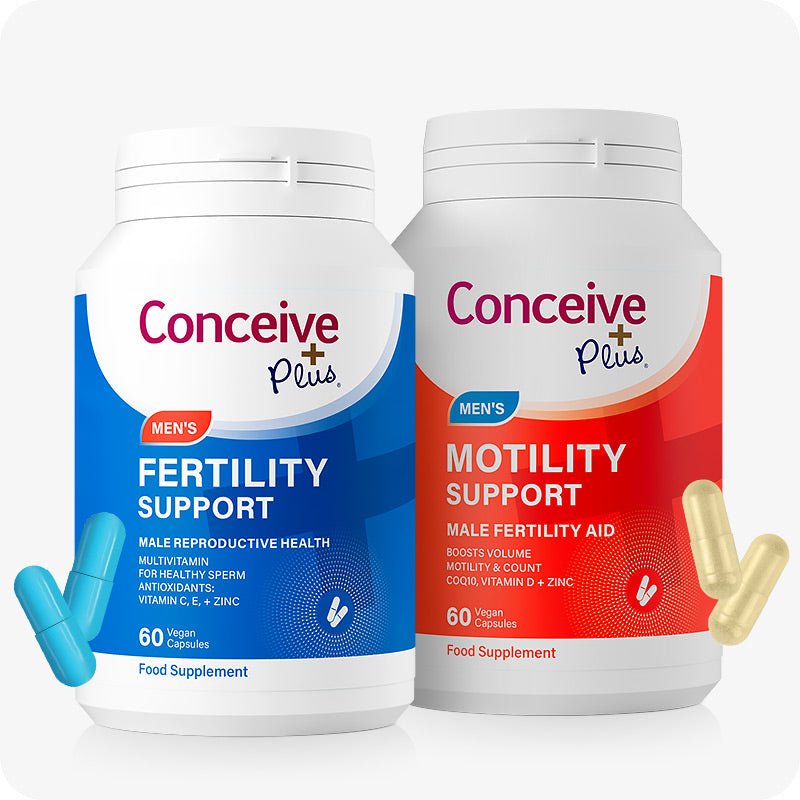
Conceive Plus Men's Fertility Support
Designed to support healthy sperm production, motility, and overall male reproductive health with clinically studied nutrients.
Shop Now →How can stress affect my fertility and chances of conceiving?
Whilst stress doesn't directly prevent conception, high stress levels can disrupt ovulation, reduce libido, and impact sperm quality in partners. The NHS recommends managing stress through regular exercise, mindfulness, and counselling, as a relaxed state may improve your overall reproductive health and wellbeing during this challenging time.
What does the HFEA say about timed intercourse and fertility treatment?
The Human Fertilisation and Embryology Authority (HFEA) doesn't advise specific timing for natural conception, but recommends couples have intercourse every 2-3 days throughout the month for best chances. If you're undergoing assisted fertility treatment, your clinic will provide specific guidance on timing based on your individual cycle.
How long should we try naturally before seeking help from an NHS fertility clinic?
The NHS recommends seeking referral to a fertility specialist if you've been trying to conceive for 12 months without success (or 6 months if you're over 36). Your GP can arrange initial tests and refer you to an NHS fertility clinic, where assessment and treatment options will be discussed.
Are there ways to maintain intimacy whilst trying to conceive?
Yes—consider having regular intercourse throughout your cycle rather than solely focusing on ovulation windows, which can reduce pressure and maintain spontaneity. Many couples find that combining relaxation techniques, open communication with their partner, and setting aside dedicated time together helps preserve intimacy during the conception journey.
Should I track my ovulation using apps or ovulation kits?
Ovulation tracking can be helpful but shouldn't become obsessive; the NHS suggests that regular intercourse (every 2-3 days) is often more effective than precisely timing intercourse. If you do use tracking tools, ovulation predictor kits are available on the NHS in some areas, and apps like Flo can provide guidance, though fertility clinic recommendations vary.
What counselling support is available on the NHS for fertility stress?
Th
Can lifestyle changes improve fertility and reduce stress simultaneously?
Absolutely—regular exercise, healthy diet, adequate sleep, and reduced caffeine and alcohol can benefit both fertility and mental wellbeing. The NHS recommends these lifestyle modifications as first-line support, and many people find that focusing on health improvements gives them a sense of control and reduces anxiety during the conception process.
Trusted by Couples in Over 70 Countries
Support Male Fertility From the Inside Out
Male fertility is just as important as female fertility in the conception journey. Conceive Plus Men's range delivers targeted nutritional support to promote healthy sperm and overall reproductive wellbeing.
Shop Men's Range →