TTC Starter Kit UK: Everything You Need to Start Trying to Conceive


Starting your trying-to-conceive (TTC) journey can feel overwhelming — particularly when you realise how many products are marketed to couples hoping to get pregnant. From ovulation tests to fertility supplements, lubricants to lifestyle apps, the options can be dizzying. But not everything you'll find on the shelves of pharmacies across United Kingdom is necessary, evidence-based, or worth your money.
This guide cuts through the noise. We'll walk you through every product worth having in a fertility starter kit, explain the science behind each one, and help you prioritise what actually matters — so you can invest wisely and start your TTC journey with confidence.
Why a TTC Starter Kit Makes Sense
Trying to conceive is not as simple as stopping contraception and waiting. The human body has a relatively narrow fertile window each cycle — approximately 5–6 days, with peak fertility in the 24–48 hours before ovulation. Many couples are surprised to discover that even with well-timed intercourse, the monthly probability of conception for a healthy couple in their late 20s to early 30s is only about 20–25%.
Having the right tools helps in two ways: first, by identifying the fertile window accurately so you can time intercourse appropriately; and second, by creating the optimal physiological conditions for conception to occur. A well-assembled TTC starter kit addresses both.
1. Ovulation Predictor Kits (OPKs)
Ovulation predictor kits are the foundation of any serious TTC toolkit. These tests detect the surge in luteinising hormone (LH) that occurs 24–36 hours before ovulation — giving you advance notice of your most fertile days rather than telling you after ovulation has already occurred.
How they work: A urine-based test strip or midstream test detects LH levels. When you see a positive result (typically a line as dark as or darker than the control line on standard strips, or a positive symbol on digital tests), ovulation is likely within 24–36 hours.
Which to choose: Standard LH strips are accurate and cost-effective — ideal if you want to test frequently without high cost. Digital OPKs (like Clearblue Advanced) can also detect the oestrogen rise before the LH surge, giving a wider fertile window indication. For women with irregular cycles, continuous monitoring with smart devices like the Mira Monitor may provide more personalised data.
How to use them: Begin testing a few days before your expected ovulation date (based on your typical cycle length), test at the same time each day, and avoid first morning urine — mid-morning to early afternoon tests typically capture LH more accurately.
2. Fertility-Focused Lubricant
This is one of the most important and most overlooked items in a TTC starter kit — and one that many couples in United Kingdom don't discover until months into their journey.
Most lubricants sold in pharmacies and supermarkets are harmful to sperm. Studies published in Fertility and Sterility have shown that common lubricants including K-Y Jelly and Astroglide can reduce sperm motility by 60–90% within minutes. This is because standard lubricants have a pH that is too acidic for sperm, and osmolality that draws water out of sperm cells, damaging their membranes.
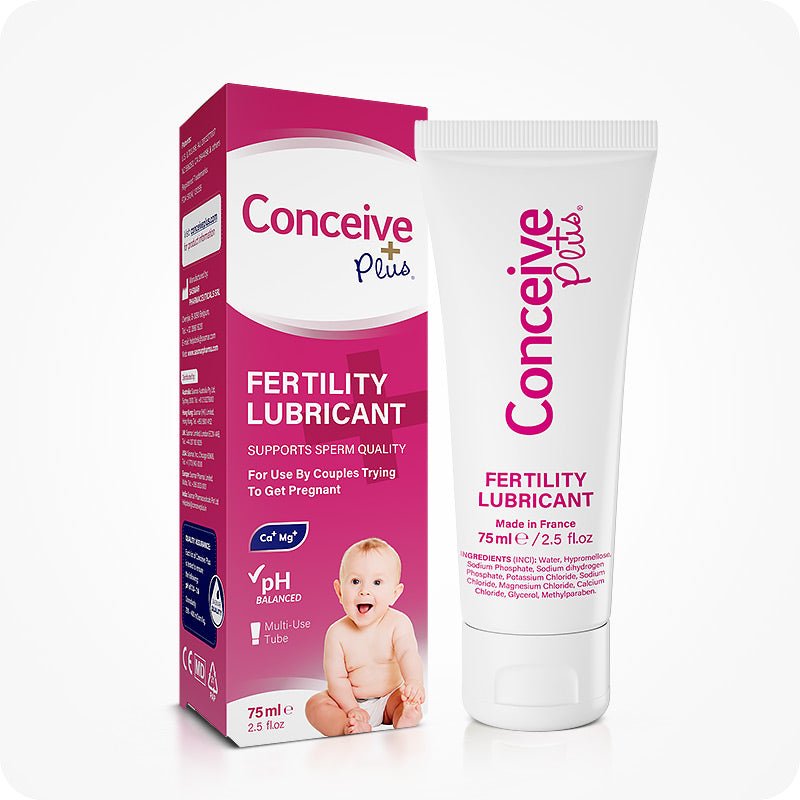
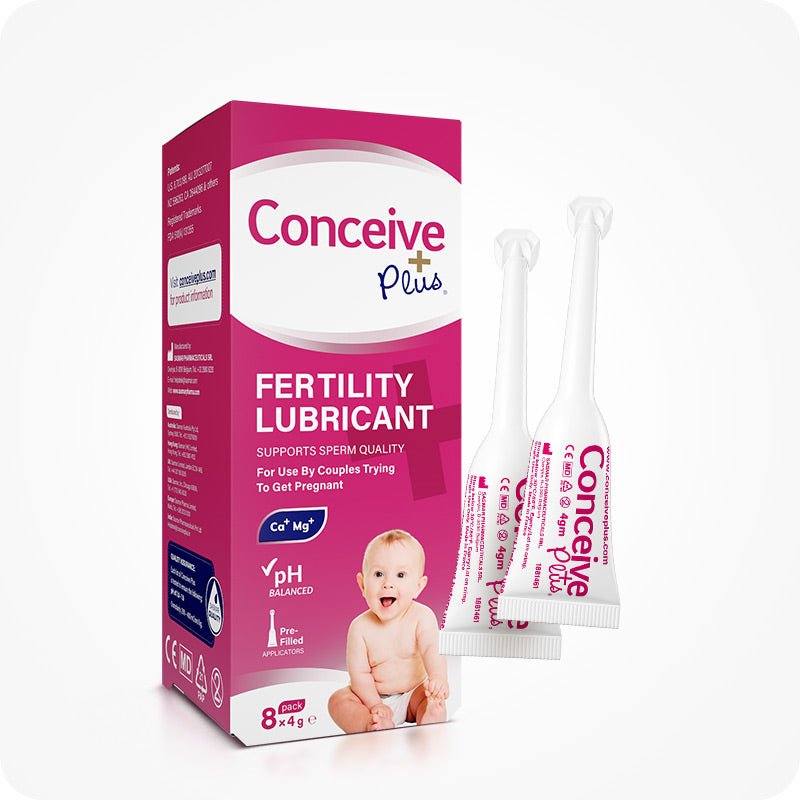
Conceive Plus is different. It's the only fertility lubricant that contains calcium and magnesium ions — naturally present in fertile cervical mucus and seminal plasma — at a pH calibrated to support sperm survival. It's FDA cleared as an aid to conception and is used in fertility clinics across United Kingdom and internationally.
Even if you don't experience significant vaginal dryness, Conceive Plus can supplement your natural environment and ensure the pH and ionic composition of the vaginal canal are optimal during intercourse in your fertile window. For couples using timed intercourse, it's a simple, evidence-based addition to every TTC cycle.
3. Prenatal Vitamins and Fertility Supplements for Women
Preconception nutrition is the foundation of healthy conception and early pregnancy. The recommendation to start prenatal vitamins before pregnancy is now universal among health authorities — and for good reason. Folate (in the form of folic acid or methylfolate) needs to be present at adequate levels before and immediately after conception, when neural tube formation occurs, often before a woman even knows she's pregnant.
Key nutrients to look for in a preconception supplement for women:
- Methylfolate (or folic acid) — at least 400mcg, ideally 800mcg. Methylfolate is the active form and is preferable for women with MTHFR gene variants
- Vitamin D — deficiency is common and linked to impaired ovulation and poor implantation
- Iodine — critical for thyroid function, which regulates reproductive hormones
- Iron — supports ovulation and reduces the risk of ovulatory infertility
- CoQ10 — supports mitochondrial function in eggs, potentially improving egg quality particularly in women over 30
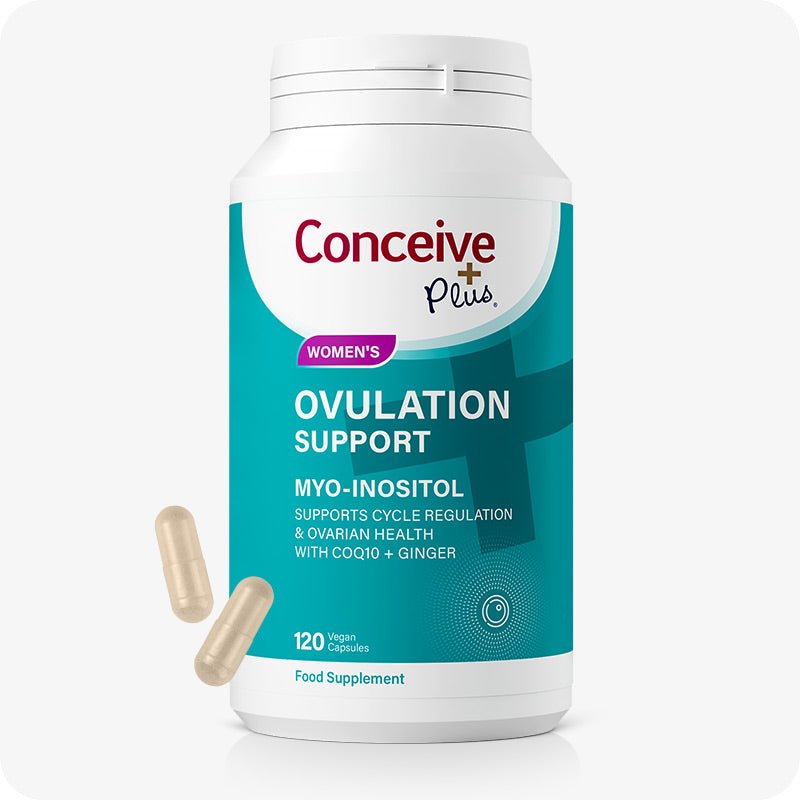
- Inositol — particularly beneficial for women with PCOS or insulin resistance, supporting ovulatory function
- Vitamin B12 — supports cell division and works synergistically with folate
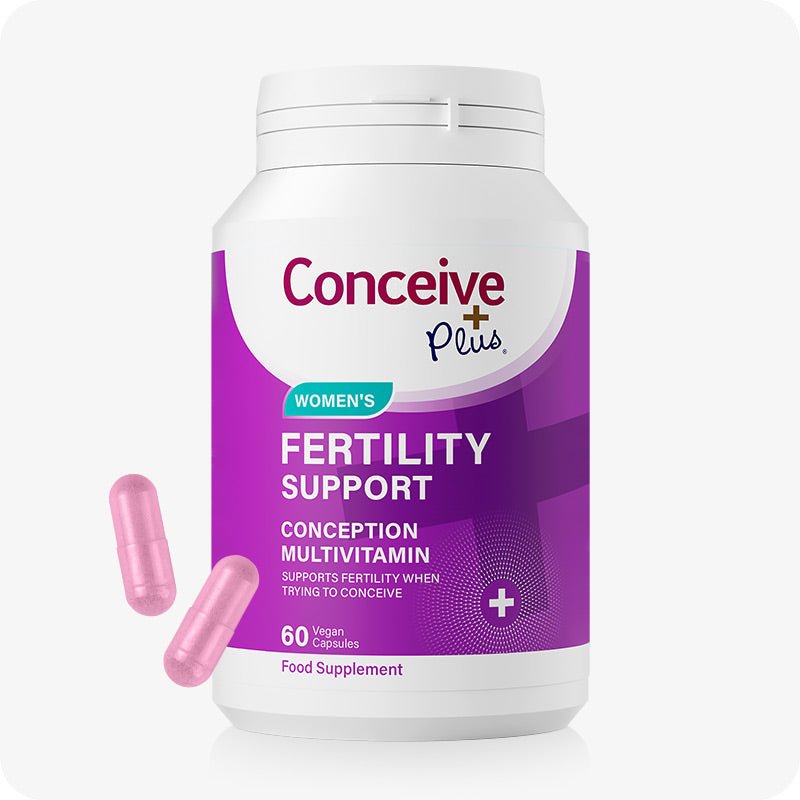
Conceive Plus Women's Fertility Support capsules are formulated specifically for the preconception period, containing a comprehensive blend of these nutrients in bioavailable forms.
4. Fertility Supplements for Men
Male factor infertility accounts for approximately 40–50% of all infertility cases — yet male fertility supplementation is frequently absent from the TTC conversation. Sperm health is just as important as egg health, and sperm quality can be meaningfully influenced by nutrition and supplementation.
The core nutrients for male fertility support:
- Zinc — essential for sperm production and testosterone metabolism; deficiency is associated with poor sperm count and motility
- Selenium — antioxidant that protects sperm DNA from oxidative damage and supports sperm tail formation
- CoQ10 — energises sperm mitochondria, improving motility; multiple RCTs have shown significant improvements in sperm parameters with supplementation
- L-carnitine — involved in sperm energy metabolism and motility; particularly beneficial for men with low progressive motility
- Folate — required for sperm DNA integrity; deficiency is associated with higher rates of chromosomal abnormalities in sperm
- Vitamin C and E — antioxidants that protect sperm from reactive oxygen species (ROS), a leading cause of sperm DNA fragmentation
It's important to note that sperm take approximately 72–90 days (the full sperm maturation cycle) to develop. This means that lifestyle changes and supplementation need to be in place for at least 3 months before they'll show up as improved sperm parameters on a semen analysis. Starting early is therefore critical.
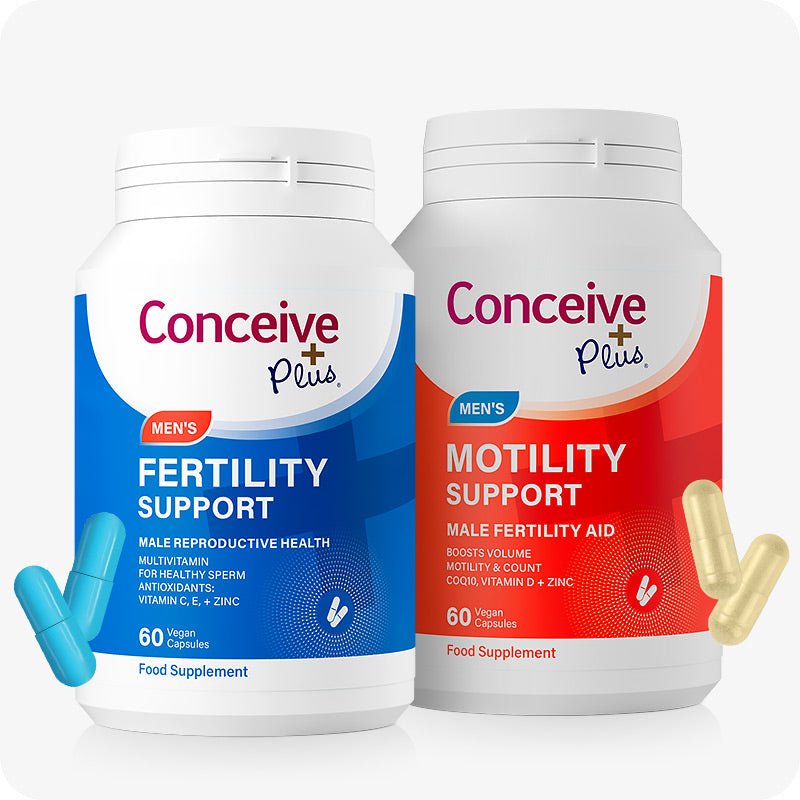
Conceive Plus Men's Fertility Support provides a comprehensive male fertility formula with clinically relevant doses of these key nutrients.
5. Basal Body Temperature Thermometer
A BBT thermometer measures your temperature to one or two decimal places — far more precisely than standard fever thermometers. Tracking your basal body temperature (BBT) — your temperature at rest, taken first thing in the morning before getting up — allows you to chart your cycle and confirm ovulation has occurred.
After ovulation, progesterone causes a sustained temperature rise of approximately 0.2–0.3°C that persists until your next period (or longer, if you're pregnant). While BBT charting tells you that ovulation has occurred (rather than predicting it in advance), it's valuable for:
- Confirming that ovulation is actually happening each cycle
- Identifying the typical ovulation timing in your individual cycle
- Detecting unusually short luteal phases (the post-ovulation phase) which can indicate progesterone insufficiency
- Providing early pregnancy signals if temperatures remain elevated past the expected date of your period
Combined with OPKs, BBT charting creates a comprehensive picture of your hormonal cycle — helping you understand your individual patterns and time intercourse more effectively.
6. Period and Cycle Tracking App
While no app can predict ovulation as precisely as an OPK or BBT chart, a good cycle tracking app helps you:
- Log your cycles to identify patterns over time
- Record OPK results and BBT temperatures in one place
- Track cervical mucus changes
- Set reminders for testing and supplement-taking
- Generate predictions of your fertile window based on your historical data
Popular apps in United Kingdom include Clue, Flo, Natural Cycles, and Ovia Fertility. Apps that allow manual data entry (rather than algorithm-only predictions) tend to be more useful for women with irregular cycles.
7. Pregnancy Tests
Stock up on early-detection pregnancy tests before you think you need them. Many couples in United Kingdom find themselves testing before the expected date of their period — and having sensitive tests on hand (those that detect hCG from 10–15 mIU/mL) means you won't spend the two-week wait in suspense without any way to test early.
Early-response tests (like First Response Early Result) are significantly more sensitive than standard pharmacy tests and can detect pregnancy several days before a missed period. Digital tests provide unambiguous "pregnant / not pregnant" readings, which some people find less stressful than interpreting line darkness.
8. A Healthy Lifestyle Foundation
No starter kit is complete without addressing the lifestyle factors that underpin fertility. While products can support your journey, the foundation is always:
- A balanced, nutrient-rich diet — the Mediterranean diet pattern (rich in olive oil, vegetables, whole grains, legumes, and fish) has the strongest evidence base for supporting fertility in both men and women
- Maintaining a healthy body weight — both underweight and overweight status can impair ovulation and sperm production
- Limiting alcohol — even moderate alcohol consumption is associated with reduced fertility in women and impaired sperm quality in men
- Quitting smoking — smoking damages eggs and sperm and significantly reduces the probability of conception
- Managing stress — while stress doesn't "cause" infertility, it can disrupt hormone regulation and makes the TTC journey harder; practices like yoga, mindfulness, and regular exercise help
- Regular but not excessive exercise — moderate regular exercise supports healthy hormonal function; very intense exercise can suppress ovulation
What You DON'T Need in a TTC Starter Kit
Not everything marketed to TTC couples is necessary or evidence-based. Products to approach with scepticism include:
- Expensive fertility teas and herbal tonics with no clinical evidence
- Vaginal steaming or other alternative practices with no scientific support
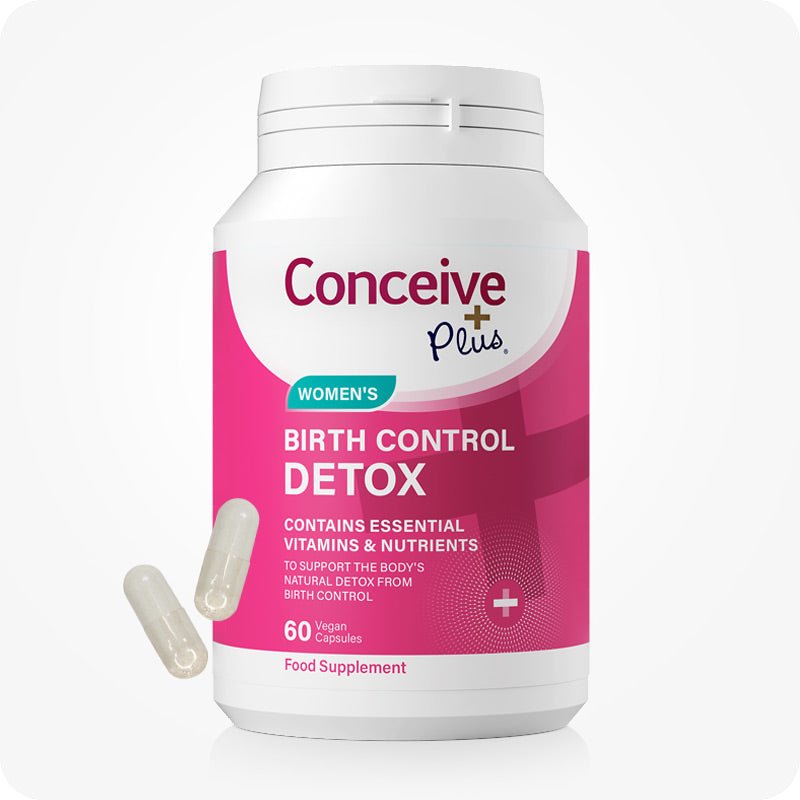
- Fertility "detox" programmes that restrict food groups without medical justification
- Expensive diagnostic tests (like AMH testing or sperm DNA fragmentation analysis) before you've tried for at least 6–12 months (unless you're over 35 or have known risk factors)
Frequently Asked Questions: TTC Starter Kit
When should I start using a TTC starter kit?
Ideally, begin taking fertility supplements at least 3 months before you start trying — this gives nutrients time to accumulate and sperm time to complete a full development cycle. Ovulation prediction kits and lubricant should be ready when you begin trying actively.
Do I need all of these products?
Not necessarily. If you're just starting out, the essentials are: prenatal/fertility vitamins for both partners, a fertility-safe lubricant, and OPKs to identify your fertile window. Add BBT thermometer and charting if you want deeper cycle insight.
How long does it typically take to conceive?
For healthy couples under 35 with no known fertility issues, about 80% will conceive within 12 months of trying. Under 30, about 90% within 12 months. If you haven't conceived after 12 months of regular, well-timed intercourse (or 6 months if over 35), consult your GP or a fertility specialist in United Kingdom.
Can Conceive Plus lubricant replace cervical mucus?
It can supplement and support the natural environment, but it doesn't replace the complex biological role of cervical mucus. Women who have very little cervical mucus despite being in their fertile window should discuss this with a doctor, as it can sometimes indicate a need for medical intervention.
What's the best time of day to take fertility supplements?
Most fertility supplements are best taken with food to improve absorption and minimise any gastric discomfort. Fat-soluble vitamins (D, E, K, CoQ10) are particularly better absorbed with a meal containing some fat.
Should my partner also be taking fertility supplements?
Yes — absolutely. Male fertility supplements take 3 months to show full effect (one complete sperm cycle). Starting both partners on appropriate supplements simultaneously maximises your chances and makes the most of every TTC cycle.
Are there any supplements that interact with each other or with medications?
Some supplements can interact with medications — for example, high-dose vitamin E can affect blood clotting. If you're taking any prescription medications, check with your GP or pharmacist before starting new supplements. Generally, a well-formulated fertility supplement blend is safe for healthy adults.
How many pre-filled Conceive Plus applicators do I need per cycle?
Most couples use one applicator per act of intercourse during their fertile window — typically 2–5 days. A pack of 8 applicators is usually sufficient for a full cycle of TTC use.
Can I use OPKs if I have irregular cycles?
Yes, but you may need to test for more days. With irregular cycles, start testing earlier than you think you need to and continue until you get a positive. Some women with very irregular cycles find continuous monitoring devices (like Mira) more practical.
Is it normal to feel anxious at the start of TTC?
Completely normal. The two-week wait between ovulation and a pregnancy test is one of the most anxiety-inducing periods many couples experience. Having a plan — a TTC kit, a tracking method, lifestyle habits in place — gives you a sense of agency and can help reduce that anxiety.
The Complete Conceive Plus TTC Starter Bundle
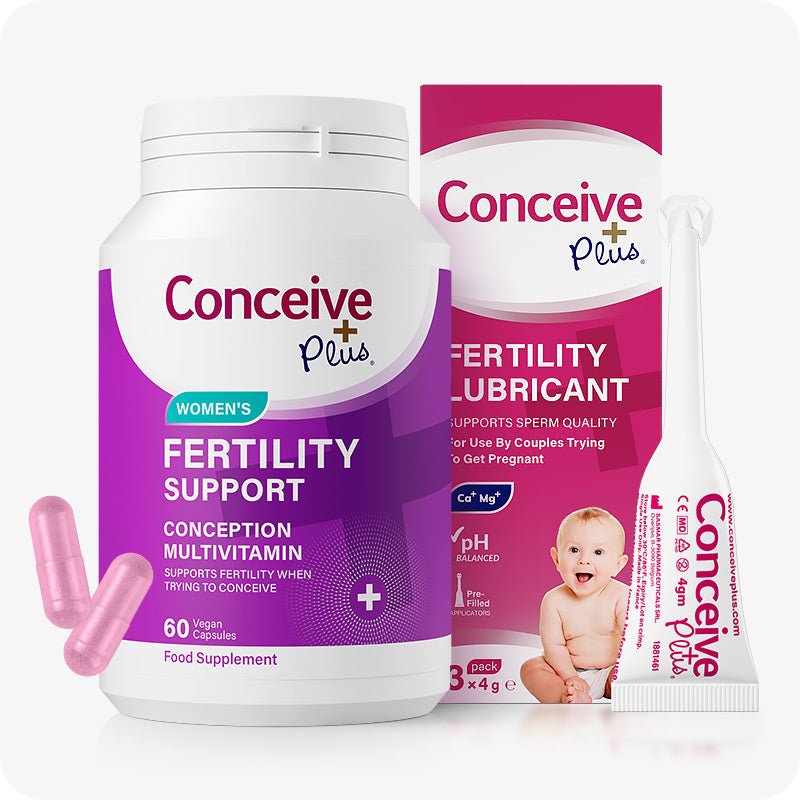
Rather than sourcing each product separately, Conceive Plus offers complete fertility bundles that bring together the most important elements of a TTC starter kit. Our bundles in United Kingdom include fertility lubricant, women's supplements, men's supplements, and ovulation support — everything you need from day one.
Start Your TTC Journey Right
The Conceive Plus Fertility Starter Bundle includes our pH-balanced lubricant, women's fertility capsules, and men's fertility formula — everything you need to optimise both partners for conception.
Starting Strong: The TTC Mindset
The most important thing to bring to your TTC journey is realistic expectations combined with a proactive approach. Conception takes time — even for healthy couples. The role of a good starter kit is not to guarantee pregnancy, but to eliminate avoidable obstacles, optimise the biological conditions for conception, and give you evidence-based tools that genuinely support your fertility.
With the right products, the right timing, and a solid nutritional foundation, you're giving yourself the best possible starting position. That's exactly what the Conceive Plus TTC starter kit is designed to help you achieve.
Expert Support for Your Fertility Journey
Questions about which Conceive Plus products are right for you? Our fertility support team is available to help couples across United Kingdom navigate their TTC journey.