Understand the common causes of male infertility that can make it difficult for a couple to conceive.
Frequently Asked Questions
Recommended by Fertility Experts
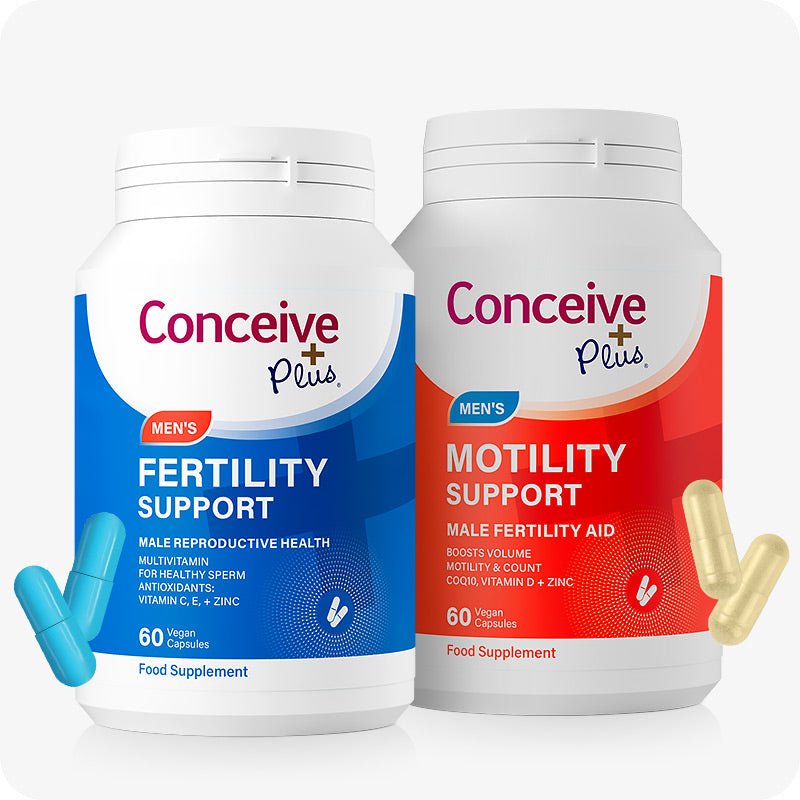
Conceive Plus Men's Fertility Support
Designed to support healthy sperm production, motility, and overall male reproductive health with clinically studied nutrients.
Shop Now →How is male infertility diagnosed on the NHS?
The NHS typically begins with a semen analysis test, which measures sperm count, motility, and morphology. If initial results are abnormal, your GP may refer you to a urologist or fertility specialist for further investigations, which could include blood tests to check hormone levels, ultrasound scans, or genetic testing. Private fertility clinics often offer more comprehensive testing options if you choose not to wait for NHS appointments.
What is the average cost of male infertility treatment in the UK?
NHS treatment for male infertility is free, though waiting times vary by region and may range from several weeks to months. Private fertility clinics in the UK typically charge between £300 and £1,000 for initial consultations and diagnostic tests, with specialist treatments such as ICSI (Intracytoplasmic Sperm Injection) costing £1,500 to £3,000 additional to IVF costs. The Human Fertilisation and Embryology Authority (HFEA) website provides a directory of licensed clinics with transparent pricing.
Can lifestyle changes improve male fertility?
Yes, lifestyle modifications can significantly impact male fertility; reducing smoking and alcohol consumption, maintaining a healthy weight, managing stress, and exercising regularly have all been shown to improve sperm quality. A balanced diet rich in antioxidants, adequate sleep, and avoiding excessive heat exposure (such as hot baths or tight underwear) can also help optimise sperm production. However, if infertility is caused by structural or hormonal issues, lifestyle changes alone may not be sufficient.
What is varicocele and how does it affect fertility?
A varicocele is an enlargement of the veins within the scrotum, similar to varicose veins, which can affect sperm production by increasing temperature and reducing blood flow. It is one of the most common treatable causes of male infertility, and many men with varicoceles have reduced sperm count or quality. Surgical repair of a varicocele may improve fertility outcomes, though this is not always necessary; your fertility specialist can advise whether treatment is appropriate for your situation.
How does age affect male fertility compared to female fertility?
Whilst male fertility does decline with age, it does so more gradually than female fertility, with men remaining fertile well into their later years. However, advancing paternal age is associated with increased risks of genetic abnormalities and reduced sperm motility. Studies suggest that male age becomes a more significant factor in conception difficulty when men are over 50 years old, though individual variation is considerable.
Is male infertility covered by NHS funding for IVF treatment?
Yes, male factor infertility is covered by NHS-funded IVF treatment, provided couples meet the standard eligibility criteria set by their local Integrated Care Board (
What role do sexually transmitted infections play in male infertility?
Some sexually transmitted infections, particularly chlamydia and gonorrhoea, can damage the male reproductive tract and lead to scarring or obstruction of the tubes carrying sperm, potentially causing infertility. These infections may be asymptomatic, so testing is recommended if there is a history of STIs or unexplained infertility. The good news is that many STI-related fertility issues can be prevented through early detection and treatment, making routine screening important for couples planning to conceive.
Trusted by Couples in Over 70 Countries
Support Male Fertility From the Inside Out
Male fertility is just as important as female fertility in the conception journey. Conceive Plus Men's range delivers targeted nutritional support to promote healthy sperm and overall reproductive wellbeing.
Shop Men's Range →