What foods to eat while pregnant - Diet & nutrition during pregnancy
Pregnancy tips to help you conceive
The time to start working toward a healthy pregnancy is before you conceive. If you are trying to get pregnant quick, our pregnancy tips are good start to get your body ready for conception process. Try out this Lemony pumpkin seed pesto soup.More about Conceive Plus

✨ Trying to Conceive?
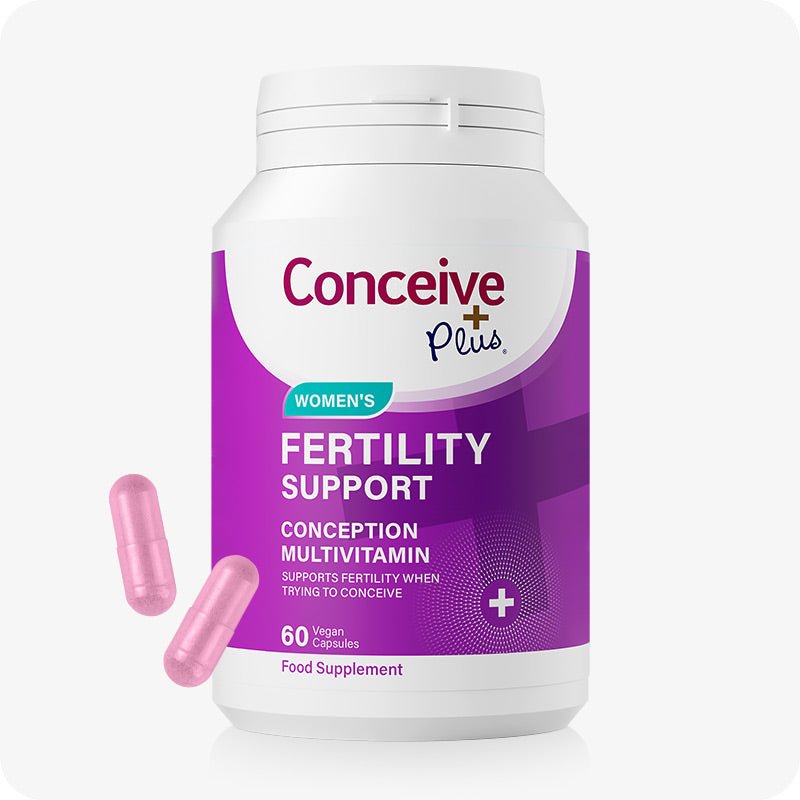
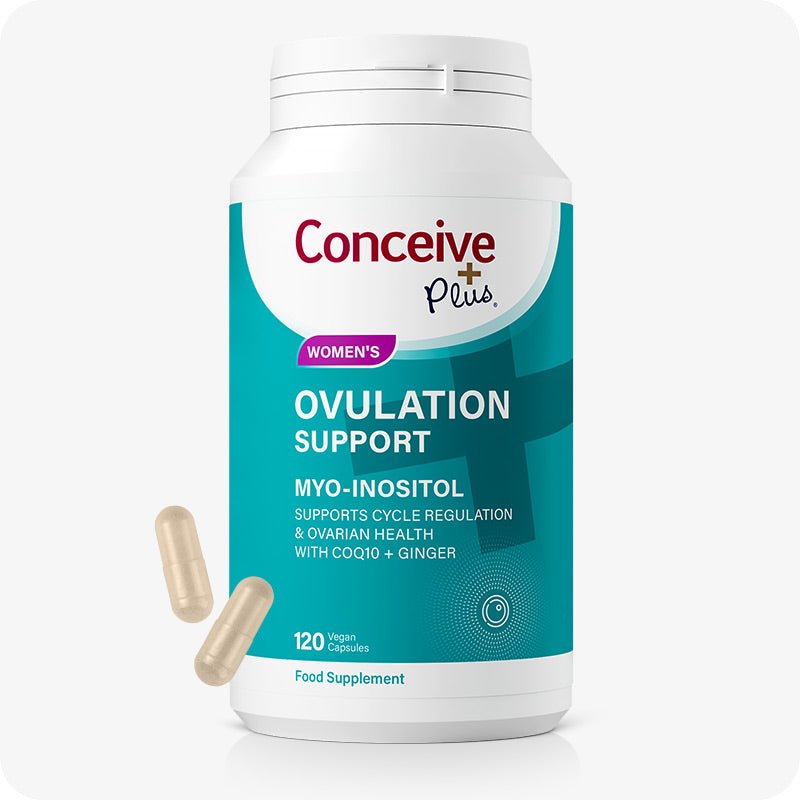
Our fertility supplements combine Myo-Inositol with essential vitamins to support healthy hormone balance and regular ovulation.
Shop Now — $36.00✓ Free shipping available | ✓ Trusted by millions of couples worldwide
🌱 Support Your Fertility Journey
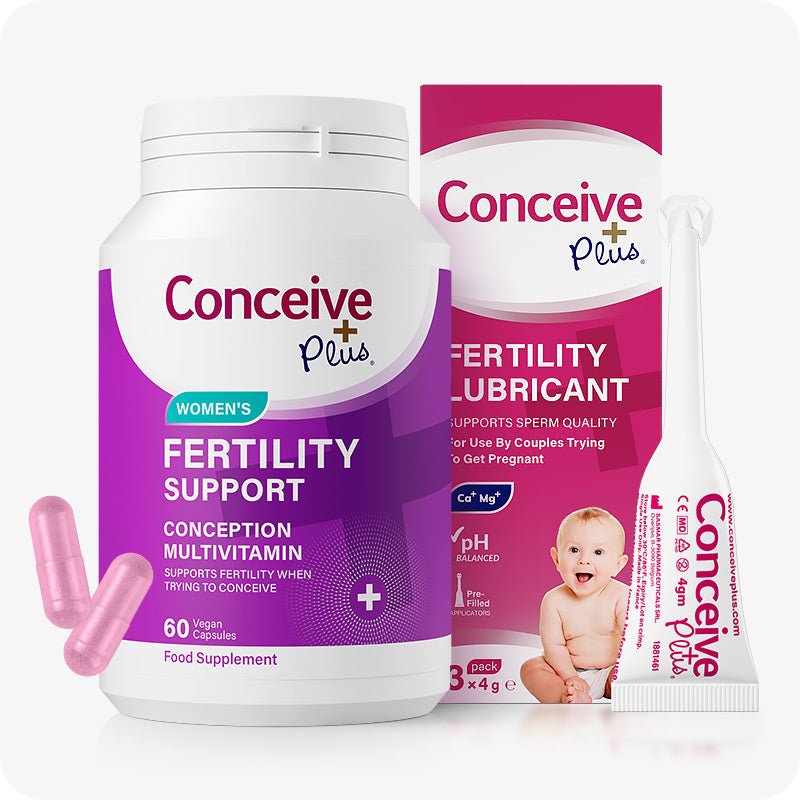
Conceive Plus fertility supplements are clinically formulated to help regulate your cycle and support egg quality.
Shop Fertility Support →Frequently Asked Questions
Recommended by Fertility Experts
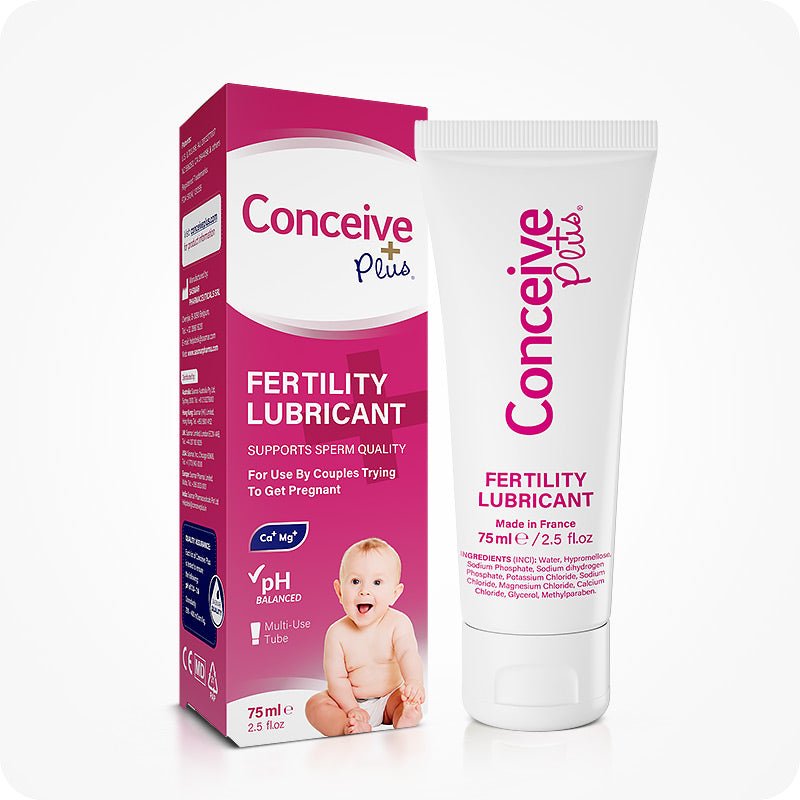
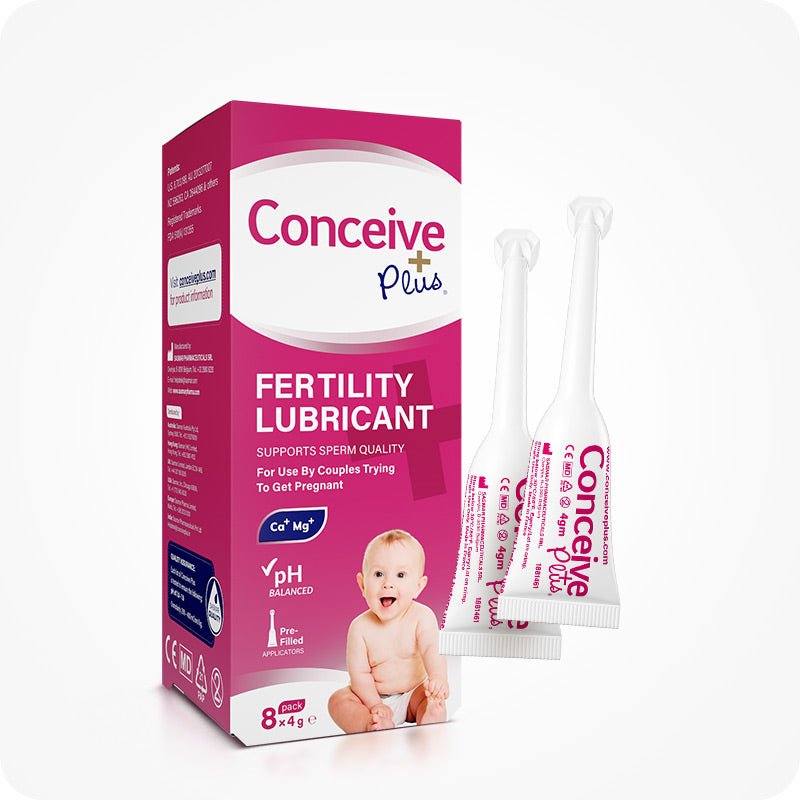
Conceive Plus Fertility Lubricant
Specially formulated to be sperm-friendly and isotonic, supporting your natural conception journey without disrupting the reproductive environment.
Shop Now →What are the most important nutrients to focus on during pregnancy?
The key nutrients during pregnancy include folic acid (to prevent neural tube defects), iron (to prevent anaemia), calcium (for bone development), and protein (for fetal growth). The NHS recommends 400 micrograms of folic acid daily from conception until 12 weeks, and a 10 micrograms vitamin D supplement throughout pregnancy. Iodine is also crucial for your baby's brain development, so consider foods like fish, dairy, and eggs.
Is it safe to eat fish while pregnant in the UK?
Yes, fish is an excellent source of protein and omega-3 fatty acids, which support fetal brain development. However, the NHS advises limiting oily fish (salmon, mackerel, sardines) to two portions per week due to potential pollutants, and avoiding high-mercury fish like shark, swordfish, and marlin entirely. White fish like cod and tinned tuna are safe to eat regularly.
Which foods should I avoid during pregnancy?
The NHS recommends avoiding unpasteurised dairy products, soft cheeses (like brie and feta), raw or undercooked eggs, undercooked meat, pâté, and raw shellfish due to listeria and salmonella risks. You should also limit caffeine to 200mg daily and avoid alcohol completely. Always ensure meat is cooked thoroughly and wash fruit and vegetables before eating.
Can I take prenatal supplements alongside a healthy diet?
Yes, prenatal supplements are recommended to complement a healthy diet, not replace it. The NHS advises all pregnant women to take folic acid and vitamin D supplements, and your GP may recommend additional iron if you're anaemic. Always consult your healthcare provider before taking any supplements to ensure they're appropriate for your individual needs.
How many extra calories do I need to eat during pregnancy?
You don't need extra calories during the first trimester, but the NHS recommends an additional 200 calories daily during the second and third trimesters. This is roughly equivalent to a slice of wholemeal toast with peanut butter or a small bowl of porridge. Focus on nutrient-dense foods rather than empty calories to support your baby's development.
What should I eat to manage pregnancy constipation and heartburn?
High-fibre foods like wholemeal bread, oats, beans, and leafy greens can help prevent constipation, whilst staying hydrated is equally important. To manage heartburn, eat smaller, more frequent meals, avoid acidic and spicy foods, and don't lie down immediately after eating. Calcium-rich foods like yoghurt and fortified plant-based milk may also help alleviate symptoms.
Are there specific foods that can help improve fertility before conception?
Foods rich in antioxidants, healthy fats, and folate can support fertility, including leafy greens, berries, nuts, seeds, and fatty fish. The NHS recommends maintaining a balanced diet with adequate protein, whole grains, and fresh produce if you're planning to conceive. A healthy body mass index (BMI) and regular exercise alongside good nutrition significantly improve your chances of conception.
Trusted by Couples in Over 70 Countries
Start Your Fertility Journey With the Right Support
Conceive Plus Fertility Lubricant is specially formulated to be compatible with sperm, eggs, and embryos. Whether you are just starting out or have been trying for a while, our products are designed to work with your body — not against it.
Explore Fertility Lubricant →