Why a Valentine's Conception Needs More Than a Card and Roses


NEW YORK, February 14, 2014 /PRNewswire/ -- Pressure to make Valentine's Day all about sex and passion can feel daunting for 1 in 10 women in the US who face difficulty conceiving. Moreover, over the last three decades, women have been waiting longer to start having children. However, when it comes to fertility, age matters; both women and men are at their most fertile in their early twenties.
"Over recent years, establishing a career, getting on the housing ladder and ensuring financial stability are up there on the public's to-do list ahead of starting a family. There are so many fertility myths out there that need to be addressed but what is important for couples to consider is that the chances of becoming pregnant do dwindle with age," said leading pharmacist Raj Rohilla (Pharmacist at Battersea Pharmacy and owner of a chain of family focused pharmacies).
With a range of societal factors delaying women having children, fertility support is becoming an increasingly important part of conception for all couples trying to get pregnant. This February 14th, SASMAR - the fertility, family planning and female health specialists - looks to debunk common fertility myths; clarifying the do's and don'ts when trying to get pregnant.- Myth #1: It's easy for most women to get pregnant
The truth: While many fall pregnant without difficulty, 1 in 10 women in the US may face issues conceiving. Fertility support can be crucial in preparing the body for conception.
- Myth #2: Vaginal secretions usually indicate an infection
The truth: Vaginal secretions are natural and healthy. What's known as 'cervical mucus' plays a fundamental role in the process of conception by nourishing and protecting sperm as it travels through the female reproductive tract to meet the egg. Around 75% of couples experience vaginal dryness when trying for a baby. Moreover, of the 70%, most do not consider it to be a problem - this despite the body's conditions not being optimal for conception. For these couples, a scientifically tested fertility lubricant may be worth considering to ease and enhance the comfort of sexual activity, supplement the body's natural lubrication and help couples on the path to conceiving naturally.

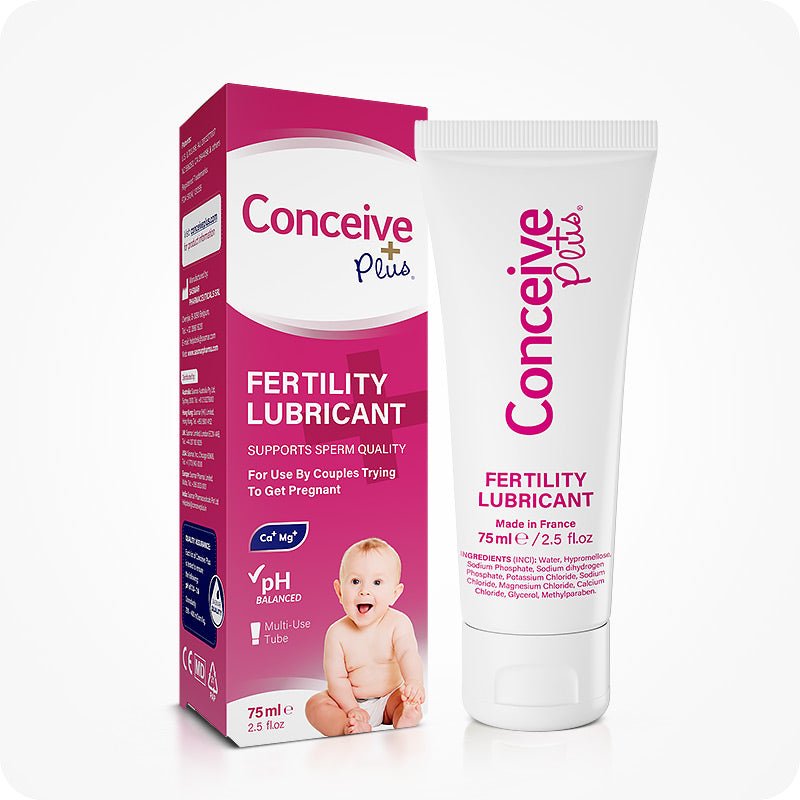
✨ The #1 Fertility-Friendly Lubricant
Regular lubricants can harm sperm. Conceive Plus is clinically shown to maintain sperm motility — used by couples in over 70 countries.
Shop Now — $19.99✓ Free shipping available | ✓ Trusted by millions of couples worldwide
- Myth #3: Sperm can only live up to three days
The truth: Actually, sperm can survive up to seven days in a woman's reproductive tract. It is crucial that a couple trying to conceive select a fertility lubricant designed and scientifically proven to be compatible with sperm, eggs, the process of fertilisation and embryo development to help keep sperm viable for the journey.
- Myth #4: A woman can get pregnant only one day per cycle
The truth: In most women, ovulation usually happens 10-16 days before the start of her next period. An egg lives for about 12-24 hours after being released. Sperm can survive in a woman's body for several days after sex. If a woman wants to get pregnant, having sex every couple of days will mean there are always sperm waiting in the fallopian tubes to meet the egg when it's released. A fertility lubricant with calcium and magnesium ions can mimic natural fertile cervical liquid and semen to create a conception-friendly environment.
- Myth #5: You get pregnant by having intercourse in almost any position
The truth: While there are no scientific studies on the best sexual positions for baby-making, the missionary (man-on-top) position is typically considered optimal for conception. Some suggest that placing a pillow under the hips and keeping legs raised after sex may enhance the sperms' ability to swim upstream.
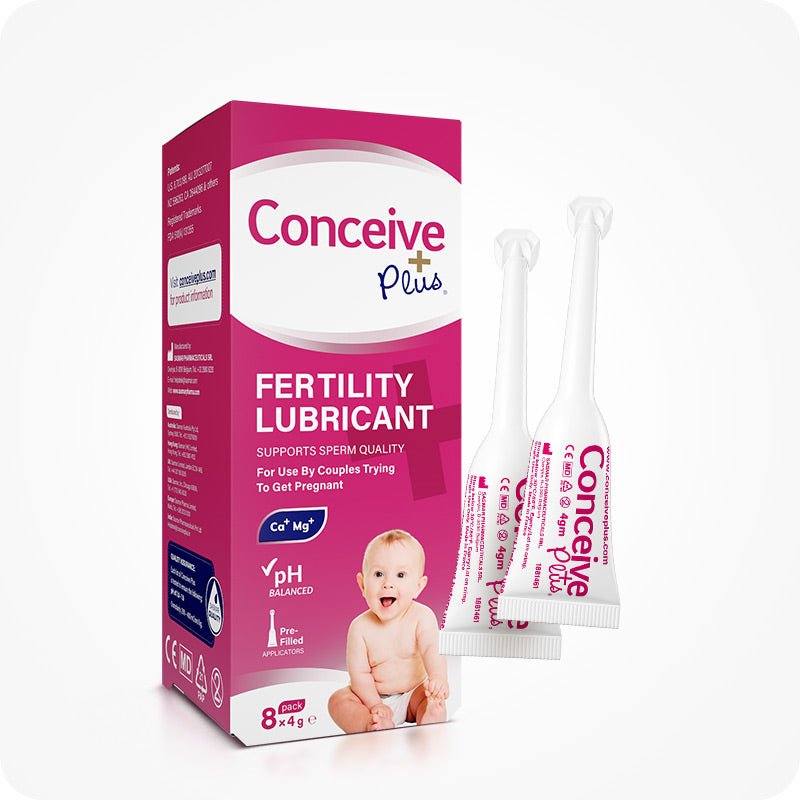
For trying-to-conceive couples, a scientifically tested fertility lubricant may be worth considering. It is critical that couples trying to conceive select a personal lubricant scientifically proven for this purpose as clinical studies have found that several popular personal lubricants lower the chances of conception. However, others, such as Conceive Plus® Fertility Lubricant, can help trying-to-conceive couples increase their chances of getting pregnant.
Designed specifically for trying-to-conceive couples, Conceive Plus is the only personal lubricant that contains calcium and magnesium ions, which are naturally present in our bodies and essential for the process of fertilisation. Scientifically proven, the gentle formulation of Conceive Plus mimics natural fertile cervical liquid and semen to create a conception-friendly environment. It does not impair sperm motility or viability, nor does it harm sperm chromatin (DNA) or act as a barrier. The formulation does not harm the fertilisation process and is compatible with embryo development.
"75% of couples trying for a baby experience vaginal dryness, something that can be easily overcome with the use of a personal lubricant. It's important that a chosen personal lubricant is scientifically formulated for sperm, gamete, fertilisation and embryo compatibility. Conceive Plus contains Calcium and Magnesium ions essential for the fertilization process and is cleared by the FDA for this purpose. It can therefore be used by all trying-to-conceive couples, increasing their chances of getting pregnant naturally," said CEO of SASMAR and creator of Conceive Plus, John-Michael Mancini. When women are not trying to get pregnant, this product is also compatible with natural rubber latex and polyurethane condoms. For more information on Conceive Plus, please visit http://www.conceiveplus.com.🌱 Give Sperm the Best Chance
Conceive Plus fertility lubricant is pH-balanced to support sperm on their journey. Recommended by fertility specialists worldwide.
Shop Fertility Lubricant →Frequently Asked Questions
Recommended by Fertility Experts
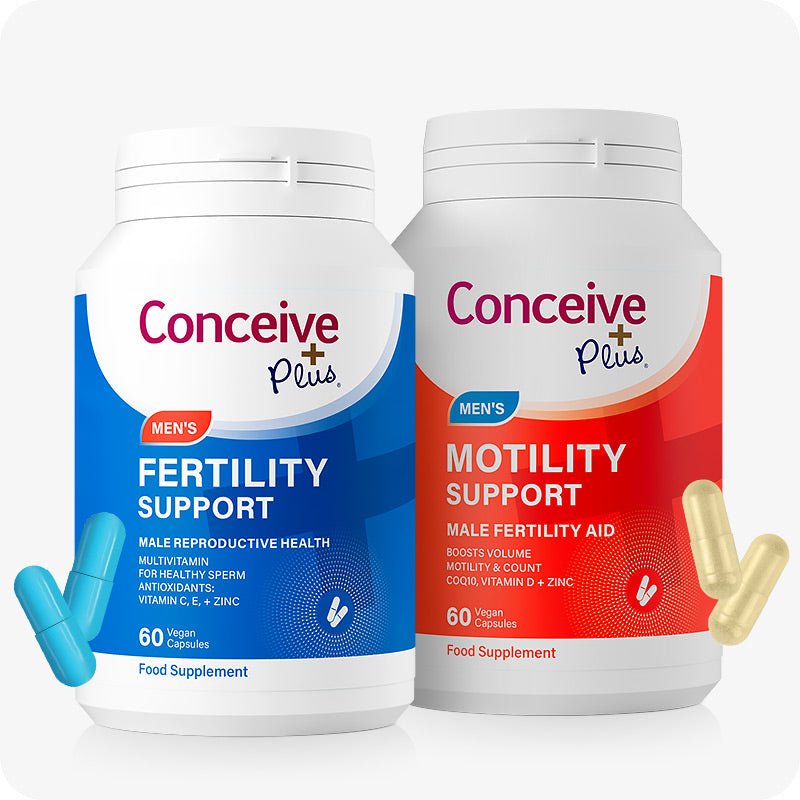
Conceive Plus Men's Fertility Support
Designed to support healthy sperm production, motility, and overall male reproductive health with clinically studied nutrients.
Shop Now →Does age really affect fertility and how long should we try before seeing a GP?
Yes, age significantly impacts fertility for both men and women, with peak fertility occurring in the early twenties. The NHS recommends seeing your GP if you've been trying to conceive for over a year without success, or after six months if you're over 36. Around 1 in 7 UK couples experience fertility issues, so don't hesitate to seek advice if you're concerned.
Is vaginal dryness when trying to conceive normal and can it affect my chances?
Vaginal dryness is incredibly common, affecting around 75% of couples who are trying for a baby. This can actually impact conception as cervical mucus plays a vital role in nourishing and protecting sperm on its journey to the egg. Using a fertility-friendly lubricant that supports sperm motility can help create optimal conditions for conception.
What fertility support is available on the NHS in the UK?
NHS fertility treatment availability varies depending on your local Integrated Care Board (formerly CCG), with eligibility criteria differing across regions. NICE guidelines recommend that women under 40 should be offered up to three cycles of IVF if they've been trying for two years, though many areas offer fewer cycles. Speak to your GP about referral options and what's available in your area.
What are the most common fertility myths couples believe when TTC?
Many couples assume that getting pregnant happens easily for most people, but 1 in 7 UK couples actually experience fertility difficulties. Another common misconception is that vaginal secretions indicate infection, when in fact cervical mucus is natural and essential for healthy conception. Understanding your body's fertility signs can significantly improve your chances of conceiving.
How long are NHS waiting times for fertility treatment referrals?
NHS waiting times for fertility investigations and treatment can vary considerably across the UK, often ranging from several months to over a year depending on your area. The HFEA recommends starting conversations with your GP early, particularly if you're over 35 or have known fertility concerns. Your GP can begin initial fertility tests whilst you wait for a specialist referral.
Does waiting to have children until we're financially stable really affect our chances?
Whilst establishing a career and financial stability are understandable priorities, fertility does naturally decline with age for both partners. Women are most fertile in their early twenties, with a more noticeable decline after 35 and again after 40. If you're planning to delay having children, it may be worth discussing fertility preservation options or having a fertility MOT with your GP.
What should couples do to prepare their bodies for conception?
The NHS recommends both partners take steps to optimise fertility, including maintaining a healthy weight, reducing alcohol intake, stopping smoking, and taking folic acid supplements. Tracking your cycle to identify your fertile window and ensuring vaginal conditions are optimal for sperm can also improve your chances. If you have any underlying health conditions, speak to your GP about how these might affect conception.
Trusted by Couples in Over 70 Countries
Support Male Fertility From the Inside Out
Male fertility is just as important as female fertility in the conception journey. Conceive Plus Men's range delivers targeted nutritional support to promote healthy sperm and overall reproductive wellbeing.
Shop Men's Range →