Your Age and Fertility


Your 20s
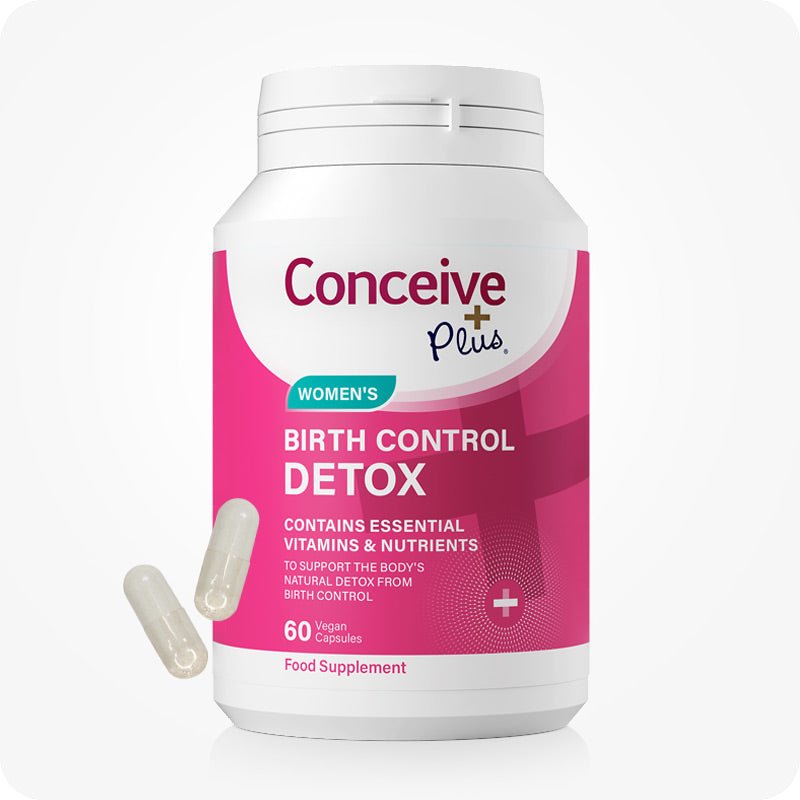
In your 20s, barring any health problems, you are in your peak fertility. For most women, menstruation in their 20s is very regular. Of course, many women in their 20s are not ready to have a baby and choose to use contraceptives. If you are taking hormonal birth control, you will need to give your ovulation cycle time to reestablish its normal cycle.30-35

✨ Trying to Conceive?
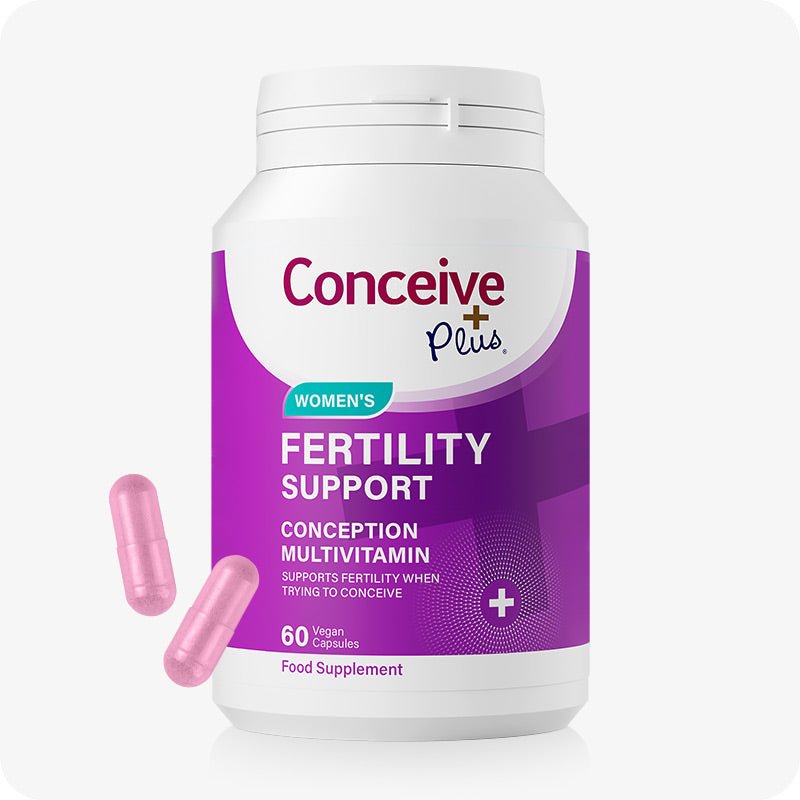
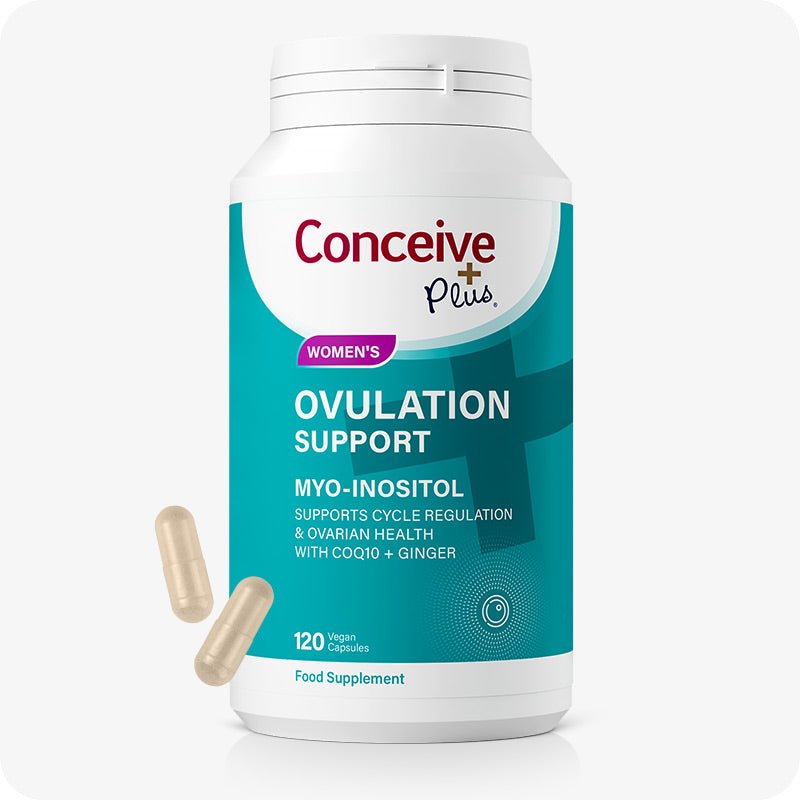
Our fertility supplements combine Myo-Inositol with essential vitamins to support healthy hormone balance and regular ovulation.
Shop Now — $36.00✓ Free shipping available | ✓ Trusted by millions of couples worldwide
35
Around the age of 35, your fertility begins to decline more quickly. Women over the age of 35 are also more likely to have stillbirths, miscarriages, and other pregnancy complications. If you are ready to start a family, the best time to conceive is before the age of 35.40 and older
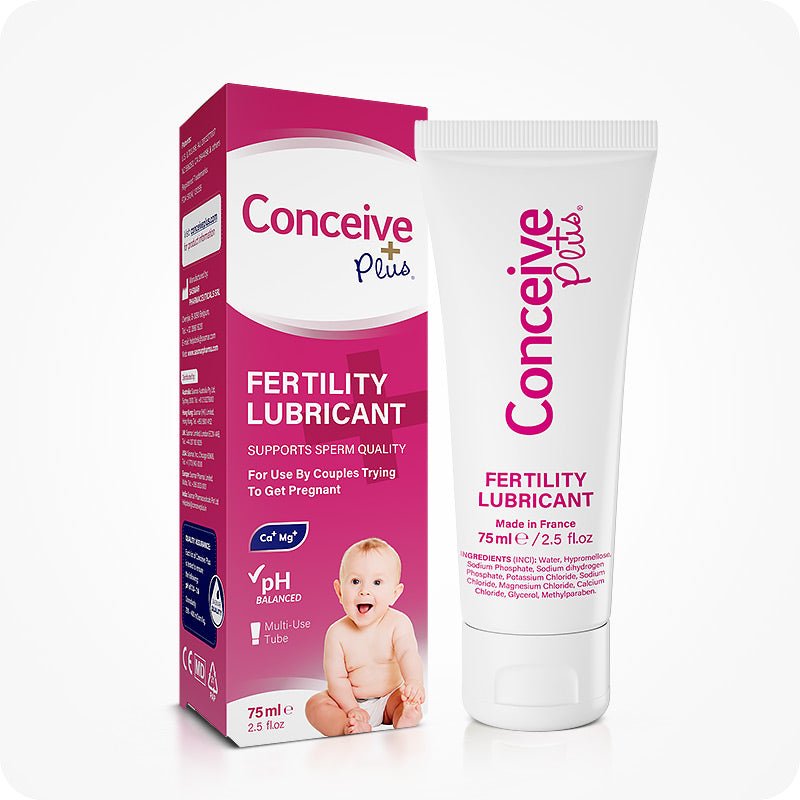
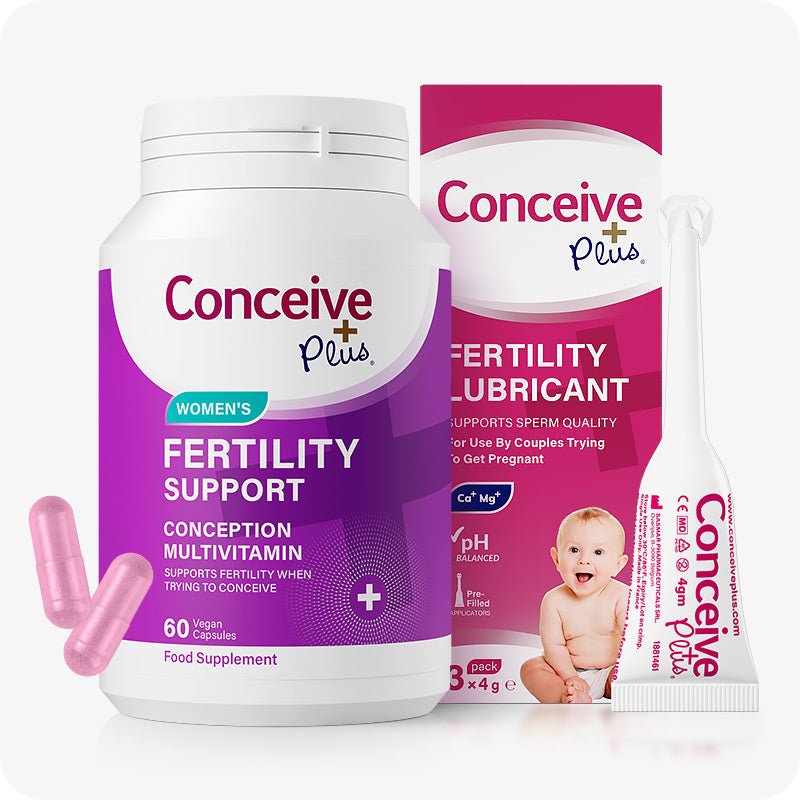
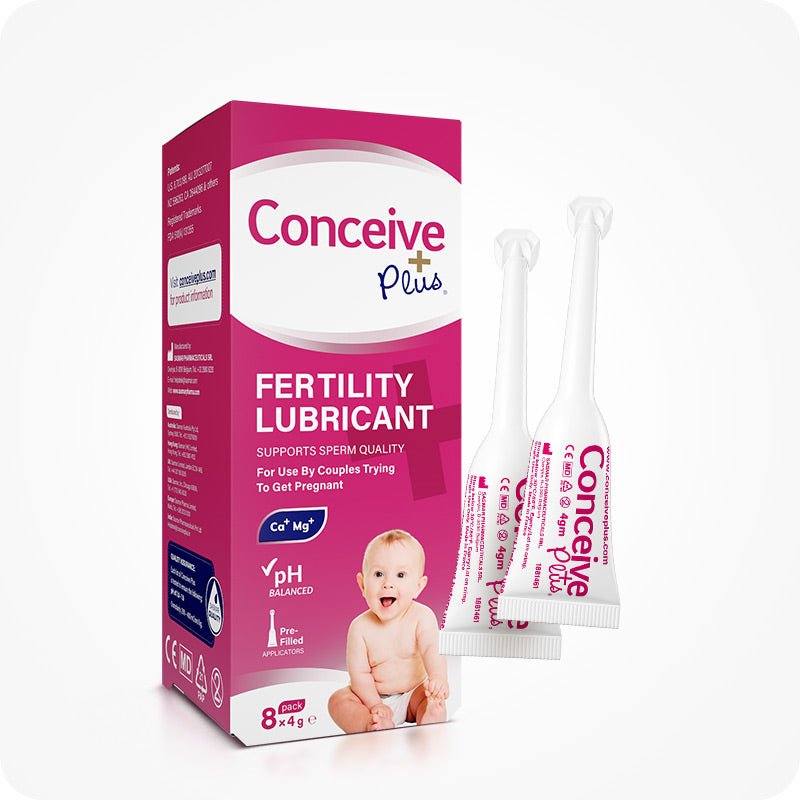
By the age of 40, most women have a significantly harder time conceiving. Only about 40% of women who hope to get pregnant after 40 are able to do so. However, if you are over 40 and have decided to have a baby (or another baby), there is still hope. Advanced in fertility treatments and in vitro fertilization are making it increasingly possible for women over the age of 35 to have healthy babies. CONCEIVE PLUS® Fertility support is an essential part of conception, whether you are just starting out or have been trying for some time. Regular lubricants are proven to have negative effects on the fertilization process and should be avoided when you are trying to conceive. Find Where to buy HERE🌱 Support Your Fertility Journey
Conceive Plus fertility supplements are clinically formulated to help regulate your cycle and support egg quality.
Shop Fertility Support →Frequently Asked Questions
Recommended by Fertility Experts
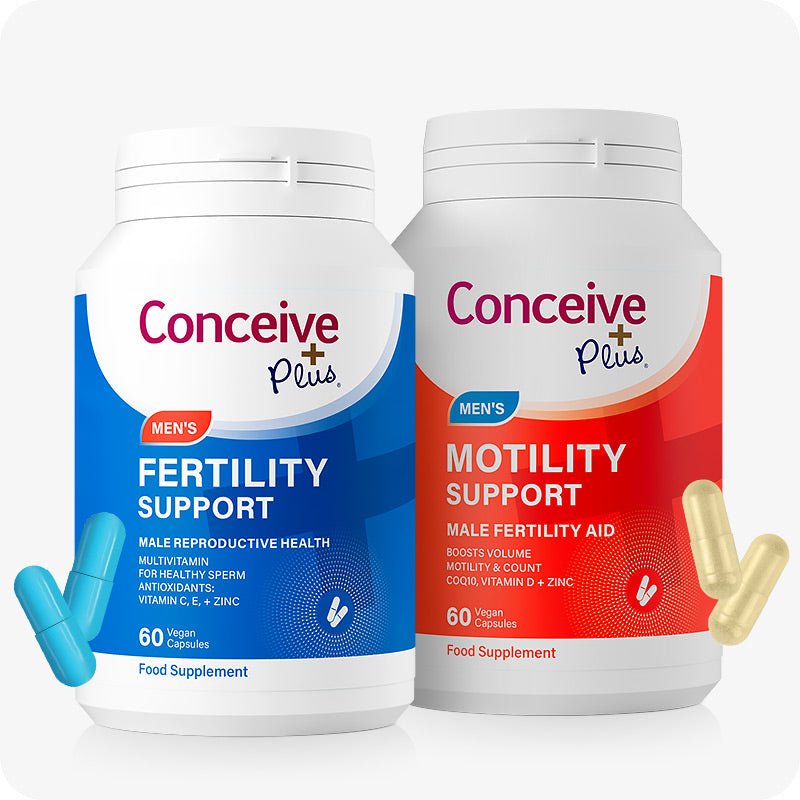
Conceive Plus Men's Fertility Support
Designed to support healthy sperm production, motility, and overall male reproductive health with clinically studied nutrients.
Shop Now →At what age does female fertility start to decline in the UK?
According to NHS guidance, female fertility begins to decline gradually from around age 30 to 32, with a more significant drop after 35. By age 40, only about 40% of women who wish to conceive naturally are able to do so. This is why the NHS recommends seeking advice sooner if you're over 36 and have been trying to conceive for six months.
Can I get fertility treatment on the NHS if I'm over 40?
NICE guidelines recommend that IVF should be offered to women aged 40-42 who have been trying to conceive for two years, provided they have never had IVF before and show no evidence of low ovarian reserve. However, funding varies significantly between Integrated Care Boards (ICBs), so it's worth checking your local eligibility criteria as some areas have stricter age limits.
How long should I try to conceive naturally before seeing my GP?
The NHS advises couples under 35 to try for at least 12 months before seeking a referral, whilst those over 36 should speak to their GP after six months of trying. If you have known fertility issues or irregular periods, it's sensible to book an appointment sooner. Around 1 in 7 UK couples experience fertility issues, so don't hesitate to seek support.
Does age affect male fertility as well as female fertility?
Yes, although male fertility decline is more gradual than female fertility decline. Research shows that sperm quality, motility, and DNA integrity can decrease from around age 40 onwards. The HFEA notes that paternal age can also affect conception rates and may slightly increase the risk of certain health conditions in offspring.
What fertility tests can I get through the NHS?
Your GP can arrange initial fertility investigations including blood tests to check hormone levels and ovulation, as well as a semen analysis for your partner. If needed, you may be referred for an ultrasound scan to examine your ovaries and womb, or a hysterosalpingography (HSG) to check if your fallopian tubes are open. These tests help identify any issues before considering further treatment options.
Is it harder to get pregnant naturally after stopping the pill in my 30s?
Hormonal contraception doesn't affect your long-term fertility, but it may take a few months for your natural ovulation cycle to regulate after stopping. Your age at the time you stop contraception is the key factor in your fertility, not how long you were on the pill. Most women find their cycles return to normal within one to three months.
What are the NHS waiting times for fertility treatment referrals?
Waiting times for NHS fertility treatment vary considerably across the UK, with some areas having waits of 12 months or longer for initial consultations. Once referred, there may be additional waiting lists for procedures such as IVF. You can check current waiting times through your local ICB or ask your GP for guidance on what to expect in your area.
Trusted by Couples in Over 70 Countries
Support Male Fertility From the Inside Out
Male fertility is just as important as female fertility in the conception journey. Conceive Plus Men's range delivers targeted nutritional support to promote healthy sperm and overall reproductive wellbeing.
Shop Men's Range →