Zinc for Male Fertility: The Essential Guide to Sperm Quality and Health (2026)


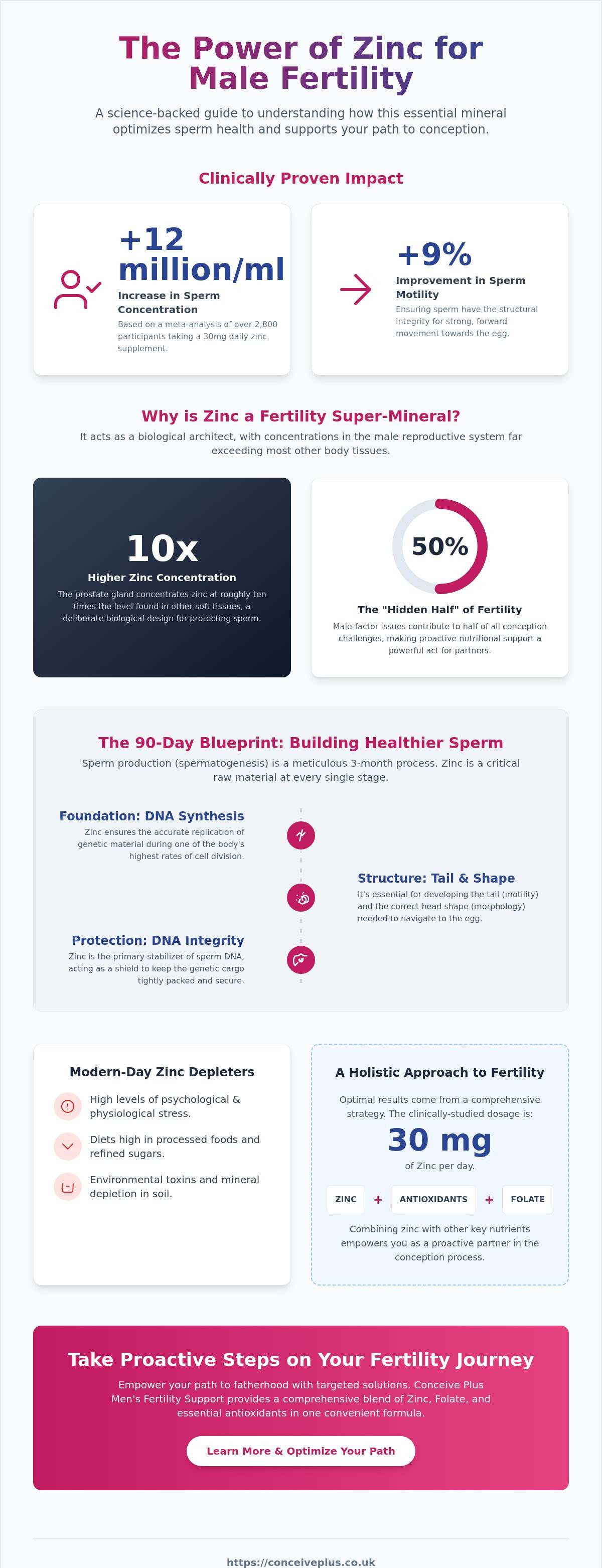
A 2024 meta-analysis involving over 2,800 participants revealed that a daily 30 mg zinc supplement can increase sperm concentration by an average of 12 million/ml and improve motility by 9%. For many men, the journey toward fatherhood can feel like a series of complex biological hurdles, often clouded by confusing terms like morphology or the quiet anxiety of male-factor infertility. We understand that this process requires both patience and precision, and you deserve a clear path forward that balances scientific expertise with genuine support.
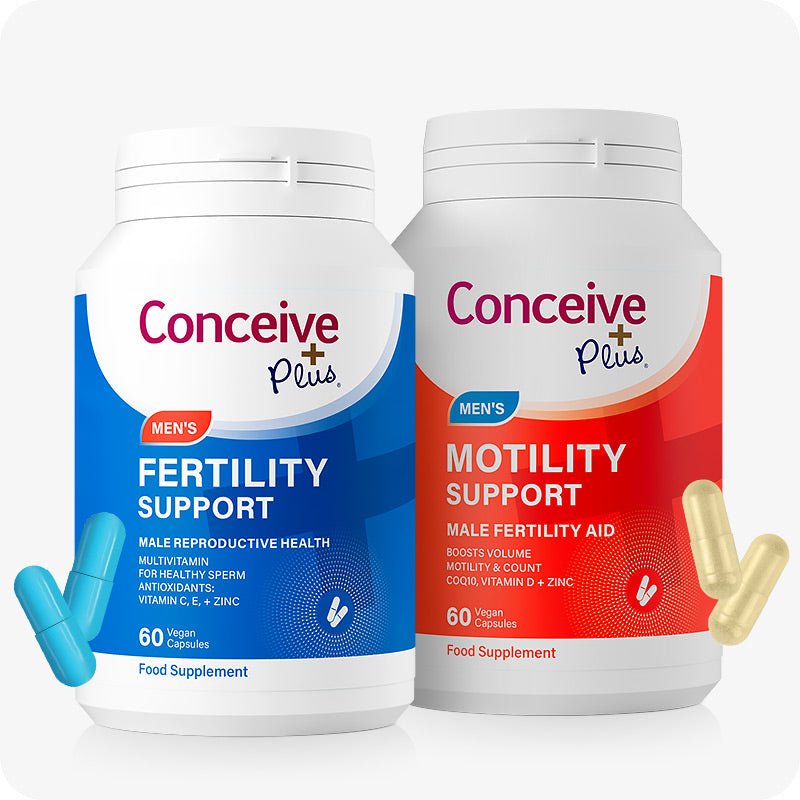
In this guide, we'll explore the vital role of zinc for male fertility, acting as a biological architect to support the foundation of sperm health. You'll learn how this essential mineral stabilizes sperm DNA and why it takes a full 90-day cycle to see measurable improvements in your results. We promise to provide clear, safe dosage instructions and explain the science of sperm production in a way that feels manageable. By the end of this article, you'll feel empowered with the knowledge to take proactive steps in your fertility journey, including how to use targeted solutions like Conceive Plus Men’s Fertility Support to optimize your path to conception.
Key Takeaways
- Understand why the male reproductive system requires higher concentrations of zinc than almost any other organ to maintain peak physiological function.
- Learn how zinc for male fertility supports the intricate 90-day spermatogenesis journey by facilitating essential DNA synthesis and healthy cell division.
- Clarify common misconceptions regarding semen volume versus sperm concentration to gain a more accurate perspective on your reproductive health markers.
- Identify the ideal daily dosage window that optimizes sperm quality while maintaining a safe biological balance with other essential minerals.
- Discover how a comprehensive approach combining zinc with antioxidants and folate can empower you as a proactive partner in the conception process.
Zinc's Vital Role in the Male Reproductive System
Zinc is an essential trace mineral that your body cannot produce on its own. This means every milligram required for your health must come from the food you eat or the supplements you take. In the context of reproductive health, zinc acts as a vital gatekeeper. It regulates the hormonal and biochemical pathways necessary for successful conception. While it's necessary for immune function and cell growth, its concentration in the male reproductive system is uniquely high.
Research shows that the prostate gland and seminal fluid contain zinc levels significantly higher than almost any other tissue in the human body. In fact, the prostate concentrates zinc at roughly ten times the level found in other soft tissues. This concentration is a deliberate biological design. Unfortunately, several modern factors can lead to mineral depletion:
- High levels of psychological and physiological stress
- Diets high in processed foods and refined sugars
- Environmental toxins and soil mineral depletion
For men focused on optimizing their reproductive health, understanding the role of zinc for male fertility is the first step toward becoming a proactive partner.
To better understand this concept, watch this helpful video:
The "Hidden Half" of Fertility
Conception is a shared journey, yet for a long time, the focus was primarily on female health. We now know that male-factor issues contribute to 50% of all conception challenges. Acknowledging this "hidden half" is not about assigning blame; it's about empowerment. Taking an active role in nutritional support is a powerful sign of a committed partner. The emotional weight of the trying-to-conceive (TTC) process can be heavy. By focusing on science-backed solutions, you can transform anxiety into a structured plan for health. Many couples find that a shared approach, such as using fertility support bundles, helps them feel more connected during this sensitive time.
Why Zinc is Concentrated in the Prostate
The biological significance of high zinc levels in the prostate cannot be overstated. When sperm cells are created during the process of Spermatogenesis, they require a protective environment to survive their eventual journey. Zinc is secreted by the prostate into the seminal fluid to provide this protection. It acts as a shield against the naturally acidic environment of the female reproductive tract, which would otherwise compromise sperm viability. Beyond protection, zinc plays a critical role at the molecular level. Zinc is the primary stabilizer of sperm DNA, ensuring the genetic material remains intact and tightly packed. Without adequate zinc for male fertility, the integrity of the sperm's genetic cargo may be at risk.
The Science of Sperm: How Zinc Impacts Spermatogenesis
Sperm production isn't an overnight event. It's a meticulous 74 to 90 day journey known as spermatogenesis. During this window, your body is constantly building new cells from scratch. Zinc serves as a critical raw material for this biological construction project. Because the testes have one of the highest rates of cell division in the human body, they require a constant supply of minerals to ensure DNA is replicated accurately. Without enough zinc for male fertility, the production line can slow down or produce cells that aren't fully functional.
Zinc's influence extends to the very structure of the sperm. It's heavily involved in developing the tail, which acts as the "outboard motor" for the cell. Proper zinc levels ensure this tail has the structural integrity required for strong, forward motility. Similarly, zinc helps define healthy morphology, which is the shape and size of the sperm. When sperm are shaped correctly, they can navigate the complex path toward the egg more effectively. If you're looking to support these specific parameters, consider exploring targeted nutritional support to ensure your body has the building blocks it needs.
Testosterone Regulation and Hormonal Balance
Testosterone is the primary fuel driving the entire sperm production line. Zinc is widely recognized as an essential element for male fertility because of its direct link to this hormone. When zinc levels are low, testosterone production often falters, leading to a decrease in both sperm count and libido. Zinc also plays a sophisticated role in hormonal balance by helping to inhibit the conversion of testosterone into oestrogen. This keeps your hormonal profile in a state that is optimized for reproductive health.
The Antioxidant Shield
Sperm cells are incredibly fragile and highly susceptible to oxidative stress. This stress occurs when unstable molecules called free radicals attack the delicate membranes of the sperm. Zinc acts as a potent antioxidant shield, neutralizing these threats before they can cause "DNA fragmentation," which is a type of genetic damage that can hinder conception. Maintaining the integrity of the sperm membrane is vital. It's this membrane that eventually allows the sperm to bind with and penetrate the egg. By reducing oxidative damage, zinc for male fertility helps ensure that the sperm arriving at the destination is healthy and capable of successful fertilisation.
Zinc and Sperm Volume: Separating Fact from Fiction
Many men believe that a larger semen volume is the ultimate indicator of reproductive health. It's a common misconception that can lead to unnecessary worry. Semen is actually a complex biological cocktail, and actual sperm cells only account for about 5% of its total volume. The remaining 95% is seminal plasma, a protective fluid produced primarily by your seminal vesicles and prostate gland. While zinc is highly concentrated in this fluid, it isn't a "volume button" you can simply dial up. A high volume of semen with a low concentration of sperm is often less effective than a smaller, highly concentrated sample.
Understanding the nuances of zinc for male fertility involves looking past the total volume and focusing on the quality of the fluid itself. Zinc ensures that the seminal plasma provides the right pH and nutrient balance to keep sperm alive. As noted in a study on The Role of Zinc in Male Fertility, this mineral is vital for the chemical changes sperm must undergo to fertilize an egg. However, zinc is not a "quick fix" for volume issues. If you notice a sudden, significant decrease in ejaculate, it's usually a sign that requires a deeper look at hydration, hormonal balance, or lifestyle factors rather than just a single mineral deficiency.
Dietary Sources vs. Targeted Supplementation
You can find zinc in several common foods, but getting enough through diet alone can be surprisingly difficult. Oysters are the most potent source, followed by pumpkin seeds and red meat. The challenge lies in "bioavailability," which refers to how much zinc your body can actually absorb. Plant based sources often contain phytates, which are compounds that can bind to zinc and prevent its absorption. Furthermore, modern intensive farming has led to significant soil depletion. This means the vegetables on your plate today may contain fewer minerals than those grown decades ago. For many, a high quality supplement like Men's Fertility Support provides a more reliable and consistent way to meet your daily requirements.
When to Seek Professional Advice
While optimizing your nutrition is a powerful step, it shouldn't replace professional medical guidance. If you're concerned about very low semen volume or if you've been trying to conceive for over a year (or six months if over 35), it's time to speak with your GP. A professional semen analysis is the only way to accurately track your progress and understand what's happening at a cellular level. We encourage you to be open with your healthcare provider about any supplements you're taking. This transparency ensures your "zinc for male fertility" strategy aligns perfectly with your overall medical care and personal health goals.
Optimal Dosage and Safety Guidelines for 2026
Finding the right balance is essential when using zinc for male fertility. The UK Reference Nutrient Intake (RNI) for adult men is currently 9.5mg per day to maintain general health. However, for those actively trying to conceive, clinical experts often identify a "sweet spot" between 15mg and 25mg daily. This targeted range provides the additional support required for intensive cell division without crossing into levels that might disrupt your body's delicate mineral balance.
Timing is just as critical as the dose itself. Because the cycle of sperm production takes approximately 90 days, you should ideally begin your supplementation regimen at least three months before your target conception date. This ensures that the sperm being released have benefited from optimal nutrient levels throughout their entire development journey. When selecting a high-quality zinc supplement, look for these specific markers:
- Highly bioavailable forms such as zinc gluconate or zinc picolinate
- A clean label that's free from unnecessary synthetic fillers or artificial colours
- A balanced formula that incorporates synergistic minerals and antioxidants
The Importance of Mineral Synergy
Zinc rarely works in isolation within the reproductive system. For maximum impact on sperm motility and health, it's most effective when paired with selenium. These two minerals function as a team to protect the sperm's structural integrity from the very beginning. You must also be aware of what's known as the "Copper Trap." Taking high doses of isolated zinc for extended periods can interfere with your body's ability to absorb copper, which can lead to a secondary deficiency. To avoid this risk, we recommend choosing professionally balanced formulas like Conceive Plus Men's Fertility Support, which provide the benefits of zinc for male fertility while maintaining total mineral harmony.
Safe Supplementation Practices
To ensure the best experience, always take your supplement with a meal. This simple step significantly reduces the risk of gastrointestinal upset, which is a common side effect when taking minerals on an empty stomach. It's also vital to be aware of potential drug interactions. Zinc can reduce the absorption and effectiveness of certain antibiotics, including tetracyclines and quinolones. If you're taking these or any blood pressure medications, it's best to stagger your doses by at least two hours. Keep in mind that the UK upper safety limit for daily supplementation is 25mg. Staying within this expert-recommended boundary helps you support your journey to fatherhood safely and with total confidence.
A Holistic Approach: Conceive Plus Men’s Fertility Support
Choosing a comprehensive supplement is about more than just checking a box; it's about providing your body with a sophisticated toolkit for reproductive success. Conceive Plus Men’s Fertility Support is formulated as a complete solution that integrates zinc for male fertility with a synergistic blend of selenium, folate, and potent antioxidants. This combination isn't accidental. It's designed to support every stage of the 90-day spermatogenesis cycle, ensuring that the sperm cells you produce today have the structural integrity and genetic stability they need three months from now. Our commitment to scientific integrity means you can trust that each ingredient is included at a dosage that is both safe and effective, backed by clinical expertise.
We understand that the path to conception can feel like a solo journey for many men, yet it's fundamentally a team effort. By moving beyond isolated nutrients and embracing a formula that addresses motility, count, and morphology, you're taking a vital step toward optimizing your health. This proactive stance transforms the process from one of passive waiting to one of active preparation. It's a steady, methodical approach that aligns with the natural rhythm of your body's own production cycles.
The Power of "His and Hers" Support
Fertility is a shared journey, and research suggests that when both partners commit to a targeted nutritional routine, the chances of successful conception can improve. A shared supplement schedule does more than just optimize biology; it fosters a deep sense of partnership and mutual support. It helps reduce the individual stress that often accompanies conception challenges by making health a collective goal. To support this unified approach, many couples choose the Conceive Plus His & Hers Deal. This ensures that both partners are receiving the specific vitamins required to prepare their bodies for a healthy pregnancy together.
Beyond Supplements: A Fertile Lifestyle
While nutrition provides the foundation, your daily habits act as the environment in which your sperm develop. Sperm cells are remarkably sensitive to temperature, and even small increases in scrotal heat can impact their health. We recommend avoiding long hot baths, saunas, and the habit of resting a warm laptop directly on your lap. During your most fertile windows, it's also helpful to use sperm-friendly lubricants that are specifically formulated to match the pH of fertile cervical mucus. These small, intentional changes work alongside your use of zinc for male fertility to create the best possible conditions for conception. You're doing the work, taking the right steps, and showing up for your future family with care and dedication.
Empowering Your Path to Fatherhood
Taking control of your reproductive health is a significant step toward building your future family. We've explored how zinc acts as a vital gatekeeper, stabilizing sperm DNA and ensuring the structural integrity of every cell produced during the 90-day spermatogenesis cycle. By focusing on the "sweet spot" of daily intake and prioritizing mineral synergy, you're providing your body with the precise tools it needs for success. Understanding the science of zinc for male fertility transforms a complex process into a manageable, proactive plan.
Our formulas are formulated by fertility experts and are trusted by couples in over 70 countries to support their conception goals. Each serving contains essential zinc and selenium to optimize sperm motility and overall quality. You don't have to navigate this journey alone. By choosing scientifically-backed support, you're becoming the partner your future family needs.
Optimise your fertility with Conceive Plus Men’s Support. You're taking the right steps, and we're here to support you every step of the way.
Frequently Asked Questions
How long does it take for zinc to improve sperm quality?
It typically takes approximately 90 days to see measurable changes in sperm quality. This timeline corresponds with the full cycle of spermatogenesis, which is the biological process of creating and maturing new sperm cells. Because you're supporting the development of cells from their earliest stages, it's vital to remain consistent with your routine for at least three months to see the full benefits in a semen analysis.
Can I take too much zinc for fertility?
Yes, exceeding the recommended daily intake can lead to health complications. The UK upper safety limit for supplemental zinc is 25mg per day. Taking doses higher than this for extended periods can interfere with your body's ability to absorb other essential minerals like copper and may cause nausea or a weakened immune system. Staying within the expert-recommended range ensures you support your journey safely.
Does zinc really increase sperm volume and count?
Zinc primarily improves sperm concentration and motility rather than just the total volume of ejaculate. While it's a major component of seminal fluid, its most critical role is supporting the production of a higher number of healthy, active sperm cells. By facilitating proper DNA synthesis, zinc for male fertility helps ensure that your sperm count is optimized with cells that are structurally sound and capable of reaching the egg.
What are the best food sources of zinc for men?
Oysters are the most potent natural source, but red meat, pumpkin seeds, and chickpeas also provide significant amounts. It's helpful to remember that zinc from animal products is generally easier for the body to absorb than zinc from plant sources. Because modern soil depletion can impact the mineral content of crops, many men choose a targeted supplement to ensure they receive a reliable, measured dose every day.
Should I take zinc with or without food?
You should always take your zinc supplement with a meal to prevent gastrointestinal upset. Taking minerals on an empty stomach is a common cause of nausea or a lingering metallic taste. Integrating your supplement into a mealtime routine makes the process more comfortable and ensures that the nutrients are absorbed steadily alongside your food, making it a sustainable part of your daily health plan.
Do I need to take copper with a zinc supplement?
If you're taking a zinc supplement long-term, it's often necessary to balance it with copper. High levels of zinc can block the pathways your body uses to absorb copper, potentially leading to a deficiency over time. Choosing a professionally balanced formula like Conceive Plus Men's Fertility Support is the most effective way to manage this balance, as it provides the correct ratios of minerals to maintain total harmony.
Can zinc help with erectile dysfunction as well as fertility?
Zinc supports healthy erectile function indirectly by maintaining optimal testosterone levels. Testosterone is the primary driver of male libido and sexual performance; therefore, a deficiency can impact both your desire and your physical response. While it isn't a specific treatment for erectile dysfunction, ensuring you have enough zinc for male fertility helps maintain the hormonal environment required for a healthy and active sex life.
Is it better to take zinc alone or in a multivitamin?
A balanced multivitamin is generally superior because it provides the "mineral synergy" required for peak sperm health. Zinc works most effectively when paired with supporting nutrients like selenium and folate, which provide additional antioxidant protection. Taking zinc in isolation at high doses increases the risk of mineral imbalances, whereas a comprehensive fertility formula is designed to support the entire reproductive system as a whole.