10 Fertility Myths You Need to Stop Believing (And What Science Actually Says)


10 Fertility Myths You Need to Stop Believing (And What Science Actually Says)
When you're trying to conceive, advice comes from everywhere — well-meaning friends, family members, online forums, and decades of passed-down wisdom that may have little basis in modern science. Some of these beliefs are harmless. Others can delay critical decisions, create unnecessary anxiety, or even lead couples away from the support they need.
At Conceive Plus, we believe that clear, evidence-based information is one of the most powerful tools you can have on your fertility journey. In this article, we're tackling ten of the most persistent fertility myths head-on — examining what the research actually says and what this means for your path to parenthood.
Myth 1: Age Only Affects Female Fertility
Perhaps the most damaging fertility myth of our time is the idea that age is solely a woman's concern. While it's well established that female fertility begins to decline significantly after 35 — with egg quality and quantity diminishing over time — the science is equally clear that men are not immune to age-related fertility changes.
Research published in Human Reproduction found that men aged 45 and older had significantly reduced sperm motility and increased DNA fragmentation compared with younger men. A large study involving over 90,000 pregnancies found that paternal age was independently associated with higher rates of miscarriage, even when maternal age was accounted for.
According to the NHS, male fertility also declines with age. Sperm volume, motility, and morphology all show measurable deterioration over time. Genetic abnormalities in sperm become more common after 40, with some research suggesting links to conditions like autism spectrum disorder and schizophrenia in offspring.
What science says: Fertility is a shared biological reality. Both partners' ages matter, and both should be considered when assessing reproductive potential. If you and your partner are over 35 and have been trying to conceive for six months without success, speaking with a fertility specialist is advisable — for both of you.
Myth 2: Stress Is Just an Excuse — It Doesn't Really Affect Fertility
Supporting Your Fertility Journey
Conceive Plus offers evidence-based fertility supplements designed to support both male and female reproductive health. No myths — just science-backed nutrition.
Explore Our Products →How many times have you heard "just relax and it'll happen"? It's one of the most commonly offered pieces of advice to people trying to conceive — and one of the most oversimplified. While stress alone is unlikely to be the sole cause of infertility, dismissing its physiological impact is a disservice to the science.
Chronic psychological stress triggers the release of cortisol and adrenaline, hormones that can interfere with the delicate hormonal cascade required for ovulation. A study published in Human Reproduction found that women with higher levels of alpha-amylase (a biological marker of stress) had a significantly lower probability of conceiving each cycle and were nearly twice as likely to be classified as infertile.
For men, chronic stress has been shown to reduce testosterone levels and sperm concentration. A 2014 study in the journal Fertility and Sterility found that men who experienced two or more stressful life events in the year before providing a sperm sample had lower sperm motility and morphology.
What science says: Stress doesn't cause infertility in most cases, but it is a physiologically relevant factor that can affect both male and female reproductive hormones. Managing stress through evidence-based techniques — whether that's therapy, mindfulness, exercise, or simply building in rest — is a legitimate part of optimising your fertility, not an admission of weakness.
Myth 3: Certain Sexual Positions Improve Your Chances of Conception
The internet is full of advice about specific positions that supposedly help sperm reach the egg more efficiently. Standing on your head after sex, placing a pillow under your hips, lying with legs elevated — these practices are widespread, earnestly followed, and almost entirely unsupported by scientific evidence.
Sperm are extraordinarily capable swimmers. Within minutes of ejaculation, motile sperm begin moving through cervical mucus and into the fallopian tubes. Research has consistently shown that posture after intercourse — or during it — has no significant impact on the probability of conception.
A study published in BMJ examined whether lying down after intrauterine insemination (IUI) improved pregnancy rates. The result? No statistically significant difference between women who lay down for 15 minutes versus those who immediately got up.
What science says: Healthy sperm can reach the cervix within seconds of ejaculation, regardless of position. Focusing on timing, sperm quality, and overall reproductive health will do far more for your chances of conception than any particular posture. What matters most is having sex during your fertile window — typically the five days leading up to and including ovulation.
Myth 4: Fertility Treatments Always Work
With celebrities openly discussing IVF journeys and the growing visibility of assisted reproduction in popular culture, many people approach fertility treatments with unrealistic expectations. The belief that IVF is a guaranteed solution — a backup plan that will eventually succeed — can be both financially and emotionally devastating when reality doesn't match expectations.
The Human Fertilisation and Embryology Authority (HFEA) in the UK reports that the average IVF success rate per embryo transferred is approximately 23% for women under 35, falling to under 5% for women aged 43 to 44. Multiple cycles may be required, and there is no guarantee of success.
Success rates are influenced by numerous factors including age, diagnosis, embryo quality, uterine receptivity, and lifestyle factors. Some couples undergo multiple rounds of IVF without achieving a live birth. The emotional and financial toll of repeated cycles can be significant, and it is important to have realistic expectations when entering treatment.
What science says: Fertility treatments can be genuinely transformative — millions of babies worldwide have been born through IVF and related technologies. But they are not certainties. Understanding success rates relative to your specific circumstances, working with a reputable clinic, and approaching treatment with both hope and realistic expectations will serve you far better than assuming it will automatically work.
Myth 5: Fertility Supplements Are a Waste of Money
Scepticism about dietary supplements is often healthy — the supplement market is crowded, regulation is variable, and marketing claims frequently outpace the evidence. However, dismissing all fertility supplements as ineffective ignores a substantial body of research supporting the role of specific nutrients in reproductive health.
Folate (or folic acid) is the most well-established example. The NHS recommends that all women trying to conceive take 400 micrograms of folic acid daily to reduce the risk of neural tube defects. This is not marketing — it is a public health recommendation backed by decades of robust clinical evidence.
Beyond folate, several nutrients have demonstrated meaningful impacts on fertility outcomes:
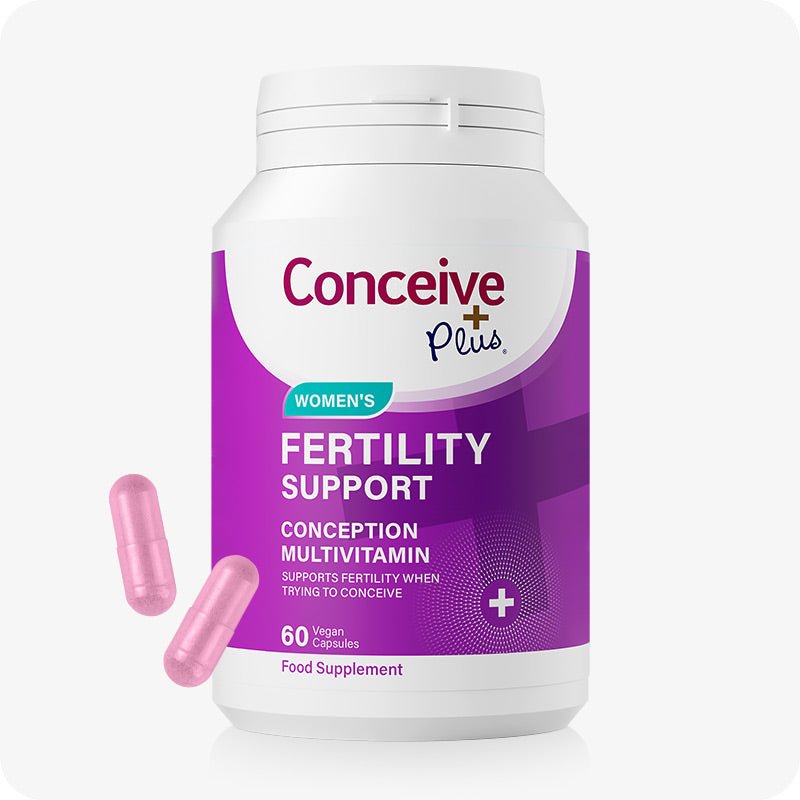
- Coenzyme Q10 (CoQ10): Emerging evidence suggests CoQ10 may improve egg quality and ovarian response in women undergoing IVF, particularly those of advanced reproductive age. A randomised controlled trial published in Fertility and Sterility found that CoQ10 supplementation improved ovarian response and embryo quality.
- Zinc: Essential for sperm production and testosterone metabolism. Studies have shown that zinc deficiency is associated with reduced sperm quality, and supplementation can improve sperm count and motility in deficient men.
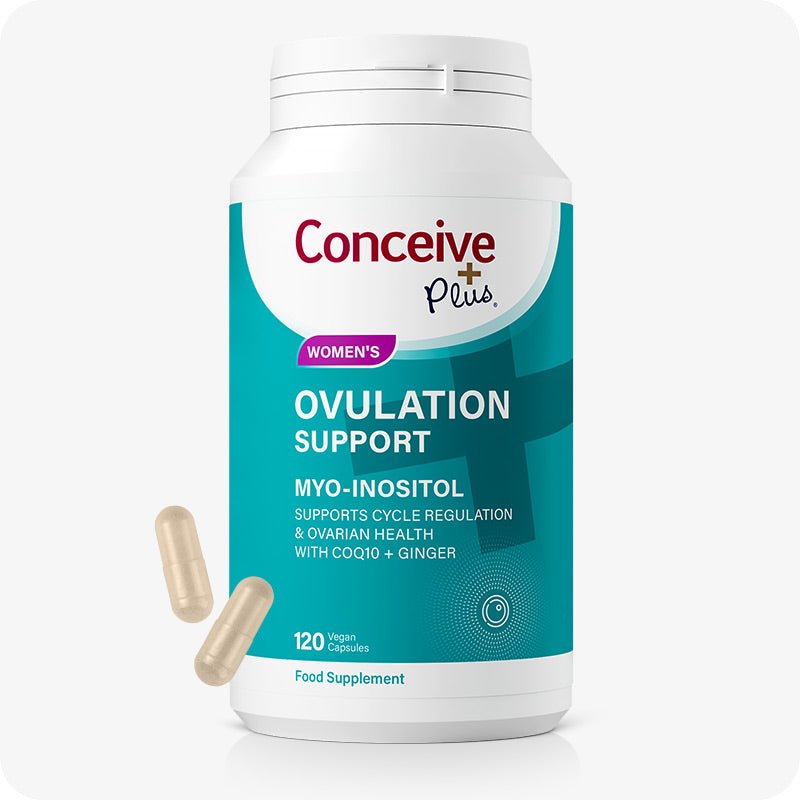
- Myo-inositol: Particularly relevant for women with PCOS, myo-inositol has been shown to improve insulin sensitivity, restore ovulatory cycles, and improve egg quality. Multiple clinical trials support its use as part of PCOS management.
- Vitamin D: Deficiency has been linked to poorer IVF outcomes and reduced sperm quality. Given that vitamin D deficiency is extremely common in the UK, testing and supplementation are often warranted.
- Omega-3 fatty acids: Some research suggests omega-3s support sperm membrane integrity and may help regulate inflammatory pathways relevant to implantation.
What science says: Not all supplements are created equal. But targeted, evidence-based nutritional support — chosen to address specific deficiencies or reproductive needs — can make a meaningful difference. The key is choosing supplements formulated with clinically supported ingredients at appropriate doses, not simply whatever happens to be trending.
Myth 6: Infertility Is Primarily a Female Problem
One of the most persistent — and harmful — fertility myths is the idea that conception difficulties are predominantly caused by female factors. This belief delays diagnosis, places unfair emotional burden on women, and leaves male fertility issues unaddressed.
The statistics tell a very different story. According to the NHS, male factor infertility accounts for approximately one-third of all fertility difficulties. Another third involve a combination of male and female factors, with unexplained infertility making up much of the remainder. Exclusively female-factor infertility accounts for only around one-third of cases.
Male infertility is most commonly caused by problems with sperm production (including low count, poor motility, or abnormal morphology), but can also result from hormonal imbalances, structural blockages, genetic conditions, or lifestyle factors such as smoking, alcohol consumption, obesity, and heat exposure (from hot tubs, tight clothing, or sedentary work).
A semen analysis — a relatively simple and non-invasive test — can provide a wealth of information about male reproductive health and is typically one of the first investigations recommended when a couple presents with fertility concerns.
What science says: Fertility is always a couples' issue. When a couple is having difficulty conceiving, both partners should be investigated simultaneously. Ignoring male fertility not only risks missing a treatable cause but also delays appropriate intervention and creates unnecessary emotional strain.
Myth 7: Irregular Periods Mean You Can't Get Pregnant
Irregular menstrual cycles are common — affecting up to 25% of women of reproductive age — and understandably cause anxiety for those trying to conceive. But irregular periods do not automatically mean infertility. Many women with irregular cycles conceive naturally, and many of the underlying causes of irregular periods are treatable.
The most common cause of irregular cycles is polycystic ovary syndrome (PCOS), affecting approximately 1 in 10 women in the UK. While PCOS can impair ovulation and make cycle timing unpredictable, many women with PCOS conceive naturally or with relatively straightforward interventions such as lifestyle modification, myo-inositol supplementation, or ovulation induction with medication.
Other causes of irregular periods include thyroid dysfunction, hyperprolactinaemia, low body weight or high-intensity exercise, and perimenopause. Many of these conditions respond well to appropriate medical management, often restoring regular ovulation and improving fertility.
Irregular cycles do make timing intercourse more challenging, as the fertile window is harder to predict. Tools such as ovulation predictor kits (OPKs), basal body temperature charting, and monitoring of cervical mucus changes can help identify ovulation even in irregular cycles.
What science says: Irregular periods are a sign that something may be affecting ovulation — but they are rarely a definitive barrier to pregnancy. Understanding the underlying cause is the critical first step. Working with a GP or reproductive specialist to identify and address the root cause of irregular cycles significantly improves the prognosis for most women.
Myth 8: You Can Get Pregnant Any Time of the Month
Some people enter their trying-to-conceive journey believing that conception can happen at any point during the cycle. In reality, the fertile window is biologically narrow — and understanding it is one of the most powerful things you can do to optimise your chances each cycle.
The human fertile window spans approximately six days: the five days before ovulation and the day of ovulation itself. This is because sperm can survive in the female reproductive tract for up to five days in the presence of fertile-quality cervical mucus, while the egg is only viable for 12 to 24 hours after ovulation.
Research published in the New England Journal of Medicine by Dr Allen Wilcox and colleagues found that virtually all pregnancies result from intercourse on these six days, with the highest probability occurring on the two days before and the day of ovulation. Intercourse after ovulation carries almost no chance of conception.
For women with regular 28-day cycles, ovulation typically occurs around day 14 — but individual variation is significant. Many women ovulate earlier or later, and cycle length can vary month to month. Relying solely on the "day 14" rule is a common and consequential mistake.
What science says: Timing is everything when it comes to conception. Understanding your personal cycle and identifying your fertile window — through OPKs, basal body temperature, cervical mucus observation, or a combination — gives you the best possible chance each month. Regular intercourse throughout the cycle (every two to three days) is also an effective approach for those who find tracking cumbersome.
Myth 9: Once You've Had a Child, Secondary Infertility Can't Happen
Having conceived and carried a pregnancy to term once — or even multiple times — is no guarantee that future pregnancies will come easily. Secondary infertility, defined as the inability to conceive or carry a pregnancy after previously doing so, is more common than many people realise.
According to the HFEA, secondary infertility affects approximately as many couples as primary infertility, yet it receives far less attention and is often dismissed by those around the couple who reason that "you've done it before." This can leave couples feeling isolated and unsupported.
Secondary infertility can result from age-related changes in either partner, new conditions such as endometriosis or uterine fibroids, changes in sperm quality, complications from a previous pregnancy or birth (such as scarring), weight changes, or new medications.
What science says: A previous successful pregnancy does not protect against future fertility challenges. If you have been trying to conceive a subsequent child for 12 months (or six months if you're over 35) without success, seeking a fertility assessment is entirely appropriate. The emotional complexity of secondary infertility — often complicated by guilt or the perception that the desire for another child is less valid — should not delay accessing support.
Myth 10: Lifestyle Doesn't Really Matter If You're Otherwise Healthy
Perhaps the most underestimated fertility myth is the belief that unless there's a diagnosed medical condition, lifestyle choices are irrelevant to conception. In fact, lifestyle factors have a profound and well-documented influence on both male and female fertility — often independently of any clinical diagnosis.
For women, excess body weight or being significantly underweight can disrupt hormonal balance and impair ovulation. A BMI above 30 has been associated with longer time-to-pregnancy and poorer IVF outcomes. Smoking accelerates egg depletion and is associated with earlier menopause. Alcohol consumption — even at moderate levels — has been linked to reduced fertility, and excessive alcohol can disrupt hormone production significantly.
For men, lifestyle has a direct impact on sperm parameters. Smoking is associated with reduced sperm count and motility, increased DNA fragmentation, and worse IVF outcomes. Obesity is linked to lower testosterone and poorer sperm quality. Heat exposure — from saunas, hot baths, tight underwear, or laptop use on the lap — can temporarily reduce sperm production, as the testes require a temperature slightly below core body temperature to produce sperm effectively.
Exercise has a nuanced relationship with fertility. Moderate regular physical activity is beneficial. However, extreme endurance exercise in women has been associated with hypothalamic dysfunction and disrupted cycles, while very high-intensity training in men has been linked to temporarily reduced sperm quality.
What science says: Lifestyle is not a peripheral concern — it is a core component of fertility health. Optimising body weight, quitting smoking, reducing alcohol, managing stress, eating a nutrient-dense diet, and maintaining a healthy sleep pattern are not "nice to haves." They are meaningful, evidence-based steps that can genuinely improve your reproductive outcomes, regardless of whether there is a diagnosed fertility condition.
Separating Fertility Facts from Fiction: A Practical Guide
Navigating fertility information can feel overwhelming, particularly when misinformation is so widespread. Here are some evidence-based principles to help you distinguish reliable guidance from myth:
- Look for systematic evidence. A single study or anecdote is not sufficient to establish a fertility fact. Peer-reviewed research, meta-analyses, and recommendations from reputable bodies such as the NHS, NICE, HFEA, and the European Society of Human Reproduction and Embryology (ESHRE) are your most reliable sources.
- Be sceptical of certainty. Fertility science is nuanced and individual. Anyone claiming to have found the definitive solution — whether it's a specific food, supplement, position, or ritual — should be approached critically.
- Both partners matter. Any fertility advice that focuses exclusively on women should raise a flag. Fertility is a shared biological reality, and any investigation, lifestyle change, or support strategy should involve both partners.
- Correlation is not causation. Many fertility myths arise from the fact that people try multiple things simultaneously and attribute success to whichever intervention they tried most recently. Controlled clinical evidence is what separates genuine interventions from coincidence.
- Seek professional guidance for persistent concerns. If you have been trying to conceive for 12 months (six months if over 35), are experiencing irregular cycles, known reproductive conditions, or have concerns about either partner's reproductive health, a GP referral or consultation with a reproductive specialist is the appropriate next step — not more internet research.
Frequently Asked Questions About Fertility Myths
Does drinking coffee really reduce fertility?
The evidence on caffeine and fertility is mixed, but the current consensus from bodies including NICE and the HFEA is that moderate caffeine consumption (under 200mg per day — approximately one to two cups of coffee) is unlikely to significantly impair fertility in most people. High caffeine intake has been associated with longer time-to-pregnancy in some studies, so moderation is advisable when trying to conceive.
Is it true that you should avoid sex for several days before your fertile window to "bank" sperm?
This is a widespread myth with little scientific support. While extended abstinence does increase sperm volume, it also increases the proportion of older, less motile, and DNA-damaged sperm. The evidence suggests that ejaculation frequency of every one to two days during the fertile window produces optimal sperm quality and the highest pregnancy rates. There is no benefit to prolonged abstinence.
Can a tilted uterus prevent pregnancy?
A retroverted (tilted) uterus is a normal anatomical variant, present in approximately 20-30% of women. For the vast majority, it has no impact whatsoever on fertility or the ability to carry a pregnancy. In rare cases where a tilted uterus is associated with an underlying condition such as endometriosis, it may be the endometriosis — not the position of the uterus — that affects fertility.
Does the contraceptive pill affect long-term fertility?
This is one of the most persistent fertility concerns among those who have used hormonal contraception. The good news is that multiple large-scale studies have found no long-term impact of the combined oral contraceptive pill on fertility. Fertility typically returns within one to three months of stopping the pill, though it can take slightly longer for some women. Any temporary delay in return of regular cycles after stopping the pill is not indicative of long-term fertility impairment.
Is it a myth that eating pineapple after embryo transfer helps implantation?
Pineapple contains bromelain, an enzyme with mild anti-inflammatory properties, which has led to the popular belief that eating pineapple — particularly the core — in the days after embryo transfer or ovulation can support implantation. While bromelain has been studied for various health applications, there is currently no robust clinical evidence demonstrating that eating pineapple improves IVF success rates or natural conception. It is unlikely to be harmful, but it should not be relied upon as a fertility intervention.
Can a man's sperm quality really be affected by wearing tight underwear?
Yes — this one is actually supported by evidence. The testes function optimally at a temperature approximately 2°C below core body temperature, which is why they are located outside the body. Chronic heat exposure — including from tight underwear, hot baths, saunas, or laptops placed on the lap — can temporarily reduce sperm production and quality. Switching to looser-fitting underwear has been shown in some studies to modestly improve sperm parameters. The effect is typically reversible once heat exposure is reduced.
Does acupuncture improve fertility?
Acupuncture is popular among those trying to conceive, and some small studies have suggested potential benefits for stress reduction and cycle regulation. However, the evidence base is inconsistent, and a 2018 randomised controlled trial published in JAMA — one of the largest and most rigorous studies on acupuncture and IVF — found no significant difference in live birth rates between those who received real acupuncture and those who received a sham procedure. Acupuncture may offer wellbeing benefits, but should not be positioned as a clinically proven fertility treatment.
Is secondary infertility rare?
No. Secondary infertility is more common than many people expect and accounts for a significant proportion of fertility consultations. Research suggests it affects up to half of all couples experiencing fertility difficulties. It is often underreported because those experiencing it may feel less justified seeking support. If you are struggling to conceive a subsequent child, your experience is valid and professional assessment is entirely appropriate.
Does being overweight or underweight really affect fertility that much?
Yes, significantly. Body weight has a direct impact on hormonal regulation in both men and women. In women, both obesity and low body weight can disrupt the hypothalamic-pituitary-ovarian axis, impairing ovulation. In men, obesity is associated with lower testosterone, higher oestrogen levels, and poorer sperm quality. Even modest weight normalisation — particularly in overweight or obese individuals — can have meaningful positive effects on reproductive hormone levels and fertility outcomes.
If I've been told I have low AMH, does that mean I can't conceive naturally?
Anti-Müllerian hormone (AMH) is a marker of ovarian reserve — the quantity of eggs remaining in the ovaries. Low AMH can indicate a reduced ovarian reserve, which becomes more relevant in the context of IVF (where fewer eggs can be retrieved). However, AMH is not a reliable predictor of natural conception rates. Many women with low AMH conceive naturally. AMH tells us about egg quantity, not quality — and it takes only one good egg to achieve a healthy pregnancy. Low AMH is a reason to seek specialist advice, not a reason to give up hope.
Cut Through the Noise
When it comes to fertility, facts matter. Conceive Plus is built on clinical research and trusted by thousands of couples across the UK.
Shop Conceive Plus →