Male Fertility: The Complete Guide to Sperm Health, Testing, and Optimisation for Conception


Why Male Fertility Deserves Equal Attention
When couples struggle to conceive, the spotlight often falls on female fertility. Yet male factor infertility is equally prevalent — it accounts for about a third of all infertility cases directly, and contributes to another 20% when combined with female factors. In total, a male factor is present in roughly 50% of couples who cannot conceive.
Despite these numbers, men are far less likely to seek help early. Cultural expectations, embarrassment, and a lack of awareness about male fertility all contribute to delayed testing and treatment. This is unfortunate, because male fertility is often highly responsive to relatively simple interventions — lifestyle changes, dietary improvements, and targeted supplementation can produce meaningful improvements in sperm quality within just three months.
This guide provides a comprehensive overview of male fertility: how it works, what can go wrong, how to assess it, and what you can do to optimise it.
The Male Reproductive System: A Quick Overview
Supporting Your Fertility Journey
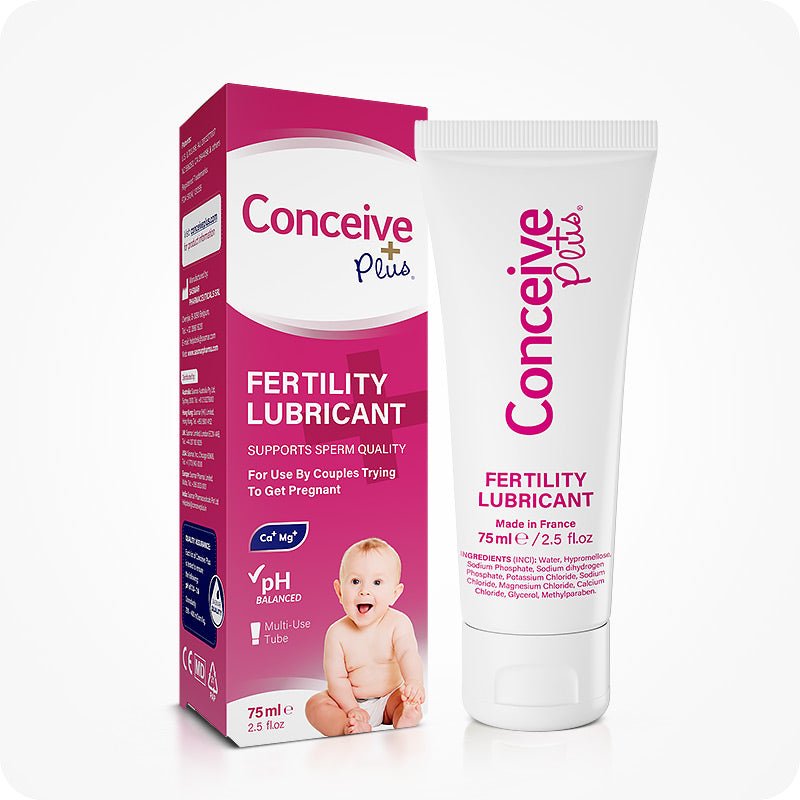
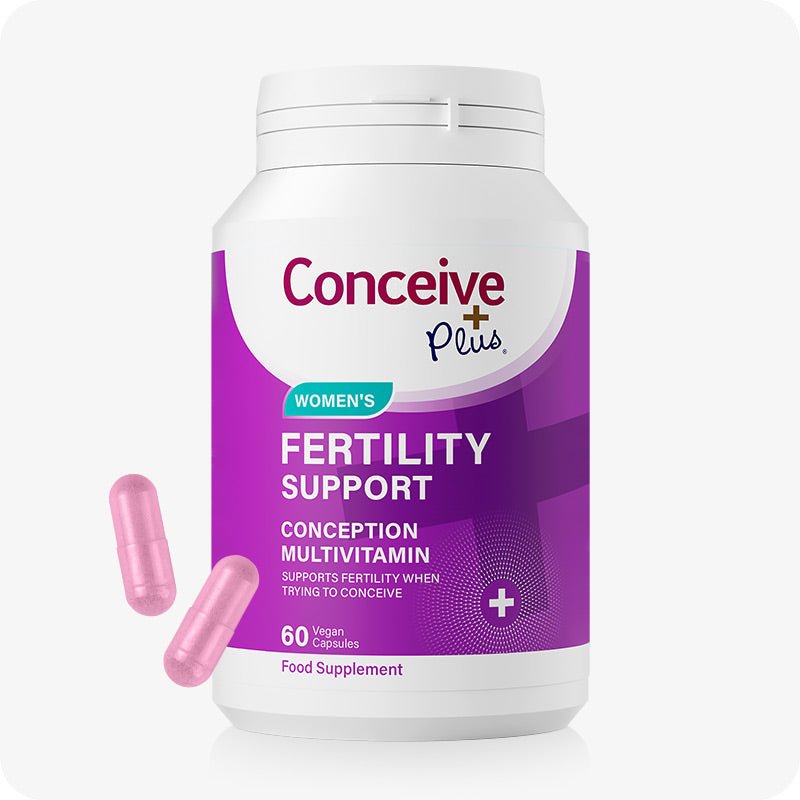
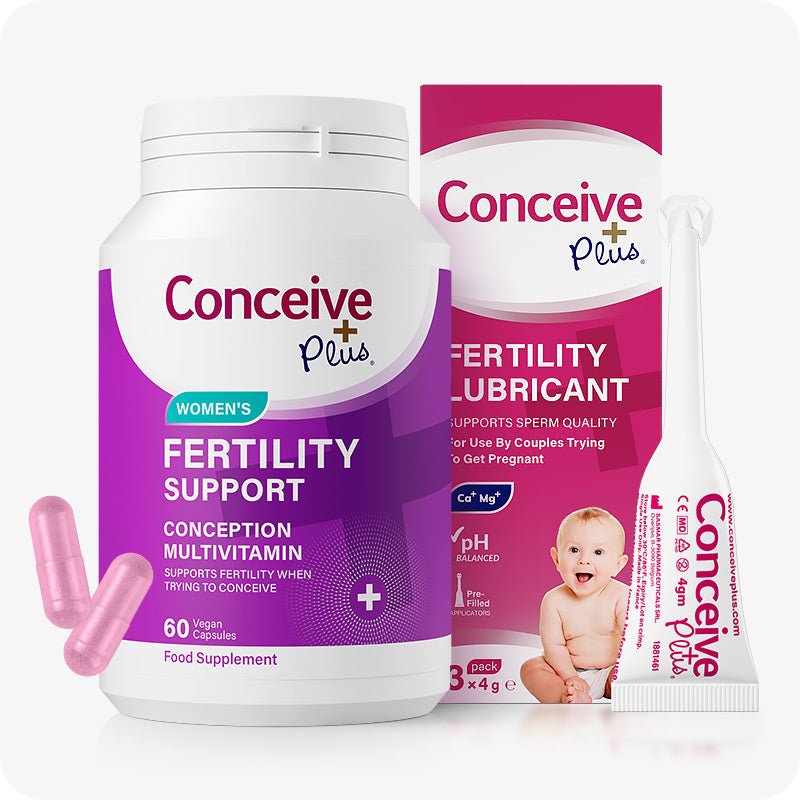
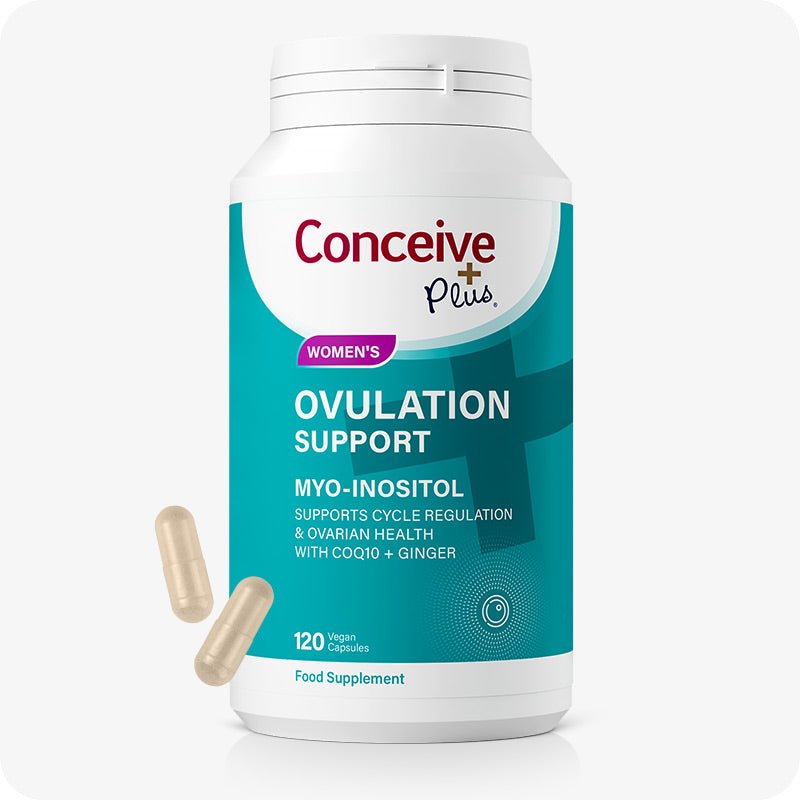
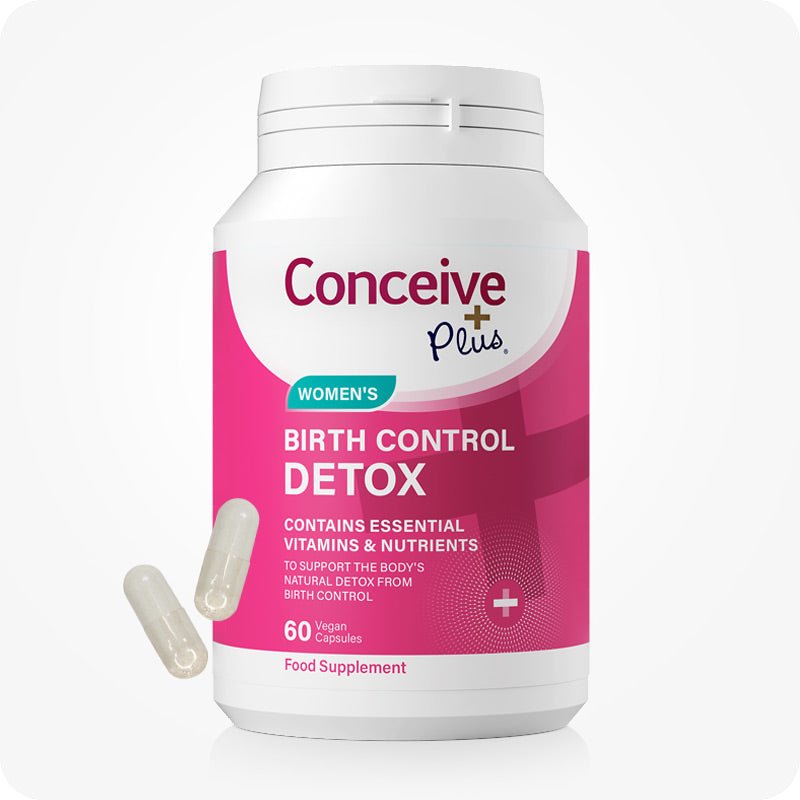
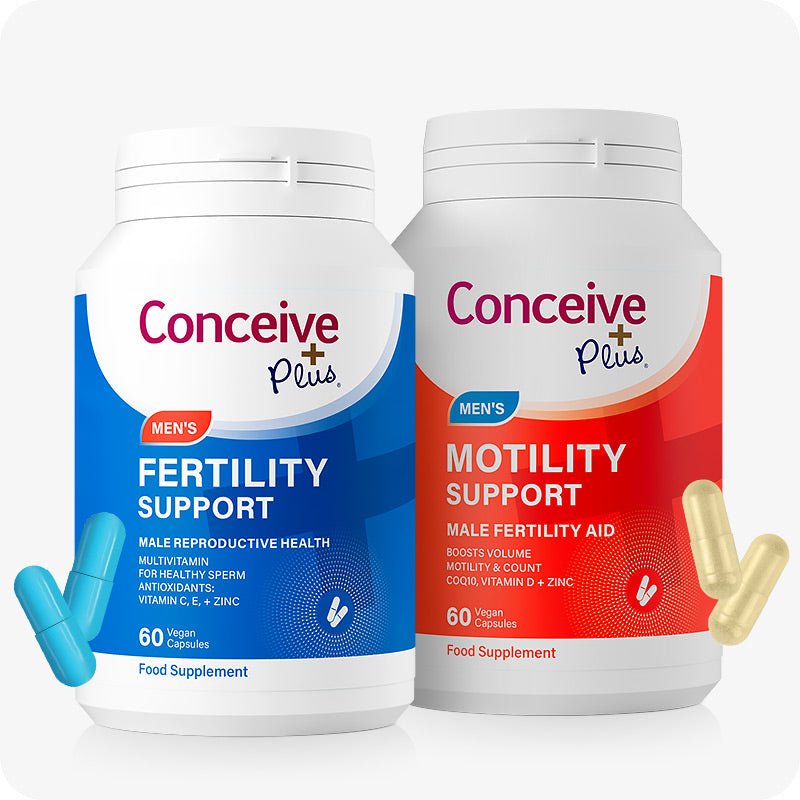
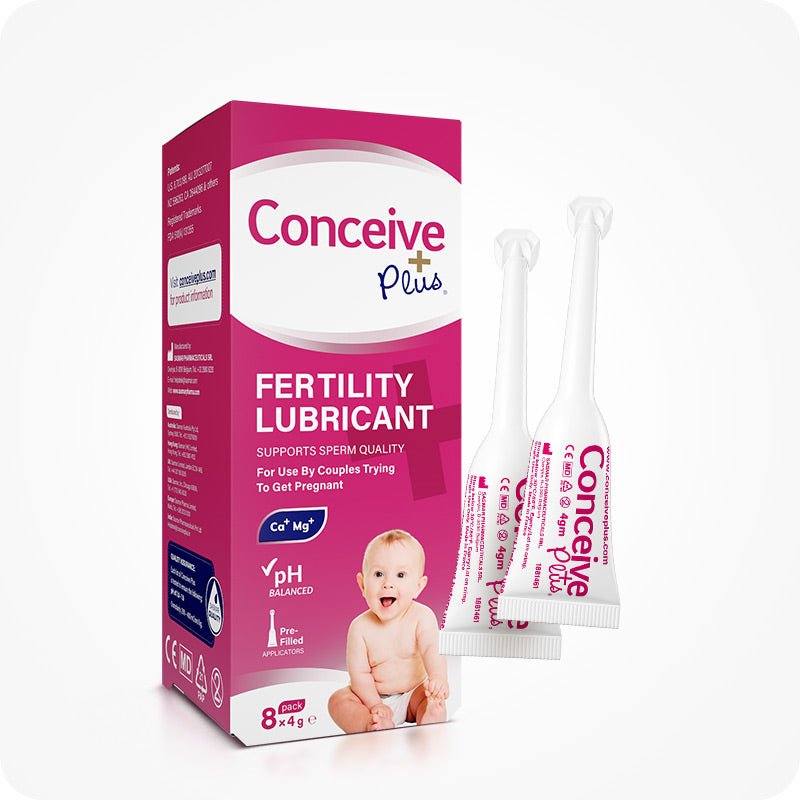
Conceive Plus products are formulated by fertility specialists to work with your body — not against it. From fertility-friendly lubricants clinically tested to match the pH and osmolality of fertile cervical mucus, to targeted nutritional supplements for both men and women, our range supports every step of your conception journey.
Male fertility depends on the production of healthy, functional sperm — a process called spermatogenesis that takes place in the seminiferous tubules of the testes. This process takes approximately 74 days and involves a tightly regulated sequence of cell divisions and maturations, controlled by the hypothalamic-pituitary-gonadal (HPG) axis.
The HPG axis works as follows: the hypothalamus releases gonadotropin-releasing hormone (GnRH), which signals the pituitary gland to release follicle-stimulating hormone (FSH) and luteinising hormone (LH). FSH stimulates Sertoli cells in the testes to support sperm production, while LH stimulates Leydig cells to produce testosterone. Testosterone is essential for sperm maturation, libido, and secondary sexual characteristics.
Any disruption to this delicate hormonal cascade — whether from environmental toxins, medications, stress, or medical conditions — can impair sperm production and male fertility.
Key Indicators of Male Fertility
Fertility specialists assess male reproductive health through several measures. The most important is the semen analysis, which evaluates:
- Sperm concentration: At least 16 million sperm per millilitre
- Total motility: At least 42% of sperm should be moving
- Progressive motility: At least 30% swimming in a straight line
- Morphology: At least 4% normal forms using strict criteria
- Semen volume: 1.4–6 mL per ejaculate
- pH: Between 7.2 and 8.0
- Vitality: At least 54% live sperm
Additional tests may include DNA fragmentation index (DFI), hormonal profiling (testosterone, FSH, LH, prolactin), scrotal ultrasound, and genetic testing when specific abnormalities are identified.
Factors That Affect Male Fertility
Age
While female age is rightly emphasised, paternal age also matters. Men over 40 experience lower pregnancy rates, longer time to conception, and higher rates of miscarriage. Sperm DNA fragmentation increases significantly after age 40, and the risk of certain genetic conditions in offspring rises. A 2017 study in The BMJ found that pregnancies fathered by men over 45 had a significantly higher risk of preterm birth and low birth weight.
Lifestyle Factors
The impact of lifestyle on male fertility cannot be overstated. Smoking, heavy alcohol use, recreational drugs, obesity, poor diet, chronic stress, and sleep deprivation all negatively affect sperm production and quality. The good news is that these are modifiable — changing them can produce measurable improvements within 3–4 months.
Environmental Exposures
Endocrine-disrupting chemicals (EDCs) found in plastics (BPA, phthalates), pesticides, heavy metals, and industrial pollutants can interfere with hormone function and reduce sperm quality. Reducing exposure through filtered water, glass food storage, and organic produce can help.
Medical Conditions
Varicocele (enlarged scrotal veins) is the most common reversible cause of male infertility, affecting 15–20% of all men and up to 40% of men with fertility issues. Other conditions include infections, hormonal imbalances, ejaculatory dysfunction, and genetic disorders such as Klinefelter syndrome or Y-chromosome microdeletions.
Testing Male Fertility: What You Need to Know
A semen analysis is the cornerstone of male fertility testing. It should be one of the first tests performed when a couple is having difficulty conceiving — it is non-invasive, relatively inexpensive, and provides critical information about the male partner's reproductive health.
For the most accurate results:
- Abstain from ejaculation for 2–5 days before the test
- Avoid alcohol for at least 48 hours
- Deliver the sample to the lab within one hour, kept at body temperature
- If results are abnormal, repeat the test in 6–12 weeks to confirm
A single abnormal result does not necessarily indicate a problem — temporary factors such as recent illness, fever, medication, or even a stressful week can affect sperm quality. Two or three tests over several months provide a more reliable picture.
Natural Strategies to Optimise Male Fertility
Nutrition
A fertility-friendly diet for men emphasises whole foods rich in antioxidants, healthy fats, and micronutrients critical for sperm production:
- Zinc: Oysters, red meat, poultry, beans, nuts — critical for testosterone metabolism
- Selenium: Brazil nuts, fish, eggs — protects sperm from oxidative damage
- CoQ10: Found in organ meats and oily fish; improves sperm energy production and motility
- Folate: Leafy greens, legumes, asparagus — essential for DNA integrity
- Vitamin D: Sun exposure, fatty fish, eggs — low levels linked to poor motility
- Omega-3s: Salmon, mackerel, walnuts, flaxseeds — improve sperm membrane quality
Exercise and Weight Management
Moderate exercise (30–60 minutes, 4–5 times per week) improves sperm quality by reducing oxidative stress and improving hormonal balance. However, extreme endurance training can temporarily impair sperm production.
Avoiding Heat
The testes function optimally at 2–4°C below core body temperature. Avoid hot baths, saunas, tight underwear, and prolonged sitting. Consider switching to loose-fitting boxer shorts.
The Role of Fertility-Friendly Lubricants
Many couples use lubricants during intercourse, but standard products can severely impair sperm function. Studies consistently show that most commercial lubricants reduce sperm motility by 60–100% within 30–60 minutes — effectively neutralising millions of sperm before they can reach the egg.
The problem is pH and osmolality. Healthy cervical mucus has a pH of approximately 7.2–8.0 and an osmolality of around 300 mOsm/kg. Most commercial lubricants are either too acidic or hyperosmolar, creating an environment that rapidly immobilises sperm. Fertility-friendly lubricants like Conceive Plus are specially formulated to match these natural conditions, supporting sperm survival rather than hindering it.
When to Seek Professional Help
If you have been trying to conceive for 12 months (or 6 months if your partner is over 35), both partners should undergo a fertility evaluation. Seek help sooner if you have a history of testicular injury, undescended testicles, chemotherapy, STIs, or sexual dysfunction.
Frequently Asked Questions About Male Fertility
How common is male factor infertility?
Male factor infertility affects approximately 1 in 3 infertile couples as the sole cause, and contributes to nearly half of all infertility cases overall.
Can male infertility be treated?
Yes, in the majority of cases. Treatments range from lifestyle modifications and medication to surgical correction of varicocele or assisted reproductive technologies such as IUI and ICSI.
Does age affect male fertility?
Yes, although more gradually than in women. Male fertility begins to decline measurably around age 40–45, with increased DNA fragmentation and longer time to pregnancy.
How long does it take to improve sperm quality?
Approximately 74 days (about 3 months) — the full cycle of spermatogenesis. Improvements from lifestyle changes typically become visible within this timeframe.
Can stress affect male fertility?
Yes. Chronic stress elevates cortisol, which suppresses the hormones needed for testosterone and sperm production. Stress management is an important component of male fertility optimisation.
Do supplements help improve sperm quality?
Yes. Multiple randomised controlled trials support the use of zinc, selenium, CoQ10, vitamin C, vitamin E, folate, and omega-3s for improving sperm parameters, particularly motility and count.
Does testosterone therapy affect fertility?
Yes, significantly. Exogenous testosterone suppresses the HPG axis and can halt sperm production entirely. Men planning to conceive should avoid testosterone replacement therapy.
Is cycling bad for male fertility?
Prolonged cycling (more than 3–5 hours per week) has been associated with reduced sperm parameters due to heat and perineal pressure. Using a padded seat and taking breaks can mitigate these effects.
Can COVID-19 affect male fertility?
Moderate-to-severe COVID-19 can temporarily impair sperm parameters. The effects appear to resolve within 3–6 months after recovery.
What role does Conceive Plus play in male fertility?
Conceive Plus offers a fertility-friendly lubricant that matches the pH and osmolality of fertile cervical mucus, protecting sperm during intercourse. The Men's Motility Support supplement provides targeted nutrients to support healthy sperm production.
Take the Next Step in Your Fertility Journey
Whether you are just beginning to try or have been navigating fertility challenges for a while, Conceive Plus has evidence-based products designed to support you. Trusted by thousands of couples worldwide.