Fertility Supplements: The Complete Evidence-Based Guide to What Works in 2026


Navigating the World of Fertility Supplements
The fertility supplement market has exploded. This guide cuts through the noise, examining evidence behind popular supplements for both women and men. Supplements complement a healthy diet and lifestyle, not replace them.
The Top Fertility Supplements for Women
Take the Next Step in Your Fertility Journey
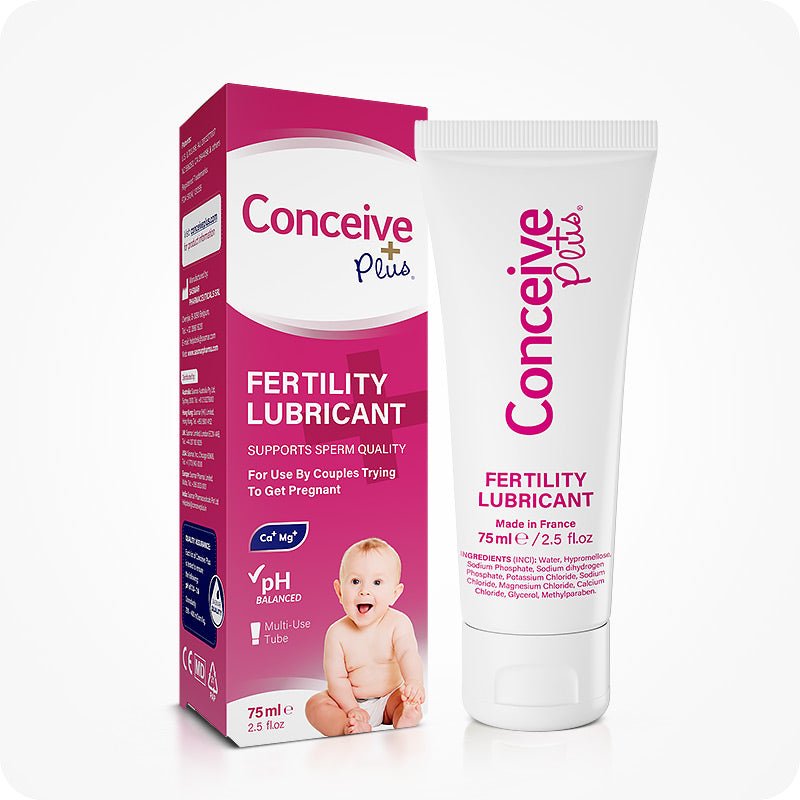
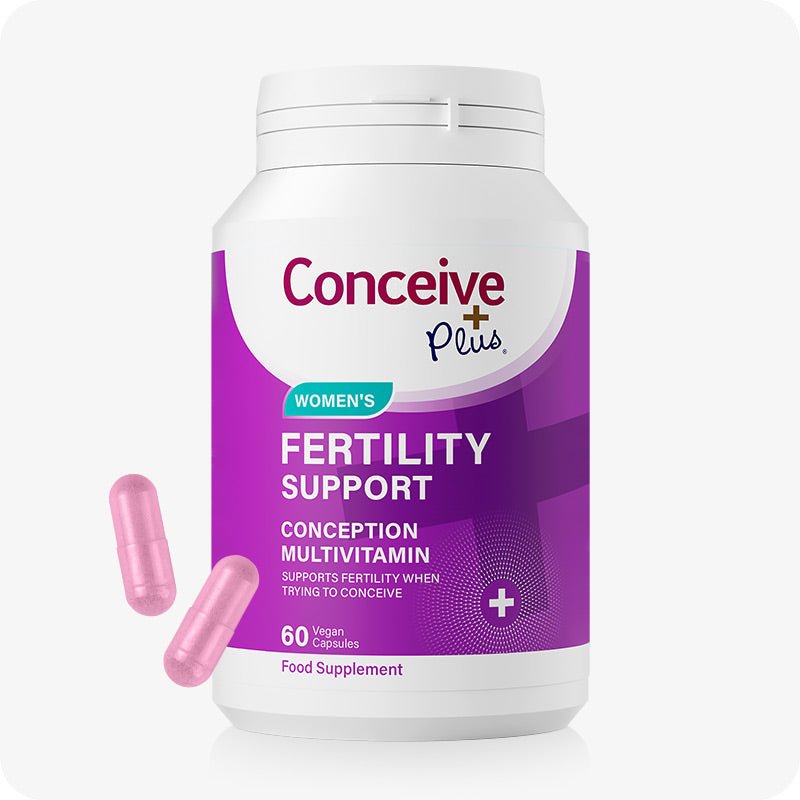
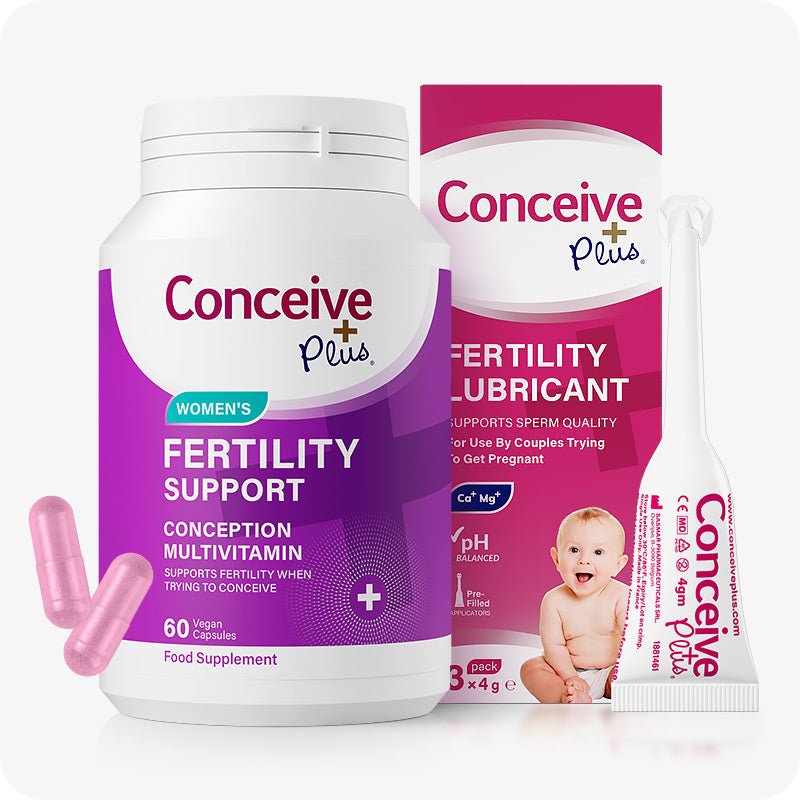
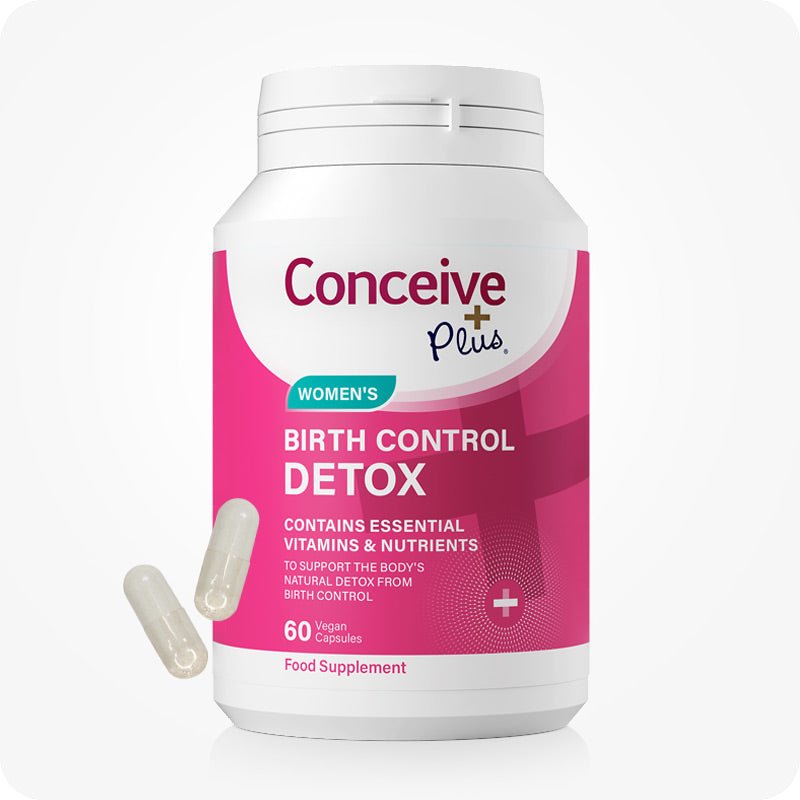
At Conceive Plus, we understand the challenges of trying to conceive. That's why we've developed a range of fertility products backed by science and designed with your journey in mind. Explore our Conceive Plus Fertility Supplements to give yourself the very best chance of conception. Your family's story starts here.
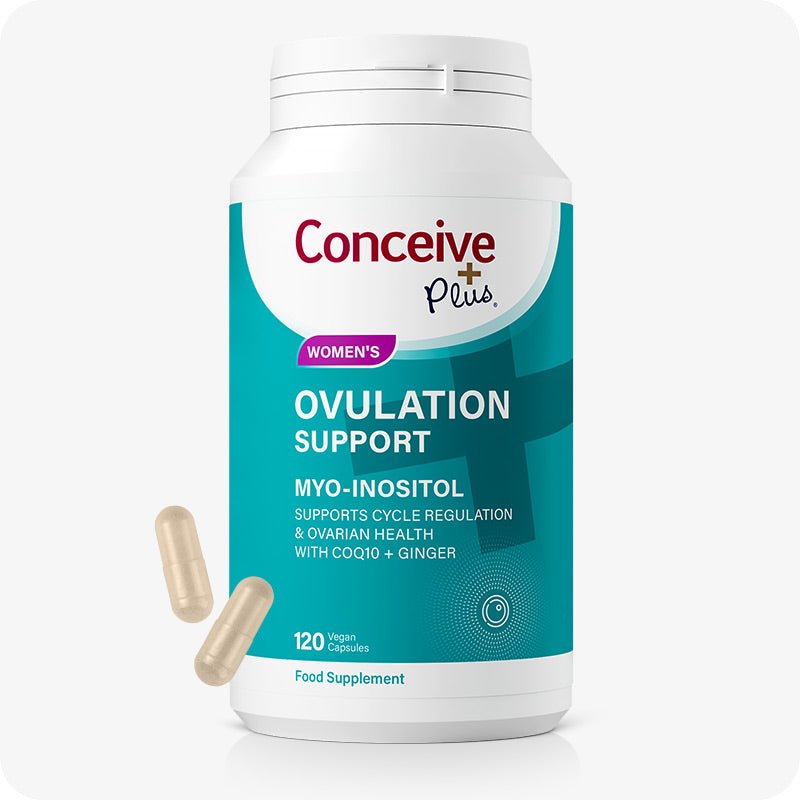
Folic Acid (400–800 mcg) is the most established supplement. The CDC and NHS recommend 400 mcg daily starting at least one month before conception. CoQ10 (200–600 mg) improves pregnancy rates by 22% in women undergoing IVF, per a 2024 systematic review. Vitamin D (2000–4000 IU) deficiency is linked to reduced fertility — sufficient levels increase pregnancy likelihood by 34%. Myo-Inositol (2000–4000 mg) helps women with PCOS restore ovulation in up to 60% of cases. Omega-3s (1000–2000 mg) reduce inflammation and improve cervical mucus quality.
Essential Supplements for Male Fertility
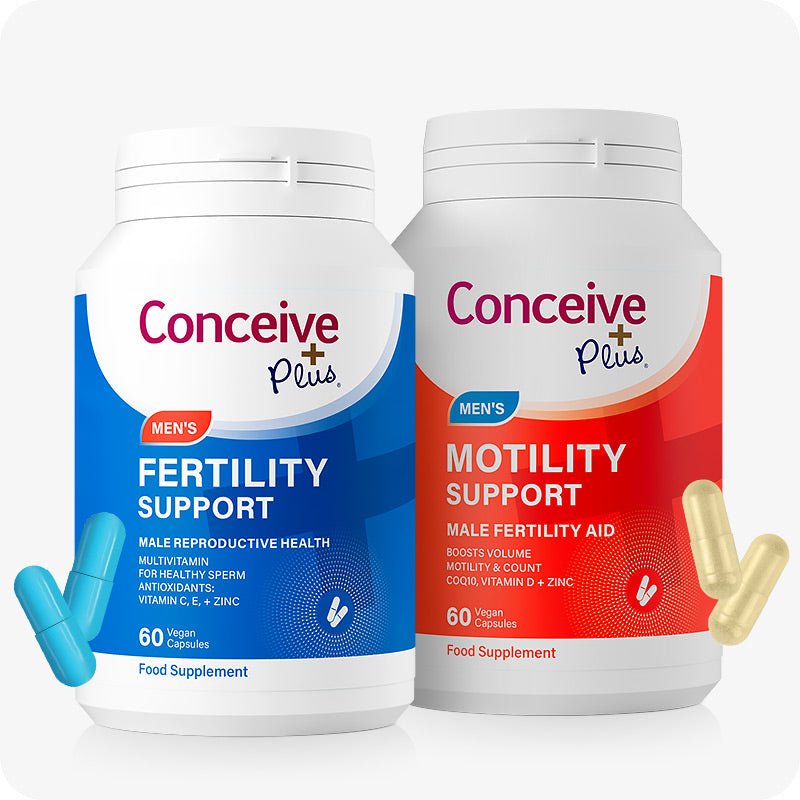
Zinc (15–30 mg) can increase sperm count by 74%. CoQ10 (200–400 mg) improves motility by 20–40% and reduces DNA fragmentation by 25%. Selenium (55–70 mcg) protects sperm from oxidative damage. L-Carnitine (1000–2000 mg) improves pregnancy rates by 35% in male factor infertility. Vitamin C (500–1000 mg) reduces sperm DNA fragmentation by 20%.
Supplements for Both Partners
Vitamin D, Omega-3s and Vitamin E (400–800 IU) benefit both partners. Magnesium (300–400 mg) supports hormone production and stress response. Probiotics support gut microbiome health, which affects nutrient absorption and hormone metabolism.
Quality, Safety, and Timing
Look for third-party tested products. Allow 3–6 months for supplements to reach optimal tissue levels. Always inform your fertility specialist about everything you take. Start male supplements at least three months before attempting conception.
Building Your Supplement Protocol
Start with a quality prenatal or male fertility multivitamin. Add targeted supplements based on your needs. Blood testing can identify specific deficiencies. Introduce supplements one at a time, waiting two weeks between additions.
Your Fertility Journey Deserves the Best Support
Every step of your conception journey matters — from understanding your body to choosing the right products. Discover Conceive Plus Conceive Plus Fertility Supplements and join thousands of couples who've trusted our science-backed fertility solutions. You're not alone on this path — we're here with you.
Frequently Asked Questions
1. Can I take too many supplements? Yes. More is not better. Stick to recommended dosages.
2. How long do supplements take to work? 3 months for sperm, 3–6 months for egg quality.
3. Are expensive supplements worth it? Focus on third-party certification and appropriate dosages, not price.
4. Can supplements replace a healthy diet? No. They complement, not replace, nutrient-dense food.
5. Should both partners take supplements? Yes. Fertility is a two-person journey.
6. Can I take supplements during IVF? Most are safe, but always inform your specialist.
7. Do herbal supplements work? Some have preliminary evidence, but quality control varies widely.
8. What is the most important supplement? Folic acid for all women, followed by vitamin D and CoQ10.
9. Are supplements safe while breastfeeding? Always consult your healthcare provider.
10. How do I know if supplements are working? Track cycle regularity, cervical mucus, ovulation tests, and semen analysis.