Sperm Health: The Complete Science-Based Guide to Understanding and Boosting Male Fertility


Understanding Sperm Health: The Foundation of Male Fertility
Sperm health is a critical component of fertility that is sometimes overlooked in the journey toward conception. Male factors contribute to approximately 40 to 50% of infertility cases, yet many men are unaware of the significant impact their lifestyle, diet, and health choices have on sperm quality. Understanding what constitutes healthy sperm and how to optimise it is essential for any couple trying to conceive.
Sperm health is assessed through three primary parameters: count, motility, and morphology. Sperm count refers to the number of sperm present in a sample. The World Health Organization's current reference value considers 16 million sperm per millilitre or more as normal. Sperm motility describes how well sperm can move through the female reproductive tract to reach and fertilise an egg. At least 42% of sperm should display progressive motility. Morphology refers to the size and shape of sperm, and while this parameter has been subject to debate, at least 4% of sperm with normal forms is considered adequate.
Beyond these basic parameters, scientists now understand that sperm DNA integrity plays a vital role in fertility. Sperm with fragmented DNA can still fertilise an egg, but may lead to poorer embryo development, lower implantation rates, and a higher risk of miscarriage. This is why comprehensive sperm health assessment goes beyond a simple count.
Factors That Affect Sperm Health
Numerous factors influence sperm quality, many of which are within your control. Lifestyle choices have a particularly profound impact. Smoking is associated with lower sperm count, reduced motility, and significantly higher DNA fragmentation rates. Alcohol consumption, particularly heavy drinking, can impair testosterone production and sperm quality. Even moderate alcohol intake has been linked to subtle changes in sperm parameters in some studies.
Body weight is another important factor. Obesity is associated with hormonal changes that can impair sperm production, including higher oestrogen levels and lower testosterone. Studies consistently show that men with a BMI over 30 are more likely to have reduced sperm count and motility. Conversely, being significantly underweight can also negatively affect sperm quality through different hormonal mechanisms.
Environmental factors matter too. Exposure to pesticides, heavy metals, industrial chemicals, and radiation has been linked to reduced sperm quality. While you cannot control every environmental exposure, being aware of potential risks and minimising unnecessary exposure is worthwhile. Heat exposure to the testicles—from hot baths, saunas, tight underwear, or prolonged sitting—can temporarily reduce sperm production.
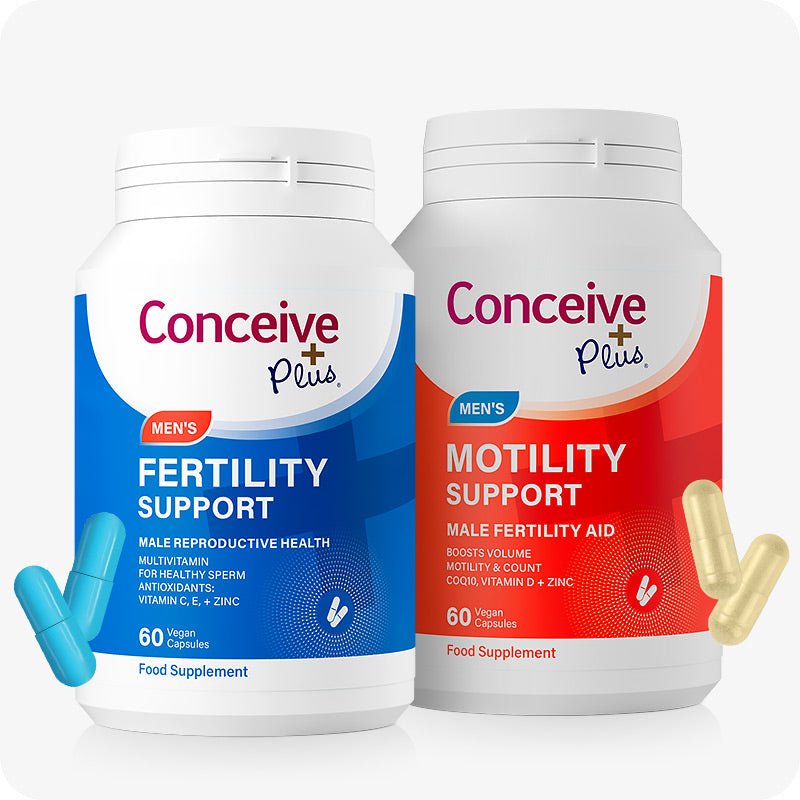
Support your sperm health journey with Conceive Plus Male Fertility Support. Formulated with zinc, selenium, CoQ10, and vitamin C to support healthy sperm production, motility, and DNA integrity. Learn more →
Nutrition for Optimal Sperm Health
Diet plays a foundational role in sperm health. A diet rich in antioxidants helps protect sperm from oxidative damage, which is a leading cause of reduced fertility. Foods high in vitamin C, vitamin E, selenium, zinc, and omega-3 fatty acids are particularly beneficial for sperm quality.
Zinc is perhaps the most important mineral for male fertility. It is essential for sperm formation, testosterone production, and DNA synthesis. Good dietary sources include oysters, beef, pumpkin seeds, and lentils. Selenium works alongside zinc to support sperm motility and protect against oxidative damage. Brazil nuts are the richest dietary source, with just one or two nuts providing the daily requirement.
Omega-3 fatty acids, particularly DHA, are critical components of sperm cell membranes and support motility. Fatty fish such as salmon, mackerel, and sardines are excellent sources. For men who do not consume fish regularly, an omega-3 supplement derived from fish oil or algae can help ensure adequate intake.
Supplements for Sperm Health
Targeted supplementation can provide concentrated support for sperm health. Coenzyme Q10 (CoQ10) has been shown to improve sperm motility and reduce DNA fragmentation by supporting mitochondrial function in sperm cells. Vitamin C is a powerful antioxidant that protects sperm from oxidative damage and prevents sperm agglutination.
Conceive Plus Male Fertility Support combines these and other evidence-based nutrients in a convenient once-daily supplement. The formulation includes zinc, selenium, CoQ10, vitamin C, vitamin E, and L-carnitine at clinically relevant doses, providing comprehensive nutritional support for male reproductive health.
Like all supplements, male fertility products work best as part of a holistic approach that includes a healthy diet, regular exercise, adequate sleep, and stress management. They are designed to fill nutritional gaps and provide targeted support, not to replace healthy lifestyle habits.
Take control of your fertility journey. Conceive Plus offers a complete range of evidence-based fertility products for both partners. From male fertility supplements to prenatal vitamins, every product is formulated to support your path to parenthood. Explore the full Conceive Plus range →