Miscarriage Recovery: Healing Your Body and Mind After Pregnancy Loss


2026-07-21 — By the Conceive Plus Team
Understanding Miscarriage: More Common Than You Think
Miscarriage is defined as the loss of a pregnancy before 20 weeks of gestation. It is far more common than most people realise — approximately 10–20% of confirmed pregnancies end in miscarriage, and when very early losses are included, the rate may be as high as 30–50%.
The emotional weight of miscarriage is profound and often underestimated. This guide aims to provide comprehensive, compassionate information about recovering from miscarriage — physically, emotionally, and practically.
Physical Recovery: What Your Body Needs
Support Your Recovery Journey
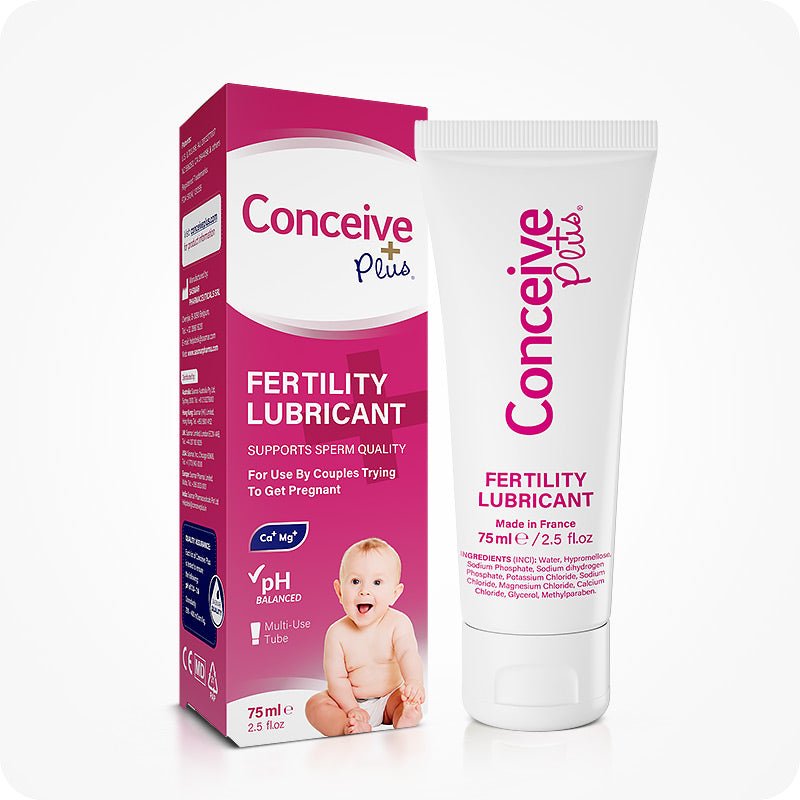
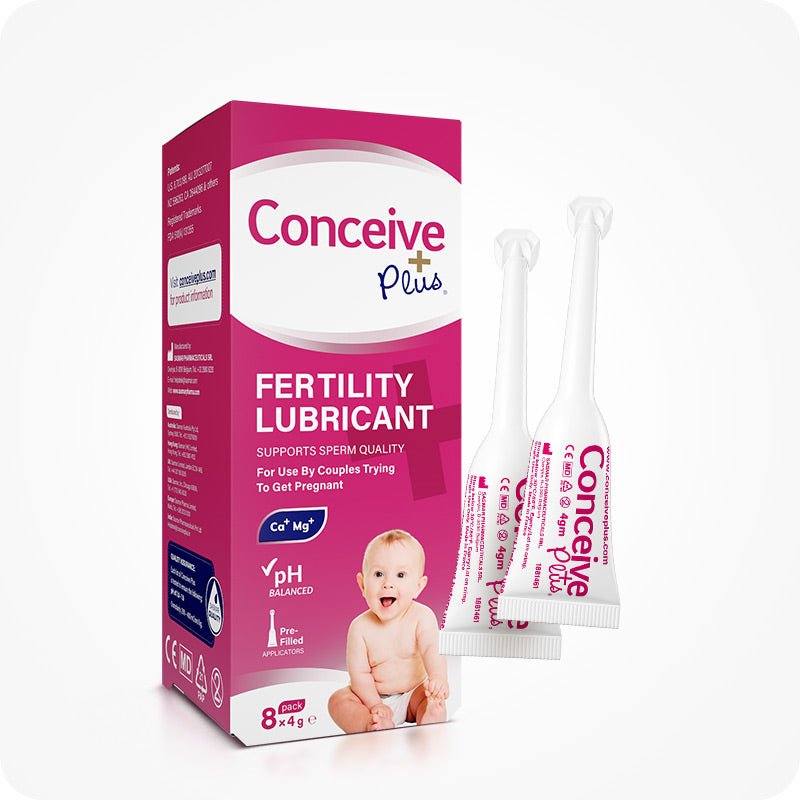
After a miscarriage, giving your body the gentlest, most supportive environment for healing is essential. Conceive Plus fertility-friendly lubricants are formulated to work with your body, not against it. Shop Conceive Plus UK.
Physical symptoms after miscarriage may include bleeding similar to a heavy period, cramping, breast tenderness, and fatigue. Bleeding typically lasts 1–3 weeks but can continue for up to 4–6 weeks. If you experience very heavy bleeding (soaking through a pad in under an hour), fever, severe pain, or foul-smelling discharge, contact your healthcare provider immediately.
For early miscarriages that complete naturally, no further treatment may be needed. Treatment options for incomplete miscarriages include expectant management, medical management with medication, or surgical management (D&C). Nutrition plays a key role in recovery — focus on iron-rich foods, protein, healthy fats, and B vitamins.
Emotional Recovery: Giving Yourself Permission to Grieve
The emotional aftermath of miscarriage is often more challenging than the physical recovery. Many women experience a complex mix of grief, guilt, anger, and fear. These feelings are normal and deserve acknowledgment.
One of the most important things to understand is that miscarriage is almost never caused by anything you did. The overwhelming majority of early miscarriages are due to chromosomal abnormalities. Support groups — both in-person and online — can be immensely helpful. If sadness or anxiety interferes with your daily life, consider speaking with a therapist who specialises in reproductive mental health.
When Can You Try Again?
Current evidence suggests waiting until you have had at least one normal menstrual period before trying again. A 2016 study found that women who conceived within three months of a miscarriage had similar or better pregnancy outcomes compared to those who waited longer.
The most important factor is not a calendar date — it is whether you feel emotionally and physically ready. Give yourself time to heal.
Testing After Recurrent Miscarriage
Recurrent miscarriage (two or more consecutive losses) affects approximately 1% of couples. Testing can identify a cause in about 50–60% of cases and may include karyotype analysis, uterine evaluation, antiphospholipid antibody testing, thyroid function testing, and progesterone assessment.
Even when no cause is found, approximately 60–70% of couples with unexplained recurrent miscarriage go on to have a healthy baby with supportive care.
Partner Support: The Hidden Side of Pregnancy Loss
Miscarriage affects both partners, but men and women often process grief differently. Male partners may feel pressure to stay strong for their partner. If you are the partner of someone who has experienced a miscarriage, listen more than you talk, validate her feelings, and offer practical support.
Healing Takes Time — We Are Here When You Are Ready
Whether you are taking time to heal or ready to try again, Conceive Plus is with you. Visit Conceive Plus UK to learn more.
Frequently Asked Questions About Miscarriage Recovery
- How long does bleeding last? Typically 1–3 weeks. Contact your doctor if very heavy or lasting longer than 4 weeks.
- When will my period return? Most women get their first period within 4–6 weeks.
- Can I get pregnant immediately after? Yes, ovulation can occur as early as two weeks after an early miscarriage.
- Does one miscarriage mean another? No. The risk after a single loss is approximately 14–21%.
- Should I take time off work? Many women benefit from a few days to a week off.
- Is it normal to feel depressed months later? Yes. Consider speaking with a mental health professional if it affects daily life.
- Can stress cause miscarriage? Ordinary daily stress does not. Severe chronic stress may slightly increase risk.
- What foods help with recovery? Iron-rich foods, vitamin C, protein, and B vitamins.
- When to see a specialist? After two or more consecutive miscarriages, or if over 35 with one miscarriage.
- Will miscarriage affect future fertility? For most women, a single miscarriage does not affect future fertility.