After Miscarriage: Rebuilding Your Emotional Wellbeing and Fertility Confidence


After Miscarriage: Rebuilding Your Emotional Wellbeing and Fertility Confidence
Miscarriage is one of the most common yet least spoken-about experiences in reproductive health. In the United Kingdom, approximately one in four pregnancies ends in miscarriage — roughly 250,000 losses every year. Despite how widespread it is, the emotional devastation it causes is rarely given the recognition it deserves.
If you have experienced a miscarriage, this guide is for you. It explores the physical recovery process, the profound emotional journey, and the evidence-based strategies that can help women rebuild their confidence and wellbeing as they navigate life after loss — whether that means trying again, taking time to heal, or finding a new path forward.
Understanding What Happens During and After Miscarriage
Miscarriage is defined as the loss of a pregnancy before 24 weeks of gestation, though the vast majority — around 80% — occur in the first trimester (before 12 weeks). The medical term is "spontaneous abortion," though many women find this clinical language adds to their distress.
Physiologically, the body after miscarriage goes through a process similar to a compressed menstrual cycle. Hormone levels — particularly human chorionic gonadotropin (hCG) and progesterone — decline. The uterine lining sheds. Physical recovery typically takes 1–4 weeks, though irregular bleeding can persist for up to six weeks, and the menstrual cycle may not resume for 4–8 weeks.
The speed of physical recovery does not predict emotional recovery. Many women feel physically ready to try again before they feel emotionally prepared — and equally, many feel emotionally ready to move forward before their body has fully healed. There is no right timeline.
Women who have experienced recurrent miscarriage (three or more losses) face a more complex clinical picture. Investigations into potential causes — antiphospholipid syndrome, uterine abnormalities, chromosomal factors, or thyroid dysfunction — are typically initiated after three losses, or sometimes two, depending on individual circumstances.
The Emotional Landscape: What Women Actually Experience
Support Your Fertility Journey
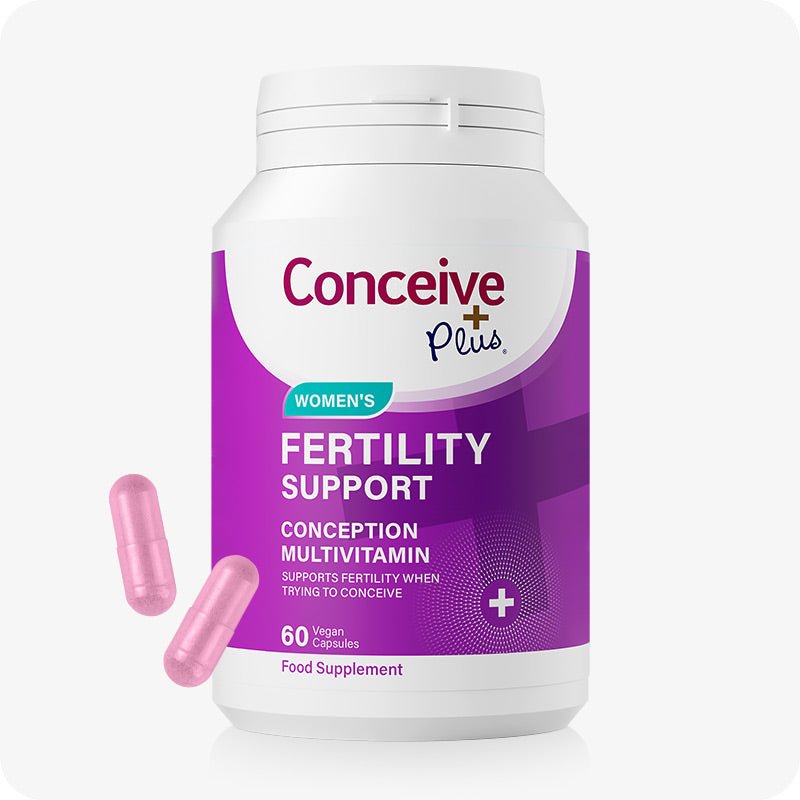
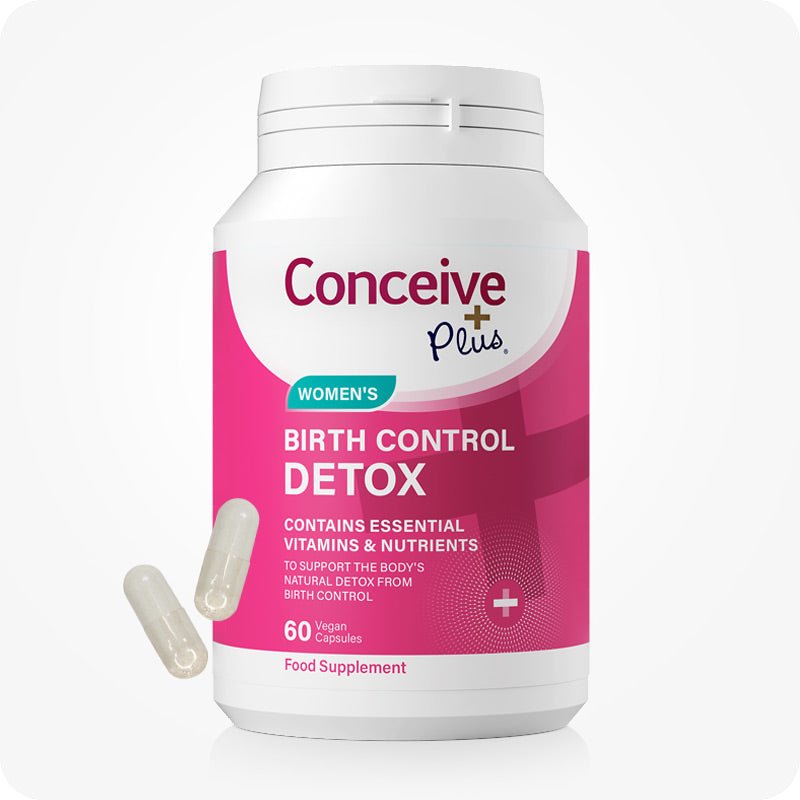
Conceive Plus Women's Fertility Support is formulated by fertility experts to nourish your body and hormonal balance after loss and on the road to pregnancy. Trusted by couples worldwide.
Learn More →The emotional aftermath of miscarriage is often more complex and more prolonged than healthcare systems acknowledge. Research published in BMJ Open (2021) found that a third of women who miscarried showed clinical levels of anxiety nine months later, and nearly a fifth showed symptoms of post-traumatic stress disorder (PTSD).
Common emotional experiences include:
- Grief and sadness: This is grief — for the baby imagined, the future that was planned, the name already whispered. It deserves to be named as such.
- Shock: Particularly for women who miscarried after seeing a heartbeat, the loss can feel completely unexpected and disorienting.
- Guilt and self-blame: "Was it something I did?" is one of the most common thoughts — and one of the least founded. In the vast majority of cases, miscarriage occurs due to chromosomal abnormalities in the embryo, entirely outside the mother's control.
- Anxiety about future pregnancies: Once a miscarriage has occurred, subsequent pregnancies are often coloured by fear. Every twinge, every scan, every week passed becomes loaded with anxiety.
- Isolation: Because early pregnancy is often kept private, women who miscarry frequently find themselves grieving alone, unable to explain their loss to colleagues, friends, or extended family who didn't know they were pregnant.
- Relationship strain: Partners often grieve differently, and mismatched timelines for readiness to try again, or differing expressions of grief, can create distance.
All of these responses are entirely normal. They are not signs of weakness. They are the natural responses of a person who has lost something deeply significant.
How Partners and Loved Ones Can Help
Partners, family members, and friends often want to help but struggle to know what to say. The research is clear: what helps most is acknowledgement, presence, and following the woman's lead — not minimising the loss or rushing the timeline.
What is helpful:
- Naming the loss as a real loss: "I'm so sorry for the baby you lost"
- Asking what the person needs, rather than assuming
- Continuing to check in weeks or months later — grief doesn't resolve quickly
- Remembering significant dates: the due date, the date of loss
- Practical support: cooking, covering childcare, accompanying to appointments
What is unhelpful (even when well-intentioned):
- "At least it happened early" — early loss is still loss
- "At least you know you can get pregnant" — this does not comfort
- "You can try again soon" — places the focus on replacement rather than grief
- "It wasn't meant to be" — may feel like the loss is being explained away
Partners also need support. Research increasingly recognises that partners experience their own grief after miscarriage, often suppressed in an effort to "be strong" for their partner. Creating space for both people to grieve is essential.
Physical Recovery: What to Expect and When
Most women can expect the following timeline after a first-trimester miscarriage, though individual experiences vary considerably:
- Days 1–7: Bleeding, cramping, and physical passage of the pregnancy tissue (whether naturally, with medication, or following surgical management)
- Weeks 1–4: Gradual reduction in bleeding. hCG levels decline and should reach zero within 2–6 weeks depending on gestation at time of loss
- 4–6 weeks: First period typically returns. Ovulation may occur before the first period, meaning conception is technically possible before the next bleed
- 6–8 weeks: Most women have physically recovered. Follow-up scans may be recommended to confirm the uterus is clear
Signs that warrant prompt medical attention include heavy bleeding (soaking more than one pad per hour), fever above 38°C, severe abdominal pain, or signs of infection (offensive discharge, chills).
For second-trimester losses, physical recovery is more significant, akin to labour and delivery. The emotional intensity is often greater, and specialist bereavement support is typically available through the NHS for these losses.
Rebuilding Emotional Wellbeing: Evidence-Based Approaches
Recovery is not linear, and it doesn't follow a prescribed timetable. The following approaches have good evidence for supporting emotional recovery after pregnancy loss:
Seeking Professional Support
For women experiencing prolonged grief, anxiety, or PTSD symptoms, psychological support is not a luxury — it is a clinical need. The NHS offers counselling through GPs and some specialist miscarriage clinics. Charities including the Miscarriage Association and Tommy's provide peer support, information resources, and some counselling services.
Cognitive behavioural therapy (CBT) and mindfulness-based approaches have strong evidence for reducing anxiety associated with pregnancy loss and improving outcomes in subsequent pregnancies.
Allowing Yourself to Grieve
Many cultures rush grieving. Actively creating space for sadness — giving yourself permission not to be "over it" — is genuinely therapeutic. Some women find comfort in rituals: planting a tree, creating a memory box, or marking the due date in a meaningful way.
Connecting with Others Who Understand
Peer support from others who have experienced pregnancy loss can reduce isolation and normalise grief responses. Online communities, in-person support groups, and phone lines offered by the Miscarriage Association provide spaces where women can speak honestly about their experience without feeling they need to minimise it for others' comfort.
Physical Movement and Self-Care
Gentle physical activity — walking, yoga, swimming — has consistent evidence for supporting mood during grief and recovery. It is not about "getting back to normal" but about providing the body and mind with movement that supports resilience.
Reducing Isolation
Telling at least a few trusted people — friends, family members — about the loss can reduce the burden of private grief. Changing cultural norms around early pregnancy announcement is slowly happening, partly driven by public figures sharing their losses openly.
Preparing for the Next Pregnancy: When and How
One of the most common questions after miscarriage is: when can we try again? The honest answer: when you are ready, both physically and emotionally — and guidance on timing has evolved.
For many years, medical advice recommended waiting three months before trying again. Current guidance from the Royal College of Obstetricians and Gynaecologists (RCOG) and the NHS has shifted: there is no evidence that waiting longer improves outcomes, and some evidence that conceiving in the cycle immediately following miscarriage does not increase risk and may actually have marginally better outcomes.
However, emotional readiness is a legitimate reason to take time. Trying again before feeling ready can increase anxiety during subsequent pregnancy and may affect the experience of that pregnancy even if it is successful.
Preparing nutritionally for the next pregnancy is a positive, evidence-based step many women take. Key focuses include:
- Folate (folic acid): 400 mcg daily, ideally for at least 3 months before conception, to reduce the risk of neural tube defects
- Vitamin D: The UK has high rates of deficiency; 10 mcg (400 IU) daily is recommended throughout pregnancy and the period before
- Iron: Particularly important if blood loss during miscarriage was significant
- Omega-3 fatty acids: Support placental development and fetal brain health
Women with recurrent miscarriage should request specialist referral for investigation of potential underlying causes, including antiphospholipid syndrome (for which treatment with low-dose aspirin and heparin is effective), thyroid disorders, and uterine structural problems.
Finding Meaning and Moving Forward
Many women who have experienced pregnancy loss speak of a changed relationship with pregnancy, with their own bodies, and with their sense of what matters. Recovery does not mean forgetting — it means integrating the experience into a life that continues to grow and hold meaning.
For some, the path to parenthood will include further miscarriage before a successful pregnancy. For others, it will involve fertility treatment. For others still, it may eventually involve alternative routes to building a family. Each of these paths is valid, and each deserves the same compassion and support.
What the evidence consistently shows is that women who access appropriate support — emotional, medical, and nutritional — have better outcomes and better wellbeing, both in subsequent pregnancies and in life more broadly. Asking for help is not weakness; it is the most pragmatic step towards healing.
Frequently Asked Questions
Q: How common is miscarriage?
A: Around one in four known pregnancies ends in miscarriage in the UK. The true figure may be higher, as many very early losses are not recognised as pregnancies. Most miscarriages are isolated events and do not indicate an underlying problem.
Q: Is miscarriage my fault?
A: In the vast majority of cases, no. Around 60% of first-trimester miscarriages are caused by chromosomal abnormalities in the embryo — a random event outside anyone's control. Exercise, sex, stress, and most everyday activities do not cause miscarriage.
Q: How long should I wait to try again?
A: Current NHS guidance does not recommend a mandatory waiting period after one uncomplicated miscarriage. Many women conceive successfully in the following cycle. Take the time you need to feel emotionally ready.
Q: When will my period return after miscarriage?
A: Usually within 4–6 weeks of the miscarriage, though this varies. Ovulation can occur before the first period, so pregnancy is possible sooner than expected.
Q: Is it normal to feel anxious in a subsequent pregnancy?
A: Completely normal. The experience is sometimes called "pregnancy after loss" (PAL), and it carries its own emotional complexity. Many hospitals and NHS trusts offer additional early scan appointments for women who have previously miscarried.
Q: What is recurrent miscarriage?
A: Three or more consecutive pregnancy losses. It affects about 1% of women. Investigation into underlying causes — antiphospholipid syndrome, chromosomal factors, uterine abnormalities, thyroid issues — is appropriate and can lead to effective treatment.
Q: Should both partners receive support after miscarriage?
A: Yes. Partners often experience significant grief that they feel unable to express. Both individuals deserve acknowledgement, and couples counselling can be very helpful when grief is creating distance.
Q: Can supplements help after miscarriage?
A: Nutritional support plays a role in preparing the body for the next pregnancy. Folic acid, vitamin D, iron, and a comprehensive prenatal supplement are commonly recommended by GPs and midwives in the pre-conception period.
Q: Where can I find support in the UK?
A: The Miscarriage Association (miscarriageassociation.org.uk) offers a helpline, online support, and information resources. Tommy's (tommys.org) funds research into pregnancy loss and provides guidance. Your GP can also refer you to counselling services.
Q: How do I know if I need professional mental health support?
A: If grief is significantly interfering with daily functioning, relationships, or work after several weeks; if you are experiencing symptoms of PTSD (flashbacks, nightmares, avoidance); or if you have thoughts of self-harm, please speak with your GP. These are clinical needs that deserve professional attention.
Ready to Take the Next Step?
Join thousands of couples who trust Conceive Plus to support their fertility journey. Conceive Plus Women's Fertility Support is clinically informed, expertly formulated, and designed for real results.
Shop Women's Fertility Support →