Male Fertility: The Comprehensive Guide to Sperm Health and Optimising Your Reproductive Potential


When couples struggle to conceive, the focus often falls on female fertility. Yet male factor infertility contributes to approximately 40 to 50% of all infertility cases. Sperm health — including count, motility, morphology, and DNA integrity — is every bit as important as ovulation and egg quality when it comes to successful conception. This comprehensive guide explores every aspect of male fertility, from the biological foundations of sperm production to the lifestyle factors, supplements, and medical treatments that can optimise your reproductive potential. Whether you are planning to start a family or already on the journey, understanding and improving your fertility is one of the most empowering steps you can take.
Understanding Sperm Production and Male Reproductive Health
Sperm production, or spermatogenesis, is a remarkably complex biological process that takes approximately 64 to 74 days to complete. Sperm are produced in the seminiferous tubules of the testes, where they undergo a carefully orchestrated sequence of cell divisions and maturation steps before being stored in the epididymis. The entire cycle means that any lifestyle change you make today will affect the sperm you produce roughly two to three months from now. This is both a challenge and an opportunity — it means that improving your health today directly translates to better sperm quality in the coming months. A healthy sperm sample typically contains at least 15 million sperm per millilitre, with at least 40% of sperm showing progressive motility (forward movement) and at least 4% exhibiting normal morphology (shape). These parameters, established by the World Health Organization, provide a baseline, but fertility can be affected even when numbers fall within normal ranges. Sperm DNA integrity is a more recently recognised but critical factor. Even sperm with normal count and motility can carry damaged DNA, which may lead to failed fertilisation, poor embryo development, or miscarriage. This is why comprehensive male fertility assessment goes far beyond a simple sperm count.
Lifestyle Factors That Significantly Impact Sperm Quality
Your daily habits have a profound effect on sperm health. Unlike many aspects of female fertility, male fertility is highly responsive to lifestyle modification, and improvements can be seen within a single spermatogenesis cycle. Diet and nutrition play a foundational role. A diet rich in antioxidants — including vitamins C and E, selenium, zinc, and coenzyme Q10 — protects sperm from oxidative stress, which is one of the leading causes of sperm DNA damage. Foods such as berries, dark leafy greens, nuts, seeds, and fatty fish provide these protective nutrients. The Mediterranean diet has been consistently associated with better sperm quality in multiple studies. Weight management is another critical factor. Obesity is linked to hormonal changes that impair sperm production, including increased estrogen levels and reduced testosterone. A study published in Human Reproduction Update found that men with a BMI over 25 had significantly lower sperm counts and motility compared with men in the healthy weight range. Exercise in moderation supports fertility, but excessive endurance training can temporarily reduce sperm quality. Aim for 30 to 45 minutes of moderate exercise most days of the week, including both cardiovascular work and strength training. Sleep is often overlooked but essential. Men who sleep fewer than six hours or more than nine hours per night have been shown to have lower sperm counts compared with those who sleep seven to eight hours. Sleep deprivation disrupts the hormonal rhythms that regulate testosterone production and spermatogenesis.
💙 Optimise Your Sperm Health with Conceive Plus
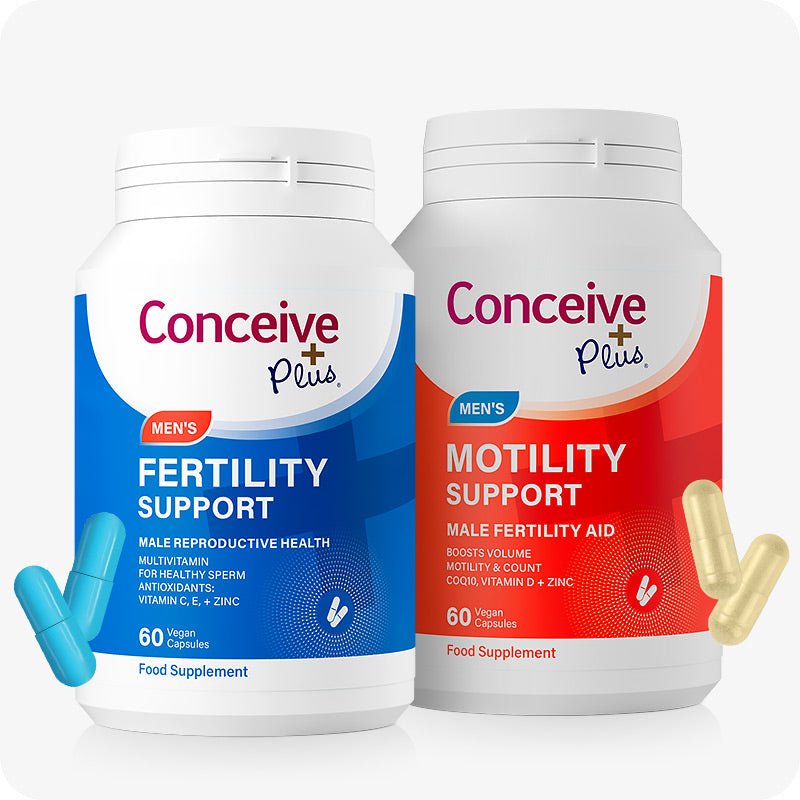
Every aspect of your fertility journey matters — including the products you use. Conceive Plus Men's Fertility Support provides targeted nutrients including zinc, CoQ10, and folic acid to support healthy sperm production and quality. Backed by science, trusted by men worldwide.
Environmental and Occupational Hazards to Avoid
Modern life exposes men to numerous environmental toxins that can impair fertility. Being aware of these hazards is the first step toward minimising exposure. Heat is one of the most well-documented threats to sperm production. The testicles are designed to sit outside the body because sperm production requires a temperature about 2 to 3 degrees Celsius below core body temperature. Frequent use of hot tubs, saunas, or even prolonged laptop use on the lap can temporarily reduce sperm count. Wearing loose-fitting underwear and avoiding prolonged heat exposure during the three months before attempting conception is recommended. Endocrine-disrupting chemicals (EDCs) are ubiquitous in modern environments. Bisphenol A (BPA) found in plastics, phthalates in personal care products, and pesticides in conventionally grown produce can all interfere with hormonal signalling. Choosing glass containers over plastic, eating organic produce when possible, and using natural personal care products can reduce your EDC burden. Heavy metals including lead, mercury, and cadmium accumulate in the body and directly damage sperm. Occupational exposure in industries such as battery manufacturing, welding, or mining requires rigorous protective measures. Even dietary mercury from certain fish can accumulate, so limiting high-mercury fish like tuna and swordfish is advisable.
Sperm-Safe Lubricants: An Overlooked Factor in Male Fertility
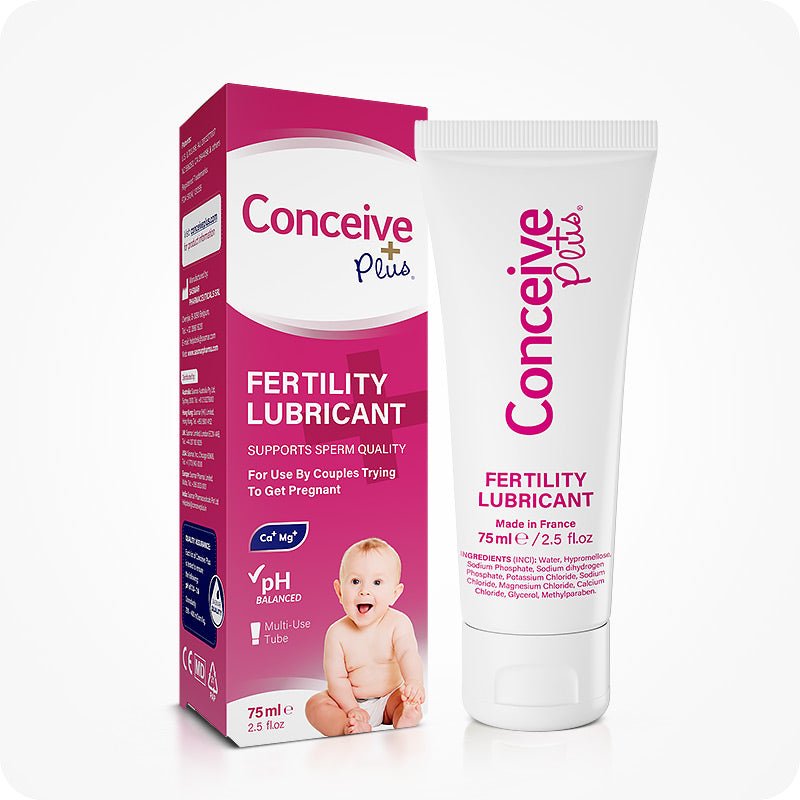
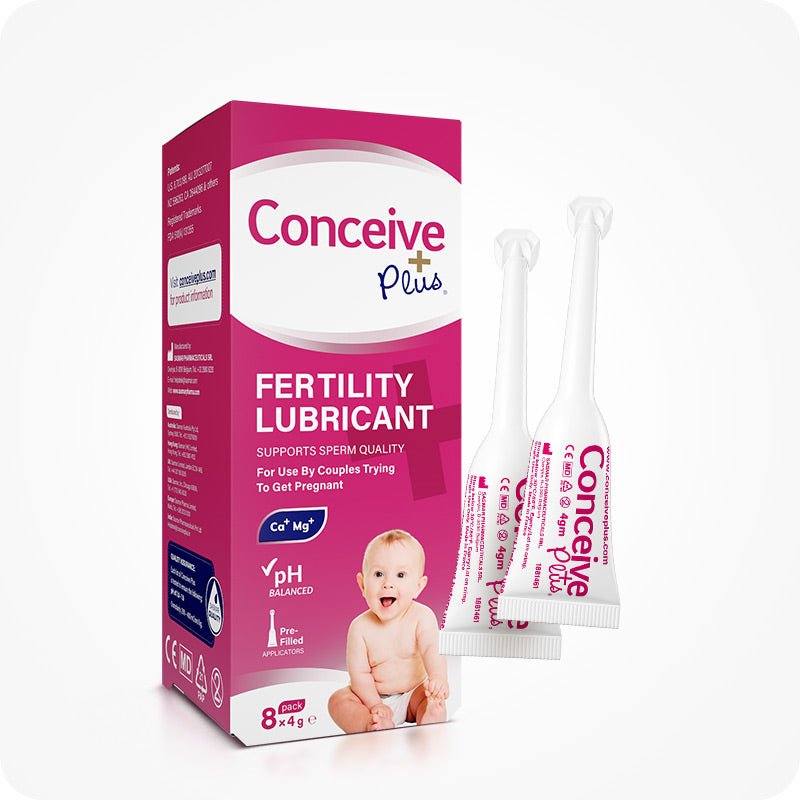
One of the simplest yet most frequently overlooked factors in male fertility is the choice of lubricant during intercourse. Most commercial lubricants are formulated for comfort, not fertility, and many are toxic to sperm. A landmark study tested 14 common lubricants and found that all of them significantly reduced sperm motility within 15 to 60 minutes of exposure. Some lubricants immobilised nearly 100% of sperm within minutes. The mechanism is osmotic — standard lubricants have a much higher osmolarity than semen or cervical mucus, causing sperm cells to lose water and become immotile or die. Fertility-friendly lubricants like Conceive Plus are specifically designed to be isotonic and pH-balanced to match fertile cervical mucus. They do not harm sperm motility or DNA integrity, making them the only safe choice for couples trying to conceive. Conceive Plus has been clinically tested and is recommended by fertility specialists worldwide. For men who are working hard to improve their sperm quality through diet and lifestyle, using the wrong lubricant can undo weeks of effort in minutes. This is why choosing Conceive Plus is a straightforward, evidence-based decision for any couple on a fertility journey.
Supplements and Medical Treatments for Male Fertility
While a healthy diet should always come first, targeted supplementation can provide additional support for male fertility. The most evidence-backed supplements include: Zinc is perhaps the most critical mineral for male fertility. It is essential for sperm formation and testosterone production. Studies have shown that zinc supplementation can increase sperm count and motility in men with low levels. The recommended daily intake for fertility support is 15 to 30 mg. Coenzyme Q10 (CoQ10) is a powerful antioxidant that improves sperm energy production and reduces oxidative damage. Clinical trials have demonstrated that CoQ10 supplementation significantly improves sperm motility and concentration after three to six months. Folic acid is not just for women. Research has shown that men with higher folate levels have lower rates of sperm DNA abnormalities. A daily supplement of 400 to 800 mcg is recommended. Omega-3 fatty acids, particularly DHA, are critical components of sperm cell membranes. Supplementation with fish oil has been shown to improve sperm count, motility, and morphology. Vitamin D deficiency is increasingly linked to reduced fertility in men. A simple blood test can determine your levels, and supplementation can correct deficiencies.
When to Seek Professional Help
Male fertility is too important to leave to guesswork. If you and your partner have been trying to conceive for 12 months without success (or six months if your partner is over 35), it is time for a comprehensive evaluation. A basic male fertility workup includes a semen analysis, physical examination, and medical history review. The semen analysis evaluates count, motility, morphology, volume, and other parameters. If abnormalities are detected, further testing may include hormonal blood work, genetic testing, or imaging studies. Do not wait until you have been trying for a year to pay attention to your fertility. Because sperm quality reflects your health over the preceding three months, starting healthy habits now — even before you begin trying — will put you in the best possible position for success. Remember that male fertility issues do not necessarily mean you cannot father a child. Many conditions are treatable, and assisted reproductive technologies including IVF and ICSI have made it possible for men with even severe fertility issues to become biological fathers.
Frequently Asked Questions
How long does it take for sperm to regenerate?
The full cycle of sperm production, called spermatogenesis, takes approximately 64 to 74 days. However, sperm are continuously produced, so daily ejaculation is possible. Improvements from lifestyle changes typically appear after about three months.
Can low sperm count be improved naturally?
Yes, in many cases. Lifestyle modifications including a healthy diet, regular exercise, weight management, stress reduction, and avoiding smoking and excessive alcohol can significantly improve sperm count. Targeted supplements like zinc and CoQ10 also help.
Does boxers or briefs affect sperm count?
The evidence is mixed. Some studies show that tight underwear can slightly increase scrotal temperature, potentially reducing sperm production. Wearing loose-fitting underwear may help, particularly if you already have low sperm counts.
How does age affect male fertility?
Male fertility declines with age, though more gradually than female fertility. After age 40, sperm DNA fragmentation increases, and the risk of genetic abnormalities in offspring rises slightly. The decline becomes more noticeable after age 50.
Can stress really affect sperm quality?
Yes. Psychological stress triggers the release of cortisol and other stress hormones that can interfere with testosterone production and spermatogenesis. Chronic stress has been linked to lower sperm count, motility, and abnormal morphology.
What is the best diet for male fertility?
A Mediterranean-style diet rich in antioxidants, healthy fats, and lean protein is considered optimal for male fertility. Key foods include berries, nuts, seeds, dark leafy greens, fatty fish, and whole grains.
Does alcohol affect sperm quality?
Yes. Heavy alcohol consumption can lower testosterone levels, impair sperm production, and increase the proportion of abnormal sperm. Moderate drinking (1-2 drinks per day) may have less impact, but reducing intake is advisable when trying to conceive.
Can medication affect male fertility?
Several medications can impact fertility, including some antidepressants, blood pressure medications, anabolic steroids, and chemotherapy drugs. If you are on long-term medication and planning to conceive, discuss potential fertility effects with your doctor.
Is male fertility testing painful or invasive?
A standard semen analysis is non-invasive and involves providing a sperm sample through masturbation. Blood tests may be needed for hormonal evaluation, and these are simple blood draws. Overall, male fertility testing is straightforward and minimally invasive.
What is sperm DNA fragmentation and why does it matter?
Sperm DNA fragmentation refers to damage to the genetic material within sperm. High fragmentation levels are associated with lower fertilisation rates, poorer embryo development, and higher miscarriage risk. Lifestyle factors and antioxidants can help reduce fragmentation.
💙 Ready to Take the Next Step?
Your fertility is worth investing in. Conceive Plus offers a complete range of male fertility supplements designed to support sperm health from every angle. Start your journey to better fertility today.
Shop Men's Fertility Support →