Fertility Supplements: The Evidence-Based Guide to Which Nutrients Actually Improve Your Chances of Conception


Navigating the world of fertility supplements can feel overwhelming. With countless products, conflicting advice, and bold marketing claims, it is easy to wonder which nutrients actually make a difference and which are simply expensive placebos. This comprehensive, evidence-based guide cuts through the noise, examining the scientific research behind the most studied fertility supplements and providing clear recommendations for both women and men preparing for conception.
Whether you are just beginning to think about trying to conceive or have been on this journey for some time, understanding which supplements are supported by robust clinical evidence empowers you to make informed decisions about your reproductive health.
Why Supplements Matter for Fertility
Your body requires a precise balance of vitamins, minerals, and other nutrients to support reproductive function. For women, this includes the complex hormonal orchestration that drives the menstrual cycle, egg development, ovulation, and implantation. For men, it encompasses sperm production, maturation, and function.
Modern dietary patterns, soil depletion, stress, and environmental factors can make it challenging to obtain optimal levels of all these nutrients from food alone. A 2020 review in Nutrients highlighted that specific nutrient deficiencies are associated with reduced fertility in both men and women, and that targeted supplementation can improve reproductive outcomes.
However, not all supplements are created equal. The key factors that determine effectiveness include: the specific form of the nutrient (some are better absorbed than others), the dosage (it must reach clinically studied levels), and manufacturing quality.
The Top Fertility Supplements for Women
Folic Acid (Vitamin B9): The single most important supplement for anyone trying to conceive. Folic acid is critical for preventing neural tube defects and also supports ovulation and egg quality. The recommended dose is 400-800 mcg daily, ideally started at least three months before conception.
Coenzyme Q10 (CoQ10): As women age, egg quality can decline due to decreased mitochondrial function. CoQ10 supports cellular energy production and provides antioxidant protection. A 2018 systematic review in Fertility and Sterility found that CoQ10 supplementation improved pregnancy rates in women undergoing fertility treatment.
Vitamin D: Vitamin D receptors are present throughout the reproductive system. Research has linked adequate vitamin D levels with improved IVF outcomes, regular ovulation, and higher pregnancy rates. Many women are deficient, particularly those living in northern latitudes.
Omega-3 Fatty Acids (EPA and DHA): These essential fats reduce inflammation, support hormone production, and improve cervical mucus quality. They are also vital for fetal brain development.
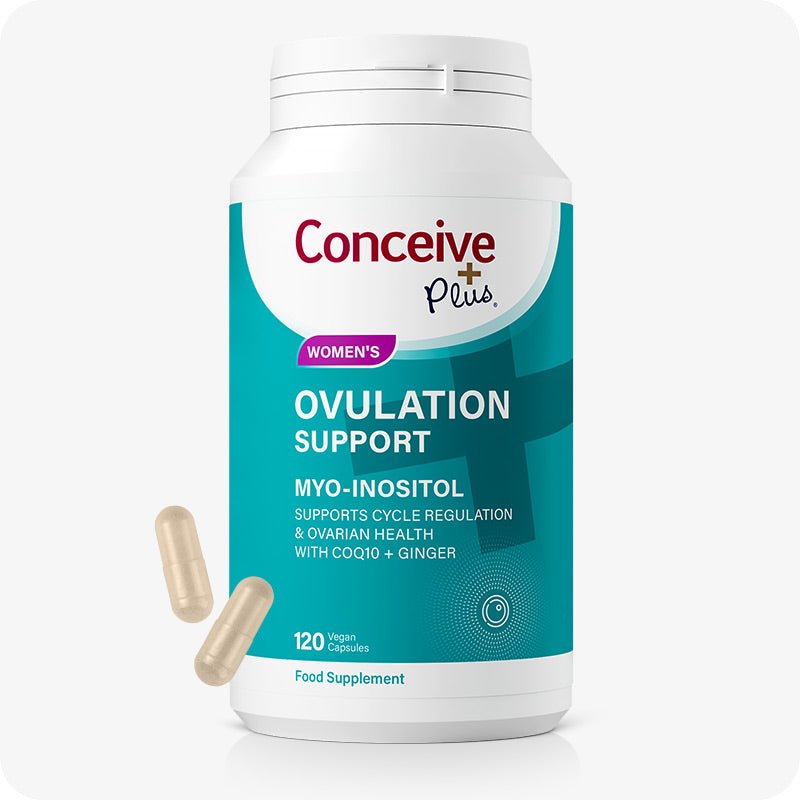
Myo-Inositol: Particularly beneficial for women with PCOS, myo-inositol improves insulin sensitivity and ovarian function. It can also support egg quality in women without PCOS. The typical dose is 2000-4000 mg daily.
Zinc: Essential for cell division, hormone regulation, and immune function. Zinc plays a direct role in egg maturation and ovulation.
The Top Fertility Supplements for Men
Male fertility contributes to approximately 40-50% of all infertility cases. Sperm health is highly sensitive to nutritional status, and targeted supplementation can significantly improve sperm parameters.
Zinc: Perhaps the most critical mineral for male fertility. Zinc is essential for sperm formation, motility, and DNA integrity. A 2018 meta-analysis found that zinc supplementation significantly increased sperm quality and pregnancy rates.
Selenium: Important for sperm maturation and motility. Selenium also provides antioxidant protection against oxidative damage.
Coenzyme Q10: Improves sperm concentration, motility, and morphology, particularly in men with oligospermia.
Vitamin C: A powerful antioxidant that protects sperm from oxidative damage and helps prevent DNA fragmentation.
L-Carnitine and Acetyl-L-Carnitine: These amino acids are crucial for sperm energy metabolism and motility. Multiple studies show improved sperm motility with carnitine supplementation.
How to Choose a Quality Fertility Supplement
With the market flooded with options, selecting the right supplement requires careful evaluation. Look for products that provide nutrients at the doses used in clinical studies. Pay attention to the form—methylated B vitamins, chelated minerals, and natural vitamin E are typically better absorbed.
Choose supplements independently tested for purity and potency by organisations such as USP, NSF International, or ConsumerLab. Avoid products with artificial colours, preservatives, and unnecessary fillers.
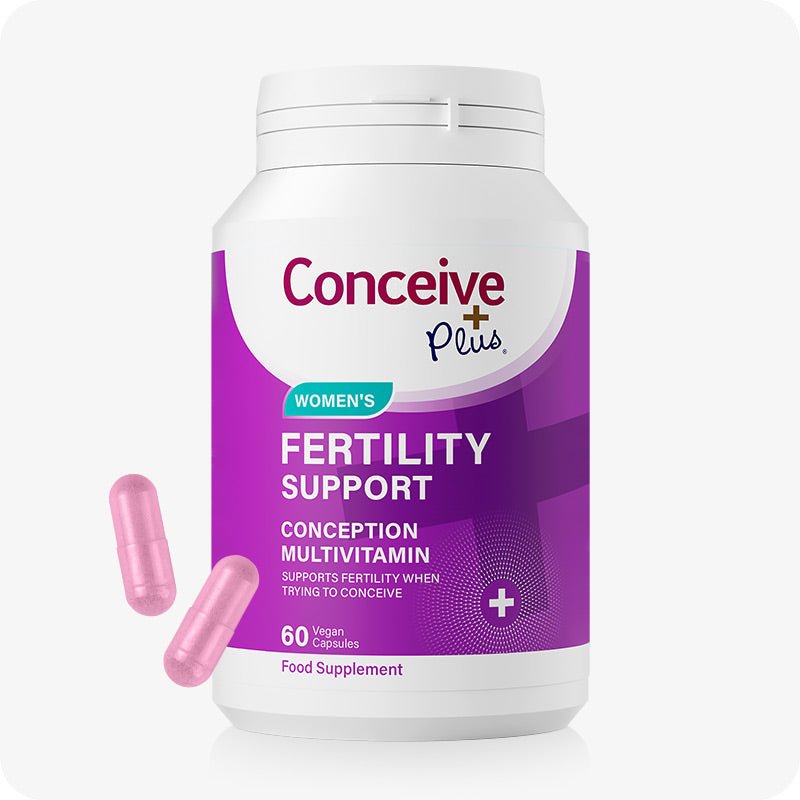
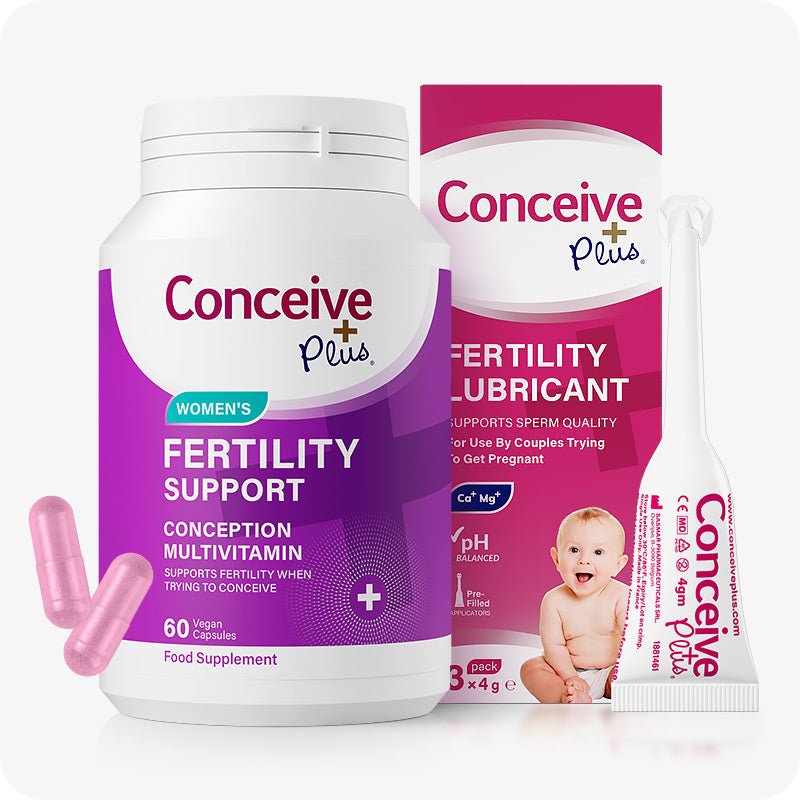
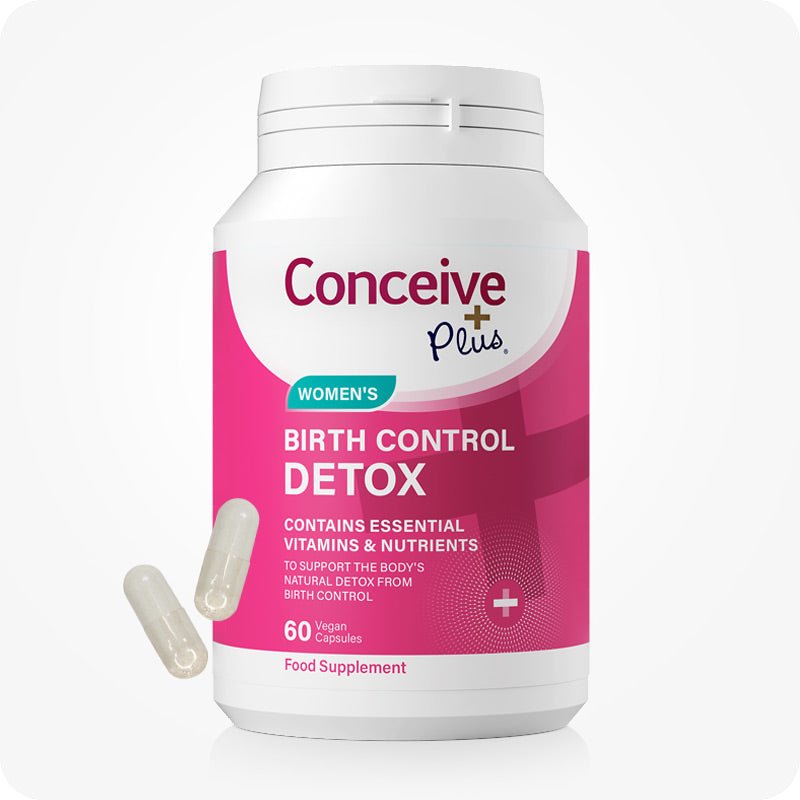
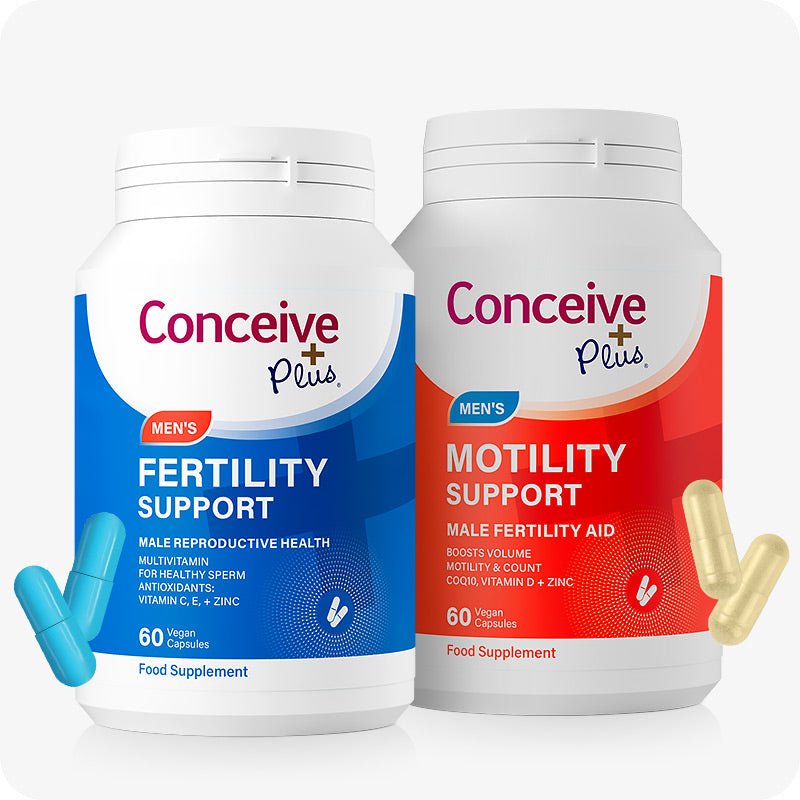
Conceive Plus supplements meet these criteria. Their formulations use clinically studied doses of bioavailable nutrients and are manufactured to rigorous quality standards. The Women's Fertility Support Prenatal Vitamins and Mens Fertility Support Supplements provide comprehensive, evidence-based nutrition for both partners.
The Role of Fertility-Friendly Lubricants
An often overlooked aspect of the conception journey is the choice of lubricant. Many conventional lubricants can significantly impair sperm motility and viability. Studies show common lubricants can reduce sperm motility by 60-100% within minutes.
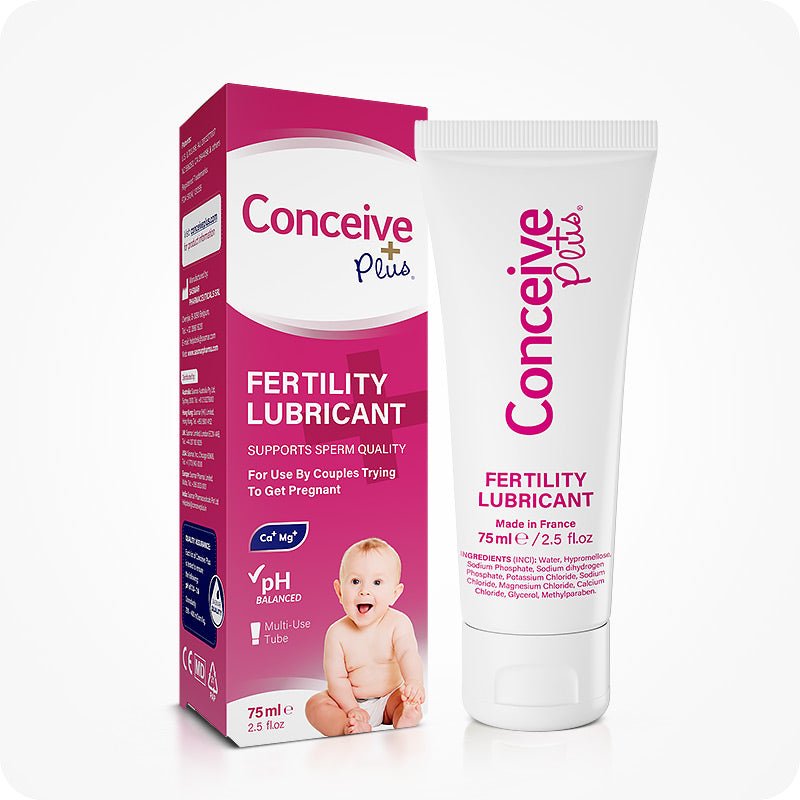
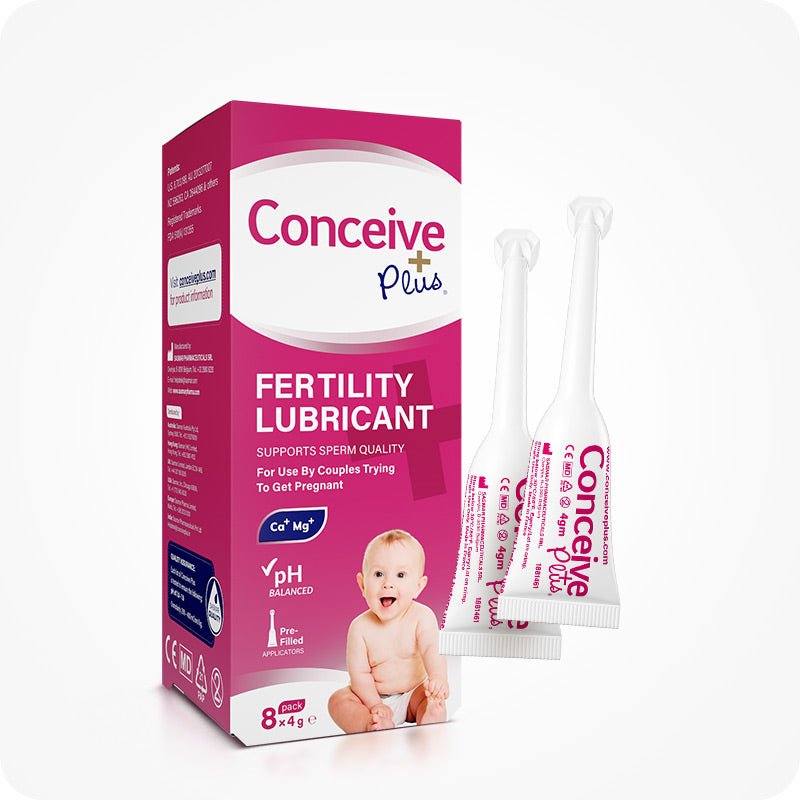
Fertility-friendly lubricants such as Conceive Plus Fertility Lubricant are specifically formulated to be sperm-safe. They mimic the properties of fertile-quality cervical mucus, providing a supportive medium for sperm transport while maintaining pH and osmolality within ranges that do not harm sperm.
Common Fertility Supplement Myths
Myth: More is better. Some nutrients can be harmful in excessive doses. Always follow recommended dosages.
Myth: Only women need supplements. Male fertility is equally important—male factor infertility is present in approximately half of all infertile couples.
Myth: Natural supplements are regulated like medicines. They are not, which makes third-party testing and quality manufacturing even more important.
✨ Support Your Journey with Women's Fertility Support Prenatal Vitamins
Every step of your fertility journey deserves the best possible support. Women's Fertility Support Prenatal Vitamins is formulated with evidence-backed ingredients at clinically studied doses to help you take control of your reproductive health with confidence.
Whether you are actively trying to conceive or preparing your body for the journey ahead, Conceive Plus products are developed alongside fertility specialists to complement your natural cycle and support optimal reproductive function.
Explore Conceive Plus →Frequently Asked Questions About Fertility Supplements
How long before conception should I start taking supplements?
Ideally, start at least three months before trying to conceive. Sperm development takes approximately 74 days and egg maturation about 90 days.
Can supplements improve egg quality?
Evidence suggests CoQ10, omega-3s, and vitamin D can improve egg quality by supporting mitochondrial function and reducing oxidative stress.
Is it safe to take supplements during pregnancy?
Most standard prenatal vitamins are safe throughout pregnancy. Consult your healthcare provider before taking additional supplements.
Should my partner and I take different supplements?
Yes. Women benefit from folic acid, iron, calcium, and ovulation-supporting nutrients. Men benefit from zinc, selenium, carnitine, and antioxidants.
Are there supplements I should avoid when TTC?
High-dose vitamin A (retinol) can be harmful. Some herbal supplements like black cohosh may interfere with fertility. Always check with your doctor.
Do I need a fertility supplement if I take a multivitamin?
Standard multivitamins are not formulated for preconception needs and typically lack adequate folic acid, inositol, or CoQ10 at clinically studied doses.
Can supplements help with male infertility?
Yes. Studies show antioxidants and specific nutrients like zinc, selenium, CoQ10, and carnitine can improve sperm parameters in subfertile men.
What is the difference between folic acid and methylfolate?
Folic acid is the synthetic form that must be converted to active folate in the body. Methylfolate (5-MTHF) is the active form, helpful for women with MTHFR gene variants.
By focusing on the nutrients with the strongest scientific evidence, choosing high-quality formulations, and consulting with your healthcare provider, you can give yourself and your partner the best possible nutritional foundation for a healthy pregnancy.
🌟 Take the Next Step with Confidence
You have taken an important step by educating yourself about your fertility. Now pair that knowledge with products you can trust. Conceive Plus offers a complete range of fertility-supporting supplements and lubricants, all developed with scientific rigour and a deep understanding of what your body needs to conceive.
From ovulation support to male fertility and specialised fertility-friendly lubricants, every product is designed to give you the best possible foundation for conception.
Shop Conceive Plus →