Unexplained Infertility: Understanding, Navigating, and Overcoming a Diagnosis Without Clear Answers


Unexplained Infertility: Understanding, Navigating, and Overcoming a Diagnosis Without Clear Answers
Receiving a diagnosis of unexplained infertility can be one of the most frustrating experiences on the path to parenthood. After months or years of testing — blood work, ultrasounds, semen analysis, and more — being told that everything appears "normal" yet pregnancy hasn't happened can feel bewildering. But unexplained infertility is far more common than most realise, affecting approximately 25-30% of couples struggling to conceive. It's a diagnosis of exclusion: when standard fertility testing doesn't identify a clear cause after twelve months of regular, unprotected intercourse (or six months if over 35).
What "Unexplained" Really Means
"Unexplained" does not mean "untreatable." Standard testing evaluates the most common causes but doesn't test everything. Subtle issues — mild sperm DNA fragmentation, subtle implantation abnormalities, slightly diminished egg quality — may go undetected yet still impact conception.
A 2024 review in Human Reproduction Update highlighted that many cases of unexplained infertility involve multifactorial, subtle dysfunctions that collectively reduce fertility. Standard testing covers ovulation, tubal patency, semen analysis, hormonal profiling, and uterine cavity evaluation. It does not routinely test for sperm DNA fragmentation, endometrial receptivity, immune factors, or subtle genetic variations.
Possible Underlying Factors
Support Your Fertility Journey
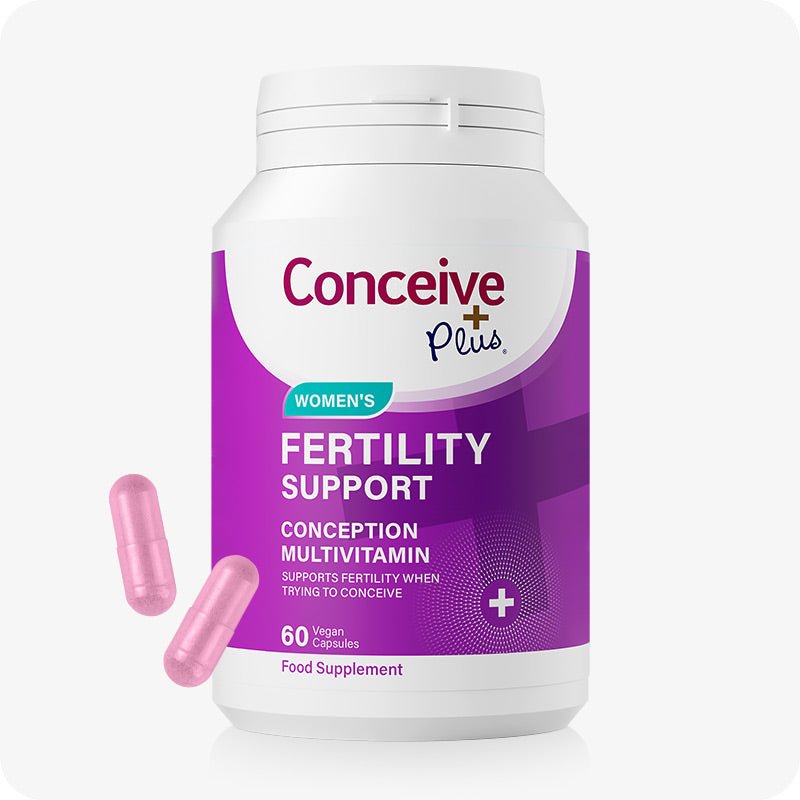
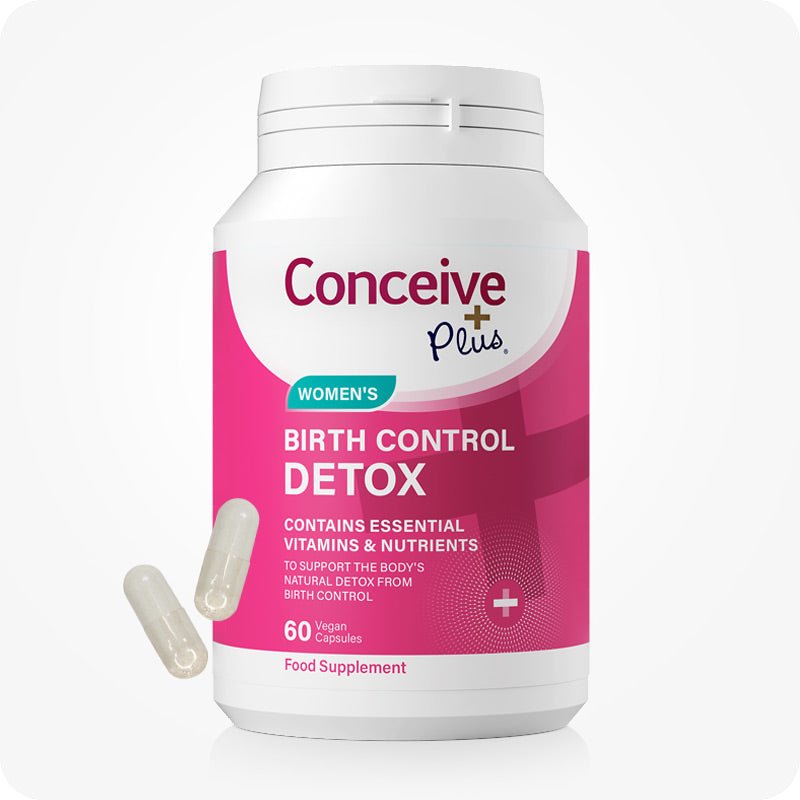
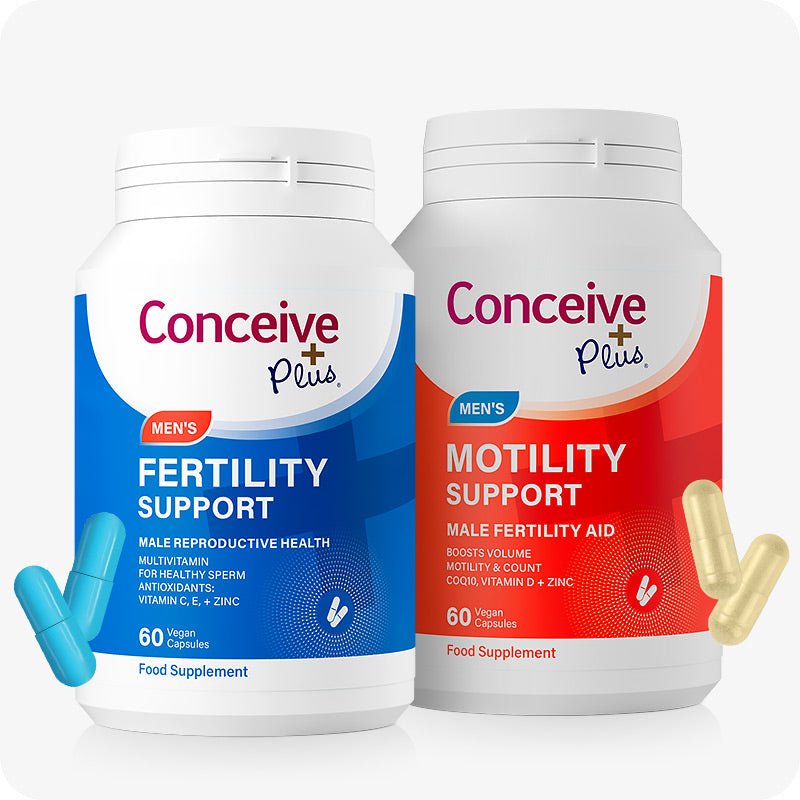
Conceive Plus Fertility Support supplements are scientifically formulated with evidence-backed nutrients including CoQ10, folate, zinc, and vitamin D to support reproductive health at every stage. Give your body the nutritional foundation it deserves.
Support Your Fertility Journey
Conceive Plus Fertility Support supplements are scientifically formulated with evidence-backed nutrients including CoQ10, folate, zinc, and vitamin D to support reproductive health at every stage. Give your body the nutritional foundation it deserves.
Sperm DNA Fragmentation
Standard semen analysis doesn't assess DNA integrity within sperm. High fragmentation can prevent fertilisation or lead to early pregnancy loss even when conventional parameters appear normal. The sperm DNA fragmentation index (DFI) test can reveal this hidden issue.
Subtle Ovulatory Dysfunction
Even women with regular cycles may experience delayed ovulation, luteal phase defects, or suboptimal progesterone production. These can reduce the fertile window or impair implantation without being obvious on standard tests.
Endometrial Receptivity Issues
The endometrium must be receptive to embryo implantation during a specific window. Some women have a displaced implantation window — their endometrium is receptive at a different time than standard protocols assume. The ERA (Endometrial Receptivity Array) test can identify this.
Immune and Inflammation Factors
Some couples may have subtle immune responses that interfere with implantation. Elevated natural killer (NK) cell activity or certain autoimmune markers may play a role, though this remains a debated area of reproductive medicine.
Treatment Options for Unexplained Infertility
Expectant Management
For couples under 35 who haven't been trying for more than two years, continued timed intercourse with ovulation tracking may still be appropriate. Conception rates with expectant management in unexplained infertility are around 2-4% per cycle.
Controlled Ovarian Stimulation with Timed Intercourse
Mild ovarian stimulation with oral medications like clomiphene citrate or letrozole, combined with precisely timed intercourse, can improve monthly conception rates to 8-17% per cycle depending on age.
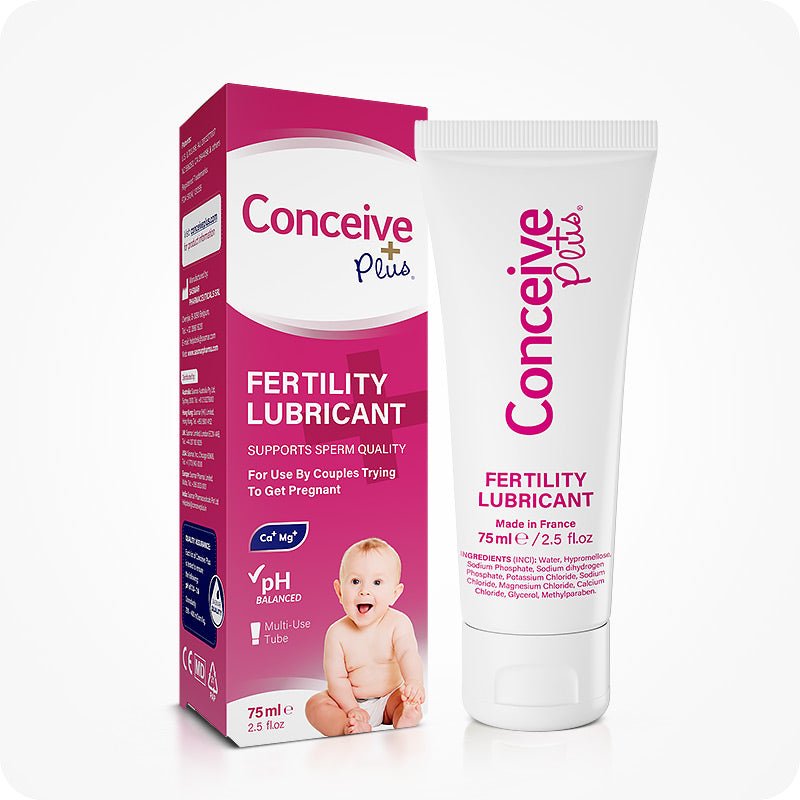
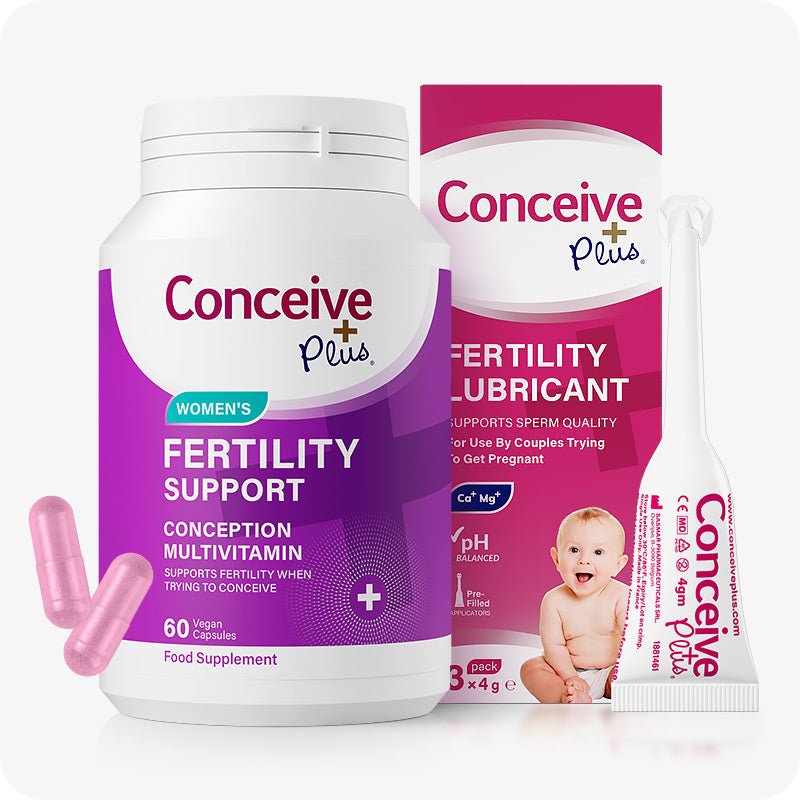
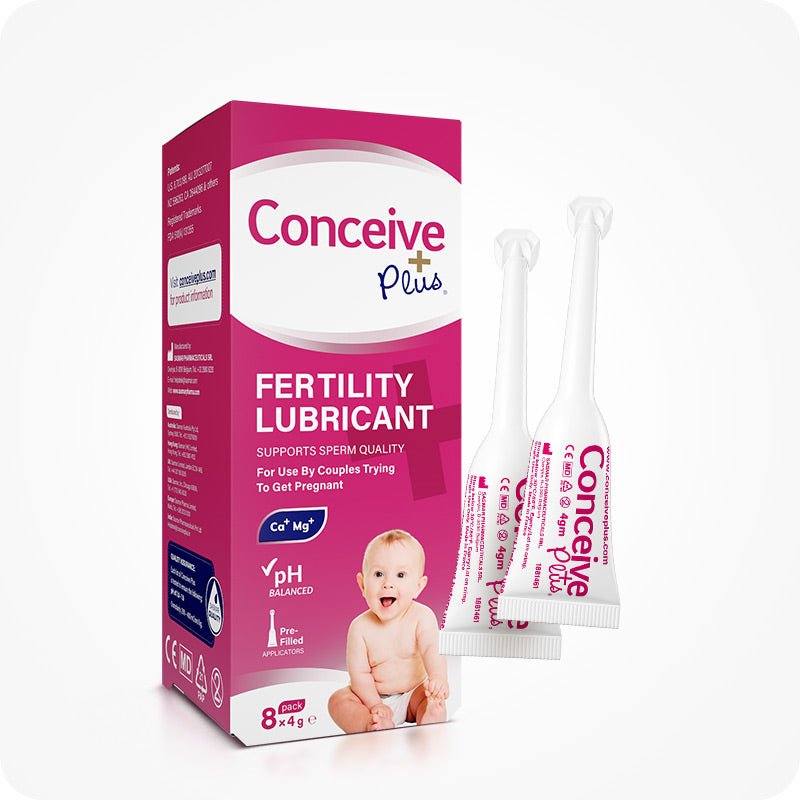
Using a fertility-friendly product like Conceive Plus Fertility Lubricant during this time supports sperm survival and motility, giving every cycle its best chance.
Intrauterine Insemination (IUI)
IUI with or without mild stimulation is a common next step. Sperm are washed and placed directly into the uterus near ovulation. Per-cycle success rates range from 10-20% depending on age and whether stimulation is used.
In Vitro Fertilisation (IVF)
IVF offers the highest per-cycle success rates for unexplained infertility, bypassing many potential barriers to conception. Success rates range from 30-50% per cycle depending on age.
Lifestyle Optimisation for Unexplained Infertility
While medical treatments offer clear pathways, lifestyle factors significantly influence outcomes. A Mediterranean-style dietary pattern supports egg and sperm quality through anti-inflammatory and antioxidant mechanisms. A comprehensive fertility supplement like Conceive Plus Fertility Support for Women or Conceive Plus for Men can address subtle nutritional deficiencies. Chronic stress elevates cortisol, which can suppress reproductive hormones — mindfulness, yoga, and adequate sleep support hormonal balance. Even small deviations from a healthy BMI can impact fertility. Aim for 7-9 hours of quality sleep to support hormone production and regulation.
Emotional Coping with Unexplained Infertility
The emotional toll is often underestimated. Without a clear cause, couples may blame themselves. Counselling, support groups, and open communication with your partner are essential. Cognitive behavioural therapy (CBT) has been shown to reduce anxiety and depression in infertility patients.
Frequently Asked Questions
- How common is unexplained infertility? It accounts for 25-30% of all infertility diagnoses.
- Should I get more testing? Advanced tests like sperm DNA fragmentation, ERA, or immune panels may provide insights — discuss whether they'd change your treatment plan.
- Can unexplained infertility resolve on its own? Yes. Many couples conceive spontaneously, especially within 2-3 years of trying.
- Does age affect outcomes? Yes. Women over 35 have a shorter window for expectant management.
- Is IVF the best option? IVF offers the highest per-cycle success rates but discuss timing with your specialist.
- Can lifestyle changes help? Yes. Diet, supplements, stress reduction, and sleep all support fertility.
- How long should I try before seeking treatment? 12 months under 35, 6 months over 35.
- Does stress cause unexplained infertility? Stress doesn't cause infertility but can affect hormone balance.
- Should my partner be tested too? Yes. Male factor contributes to many unexplained cases.
- What's the success rate of IVF for unexplained infertility? 30-50% per cycle depending on age and clinic.
Your Journey, Our Support
Whether you are just starting to try or have been on this path for a while, Conceive Plus is here for you. Our fertility-friendly products are developed with reproductive health specialists to support your body natural fertility.