Ovulation Tracking: The Complete Guide to Understanding Your Fertile Window


Ovulation Tracking: The Complete Guide to Understanding Your Fertile Window
Ovulation tracking is one of the most powerful tools available to couples trying to conceive. Understanding precisely when ovulation occurs — and acting on that knowledge — can dramatically shorten the time to pregnancy. Yet many people attempting to conceive are still using guesswork or outdated methods when far more reliable approaches are available.
This comprehensive guide to ovulation tracking covers every method from basal body temperature charting to advanced digital monitors, explains what affects ovulation timing, and shares how Conceive Plus can support your fertility journey from the moment you identify your peak fertile days.
What Is Ovulation and Why Does It Matter for Conception?
Ovulation is the release of a mature egg from one of your ovaries, typically occurring once per menstrual cycle. The egg survives for only 12–24 hours after release, making this a very narrow window for fertilisation. However, because sperm can survive in the female reproductive tract for up to five days when conditions are favourable, the total fertile window spans approximately six days: the five days before ovulation and the day of ovulation itself.
Research published in the New England Journal of Medicine found that conception is only possible in this six-day window, with the highest probability of pregnancy occurring when intercourse happens in the two to three days immediately before and on the day of ovulation. This stark biological reality makes accurate ovulation tracking not just useful — it's essential for maximising your chances each cycle.
In a typical 28-day cycle, ovulation occurs around day 14. But cycle length varies considerably between women, and even within the same woman from cycle to cycle. Assuming ovulation always occurs on day 14 is one of the most common mistakes couples make when trying to conceive.
Method 1: Ovulation Predictor Kits (OPKs)
Ready to support your fertility journey? Explore Conceive Plus Fertility Supplements UK →
Ovulation predictor kits are among the most accessible and accurate methods of ovulation tracking available without a prescription. They detect the surge in luteinising hormone (LH) that triggers ovulation approximately 24–36 hours before the egg is released.
How OPKs Work
LH is present in urine throughout your cycle but surges dramatically 24–36 hours before ovulation. OPKs use antibodies that react to LH and produce a visible line — or a digital result — indicating whether your LH is at surge level.
Types of OPKs
- Strip tests: The most affordable option; result is a test line that must be at least as dark as the control line to indicate a positive
- Digital OPKs: Display a clear symbol (smiley face, peak/high) rather than requiring line interpretation — more user-friendly but pricier
- Advanced digital monitors: Devices that track both LH and oestrogen, identifying both "high" fertility days (rising oestrogen) and "peak" fertility days (LH surge) — the most comprehensive OPK approach
When to Start Testing
Begin testing approximately 4–5 days before expected ovulation. For a 28-day cycle, start testing around day 10. For shorter cycles (24 days), start around day 7; for longer cycles (35 days), start around day 18.
Timing Intercourse With OPKs
When you get a positive OPK result, plan to have sex that day and the following day. The LH surge precedes ovulation by 24–36 hours, so you have a window to act.
Method 2: Basal Body Temperature (BBT) Charting
Basal body temperature charting tracks the small rise in resting temperature that occurs after ovulation due to rising progesterone levels. This method is effective but has one significant limitation: the temperature rise is a retrospective indicator — it confirms that ovulation has already occurred rather than predicting it in advance.
How to Chart BBT Accurately
- Take your temperature immediately upon waking, before getting up, speaking, or drinking anything
- Use a basal thermometer accurate to 0.1°F or 0.01°C — regular thermometers are not sensitive enough
- Take your temperature at the same time every morning (within 30 minutes)
- Record results in a chart or app and look for the biphasic pattern: lower temperatures before ovulation, a sustained rise of 0.2–0.4°C after
Limitations of BBT
Illness, alcohol consumption, disturbed sleep, and travel can all skew BBT readings. The method requires consistent, diligent daily tracking and works best when combined with other ovulation tracking approaches like OPKs or cervical mucus monitoring.
The Value of BBT Charting
Despite its limitations for prospective timing, BBT charting provides invaluable data about your cycle over time. If you chart for three or more cycles, you'll develop a clear picture of when in your cycle ovulation typically occurs, allowing you to focus OPK testing more accurately.
Method 3: Cervical Mucus Monitoring
Cervical mucus — the discharge produced by your cervix throughout your cycle — changes predictably in texture, colour, and quantity as ovulation approaches. Learning to identify fertile cervical mucus is a free, always-available method of ovulation tracking.
The Cervical Mucus Pattern
- After menstruation: Dry or minimal discharge
- Pre-ovulatory (early fertile phase): Sticky, white, or creamy — sperm can survive but not move easily
- Peak fertile phase (approaching ovulation): Clear, stretchy, resembling raw egg whites — this "eggwhite cervical mucus" is the most fertile sign and indicates peak fertility
- Post-ovulation: Returns to sticky, thick, or dry as progesterone rises
The Role of Cervical Mucus in Conception
Eggwhite cervical mucus isn't just an indicator of fertility — it actively supports conception by providing channels for sperm to swim through and nourishing sperm as they travel toward the egg. When cervical mucus is inadequate (a condition more common in women with PCOS, thyroid issues, or those who've taken certain medications), conception can be more difficult even when ovulation timing is correct.
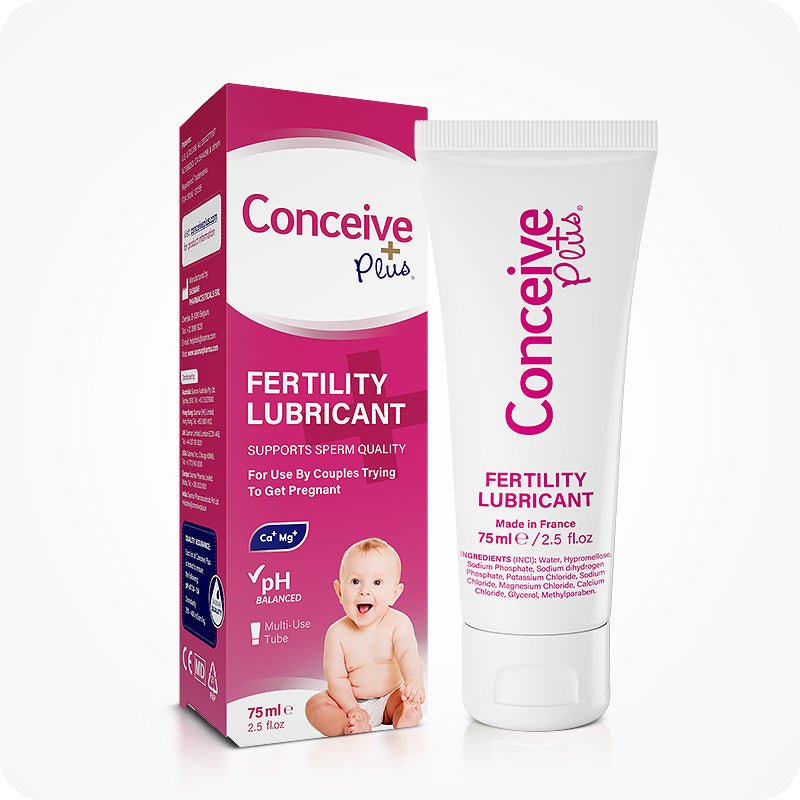
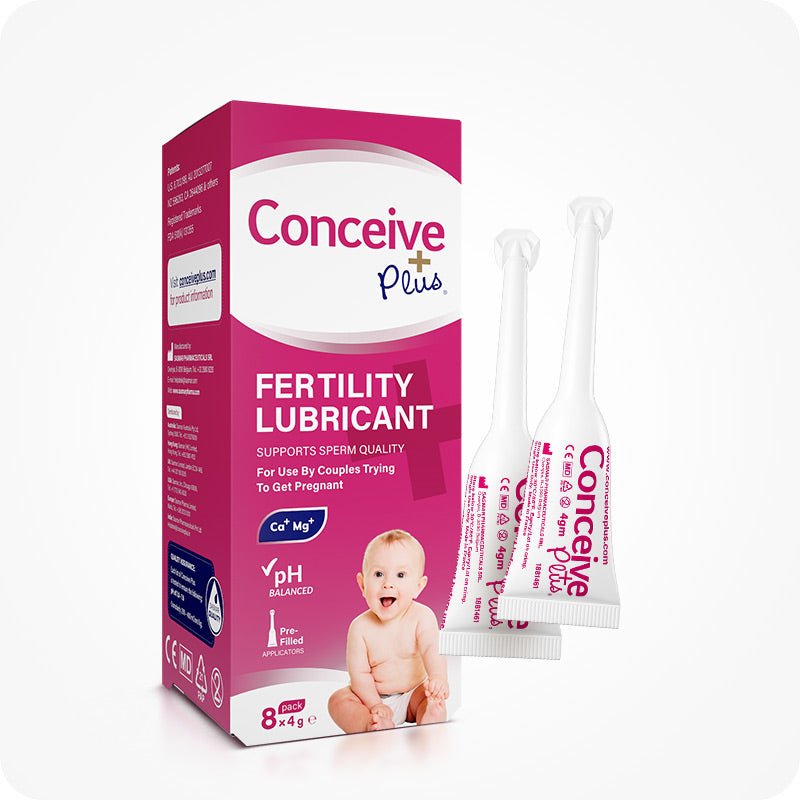
This is one reason supplemental lubrication can matter — but not all lubricants are created equal. Conceive Plus lubricant is specifically formulated to mimic fertile cervical mucus with a matching pH and osmolality, supporting sperm motility rather than hindering it.
Method 4: Cycle Tracking Apps and Algorithms
Cycle tracking apps range from simple period trackers that predict ovulation based on average cycle data to sophisticated apps that incorporate multiple data inputs for more personalised predictions.
How Predictive Apps Work
At their most basic level, these apps use the calendar method — assuming ovulation occurs 14 days before your expected period — which is often inaccurate for women with irregular cycles. More sophisticated apps learn from your cycle data over time and provide progressively better predictions.
Apps That Integrate Data
Several apps now allow you to input OPK results, BBT readings, and cervical mucus observations alongside your cycle dates, creating a comprehensive fertility chart that becomes increasingly accurate as your dataset grows.
Important Caveats
No algorithm can perfectly predict ovulation, particularly in women with irregular cycles, PCOS, perimenopause, or thyroid conditions that affect cycle regularity. Apps are most useful as organisational tools and trend analysts rather than definitive fertility predictors.
Method 5: Fertility Monitors
Advanced fertility monitors represent the most comprehensive approach to ovulation tracking available at home. Devices like the Clearblue Advanced Fertility Monitor track both urinary LH and oestradiol levels, identifying up to six fertile days per cycle (compared to the two days typically identified by basic OPKs).
These monitors learn your individual hormonal patterns over three to six cycles, providing increasingly personalised fertility predictions. While significantly more expensive than strip OPKs, they're particularly valuable for women with irregular cycles or those who have struggled to time intercourse effectively with simpler methods.
What Affects Ovulation Timing?
Understanding the factors that can shift or disrupt ovulation is an important part of effective ovulation tracking:
Stress
Significant physical or emotional stress can delay or suppress ovulation. The hypothalamic-pituitary-ovarian axis that controls ovulation is highly sensitive to stress hormones, particularly cortisol. Travel, illness, work demands, and family stress can all affect cycle timing.
Weight Changes
Both overweight and underweight status can disrupt ovulation. Adipose tissue produces oestrogen, and both excess and insufficient body fat can interfere with the hormonal balance needed for regular ovulation.
Thyroid Function
Both hypothyroidism and hyperthyroidism can cause irregular cycles and anovulatory cycles (cycles where no egg is released). If your cycles are very irregular and you've ruled out other causes, thyroid function testing is worth discussing with your doctor.
Exercise Intensity
Very high-intensity exercise — particularly when combined with low caloric intake — can suppress the luteinising hormone pulses necessary for ovulation. Moderate, consistent exercise generally supports rather than disrupts fertility.
PCOS
Polycystic ovary syndrome is the most common cause of ovulatory dysfunction and affects up to 10% of women of reproductive age. PCOS can cause infrequent ovulation, making cycle-based ovulation predictions unreliable — OPKs and monitoring remain important tools.
Conceive Plus Ovulation Support: Nutrients That Help
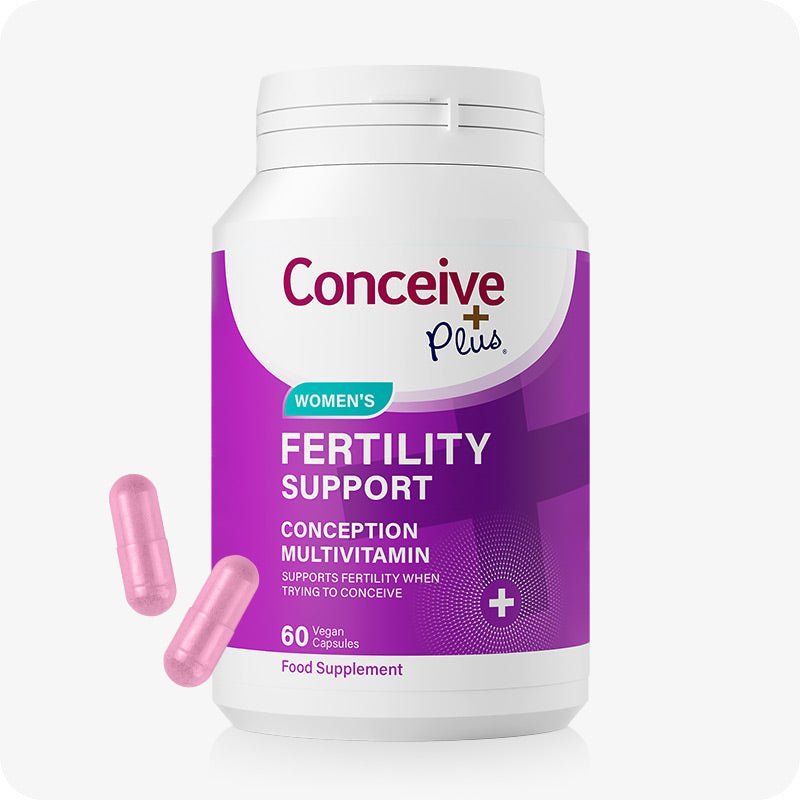
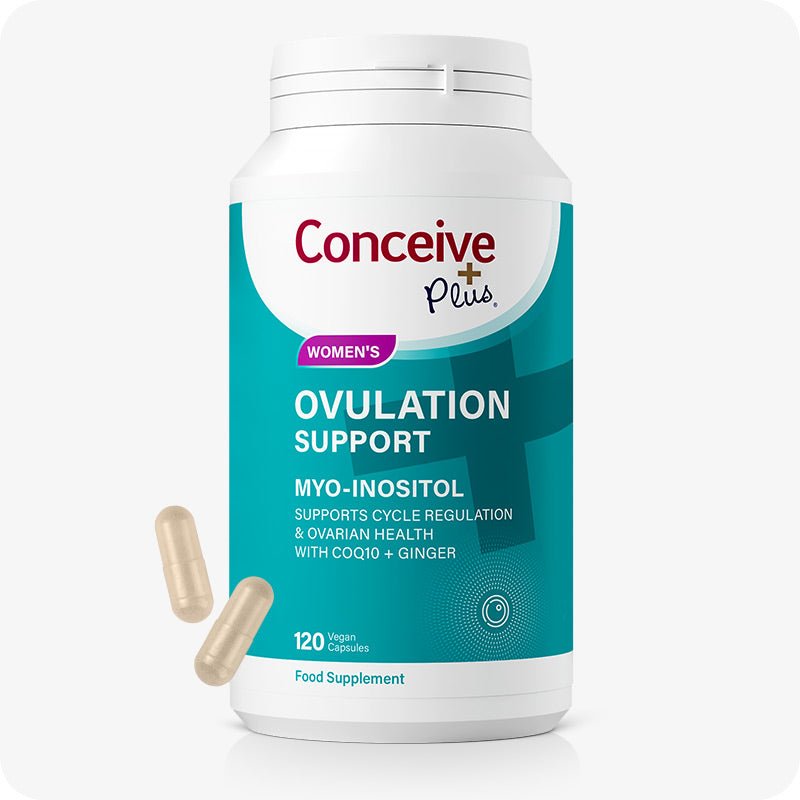
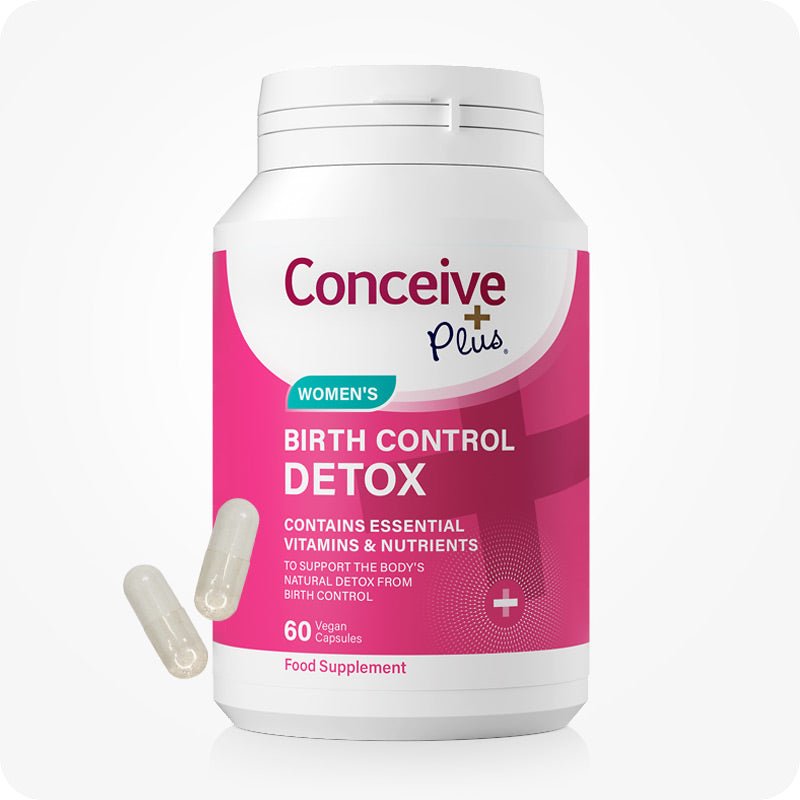
Beyond tracking when ovulation occurs, many women want to support the quality and regularity of ovulation itself. Conceive Plus ovulation support supplements include key nutrients with evidence for supporting healthy ovulatory function:
- Myo-inositol: One of the most studied supplements for supporting ovulation, particularly in women with PCOS. Research shows it can help restore more regular ovulation cycles
- Vitamin D: Low vitamin D is associated with poorer ovarian response and reduced fertility — supplementation is particularly important in the UK, where sun exposure is limited
- CoQ10: Supports mitochondrial function in the eggs themselves, which may improve egg quality and ovarian response
- B vitamins including methylfolate: Essential for cell division and early embryo development from the moment of fertilisation
- Antioxidants (vitamin C, vitamin E, selenium): Help protect developing eggs from oxidative damage
👉 Support your ovulation health from the inside. Explore Conceive Plus fertility supplements at conceiveplus.co.uk/collections/fertility-supplements
Combining Methods for Maximum Accuracy
No single ovulation tracking method is perfect. The most reliable approach combines multiple methods:
- Use OPKs as your primary prospective tool to identify the LH surge
- Chart BBT to confirm ovulation occurred and refine your understanding of your cycle over time
- Monitor cervical mucus to add an additional real-time indicator of fertile phase
- Use a cycle tracking app to organise data and identify patterns
This multi-method approach gives you the most complete picture of your fertile window each cycle.
Frequently Asked Questions About Ovulation Tracking
How accurate are ovulation predictor kits?
High-quality OPKs can detect the LH surge with accuracy exceeding 99% in lab conditions. Real-world accuracy depends on correct usage, testing at the right time of day (mid-morning is typically optimal), and understanding how to read results correctly.
Can I ovulate without a positive OPK result?
Yes. Some women have LH surges that are short in duration (peaking and falling within a few hours), which may be missed if testing only once daily. Testing twice daily around expected ovulation time reduces the risk of missing the surge.
Is it possible to get pregnant without tracking ovulation?
Yes, many couples conceive without formal ovulation tracking simply by having regular intercourse throughout the cycle. However, targeted timing based on ovulation tracking significantly improves per-cycle conception rates, particularly for couples who have been trying for several months.
Why did I get a positive OPK but not get pregnant?
A positive OPK confirms an LH surge, not that ovulation definitely occurred or that the egg was fertilised. Many factors affect whether a given cycle results in pregnancy, including egg quality, sperm quality, and uterine receptivity. Conception on any given cycle — even with perfect timing — has a clinical success rate of only 20–30% even in fertile couples.
Should I track ovulation if I have PCOS?
Yes, but be aware that PCOS can cause multiple LH surges per cycle that don't result in ovulation, or can elevate baseline LH making OPKs harder to interpret. Cycle monitoring under medical guidance may be beneficial.
How long should I track ovulation before seeing a doctor?
If you're under 35 and have been trying without success for 12 months, or over 35 for 6 months, consult a fertility specialist. If you're tracking and consistently not seeing a clear LH surge pattern, discuss this with your GP sooner — it may indicate an ovulatory issue worth investigating.
Does stress really affect ovulation?
Yes. Significant acute or chronic stress can delay ovulation or, in extreme cases, suppress it entirely in a given cycle. This is why many women notice cycle irregularities during particularly stressful periods.
Can I ovulate more than once per cycle?
Multiple ovulation (releasing more than one egg) can occur but only within a 24-hour window — this is what leads to fraternal twins. It is not possible to ovulate, wait a week, and ovulate again. What appears to be "second ovulation" is typically a second LH surge that didn't result in actual egg release.
Start Tracking and Start Knowing
Ovulation tracking transforms the uncertainty of trying to conceive into actionable knowledge. Whether you choose OPKs, BBT charting, cervical mucus monitoring, or a combination of all three, the information you gather puts you firmly in control of your fertility journey.
Pair precise ovulation tracking with Conceive Plus fertility support — from supplements that nurture egg quality and hormonal balance to our fertility-friendly lubricant that works with your biology rather than against it — and you've built a truly comprehensive approach to conception.
👉 Ready to optimise your fertility from every angle? Explore the Conceive Plus range at conceiveplus.co.uk/collections/fertility-supplements
Ready to support your fertility journey? Explore Conceive Plus Fertility Supplements UK →