The Best Fertility Diet for Women: Foods to Eat When Trying to Conceive


The Best Fertility Diet for Women: Foods to Eat When Trying to Conceive
Choosing the right fertility diet for women is one of the most powerful steps you can take when you're trying to conceive. What you eat directly influences hormonal balance, egg quality, ovulation regularity, and the uterine environment that will nourish a developing embryo. The research is clear: dietary patterns profoundly affect reproductive outcomes — and the good news is, the changes that support fertility are also excellent for your overall health.
This comprehensive guide covers everything you need to know about a fertility diet for women — from the Mediterranean diet's evidence base to specific foods that boost fertility, the nutrients most critical for conception, what to avoid, and how Conceive Plus supplements can bridge the nutritional gaps that even the best diet can leave.
Why Does Your Fertility Diet for Women Actually Matter?
Nutrition affects fertility through multiple biological pathways. The foods you eat influence:
- Hormonal production: Sex hormones are made from dietary fats and require specific micronutrients as cofactors
- Ovulation regularity: Blood sugar stability, insulin sensitivity, and thyroid function — all diet-dependent — directly regulate ovulatory cycles
- Egg quality: Antioxidants from food protect developing eggs from oxidative damage; specific nutrients support mitochondrial function within eggs
- Uterine lining: Adequate iron, vitamin D, and omega-3s support endometrial receptivity for implantation
- Cervical mucus quality: Hydration and certain nutrients affect the quality of fertile cervical mucus
- Inflammation: Chronic inflammation disrupts ovulation and implantation — diet is the most powerful tool to modulate it
A well-designed fertility diet for women doesn't require exotic ingredients or extreme restrictions. It's a thoughtful, evidence-based approach to eating that nourishes your reproductive system alongside the rest of your body.
The Mediterranean Diet: The Gold Standard Fertility Diet for Women
If there's one dietary pattern with the strongest evidence for female fertility, it's the Mediterranean diet. Multiple large studies have found that women who closely follow a Mediterranean-style eating pattern have significantly higher rates of natural conception and better IVF outcomes compared to those eating typical Western diets.
A landmark Harvard Nurses' Health Study analysed the diets of over 17,000 women and identified the "Fertility Diet" — a pattern strikingly similar to the Mediterranean diet — as being associated with significantly lower rates of ovulatory infertility.
Core components of the Mediterranean fertility diet for women:
- Abundant vegetables (especially dark leafy greens and colourful varieties)
- Fresh fruit (particularly berries, citrus, and pomegranate)
- Legumes (lentils, chickpeas, beans) as primary protein sources
- Whole grains (oats, quinoa, barley, brown rice)
- Fatty fish (salmon, sardines, mackerel, anchovies) 2–3 times weekly
- Olive oil as the primary fat source
- Moderate dairy (full-fat where consumed)
- Nuts and seeds (walnuts, almonds, pumpkin seeds, sesame)
- Herbs and spices (anti-inflammatory compounds)
- Minimal red meat; moderate poultry
- Very limited processed and ultra-processed foods
Support Your Fertility Diet with Conceive Plus
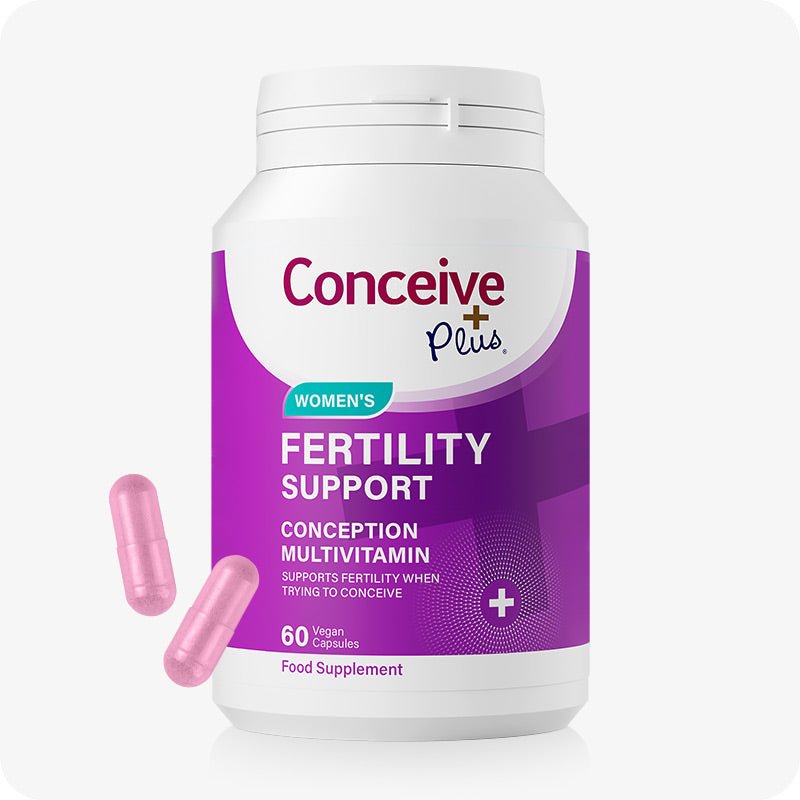
Even the best fertility diet can have nutritional gaps. Conceive Plus Women's Fertility Support provides the key vitamins and minerals your body needs when trying to conceive.
Shop Now →The Best Foods to Boost Fertility: A Nutrient-by-Nutrient Guide
Within your fertility diet for women, certain nutrients deserve special attention. Here's what to prioritise and why:
Folate and Folic Acid: The Non-Negotiable
Adequate folate is essential before and during pregnancy for preventing neural tube defects and supporting healthy cell division in developing eggs. Best food sources include dark leafy greens (spinach, kale, rocket), asparagus, avocado, edamame, lentils, and fortified foods. Many women also need supplemental folate — especially those with MTHFR gene variants who benefit more from methylated folate (5-MTHF).
Omega-3 Fatty Acids: Anti-Inflammatory Powerhouses
Omega-3s — particularly EPA and DHA — reduce inflammation, support healthy hormone production, and improve blood flow to the uterus and ovaries. Research shows omega-3 consumption is associated with higher rates of ovulation, better egg quality, and improved embryo development. Best foods to boost fertility with omega-3s: salmon, mackerel, sardines, herring, walnuts, flaxseeds, chia seeds, and hemp seeds.
Iron: Essential for Ovulation and Blood Health
Iron deficiency is associated with anovulation (failure to ovulate). The Nurses' Health Study found that women who consumed non-haem iron (from plant sources) had significantly lower risk of ovulatory infertility. Best plant-based iron sources: lentils, chickpeas, tofu, pumpkin seeds, spinach, and fortified cereals. Pair with vitamin C-rich foods to enhance absorption. Animal sources include red meat and organ meats — consume in moderation.
Antioxidants: Protecting Eggs from Oxidative Damage
Antioxidants neutralise free radicals that can damage egg DNA and ovarian tissue. As part of your fertility diet for women, prioritise:
- Vitamin C: Citrus fruits, peppers, strawberries, kiwi, broccoli
- Vitamin E: Almonds, sunflower seeds, avocado, olive oil
- Beta-carotene: Sweet potato, carrots, butternut squash, kale
- Selenium: Brazil nuts (one daily provides your entire requirement), eggs, sunflower seeds
- Zinc: Pumpkin seeds, chickpeas, cashews, red meat, oysters
- Lycopene: Tomatoes (especially cooked), watermelon, pink grapefruit
Vitamin D: The Fertility Hormone Regulator
Vitamin D receptors are found throughout the female reproductive system — in ovaries, uterus, and placenta. Vitamin D deficiency is associated with irregular cycles, PCOS, endometriosis, and impaired implantation. While dietary sources (oily fish, eggs, fortified foods) contribute, most women in the UK need supplemental vitamin D, particularly from October to March.
Iodine: Often Overlooked but Critical
Iodine is essential for thyroid hormone production, which governs metabolism, ovulation, and early embryo development. Mild iodine deficiency — common in the UK — can impair fertility even when other factors are optimal. Best food sources: dairy, fish and seafood, eggs. Women who avoid dairy and fish should discuss iodine supplementation with their healthcare provider.
Best Foods for TTC: A Shopping List for Fertility Nutrition
Making your fertility diet for women practical means having the right foods readily available. Here's a fertility-focused shopping guide:
Produce Section
- Spinach, kale, rocket, watercress (folate, iron, antioxidants)
- Broccoli, Brussels sprouts (folate, vitamin C, fibre)
- Sweet potato, carrots (beta-carotene, fibre)
- Avocado (healthy fats, folate, vitamin E)
- Berries (blueberries, raspberries, strawberries — antioxidants)
- Tomatoes (lycopene, vitamin C)
- Asparagus (folate, vitamin K)
- Beetroot (nitrates for blood flow)
Protein Sources
- Fatty fish: salmon, sardines, mackerel (omega-3s, vitamin D, iodine)
- Eggs (choline, protein, vitamin D, B12)
- Lentils and chickpeas (folate, iron, protein, fibre)
- Full-fat natural yogurt (calcium, iodine, probiotics)
- Walnuts (omega-3s, antioxidants)
- Chicken and turkey (protein, zinc, B vitamins)
Pantry Staples
- Olive oil (polyphenols, monounsaturated fats)
- Flaxseeds and chia seeds (omega-3s, fibre, lignans)
- Pumpkin seeds (zinc, iron, magnesium)
- Brazil nuts (selenium)
- Oats and quinoa (fibre, protein, minerals)
- Dark chocolate (70%+) — flavonoids and magnesium
- Green tea (polyphenols, L-theanine — in moderation due to caffeine)
Fertility Nutrition: What to Avoid When Trying to Conceive
A complete fertility diet for women also addresses what to limit or eliminate. These dietary factors have the strongest evidence for negative fertility effects:
Trans Fats
The Nurses' Health Study found that each 2% increase in trans fat calories was associated with a 73% higher risk of ovulatory infertility. Trans fats are found in some margarines, commercially fried foods, and highly processed snacks. Check labels for "partially hydrogenated oils."
High-Glycaemic Carbohydrates
Rapidly digested carbohydrates spike blood sugar and insulin, which can disrupt ovulation — particularly in women with any degree of insulin resistance or PCOS. Replace white bread, white rice, and sugary foods with whole grain alternatives, legumes, and vegetables.
Alcohol
Even moderate alcohol consumption is associated with reduced fertility. Alcohol disrupts hormonal balance, depletes folate and zinc, generates oxidative stress, and has been linked to longer time to conception and higher rates of miscarriage. Most fertility specialists recommend eliminating alcohol entirely when trying to conceive.
Excessive Caffeine
High caffeine intake (over 200–300mg daily) has been associated with reduced fertility and increased miscarriage risk. Moderate coffee consumption (1–2 cups daily) is generally considered acceptable, but switching some coffee to herbal tea reduces caffeine exposure while maintaining hydration.
High-Mercury Fish
Mercury is a neurotoxin that can affect developing embryos. Avoid shark, swordfish, marlin, and king mackerel. Safe, low-mercury options that are excellent for fertility nutrition include salmon, sardines, trout, and mackerel.
Ultra-Processed Foods
A growing body of research links ultra-processed food consumption to poorer reproductive outcomes. These foods are typically high in artificial additives, refined sugars, unhealthy fats, and are nutritionally depleted — the opposite of what a fertility diet for women should deliver.
How Conceive Plus Bridges the Nutritional Gaps in Your Fertility Diet
Even the most carefully planned fertility diet for women will likely have nutritional gaps. Soil depletion, food processing, absorption variations, genetic factors (like MTHFR), and the higher nutritional demands of the preconception period mean that diet alone is rarely sufficient.
This is where Conceive Plus Women's Fertility Support adds genuine value. Conceive Plus is formulated to complement — not replace — a healthy fertility diet by providing the specific vitamins, minerals, and key nutrients in the forms and doses most relevant to conception. That means methylated folate for women with MTHFR variants, antioxidants to support egg quality, and essential minerals that even good diets sometimes come up short on.
Think of Conceive Plus as nutritional insurance for your fertility diet for women — ensuring that even on days when you don't eat as perfectly as planned, your body still has access to the key building blocks for reproductive health. Women trying to conceive work hard to optimise their diets; Conceive Plus makes sure those efforts are supported at a cellular level.
Support Your Fertility Diet with Conceive Plus
Even the best fertility diet can have nutritional gaps. Conceive Plus Women's Fertility Support provides the key vitamins and minerals your body needs when trying to conceive.
Shop Now →Mediterranean Diet and Fertility: The Research in Detail
The Mediterranean diet's relationship with female fertility has been studied in multiple well-designed trials. A 2018 study published in Human Reproduction followed 244 women undergoing IVF and found that high adherence to a Mediterranean diet pattern in the six months before treatment was associated with a 65–68% greater probability of achieving pregnancy and live birth in women under 35. A separate Greek study of women undergoing IVF found that those with the highest Mediterranean diet scores had significantly higher rates of embryo development and clinical pregnancy.
Why does the Mediterranean diet excel as a fertility diet for women? Researchers point to:
- Its naturally high antioxidant load from vegetables, fruit, and olive oil
- The anti-inflammatory effects of omega-3s from fish and polyphenols from plants
- Stable blood sugar management from fibre-rich whole foods and healthy fats
- Micronutrient density from diverse plant foods
- The pattern's effect on gut microbiome diversity, which itself influences reproductive health
Frequently Asked Questions: Fertility Diet for Women
What is the best overall fertility diet for women?
The Mediterranean diet has the strongest evidence base for supporting female fertility. It emphasises vegetables, fruit, whole grains, legumes, fatty fish, olive oil, and nuts — while limiting red meat, processed foods, and alcohol. Multiple large studies associate this dietary pattern with higher rates of natural conception, better IVF outcomes, and reduced risk of ovulatory infertility.
What foods boost fertility quickly?
Eggs, fatty fish (salmon, sardines), leafy greens, berries, walnuts, pumpkin seeds, avocado, lentils, and full-fat dairy are among the most fertility-supportive foods you can add immediately. However, "quickly" is relative — it takes about 90 days for dietary changes to fully influence egg quality, so consistency over time matters more than any short-term boost.
Can diet alone improve fertility?
Diet is one of the most powerful modifiable factors affecting fertility — but it works best as part of a comprehensive approach that also includes appropriate supplementation (like Conceive Plus), healthy body weight, stress management, adequate sleep, and avoidance of harmful substances. Diet and supplementation are complementary, not competing strategies.
Should I take a fertility supplement even if I eat well?
Yes. Even with an excellent fertility diet for women, supplementation is recommended for several reasons: soil nutrient depletion means food contains less of certain minerals than it did historically; folate needs in the preconception period are higher than typical dietary intake; some nutrients (like vitamin D in the UK) are difficult to obtain from food alone in sufficient amounts; and individual genetic variations can affect nutrient absorption and metabolism. Conceive Plus Women's Fertility Support is designed to complement a healthy diet, not replace it.
Is full-fat dairy better than low-fat for fertility?
The Harvard Nurses' Health Study found that high-fat dairy consumption was associated with lower risk of ovulatory infertility, while low-fat dairy was associated with higher risk. This counterintuitive finding may relate to hormones present in the fat fraction of dairy. If you consume dairy as part of your fertility diet for women, full-fat options (natural yogurt, whole milk, cheese) may be preferable when trying to conceive.
What should I avoid completely when trying to conceive?
Alcohol, trans fats, high-mercury fish (shark, swordfish, marlin), and ultra-processed foods are best eliminated or strongly minimised when following a fertility diet for women. Excessive caffeine (over 200–300mg daily) and highly refined carbohydrates should also be significantly reduced.
How does sugar affect fertility?
High sugar intake raises blood glucose and insulin levels, which can disrupt the hormonal cascade governing ovulation — particularly in women with any insulin resistance or PCOS. Chronically high insulin suppresses sex hormone-binding globulin (SHBG), raising free androgen levels that interfere with ovulation. A fertility diet for women prioritises low-glycaemic foods that maintain stable blood sugar.
Do omega-3 supplements work as well as food sources?
High-quality omega-3 supplements (fish oil or algae-based) can be an effective alternative for women who don't regularly eat oily fish. Algae-based omega-3s are particularly valuable for vegans and vegetarians following a plant-based fertility diet for women. Look for products providing at least 1000mg EPA+DHA combined daily.
Can men benefit from a fertility diet too?
Absolutely. Sperm quality is profoundly affected by diet — antioxidants, zinc, selenium, and omega-3s all support healthy sperm development. A Mediterranean-style diet is beneficial for both partners when trying to conceive. Since sperm takes approximately 74 days to develop, both partners benefit from sustained dietary changes in the months before trying to conceive.
How long should I follow a fertility diet before trying to conceive?
Ideally, begin your fertility diet for women at least three months before you plan to start trying to conceive. This timeframe aligns with the approximately 90-day maturation period of eggs, meaning the nutritional environment you create now will influence the eggs you ovulate in roughly three months. The earlier you start, the better — but benefits are still achievable even if you're already in the process of trying to conceive.