Ovulation Tracking: A Complete Guide to Knowing Your Fertile Window


Ovulation Tracking: A Complete Guide to Knowing Your Fertile Window
Understanding ovulation tracking is one of the most empowering things you can do when trying to conceive. Despite being a natural biological process, ovulation is often misunderstood, mistimed, or simply overlooked. The truth is that a woman's fertile window is surprisingly short — just 6 days per cycle, with the highest conception probability concentrated in the 2–3 days before ovulation. Miss that window, and you miss the cycle entirely.
This comprehensive guide covers everything you need to know about ovulation tracking — from understanding the hormonal processes involved to comparing the most effective tracking methods, interpreting the signs your body is giving you, and knowing when to seek additional support. Whether you're just starting your TTC journey or have been charting your cycles for months, this guide will help you maximise your chances of conceiving naturally.
The Biology of Ovulation: What's Actually Happening
To track ovulation effectively, it helps to understand what's happening inside your body. Each menstrual cycle is orchestrated by a carefully timed hormonal cascade:
- Days 1–5 (Menstruation): The uterine lining sheds. Follicle-stimulating hormone (FSH) begins to rise, stimulating follicle development in the ovaries.
- Days 6–12 (Follicular Phase): Several follicles compete for dominance. Oestrogen rises, thickening the uterine lining and improving cervical mucus quality.
- Day 12–14 (LH Surge and Ovulation): A surge in luteinising hormone (LH) triggers the dominant follicle to rupture and release an egg. The egg survives 12–24 hours — this is the critical fertilisation window.
- Days 14–28 (Luteal Phase): The empty follicle becomes the corpus luteum, producing progesterone to prepare the uterus for implantation. If fertilisation doesn't occur, progesterone drops and menstruation begins.
Effective ovulation tracking focuses on identifying the LH surge — the clearest biological signal that ovulation is about to occur.
LH Surge: The Most Important Signal in Ovulation Tracking
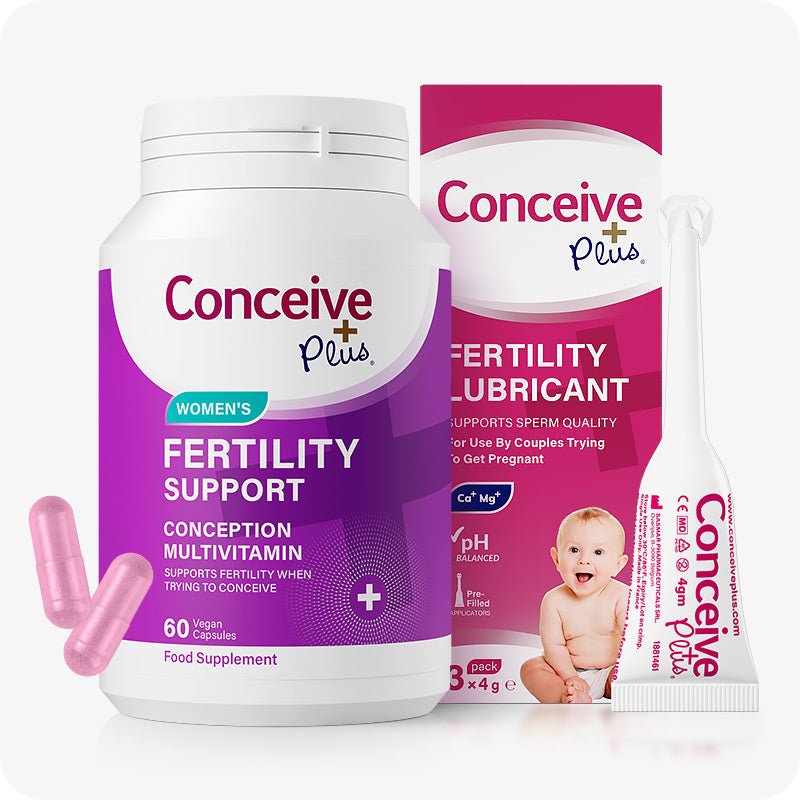
Join thousands of couples who trust Conceive Plus to support their path to pregnancy. Shop our full range of fertility lubricants and supplements.
Shop Conceive Plus →
The LH surge is the cornerstone of modern ovulation tracking. LH levels typically rise sharply 24–36 hours before ovulation — giving you a predictive window to time intercourse. This is why ovulation predictor kits (OPKs) that detect the LH surge are so widely used and recommended.
When an OPK test line is as dark or darker than the control line, the LH surge has been detected and ovulation is expected within 12–36 hours. You should have intercourse that day and the following day to maximise your chances. Note that the LH surge can last anywhere from 12 to 72 hours, and some women have brief surges that are easy to miss if you only test once per day.
For accuracy, test OPKs twice daily (morning and early afternoon) during your expected fertile window, using the second morning urine — first morning urine is not recommended as LH is synthesised in the morning and levels peak in the bloodstream by early afternoon.
The 5 Most Effective Ovulation Tracking Methods Compared
1. Ovulation Predictor Kits (OPKs)
OPKs are the gold standard for home ovulation tracking. They detect the LH surge in urine with high accuracy — sensitivity varies by brand from 20–40 mIU/mL. Digital OPKs also detect oestrogen metabolites (oestrone-3-glucuronide, or E3G) to give a wider "High Fertility" window before the LH peak.
Pros: Predictive (12–36 hours advance notice), objective, easy to use. Cons: Daily testing costs can accumulate; women with PCOS may have chronically elevated LH that gives false positives.
2. Basal Body Temperature (BBT) Charting
BBT involves taking your temperature every morning before getting out of bed. Progesterone released after ovulation raises basal body temperature by 0.2–0.5°C. A sustained thermal shift (3 consecutive days elevated) confirms that ovulation has occurred.
Pros: Free, confirms ovulation retrospectively. Cons: Confirmatory only — tells you ovulation has happened, not when it's about to happen. Disrupted by illness, poor sleep, or alcohol.
3. Cervical Mucus Monitoring
Cervical mucus changes throughout the cycle in predictable ways. In the follicular phase, mucus transitions from dry/sticky to creamy to "egg-white" consistency (clear, stretchy, slippery) as oestrogen rises. The most fertile mucus resembles raw egg white and can stretch between fingers. Ovulation typically occurs at or just after peak egg-white cervical mucus.
Pros: Free, no equipment needed, builds body literacy. Cons: Subjective, can be affected by infections, lubricants, or medications.
4. Fertility Monitors
Dedicated fertility monitors like Clearblue Connected or Mira track multiple hormones (LH, E3G, and some also FSH and PdG — a progesterone metabolite) to provide a more complete picture of the cycle. They can identify a longer fertile window and confirm ovulation via progesterone detection.
Pros: Most comprehensive home tracking; good for women with irregular cycles. Cons: Significant upfront and ongoing strip costs.
5. Tracking Apps + Symptothermal Method
Apps like Natural Cycles, Kindara, or Flo allow you to input BBT, mucus observations, and OPK results to get a combined fertile window prediction. The symptothermal method combines BBT and cervical mucus for higher accuracy than either alone.
Pros: Integrated, easy to track trends over time. Cons: App predictions based on past cycles can be inaccurate for women with cycle irregularities.
Ovulation Signs and Symptoms to Watch For
Beyond formal testing, many women experience physical signs around ovulation. These ovulation symptoms can supplement your tracking efforts:
- Mittelschmerz: A one-sided pelvic pain or ache occurring around ovulation, felt by up to 40% of women. May last minutes to hours.
- Breast tenderness: Rising oestrogen and progesterone can cause breast sensitivity around the time of ovulation.
- Increased libido: Many women notice heightened sexual interest around their fertile window — evolution's way of encouraging reproduction at the optimal time.
- Cervical position changes: Around ovulation, the cervix moves higher, becomes softer, and opens slightly (SHOW: Soft, High, Open, Wet).
- Light spotting: Some women experience light spotting or a pink tinge to discharge around ovulation due to the follicle rupturing.
- Heightened senses: Some women report sharper sense of smell, taste, or vision around ovulation — linked to oestrogen peaks.
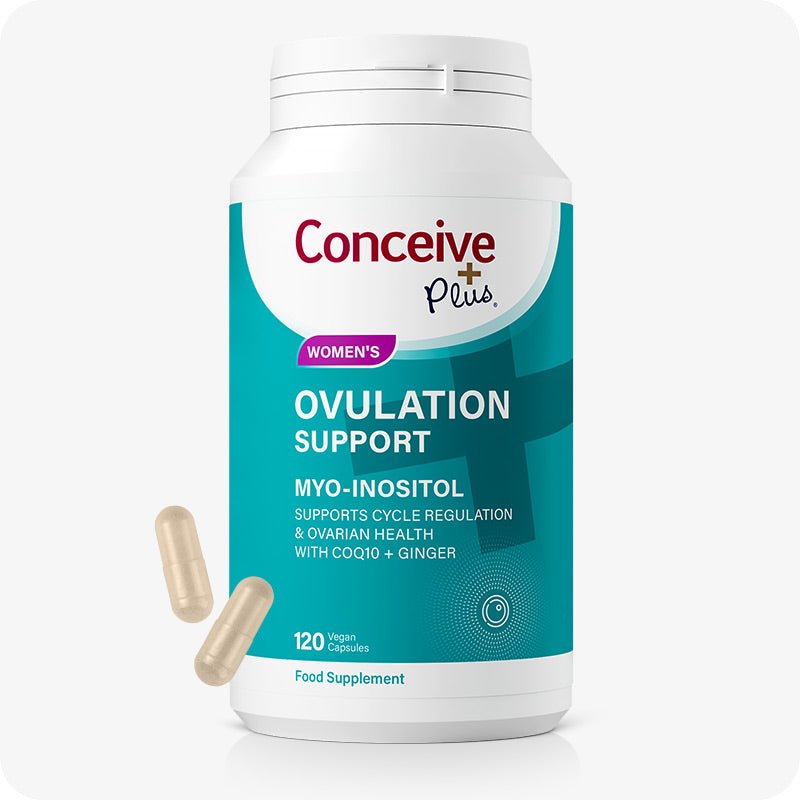
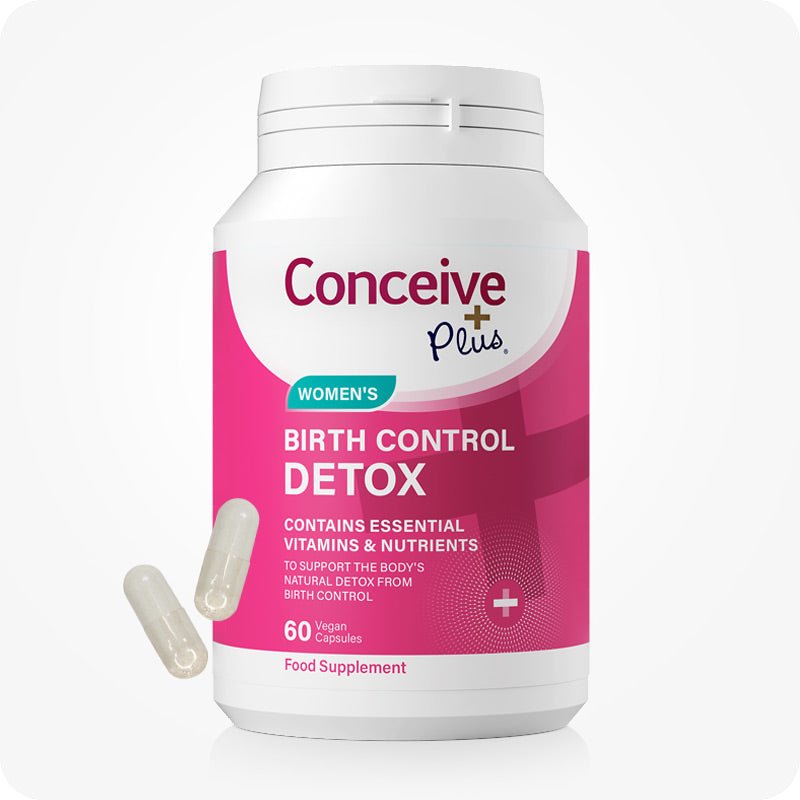
Conceive Plus Ovulation Support supplements are formulated with myo-inositol, folate, and key nutrients to support regular ovulation and hormonal balance when trying to conceive.
Shop Conceive Plus Supplements →
Ovulation Tracking With Irregular Cycles
Irregular cycles make ovulation tracking more challenging but not impossible. If your cycles vary by more than a few days, avoid relying solely on calendar-based predictions. Instead:
- Begin OPK testing earlier than expected (around Day 8–10 if you have short cycles or history of early ovulation).
- Test twice daily to catch a short LH surge.
- Use a fertility monitor that detects multiple hormones for a more reliable fertile window.
- Consider consulting a gynaecologist to investigate the cause of cycle irregularity — PCOS, thyroid conditions, and hyperprolactinaemia are common causes of irregular ovulation.
Women with PCOS face a particular challenge, as chronically elevated LH can cause OPKs to give false-positive results. A fertility monitor that also measures E3G alongside LH (like Clearblue Advanced) can be more reliable for this group.
Timing Intercourse: Maximising Your Fertile Window
Knowing when you ovulate is only half the equation — timing intercourse correctly within the fertile window is equally important. Here are the evidence-based recommendations:
- The egg survives 12–24 hours post-ovulation. Sperm must already be in the fallopian tubes when the egg arrives.
- Sperm survive 3–5 days in optimal cervical mucus, meaning intercourse 2–3 days before ovulation can result in conception.
- The peak fertile days are the 2 days before and the day of ovulation. Having intercourse on these 3 days gives you the highest probability of conception per cycle.
- Every 1–2 days is optimal during the fertile window. Daily intercourse is not necessary and does not meaningfully increase pregnancy rates.
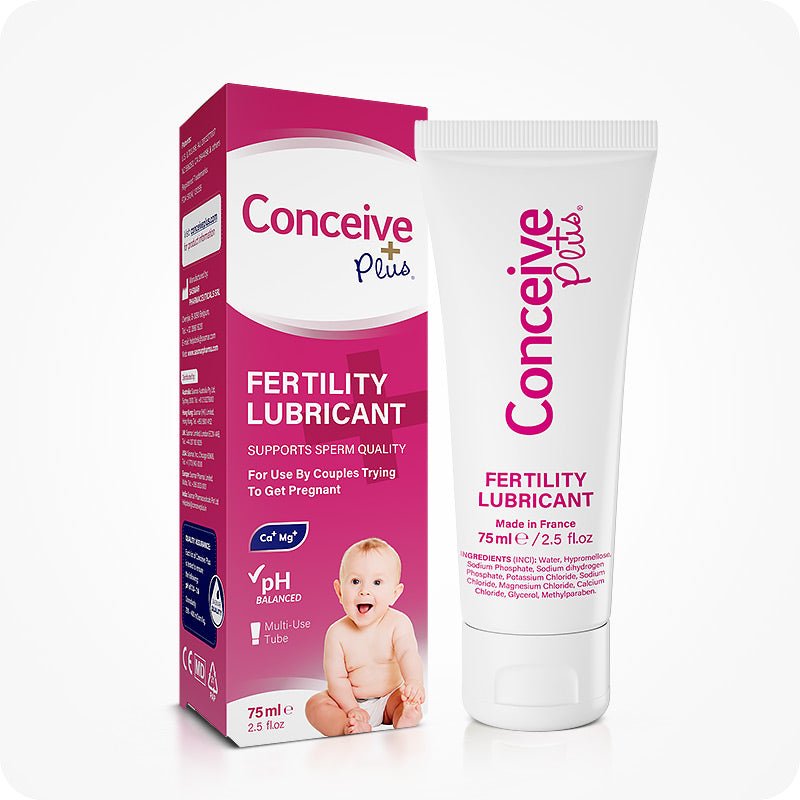
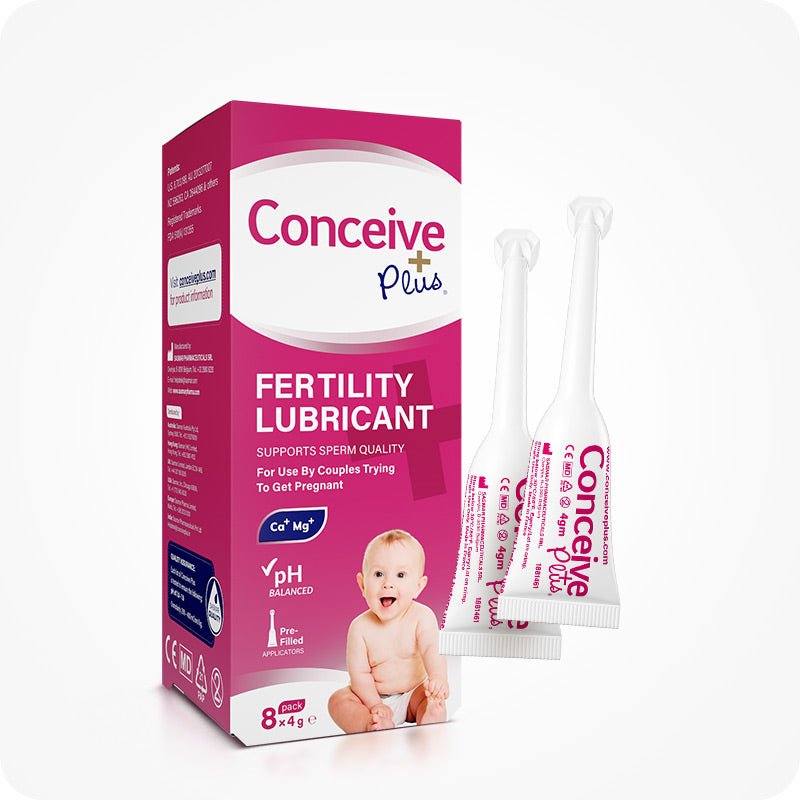
- Use a sperm-friendly lubricant like Conceive Plus if you experience vaginal dryness — standard lubricants can impair sperm motility and reduce your chances of conception.
When to Seek Medical Advice About Ovulation
Most women who track consistently will identify a pattern within 2–3 cycles. However, seek medical evaluation if:
- You see no LH surge on OPKs after 3 or more consecutive cycles of twice-daily testing
- Your cycles are consistently shorter than 21 days or longer than 35 days
- You have not conceived after 12 months of regular, timed intercourse (6 months if over 35)
- You have a history of PCOS, endometriosis, or thyroid disorders that may affect ovulation
- Your BBT chart shows no clear thermal shift, suggesting anovulatory cycles
A gynaecologist can perform a Day 21 (or Day 7 post-ovulation) progesterone blood test to confirm whether ovulation is occurring, and a Day 2–5 FSH and AMH test to assess ovarian reserve.
Frequently Asked Questions About Ovulation Tracking
What is the most accurate way to track ovulation?
OPKs combined with BBT charting and cervical mucus monitoring gives the most complete picture. A fertility monitor that tracks multiple hormones adds another layer of accuracy.
When should I start testing with OPKs?
Start testing approximately 4–5 days before your expected ovulation. For a 28-day cycle, begin around Day 10. For shorter or longer cycles, adjust accordingly.
Can stress affect ovulation timing?
Yes. Chronic psychological stress elevates cortisol, which can suppress GnRH and LH release, potentially delaying or suppressing ovulation. Acute stress around the time of the expected LH surge can shift ovulation by several days.
How do I know if I'm ovulating regularly?
Regular cycles (21–35 days, varying by less than a week) and a clear BBT thermal shift each cycle are strong indicators of regular ovulation. OPK-detected LH surges each cycle confirm ovulation is occurring.
Does everyone ovulate on Day 14?
No. Day 14 is the average for a textbook 28-day cycle, but ovulation can occur anywhere from Day 10 to Day 20 or later, particularly in women with longer or shorter cycles.
Can you get pregnant outside the fertile window?
It's extremely unlikely. While cycle timing can vary, conception requires a viable egg and sperm to be present in the fallopian tube simultaneously — which is only possible during the 6-day fertile window.
What does peak egg-white cervical mucus look like?
It is clear to slightly cloudy, very stretchy (can stretch 2–3 cm between fingers without breaking), and has a slippery, lubricating quality similar to raw egg white. This is your most fertile mucus.
Can I use a smartphone app to track ovulation?
Apps can be helpful tools for recording data, but their built-in predictions based solely on calendar calculations are unreliable, especially for women with irregular cycles. Use apps to record OPK results, BBT, and mucus observations rather than relying on algorithmic predictions alone.
Does exercise affect ovulation?
Moderate exercise supports hormonal balance and regular ovulation. However, very high training volumes (elite athletes, ultra-marathon runners) can suppress the HPG axis, causing irregular or absent ovulation.
Are OPKs reliable for women with PCOS?
OPKs can give false positives in PCOS due to chronically elevated LH. A fertility monitor that measures E3G (oestrogen metabolite) alongside LH — such as Clearblue Advanced — is more reliable for this population.
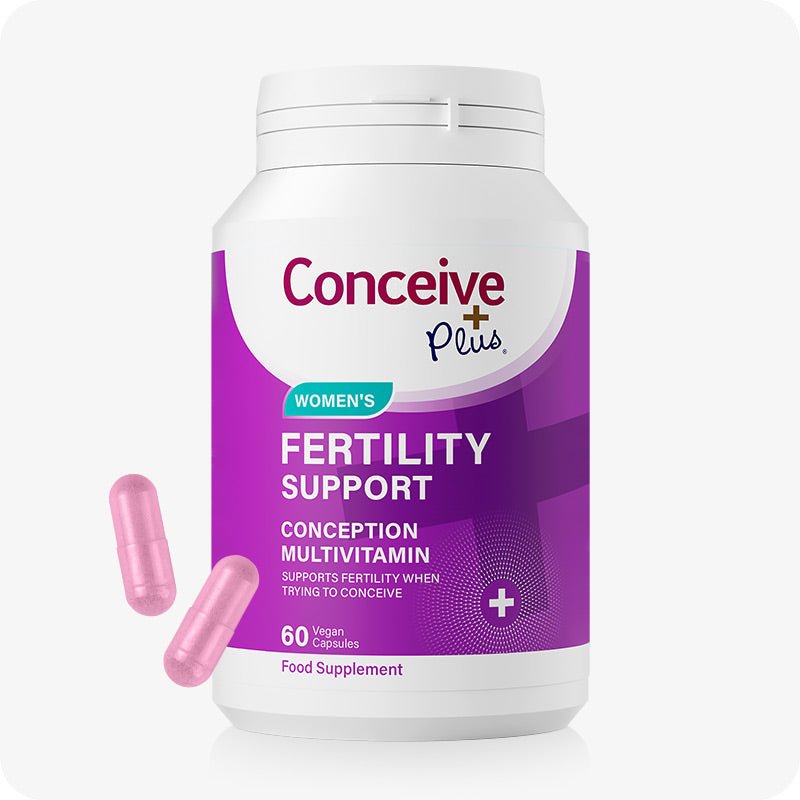
Conceive Plus Women's Fertility Support is formulated with folate, inositol, CoQ10, and essential vitamins to support hormonal balance, regular ovulation, and egg quality when trying to conceive.
Shop Conceive Plus Women's Supplements →
Conclusion
Ovulation tracking is the most powerful free tool available to any couple trying to conceive. By understanding your LH surge, recognising your fertile window, combining multiple tracking methods, and timing intercourse precisely, you can dramatically improve your per-cycle probability of conception — without any medical intervention.
Conceive Plus is proud to support couples throughout their fertility journey with sperm-friendly lubricants, targeted supplements for women and men, and educational resources that empower you with science. Start tracking your ovulation this cycle, and give yourself every possible advantage on your path to pregnancy.
Join thousands of couples who trust Conceive Plus to support their path to pregnancy. Shop our full range of fertility lubricants and supplements.
Shop Conceive Plus →