The Fertility Diet: Evidence-Based Nutrition Strategies to Boost Your Chances of Conception Naturally


The connection between what you eat and how well your reproductive system functions is one of the most powerful — and most underutilised — tools in the fertility journey. Research demonstrates that diet quality significantly influences ovulation, egg quality, sperm health, and even the success of fertility treatments.
How Diet Impacts Fertility
The landmark Nurses’ Health Study II followed over 17,000 women for eight years and identified a dietary pattern associated with a 66 percent lower risk of ovulatory infertility. That pattern — high in monounsaturated fats, plant protein, whole grains, and full-fat dairy, and low in trans fats, refined carbohydrates, and animal protein — forms the foundation of modern fertility nutrition.
Your reproductive system is exquisitely sensitive to nutritional status. When your body senses abundance, it invests energy in reproduction. When it detects scarcity through low-calorie diets or nutrient-poor food, it prioritises survival over conception. This is your biology working exactly as evolution designed it.
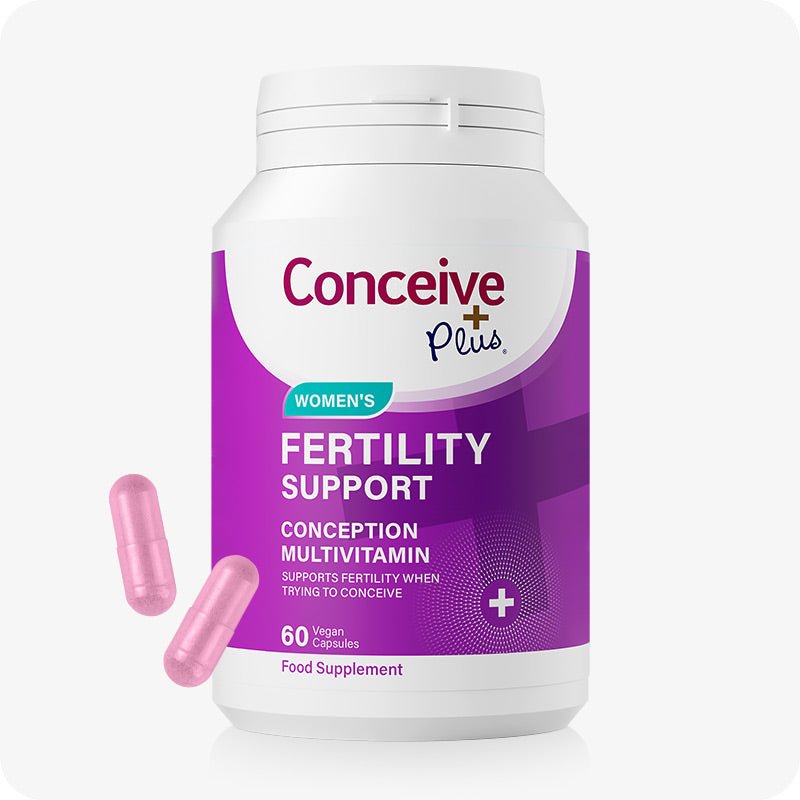
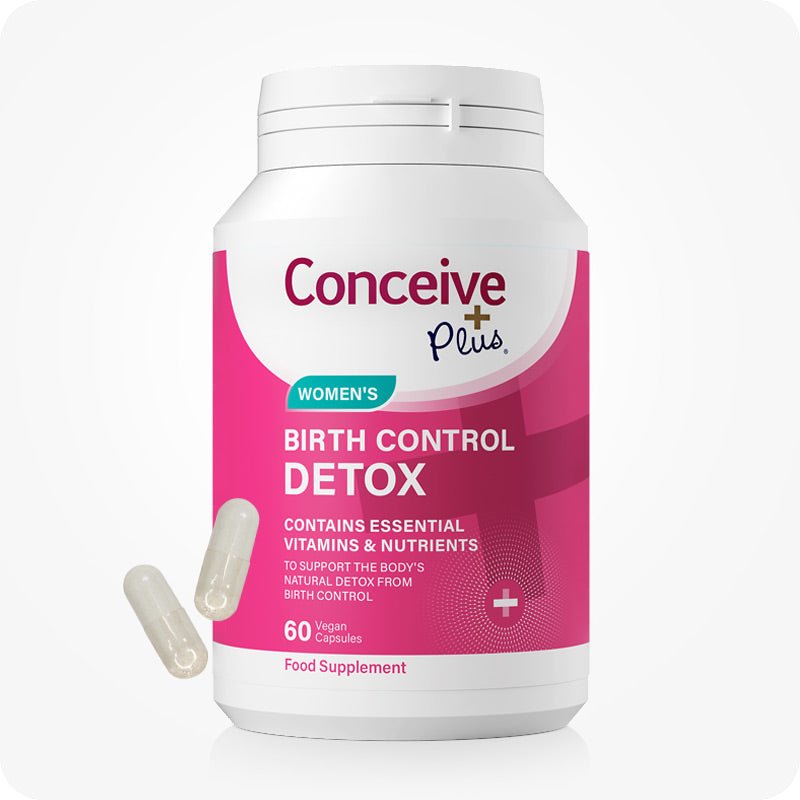
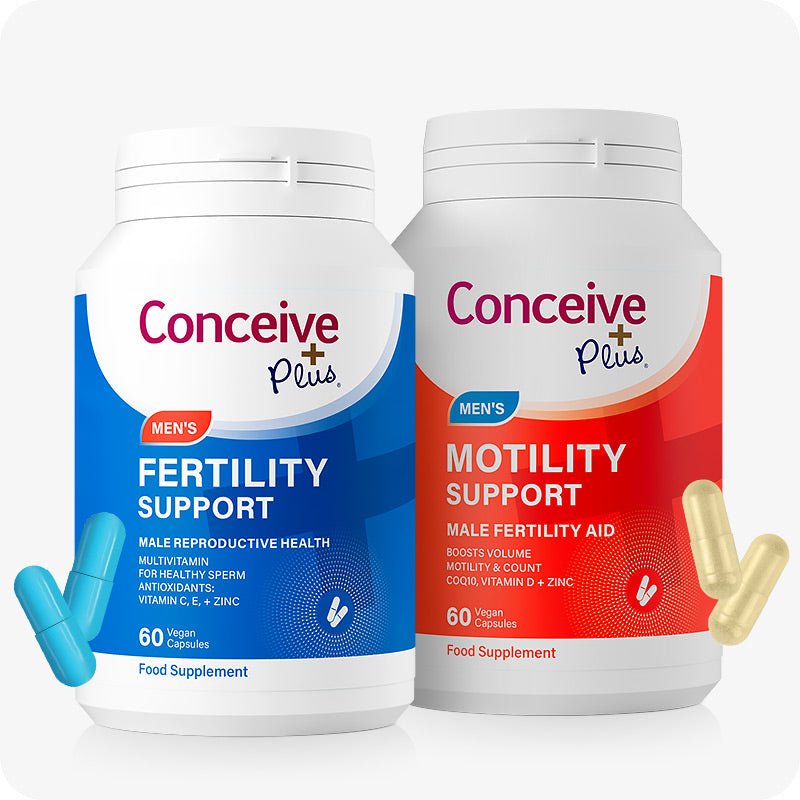
Nutrition is one of the most powerful tools in your fertility toolkit. Conceive Plus Women’s Fertility Support bridges the gap between what you eat and what your reproductive system actually needs, delivering 22 essential nutrients including folate, zinc, and CoQ10 in every dose. For a complete approach, pair it with Conceive Plus Men’s Fertility Support — because fertility is a team effort.
Key Nutrients for Fertility
Folate: Essential for DNA synthesis and cell division — processes central to egg maturation, fertilisation, and early embryonic development. The recommended intake for women trying to conceive is 400 to 800 micrograms daily.
Coenzyme Q10: As we age, egg mitochondria become less efficient at producing energy. CoQ10 supplementation has been shown to improve egg quality, increase fertilisation rates, and enhance embryo development in IVF.
Zinc: Critical for both male and female fertility. In women, zinc supports follicular development and ovulation. In men, it is essential for sperm formation and testosterone production.
Omega-3 Fatty Acids: These healthy fats reduce inflammation, support hormonal balance, and improve cervical mucus quality. Fatty fish, flaxseeds, and walnuts are rich sources.
Vitamin D: Receptors for vitamin D are found throughout the reproductive system. Deficiency has been linked to ovulatory disorders, endometriosis, and poorer IVF outcomes.
The Mediterranean Diet
A 2022 systematic review and meta-analysis found that women with highest Mediterranean diet adherence had significantly higher pregnancy and live birth rates. The pattern provides abundant antioxidants, healthy fats, and anti-inflammatory compounds. Benefits stem from reduced oxidative stress, improved insulin sensitivity, and better hormonal regulation.
Foods to Limit
Trans fats in fried and processed foods are linked to ovulatory infertility. High-glycaemic carbohydrates cause insulin spikes that disrupt ovulation, particularly with PCOS. Excessive alcohol impairs both female and male fertility. Caffeine above 200 to 300 mg daily is associated with longer time to pregnancy.
Putting It Together
A day on the fertility diet: Breakfast of porridge with berries and walnuts. Lunch of a large salad with chickpeas, salmon, and olive oil. Dinner of grilled chicken or lentil stew with quinoa and greens. Snacks of Greek yogurt, almonds, and apple slices. Consistency over perfection is the key.
Every meal is an opportunity to nourish your fertility. Conceive Plus Women’s Fertility Support complements a fertility-friendly diet by filling nutritional gaps with precisely dosed ingredients — myo-inositol, folate, CoQ10, and vitamin D3. One sachet a day, mixed with water. Simple, science-backed, and designed for real life. Browse the Conceive Plus range and build your complete fertility foundation.
FAQ
1. Does the fertility diet really work? The Nurses’ Health Study found a 66 percent reduction in ovulatory infertility risk.
2. Is it expensive? Legumes, oats, seasonal vegetables, and eggs are affordable staples.
3. How long before conception should I start? Ideally 3 to 6 months, as egg maturation takes approximately 90 days.
4. Are supplements needed too? A healthy diet is foundational; supplements ensure therapeutic doses of key nutrients.
5. Can diet help PCOS? A low-glycaemic Mediterranean diet with myo-inositol is highly effective.
6. Does it work for men? Yes. Sperm quality responds within 3 months.
7. Full-fat or low-fat dairy? Research suggests full-fat may be better for fertility.
8. Is caffeine really that bad? Under 200 to 300 mg daily appears safe.
9. What about alcohol? Moderate intake of 1 to 2 drinks per week is acceptable.
10. Can diet improve IVF success? Yes, higher Mediterranean diet adherence correlates with higher IVF success rates.