Secondary Infertility: Why Getting Pregnant the Second Time Can Be Harder


Secondary Infertility: Why Getting Pregnant the Second Time Can Be Harder
You already have a child. You know what it feels like to hold your baby for the first time, to watch them grow, to imagine giving them a sibling. So when the second pregnancy doesn't come as easily — or doesn't come at all — the confusion, heartbreak, and sense of isolation can be overwhelming. You may find yourself asking: Why is this so difficult? It worked before. What's changed?
Secondary infertility — defined as the inability to conceive or carry a pregnancy to term after previously giving birth — affects a significant number of couples in the UK. According to the NHS, infertility affects roughly one in seven couples in the UK, and secondary infertility accounts for a substantial proportion of those cases. Yet it remains one of the least-discussed fertility challenges, partly because those experiencing it often feel they have less "right" to grieve than those who have never had a child.
The truth is that secondary infertility is a legitimate medical condition with real, identifiable causes — and it deserves the same level of attention, compassion, and support as primary infertility. This guide explores why getting pregnant the second time can be harder, what causes secondary infertility, and what steps you can take to address it.
What Is Secondary Infertility?
Secondary infertility is formally defined as the failure to conceive after 12 months of regular, unprotected sex (or six months if you're over 35) when you have previously had one or more successful pregnancies. This includes not only difficulty conceiving but also recurrent pregnancy loss following a prior live birth.
It's worth distinguishing this from primary infertility, which applies to couples who have never conceived. While both conditions share many of the same underlying causes, secondary infertility often comes with additional psychological complexity — the grief of wanting a sibling for your child, societal pressure to be "grateful" for what you already have, and the isolating feeling that your struggle is somehow less valid.
In England, data from the Human Fertilisation and Embryology Authority (HFEA) consistently shows that a large proportion of fertility treatment cycles are undertaken by women who already have a child. The condition affects people across all ages, backgrounds, and fertility histories, and it deserves to be taken seriously regardless of previous reproductive success.
How Common Is Secondary Infertility in the UK?
Support Your Fertility Journey
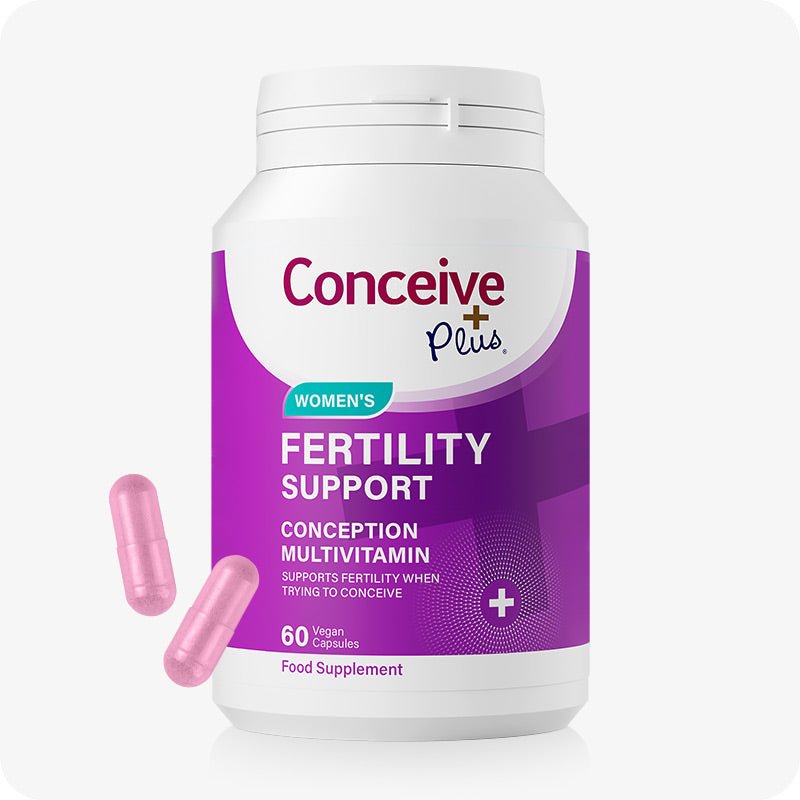
Conceive Plus fertility supplements are clinically formulated with key vitamins and minerals to support reproductive health for both partners — helping you on your journey to baby number two.
Explore Conceive Plus →Secondary infertility is more prevalent than many people realise. Globally, it's estimated that secondary infertility affects as many couples as primary infertility — and in some regions, it's actually more common. In the UK, NHS fertility statistics suggest that a significant number of the estimated 3.5 million people affected by fertility problems have already had at least one child.
Despite its prevalence, secondary infertility often flies under the radar. Couples are sometimes told by friends or even healthcare professionals to "just relax — it happened before, it'll happen again." This dismissiveness can delay diagnosis and treatment, prolonging emotional distress and reducing the window for effective intervention.
Studies published in journals such as Human Reproduction suggest that the psychological impact of secondary infertility can be as severe as that of primary infertility. Feelings of guilt (particularly around an only child's experience), shame, and isolation are common, yet support networks specifically for secondary infertility remain relatively limited in the UK.
The good news is that with proper investigation and timely support, many cases of secondary infertility have identifiable causes and effective treatments available — both through the NHS and privately.
What Causes Secondary Infertility?
Secondary infertility can arise from changes in either partner's health, reproductive function, or lifestyle since the last pregnancy. Some of the most common causes include:
Age-Related Decline in Fertility
This is one of the most significant factors. Female fertility begins to decline in the early 30s, with a more pronounced drop after 35. If your first child was born when you were 30 and you're now trying at 36 or 37, you're working with a meaningfully different fertility profile. Egg quantity (ovarian reserve) and egg quality both decline with age, affecting the likelihood of conception and the risk of miscarriage. Male fertility also declines with age, though less dramatically.
Changes in Ovulation and Hormonal Balance
Hormonal shifts can occur between pregnancies, particularly if several years have passed. Conditions such as polycystic ovary syndrome (PCOS), thyroid disorders, hyperprolactinaemia, and diminished ovarian reserve can all affect ovulation and cycle regularity. These conditions may not have been present (or may not have been diagnosed) during the first pregnancy.
Uterine or Structural Changes
Pregnancy and delivery can sometimes lead to changes in the uterus or surrounding structures. These include:
- Uterine fibroids or polyps: Benign growths that can interfere with implantation or sperm transport
- Intrauterine adhesions (Asherman's Syndrome): Scar tissue within the uterine cavity, which can develop after a D&C procedure following miscarriage or retained placenta
- Endometriosis: A condition that may progress over time, causing adhesions and affecting the fallopian tubes and ovaries
- Changes in cervical mucus: Previous procedures or infections can affect the quality and function of cervical mucus
Fallopian Tube Issues
Blocked or damaged fallopian tubes are a leading cause of female infertility generally, and they can develop or worsen after a previous pregnancy. Pelvic inflammatory disease (PID), often caused by sexually transmitted infections such as chlamydia or gonorrhoea, can cause tubal scarring. A difficult delivery or post-partum infection can also lead to adhesions affecting the tubes.
Male Factor Changes
It's important not to focus solely on the female partner when investigating secondary infertility. Male fertility factors account for around 30–40% of infertility cases generally, and this applies equally to secondary infertility. Since the last pregnancy, a man's sperm quality may have changed due to:
- Age-related decline in sperm count, motility, or morphology
- New health conditions (e.g., varicocele, diabetes, hormonal issues)
- Lifestyle changes (increased alcohol intake, weight gain, smoking, stress)
- Medications with known effects on sperm production
- Exposure to heat or environmental toxins
Weight Changes
Significant changes in body weight — in either direction — can affect fertility. Being overweight or underweight can disrupt ovulation in women and affect testosterone levels and sperm quality in men. Post-pregnancy weight gain is common, and the demands of parenting can make it harder to maintain the lifestyle habits that support fertility.
New Medical Conditions
Between pregnancies, either partner may develop conditions that affect fertility, such as autoimmune disorders, diabetes, thyroid disease, or celiac disease. Some of these may be newly diagnosed; others may have gone undetected for years.
Lifestyle and Environmental Factors
Stress, sleep deprivation, poor nutrition, and exposure to environmental toxins are all factors that can affect fertility over time. The demands of caring for a young child while simultaneously trying to conceive can create a perfect storm of lifestyle pressures that subtly impair reproductive function.
When Should You Seek Help?
If you're under 35 and have been trying to conceive for 12 months without success, it's appropriate to seek medical evaluation. If you're 35 or older, most guidelines — including NHS guidance — recommend seeking help after six months of trying. If you've experienced recurrent miscarriage (two or more), it's advisable to seek specialist input sooner.
Your first step should be visiting your GP. They can refer you for initial fertility investigations, which typically include:
- For women: Blood tests to check hormones (FSH, LH, AMH, oestradiol, progesterone, thyroid function, prolactin), a pelvic ultrasound to assess ovarian reserve and uterine anatomy, and potentially a hysterosalpingogram (HSG) or laparoscopy to evaluate the fallopian tubes and uterus
- For men: A semen analysis to assess sperm count, motility, morphology, and other parameters
In England, NHS fertility treatment eligibility varies by Integrated Care Board (ICB), and not all areas offer the same level of provision for secondary infertility. Some ICBs restrict IVF funding to couples without children. If NHS treatment is not available or not timely enough, private fertility clinics regulated by the HFEA offer a full range of investigative and treatment options.
Diagnosing Secondary Infertility: Tests and Investigations
A thorough investigation of secondary infertility should be approached as a couple rather than focusing on one partner. The process typically follows these stages:
Initial GP Assessment
Your GP will take a full medical history from both partners, including details of previous pregnancies, deliveries, and any complications. They will ask about menstrual cycle regularity, sexual frequency, contraceptive history, any new medications, and lifestyle factors. They may also perform a physical examination and order initial blood tests.
Ovarian Reserve Testing
The anti-Müllerian hormone (AMH) test is the most reliable indicator of ovarian reserve — essentially how many eggs remain available. This can be done privately or via GP referral. A low AMH does not make conception impossible, but it does inform the urgency of seeking treatment and the likely response to fertility drugs if IVF is considered.
Tubal Assessment
If there is any suspicion of tubal damage or blockage — for example, due to a history of infections, a difficult delivery, or endometriosis — a hysterosalpingogram (HSG), HyCoSy (hysterosalpingo-contrast sonography), or laparoscopy may be recommended to assess tubal patency.
Uterine Evaluation
A transvaginal ultrasound can identify fibroids, polyps, or abnormalities in uterine shape. A hysteroscopy (a camera examination of the uterine cavity) may be recommended if intrauterine adhesions or abnormalities are suspected, particularly if there is a history of D&C procedures or post-partum complications.
Semen Analysis
A semen analysis should be offered to the male partner as a matter of routine. This is a non-invasive, inexpensive test that can quickly identify whether male factor infertility is contributing to the problem. Parameters assessed include sperm count (concentration), motility (movement), morphology (shape), volume, and pH.
Treatment Options for Secondary Infertility
The treatment for secondary infertility depends entirely on the underlying cause. Many couples are reassured to find that once a cause is identified, effective treatment is available. Here's an overview of the main approaches:
Lifestyle Modifications
For couples where lifestyle factors are contributing, targeted changes can make a meaningful difference. These include achieving a healthy BMI, stopping smoking, reducing alcohol consumption, managing stress, improving sleep, and optimising nutritional intake. Supplementation with key fertility-supporting nutrients — such as folic acid, vitamin D, zinc, selenium, CoQ10, and omega-3 fatty acids — is commonly recommended.
Ovulation Induction
For women with irregular or absent ovulation, oral medications such as letrozole or clomifene citrate can stimulate ovulation. These are often used alongside monitoring scans to optimise timing. Success rates vary depending on the underlying cause.
Surgical Treatment
Where structural issues are identified — such as fibroids, polyps, endometriosis, or intrauterine adhesions — surgery may be recommended. Laparoscopic surgery can remove endometrial deposits and adhesions; hysteroscopic surgery can address uterine abnormalities. In cases of tubal blockage, surgical repair may be an option, though IVF is sometimes preferred as an alternative.
Intrauterine Insemination (IUI)
IUI involves placing prepared sperm directly into the uterus at the time of ovulation, improving the chances of sperm reaching the egg. It is most effective for mild male factor infertility, unexplained infertility, or where there are issues with cervical mucus.
In Vitro Fertilisation (IVF)
IVF involves stimulating the ovaries to produce multiple eggs, retrieving them, fertilising them in the laboratory, and transferring one or more embryos to the uterus. IVF is appropriate for many causes of secondary infertility, including tubal damage, severe male factor infertility, diminished ovarian reserve (though success rates are lower), and unexplained infertility where other treatments have not worked. Intracytoplasmic sperm injection (ICSI) — where a single sperm is injected directly into an egg — is used when sperm quality is significantly impaired.
Donor Eggs or Sperm
In cases where egg or sperm quality is too compromised for conventional IVF — for example, severely diminished ovarian reserve or azoospermia — donor eggs or sperm may be considered. Donor egg IVF carries higher success rates than conventional IVF and is an option for women with very low ovarian reserve or premature ovarian insufficiency.
Addressing Male Factor Infertility
If a semen analysis reveals abnormalities, further investigation by a urologist or andrologist may be recommended. Treatment options for male factor infertility include lifestyle changes, supplements, hormonal treatment, surgical correction of varicocele, or surgical sperm retrieval (for use in ICSI) if necessary.
The Emotional Impact of Secondary Infertility
The emotional toll of secondary infertility is real and significant — and it's often compounded by a lack of social recognition. Friends and family may struggle to understand why having one child isn't "enough," or may offer dismissive reassurances like "at least you have one." Healthcare professionals, too, can sometimes underestimate the distress involved, given that fertility treatment NHS eligibility often prioritises those without children.
Studies consistently show that secondary infertility causes levels of emotional distress comparable to primary infertility. Anxiety, depression, grief, and relationship strain are all common. The unique grief of secondary infertility — wanting to expand your family, wanting to give your child a sibling — is valid and deserves acknowledgment.
Some steps that can help with the emotional journey include:
- Seeking peer support: Organisations such as Fertility Network UK and The Fertility Foundation offer support specifically tailored to secondary infertility
- Counselling: Fertility-specialised counsellors can help couples process grief, manage relationship strain, and navigate treatment decisions. HFEA-licensed clinics are required to offer counselling to patients
- Being honest with your GP: Don't minimise your distress. Clearly communicating the emotional impact can help ensure you receive appropriate referrals and support
- Joining online communities: Many UK-based online forums and social media groups exist for those experiencing secondary infertility, providing a non-judgmental space to share experiences
- Being kind to yourself: There is no "right" way to feel about secondary infertility. Your grief is valid regardless of your parenting status
It's also important for couples to communicate openly with each other throughout the process. Secondary infertility can create rifts if one partner feels more distressed than the other, or if decisions about how far to pursue treatment are not aligned. Regular, honest conversations — and couples counselling if needed — can help maintain connection during a stressful period.
Unexplained Secondary Infertility
In some cases, thorough investigations fail to identify a clear cause. This is known as unexplained secondary infertility, and it accounts for a meaningful proportion of cases. While an "unexplained" diagnosis can be frustrating — it provides no clear target for treatment — it does not mean that conception is impossible.
Unexplained infertility may reflect subtle issues not detected by standard tests, such as impaired fertilisation, embryo quality issues, or implantation failure. It may also reflect a combination of sub-optimal factors that individually fall within "normal" ranges but collectively reduce fertility.
For unexplained secondary infertility, treatment options typically include:
- Expectant management: Continuing to try naturally for a defined period, particularly if circumstances are favourable (e.g., under 35, shorter duration of subfertility)
- Ovulation induction with timed intercourse: Even if ovulation is occurring, stimulating the ovaries to produce more eggs can improve chances
- IUI with or without ovarian stimulation: May improve odds modestly in unexplained infertility
- IVF: Provides more information about fertilisation and embryo development, and may be recommended after other options have been tried
Nutritional optimisation is also worth considering for unexplained infertility. Micronutrient deficiencies — including vitamin D, folate, zinc, and coenzyme Q10 — can subtly impair egg quality, sperm function, and implantation without causing obvious symptoms. Targeted supplementation may help address these hidden contributors.
Frequently Asked Questions About Secondary Infertility
Q: How is secondary infertility defined?
A: Secondary infertility is defined as the inability to conceive or carry a pregnancy to term after having previously had one or more live births. It is diagnosed when a couple fails to conceive after 12 months of regular unprotected sex (or six months if the woman is over 35).
Q: Is secondary infertility common in the UK?
A: Yes. While exact UK-specific figures are difficult to obtain, secondary infertility is estimated to be as common as primary infertility globally. The NHS reports that approximately one in seven UK couples experience difficulty conceiving, and a significant proportion of these will have had a previous successful pregnancy.
Q: Can secondary infertility happen even if my first pregnancy was easy?
A: Absolutely. A previous easy conception does not guarantee future fertility. Many factors — including age, new health conditions, hormonal changes, uterine changes, or shifts in male fertility — can develop between pregnancies.
Q: When should I see a GP about secondary infertility?
A: If you are under 35 and have been trying for 12 months without success, see your GP. If you are 35 or older, seek help after six months. If you've had two or more miscarriages, seek help promptly regardless of how long you've been trying.
Q: Will the NHS fund IVF for secondary infertility?
A: This depends on where you live. NHS fertility treatment is commissioned by Integrated Care Boards (ICBs), and eligibility criteria vary significantly across England. Many ICBs exclude couples who already have a living child from NHS-funded IVF. Your GP can advise on what is available in your area; private treatment via HFEA-licensed clinics is available if NHS funding is not an option.
Q: Could the birth of my first child have caused secondary infertility?
A: In some cases, complications related to a previous delivery can contribute to secondary infertility. These include intrauterine adhesions (Asherman's Syndrome) following a D&C procedure, post-partum infections, or pelvic inflammatory disease. A thorough investigation will identify any such structural issues.
Q: Is age a major factor in secondary infertility?
A: Yes. Female fertility declines significantly with age — particularly after 35. If there is an age gap between when you had your first child and when you are now trying, this is likely a contributing factor. Ovarian reserve and egg quality both diminish with age, affecting both the likelihood of conception and the risk of miscarriage. Male fertility also declines with age, though more gradually.
Q: Can supplements help with secondary infertility?
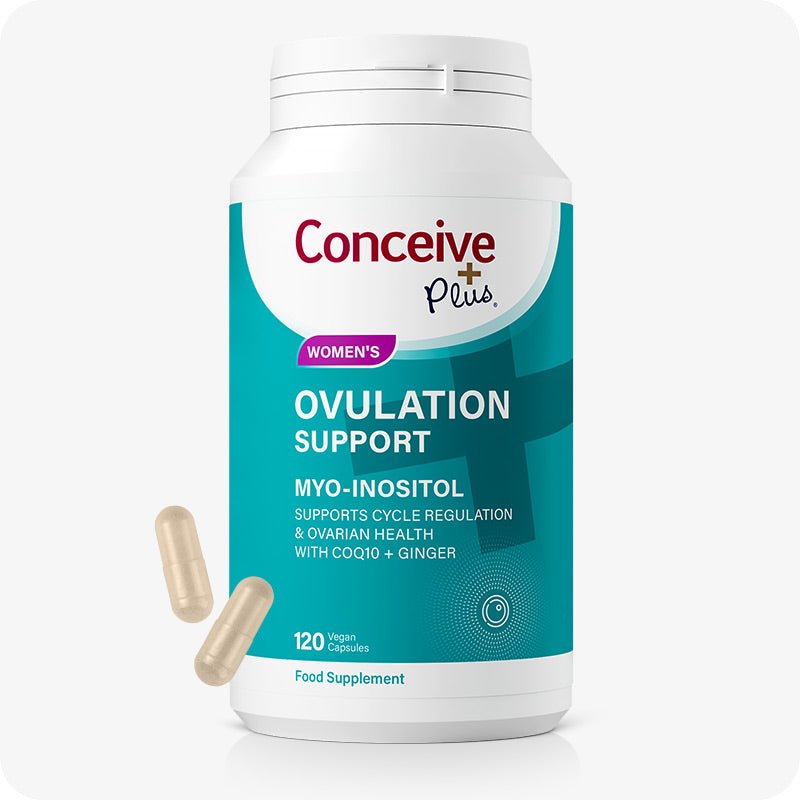
A: Targeted nutritional supplementation can support reproductive health for both partners. Key nutrients include folic acid (or methylfolate), vitamin D, zinc, selenium, CoQ10 (coenzyme Q10), omega-3 fatty acids, and myo-inositol. While supplements are not a substitute for medical investigation and treatment, they can help optimise the fertility environment — particularly where diet quality has deteriorated or nutrient deficiencies exist. Always choose supplements specifically formulated for fertility support and discuss your supplement regimen with your GP or specialist.
Q: What should I do if I've been told my infertility is "unexplained"?
A: An unexplained diagnosis is frustrating but does not mean conception is impossible. Continue working with your fertility specialist to explore treatment options such as ovulation induction, IUI, or IVF. Consider reviewing lifestyle factors, nutrition, and supplement use. Psychological support can be valuable during this uncertain time. It's also worth seeking a second opinion from a specialist fertility clinic if you feel your investigations have not been comprehensive.
Q: How do I talk to my existing child about secondary infertility?
A: This depends on your child's age and emotional maturity. Younger children generally don't need detailed explanations; simply reassuring them that they are loved is sufficient. Older children may benefit from age-appropriate, honest explanations. Many parents find it helpful to speak with a family counsellor or therapist for guidance on how to navigate these conversations in a way that supports their child's wellbeing without burdening them with adult concerns.
Ready to Optimise Your Conception Journey?
Conceive Plus offers a complete range of fertility-support products — clinically tested and trusted by couples worldwide.
Shop All Products