The Fertility Diet: What to Eat (and Avoid) to Boost Your Chances of Conception


The Fertility Diet: What to Eat (and Avoid) to Boost Your Chances of Conception
When you're trying to conceive, every aspect of your lifestyle comes under the spotlight — and what you eat is no exception. The relationship between nutrition and fertility is one of the most well-researched areas in reproductive medicine, and the evidence is increasingly clear: a well-balanced, nutrient-rich diet can meaningfully improve your chances of conception, whether you're just starting out or have been trying for some time.
In the UK, approximately one in seven couples experience difficulty conceiving, according to the NHS. While some causes of infertility require medical intervention, a significant proportion of fertility challenges are influenced by modifiable lifestyle factors — including diet. Research published in the journal Human Reproduction has shown that dietary patterns can affect everything from egg quality and ovulation to sperm motility and DNA integrity.
This guide is designed to give you a comprehensive, evidence-based overview of the fertility diet: the nutrients that matter most, the foods to prioritise, the ones to avoid, and how dietary choices affect both female and male fertility. Whether you're in the early stages of planning or have been on your conception journey for a while, understanding how to nourish your body for fertility is one of the most empowering steps you can take.
Why Nutrition Matters for Fertility
Fertility is a complex biological process involving hormonal balance, egg and sperm quality, implantation, and early embryonic development. Nutrition plays a role in virtually every one of these processes. Micronutrients act as cofactors for enzymes involved in hormonal synthesis, antioxidants protect reproductive cells from oxidative damage, and macronutrients influence insulin sensitivity and inflammation — both of which are closely linked to ovulatory function.
The NHS recommends that women who are trying to conceive take a daily supplement containing 400 micrograms of folic acid, as a minimum. However, optimal fertility nutrition goes far beyond this single recommendation. A growing body of evidence suggests that a holistic dietary approach — one that encompasses a broad spectrum of vitamins, minerals, and phytonutrients — can have a meaningful impact on reproductive outcomes.
A landmark study published in the American Journal of Obstetrics and Gynaecology found that women who closely followed a "fertility diet" — characterised by high intakes of plant-based proteins, healthy fats, and complex carbohydrates — had a significantly lower risk of ovulatory infertility. Similarly, a study in Fertility and Sterility found that men who followed a Mediterranean-style diet had better sperm quality than those who ate a Western-style diet high in processed foods.
The good news is that the fertility diet is not restrictive or punishing. It's centred on whole, minimally processed foods that nourish the entire body — and many of the changes you make to support fertility will also support your long-term health.
Nourish Your Fertility from Within
Conceive Plus Prenatal Essential Nutrients provides the comprehensive nutritional foundation your body needs — with folate, choline, DHA, and 20+ key vitamins and minerals formulated to support fertility and early pregnancy.
Key Nutrients That Support Fertility
Certain nutrients have been identified as particularly important for reproductive health. Understanding why these nutrients matter — and where to find them — can help you make more informed food choices.
Folate (Vitamin B9)
Folate is perhaps the most well-known fertility nutrient, and for good reason. It is essential for DNA synthesis and cell division — processes that are critically important during the earliest stages of embryonic development. Folate deficiency is associated with an increased risk of neural tube defects, and the NHS recommends 400mcg daily for all women trying to conceive and for the first 12 weeks of pregnancy (higher doses may be recommended for women at increased risk).
Food sources rich in folate include dark leafy greens (spinach, kale, broccoli), pulses (lentils, chickpeas, black beans), asparagus, avocado, and fortified cereals. It's worth noting that the synthetic form found in supplements — folic acid — is more readily absorbed by the body than the naturally occurring folate in food, which is why supplementation is so important alongside dietary sources.
Zinc
Zinc is a mineral that plays a crucial role in both male and female fertility. In women, zinc is involved in follicle development, ovulation, and hormone regulation. In men, it is essential for sperm production and testosterone metabolism. Research has shown that zinc deficiency is associated with reduced sperm count and motility, as well as impaired egg development.
Good dietary sources of zinc include oysters (one of the richest sources), red meat, poultry, pumpkin seeds, hemp seeds, lentils, and fortified cereals. Vegetarians and vegans may need to pay particular attention to their zinc intake, as plant-based zinc is less bioavailable than animal-derived zinc.
Omega-3 Fatty Acids
Omega-3 fatty acids — particularly DHA (docosahexaenoic acid) and EPA (eicosapentaenoic acid) — are essential for hormone production, reducing inflammation, and supporting healthy blood flow to reproductive organs. DHA is also critical for foetal brain and eye development during pregnancy.
Research published in the journal PLOS ONE found that women with higher omega-3 levels had better egg quality and higher rates of clinical pregnancy following IVF. For men, omega-3s have been shown to improve sperm morphology and motility.
The best dietary sources of omega-3s are oily fish such as salmon, mackerel, sardines, and trout. The NHS recommends eating 1–2 portions of oily fish per week when trying to conceive. Plant-based sources of omega-3 include flaxseeds, chia seeds, walnuts, and hemp seeds, though the conversion to DHA and EPA in the body is limited.
Antioxidants: Vitamins C and E, Selenium, and CoQ10
Oxidative stress — caused by an imbalance between free radicals and antioxidants in the body — can damage both eggs and sperm. Antioxidant nutrients help neutralise free radicals and protect reproductive cells from this damage.
- Vitamin C: Found in citrus fruits, berries, kiwi, peppers, and broccoli. Vitamin C supports luteal phase progesterone levels and protects sperm DNA from oxidative damage.
- Vitamin E: Found in nuts, seeds, avocado, and olive oil. Vitamin E works synergistically with vitamin C and has been shown to improve sperm motility.
- Selenium: Found in Brazil nuts (just 1–2 per day provides your daily requirement), fish, eggs, and sunflower seeds. Selenium is essential for thyroid function and plays a role in sperm production.
- CoQ10 (Coenzyme Q10): Found in small amounts in oily fish, organ meats, and whole grains. CoQ10 is a powerful antioxidant that is concentrated in mitochondria — the energy-producing organelles in cells. Research suggests that CoQ10 supplementation may improve egg quality, particularly in women over 35, and has been shown to improve sperm parameters in men.
Vitamin D
Vitamin D deficiency is remarkably common in the UK, affecting an estimated 1 in 5 adults, according to the NHS. This is particularly concerning for fertility, as vitamin D receptors are found throughout the reproductive system, including the ovaries, uterus, and testes. Research has linked adequate vitamin D levels to better IVF outcomes, improved ovarian reserve, and better sperm motility. The government recommends that adults in the UK consider taking a daily supplement of 10 micrograms of vitamin D during autumn and winter.
Iron
Non-haem iron (plant-based iron) has been associated with a reduced risk of ovulatory infertility in research from Harvard Medical School. Good plant-based iron sources include lentils, tofu, quinoa, pumpkin seeds, and dark leafy greens. Pairing these with vitamin C-rich foods significantly enhances absorption.
Foods to Prioritise on the Fertility Diet
With the key nutrients in mind, here are the food groups that form the foundation of a fertility-friendly diet:
- Colourful fruits and vegetables: Aim for a wide variety of colours to maximise your antioxidant intake. Berries, leafy greens, sweet potatoes, carrots, peppers, and tomatoes are all excellent choices.
- Whole grains: Brown rice, quinoa, oats, whole wheat bread, and barley provide complex carbohydrates that support stable blood sugar levels and insulin sensitivity — both important for hormonal balance.
- Legumes: Lentils, chickpeas, black beans, and peas are rich in folate, iron, zinc, and plant-based protein. Research suggests that replacing some animal protein with plant protein may reduce the risk of ovulatory infertility.
- Oily fish: Salmon, mackerel, sardines, and trout provide omega-3 fatty acids, vitamin D, iodine, and selenium. Aim for 1–2 portions per week.
- Full-fat dairy: Interestingly, research from the Harvard Nurses' Health Study found that full-fat dairy products (milk, yoghurt, cheese) were associated with a lower risk of ovulatory infertility compared with low-fat dairy. One serving of full-fat dairy per day appeared to be beneficial.
- Nuts and seeds: Walnuts, almonds, Brazil nuts, pumpkin seeds, flaxseeds, and sunflower seeds provide a wealth of fertility-supporting nutrients including zinc, selenium, vitamin E, and omega-3s.
- Healthy fats: Avocado, olive oil, and nuts provide monounsaturated fats that support hormone production and reduce inflammation.
- Eggs: Eggs are one of the most nutrient-dense fertility foods available, providing choline, vitamin D, B12, selenium, and high-quality protein. Choline is particularly important — it plays a key role in foetal brain development and is found in relatively few foods.
Foods to Avoid or Limit
Just as some foods support fertility, others can work against it. The following foods and dietary patterns are best reduced or avoided when trying to conceive:
- Ultra-processed foods: Foods high in refined sugars, trans fats, and artificial additives promote inflammation and insulin resistance, which can disrupt ovulation and reduce sperm quality. These include crisps, biscuits, ready meals, fast food, and sugary drinks.
- Trans fats: Although partially hydrogenated oils (the main source of artificial trans fats) have largely been phased out in the UK, they can still be found in some imported processed foods. Natural trans fats from ruminant animals are less of a concern. Research from Harvard linked higher trans fat intake to a significantly increased risk of ovulatory infertility.
- Refined carbohydrates: White bread, white rice, sugary cereals, and pastries cause rapid spikes in blood sugar and insulin. Chronically elevated insulin levels can interfere with ovulation, particularly in women with polycystic ovary syndrome (PCOS).
- Excessive sugar: High sugar intake contributes to inflammation, insulin resistance, and oxidative stress — all of which are detrimental to reproductive health.
- High-mercury fish: Shark, swordfish, marlin, and king mackerel should be avoided when trying to conceive. The NHS also advises limiting tuna to no more than 4 cans per week (or 2 fresh tuna steaks) due to its mercury content.
- Alcohol: (See the dedicated section below.)
- Excessive caffeine: (See the dedicated section below.)
- Highly processed soy products: While whole soy foods (edamame, tofu, tempeh) appear to be safe and potentially beneficial, highly processed soy products containing concentrated isoflavones may interfere with hormonal balance in some individuals.
The Mediterranean Diet and Fertility
The Mediterranean diet — characterised by high intakes of fruits, vegetables, whole grains, legumes, olive oil, and fish, with moderate amounts of dairy and low intakes of red meat and processed foods — has emerged as one of the most well-studied dietary patterns for fertility.
A 2018 study published in Human Reproduction followed 244 women undergoing IVF treatment and found that those who most closely adhered to a Mediterranean diet in the six months before treatment had a 65–68% higher probability of achieving a clinical pregnancy and live birth compared with those who least closely followed the diet. The effect was most pronounced in women over 35.
For men, a large Spanish study published in Andrology found that adherence to a Mediterranean diet was positively associated with sperm concentration, motility, and morphology. The researchers attributed these effects largely to the diet's high antioxidant content and anti-inflammatory properties.
What makes the Mediterranean diet so fertility-friendly? Several mechanisms are likely at play:
- Anti-inflammatory effects: Chronic low-grade inflammation is associated with impaired ovulation, poor endometrial receptivity, and reduced sperm quality. The Mediterranean diet's abundance of omega-3s, antioxidants, and fibre-rich plant foods helps counteract inflammation.
- Insulin sensitivity: The diet's emphasis on complex carbohydrates and healthy fats supports stable blood sugar and insulin levels, which is particularly important for women with PCOS.
- Antioxidant protection: The high intake of colourful fruits, vegetables, nuts, seeds, and olive oil provides a rich array of antioxidants that protect eggs and sperm from oxidative damage.
- Nutrient density: The Mediterranean diet naturally provides many of the key fertility nutrients discussed above, including folate, zinc, omega-3s, vitamin E, and selenium.
Adopting a Mediterranean-style eating pattern is one of the most evidence-based dietary strategies available for couples trying to conceive. It doesn't require a strict or restrictive approach — it's more about a general pattern of eating that emphasises whole, minimally processed foods.
Alcohol, Caffeine, and Fertility: What the Evidence Says
Alcohol
The evidence on alcohol and fertility is fairly clear. According to the NHS, women who are trying to conceive should avoid alcohol altogether, as there is no established safe level of alcohol consumption during conception or early pregnancy. Research has consistently shown that alcohol consumption is associated with reduced fertility in both women and men.
For women, alcohol disrupts hormonal balance, impairs ovulation, and reduces the chances of successful implantation. A study published in the British Medical Journal found that women who consumed 14 or more units of alcohol per week (equivalent to around 6–7 glasses of wine) had significantly reduced fertility compared with non-drinkers.
For men, heavy alcohol consumption is associated with reduced testosterone levels, impaired sperm production, and increased levels of abnormal sperm. Even moderate drinking (3–13 units per week) has been shown to negatively affect sperm concentration and motility in some studies.
If you find it difficult to stop drinking entirely, reducing your intake to as low as possible — ideally none — is the recommended approach when actively trying to conceive.
Caffeine
The evidence on caffeine and fertility is more nuanced. The NHS and NICE (National Institute for Health and Care Excellence) recommend that women trying to conceive limit their caffeine intake to no more than 200mg per day — roughly equivalent to two cups of instant coffee or one cup of filtered coffee. This recommendation is based on evidence linking high caffeine intake with an increased risk of miscarriage and low birth weight.
For fertility specifically, research suggests that consuming more than 300mg of caffeine per day may be associated with a modest reduction in fertility in women. Some studies have also found associations between high caffeine intake and reduced sperm quality in men, though the evidence is less consistent.
Practical tips for managing caffeine intake when trying to conceive:
- Switch to decaffeinated coffee or herbal teas (note: green tea contains caffeine)
- Be aware of hidden caffeine in chocolate, energy drinks, and some medications
- Gradually reduce your intake to avoid withdrawal headaches
- Stay within the 200mg/day guideline as a maximum
How Diet Affects Male and Female Fertility Differently
It's important to recognise that fertility is a shared concern — approximately 50% of infertility cases involve male factors, either alone or in combination with female factors. Diet affects male and female reproductive health through different mechanisms, and both partners benefit from optimising their nutrition when trying to conceive.
Female Fertility
In women, diet most directly influences:
- Ovulation: Insulin resistance (often driven by poor diet) is a major driver of anovulation (lack of ovulation), particularly in women with PCOS. A diet that supports insulin sensitivity — low in refined carbohydrates and high in fibre and healthy fats — can help restore ovulatory function.
- Egg quality: Antioxidants such as CoQ10, vitamin C, vitamin E, and selenium protect developing eggs from oxidative damage. Research suggests that nutritional interventions can improve egg quality, particularly in older women whose eggs are more vulnerable to oxidative stress.
- Endometrial receptivity: The lining of the uterus (endometrium) needs to be in optimal condition for implantation to occur. A diet rich in omega-3s, folate, and antioxidants supports healthy endometrial function.
- Hormonal balance: Adequate intake of healthy fats supports the production of reproductive hormones. Severe restriction of dietary fat or extreme caloric restriction can suppress ovulation.
Male Fertility
In men, diet primarily affects:
- Sperm production (spermatogenesis): The process of producing sperm takes approximately 72–90 days, which means that dietary improvements today can have a meaningful impact on sperm quality in two to three months' time.
- Sperm motility: The ability of sperm to swim towards and fertilise an egg is influenced by mitochondrial function (supported by CoQ10 and B vitamins) and membrane fluidity (influenced by omega-3 fatty acids).
- Sperm DNA integrity: Oxidative stress can damage the DNA within sperm, reducing fertilisation rates and increasing miscarriage risk. Antioxidant-rich diets have been shown to protect sperm DNA from oxidative damage.
- Testosterone levels: Zinc, vitamin D, and selenium all play roles in testosterone production and regulation. Obesity, which can be influenced by diet, is associated with lower testosterone levels and reduced sperm quality.
Both partners should ideally begin optimising their nutrition at least three months before actively trying to conceive, to allow time for dietary changes to take effect on egg and sperm quality.
UK-Specific Dietary Advice and Considerations
Living in the UK presents some specific nutritional considerations for those trying to conceive:
Vitamin D and Sunlight Exposure
The UK's northerly latitude means that from October to March, the sun is not strong enough for most people to synthesise adequate vitamin D through skin exposure. The NHS recommends that all adults in the UK consider taking a 10 microgram vitamin D supplement during these months, and that those trying to conceive may wish to take it year-round. Those with darker skin tones, those who cover their skin for religious or cultural reasons, and those who spend little time outdoors are at particular risk of deficiency and should supplement throughout the year.
Iodine
Iodine is an often-overlooked nutrient that is essential for thyroid function and foetal brain development. The UK diet has become increasingly iodine-deficient in recent decades, largely due to reduced consumption of dairy products and the rise of plant-based diets (plant milks are typically not fortified with iodine in the way that cow's milk naturally provides it). Research published in The Lancet found that mild iodine deficiency in pregnancy was associated with lower IQ scores and reduced educational attainment in children.
Food sources of iodine include dairy products, eggs, fish, and seafood. Those following a vegan or dairy-free diet should ensure they choose iodine-fortified plant milks or consider supplementation — ideally as potassium iodide rather than kelp, as kelp can provide excessive and variable amounts of iodine.
Omega-3s and Oily Fish Guidance
The NHS guidance for women trying to conceive advises eating no more than 2 portions of oily fish per week, due to the potential accumulation of pollutants such as dioxins and PCBs. For most women this is not a concern, but it is worth being aware of. White fish, on the other hand, can be eaten freely and provides protein, iodine, and selenium without the pollutant concerns associated with oily fish.
Food Safety Considerations
When trying to conceive, it is advisable to apply the same food safety precautions as during pregnancy, including:
- Avoiding raw or undercooked eggs, meat, and seafood
- Avoiding unpasteurised dairy products
- Washing all fruits and vegetables thoroughly
- Being cautious with foods that may carry listeria (soft cheeses, pâté, deli meats)
Maintaining a Healthy Weight
Both underweight and overweight are associated with reduced fertility. The NHS defines a healthy BMI as 18.5–24.9. Research suggests that women with a BMI above 30 have reduced conception rates, increased risk of miscarriage, and higher rates of pregnancy complications. Similarly, being significantly underweight can suppress ovulation. For men, obesity is associated with lower testosterone levels, reduced sperm quality, and erectile dysfunction.
If you are significantly above or below your healthy weight range, working with your GP and a registered dietitian to achieve a healthier weight before or while trying to conceive is strongly advised.
Frequently Asked Questions About the Fertility Diet
- Q: How long does it take for dietary changes to improve fertility?
A: The full development of a new egg (follicle) takes approximately 3 months, and sperm production takes around 72–90 days. This means that dietary improvements may take up to three months to have their full effect on egg and sperm quality. Starting a fertility-focused diet at least three months before you intend to start trying is ideal, but it's never too late to make positive changes.
- Q: Do I need to take supplements if I eat a healthy diet?
A: The NHS recommends that all women trying to conceive take a daily supplement containing 400 micrograms of folic acid, as it can be difficult to obtain sufficient amounts from diet alone, and the need is particularly high in the very early weeks of pregnancy (often before a woman knows she is pregnant). Vitamin D supplementation is also recommended for most UK residents. While a healthy diet is the foundation, a targeted supplement designed for conception can help fill nutritional gaps that may be difficult to address through diet alone.
- Q: Is a vegan or vegetarian diet compatible with trying to conceive?
A: Yes, absolutely. A well-planned plant-based diet can support fertility very effectively. However, vegans and vegetarians need to pay particular attention to nutrients that are predominantly found in animal products, including vitamin B12, iron, zinc, omega-3 fatty acids (DHA/EPA), iodine, and vitamin D. A high-quality prenatal supplement that includes these nutrients is strongly recommended for those following plant-based diets.
- Q: Can diet help with PCOS-related fertility issues?
A: Diet can be a powerful tool for managing PCOS and improving fertility. Since insulin resistance is a central feature of PCOS in many women, a diet low in refined carbohydrates and added sugars, and high in fibre, protein, and healthy fats can help improve insulin sensitivity and restore more regular ovulation. The Mediterranean diet, in particular, has shown promise in improving hormonal profiles in women with PCOS. Weight loss of even 5–10% of body weight in overweight women with PCOS has been shown to significantly improve ovulatory function.
- Q: What foods should men eat to improve sperm quality?
A: Men looking to improve their sperm quality should focus on an antioxidant-rich diet that includes plenty of colourful fruits and vegetables, oily fish, nuts and seeds (particularly walnuts and Brazil nuts), whole grains, and legumes. Key nutrients for male fertility include zinc (found in oysters, red meat, pumpkin seeds), selenium (Brazil nuts, fish), omega-3s (oily fish, walnuts), vitamin C (citrus fruits, peppers, berries), vitamin E (nuts, seeds, avocado), and CoQ10 (oily fish, whole grains). Avoiding processed foods, excessive alcohol, and smoking is equally important.
- Q: Is caffeine really bad for fertility?
A: Moderate caffeine consumption (up to 200mg per day) is generally considered acceptable when trying to conceive, according to NHS and NICE guidelines. Higher intakes have been associated with a modest reduction in fertility and an increased risk of miscarriage. To put this in context, 200mg is roughly equivalent to two mugs of instant coffee, one mug of filter coffee, or two to three cups of tea. If you're drinking more than this, it's worth gradually reducing your intake.
- Q: Are there any superfoods that specifically boost fertility?
A: While no single food is a magic fertility solution, some foods are particularly nutrient-dense for reproductive health. These include: oily fish (omega-3s, vitamin D, iodine), dark leafy greens (folate, iron, antioxidants), eggs (choline, vitamin D, high-quality protein), walnuts (omega-3s, antioxidants), Brazil nuts (selenium), oysters (zinc), avocado (healthy fats, vitamin E, folate), berries (antioxidants, vitamin C), and full-fat dairy products (calcium, vitamin D, protein). Incorporating a variety of these foods regularly provides a strong nutritional foundation for fertility.
- Q: How does body weight affect fertility?
A: Body weight has a significant impact on fertility for both women and men. In women, being overweight or obese can lead to elevated oestrogen levels (as fat tissue produces oestrogen), insulin resistance, and disrupted ovulation. Being underweight can suppress the hypothalamic-pituitary-ovarian axis, leading to irregular or absent periods and anovulation. For men, obesity is linked to lower testosterone, higher oestrogen levels, and reduced sperm quality. Maintaining a healthy BMI (18.5–24.9) through a balanced diet and regular physical activity supports optimal reproductive function.
- Q: Should both partners follow a fertility diet?
A: Absolutely. Since male factor infertility accounts for approximately 50% of all infertility cases, it is important that both partners pay attention to their nutritional health. Both eggs and sperm take around 2–3 months to fully develop, so both partners have an opportunity to improve the quality of their reproductive cells through dietary and lifestyle changes. Approaching fertility nutrition as a shared commitment can also strengthen the relationship during what can be a challenging time.
- Q: Can stress affect the fertility diet's effectiveness?
A: Chronic stress can interfere with reproductive hormones and reduce fertility, independent of diet. The stress hormone cortisol can suppress the production of reproductive hormones and disrupt ovulation. While a fertility-focused diet can support the body's resilience to stress (particularly through B vitamins, magnesium, and antioxidants), managing stress through other means — exercise, mindfulness, adequate sleep, and social support — is also an important part of the fertility picture. Diet and stress management work best together as part of a holistic approach to reproductive health.
Complete Your Fertility Nutrition Plan
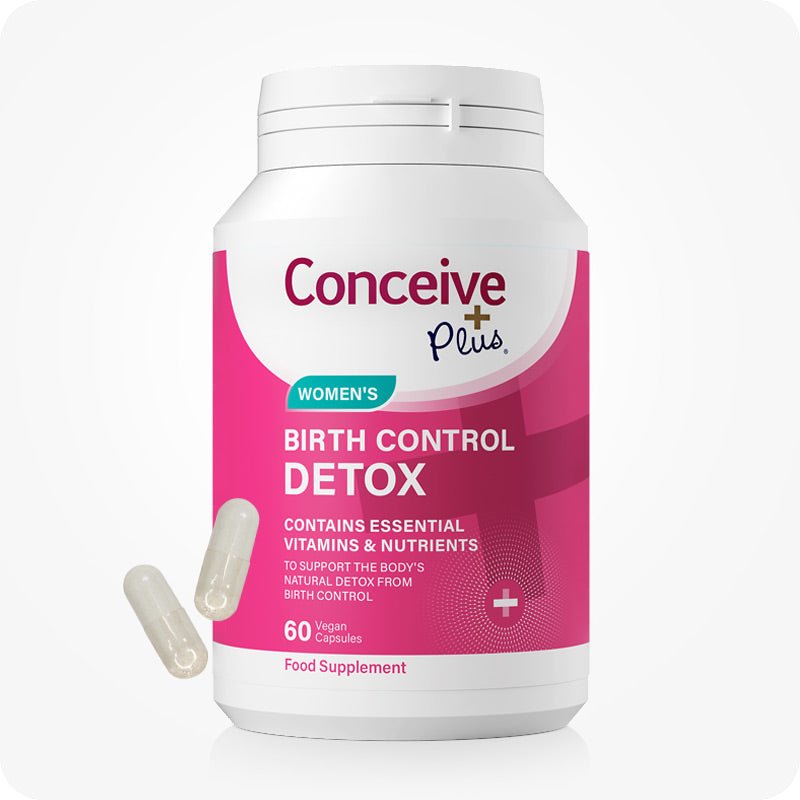
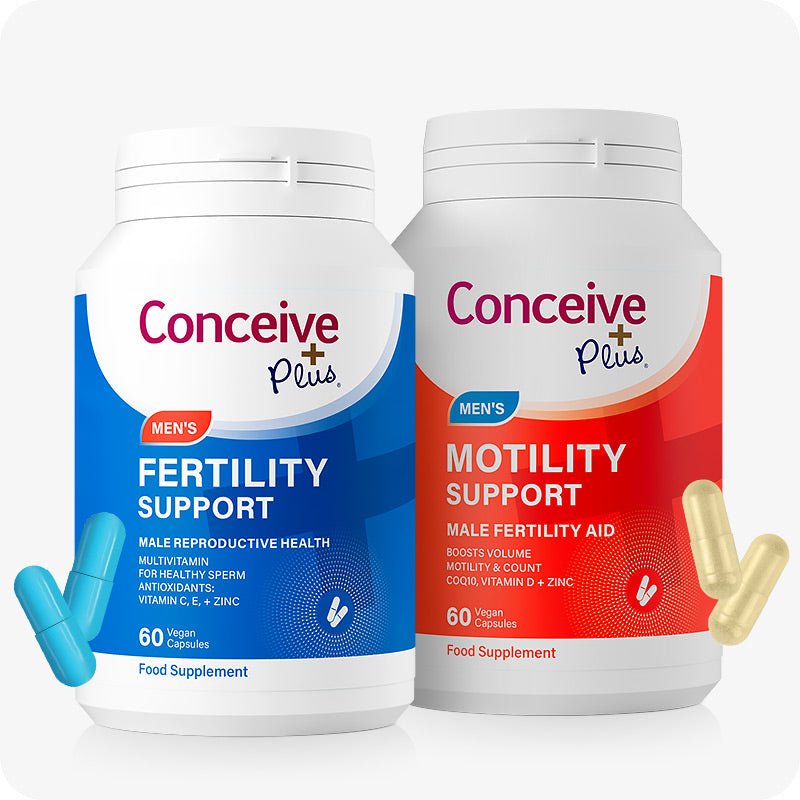
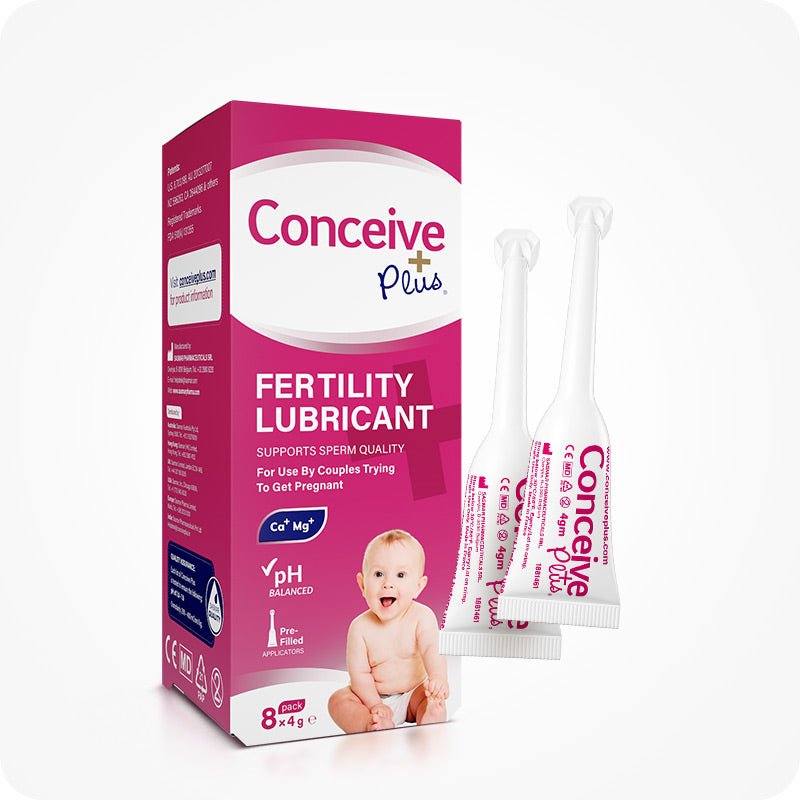
Eating well is a powerful first step. Conceive Plus supplements are designed to complement a fertility-friendly diet — giving you and your partner the nutritional edge you need on your conception journey.