Timing Intercourse for Conception — The Science Behind Your Fertile Window


Timing Intercourse for Conception — The Science Behind Your Fertile Window
When you are trying to conceive, timing is everything. Unlike many areas of life where persistence alone eventually yields results, conception requires that sperm and egg are in the right place at the right time. A woman is fertile for only a short window each menstrual cycle — typically five to six days, culminating in the day of ovulation itself. Missing this window means waiting another full cycle before trying again, which is why understanding the science of the fertile window is one of the most powerful tools available to couples trying to conceive.
Yet despite the critical importance of timing, studies consistently show that the majority of couples attempting conception do not accurately identify their fertile window. Myths about the "best" time to have intercourse, misunderstandings about cycle regularity, and a lack of awareness about the biological signals of ovulation mean that many couples inadvertently reduce their chances of conception each month. This comprehensive guide breaks down the science behind your fertile window, explains how to accurately identify it, and offers evidence-based strategies for optimising your chances of conception.
Understanding the Menstrual Cycle and Ovulation
The menstrual cycle is a finely orchestrated series of hormonal events designed to prepare the body for conception. Understanding this cycle is fundamental to timing intercourse effectively.
A typical menstrual cycle lasts between 21 and 35 days, with 28 days often cited as the average — though this figure represents the population average rather than any individual's norm. Cycles vary considerably between women and can fluctuate month to month in the same individual.
The cycle is divided into two main phases, separated by ovulation:
- Follicular phase: Begins on the first day of menstruation and ends at ovulation. During this phase, follicle-stimulating hormone (FSH) prompts the ovaries to develop follicles — small, fluid-filled sacs each containing an egg. As follicles develop, they produce increasing amounts of oestrogen, which thickens the uterine lining in preparation for potential implantation.
- Luteal phase: Begins immediately after ovulation and ends with menstruation (or continues if pregnancy occurs). A surge of luteinising hormone (LH) triggers the dominant follicle to release its egg — this is ovulation. The remnant of the follicle, now called the corpus luteum, produces progesterone to maintain the uterine lining.
Crucially, the luteal phase is relatively fixed in most women — typically lasting 12–16 days. The follicular phase is where cycle length variability primarily occurs. This means that in a 28-day cycle, ovulation typically occurs around day 14, while in a 35-day cycle, it may not occur until day 21 or later.
The Fertile Window: What It Is and Why It Matters
The fertile window is the period during which intercourse can result in conception. It encompasses the five days before ovulation and the day of ovulation itself — a total of six days — with conception probability peaking in the two to three days immediately before ovulation.
This window exists because sperm can survive in the female reproductive tract for up to five days under optimal conditions, while the egg is viable for only 12–24 hours after ovulation. Having intercourse before ovulation allows sperm to be "waiting" in the fallopian tubes when the egg is released, significantly improving the chance of fertilisation.
A landmark study published in the New England Journal of Medicine by Wilcox et al. (1995) remains one of the most cited pieces of evidence on this topic. The study found that pregnancies resulted almost exclusively from intercourse that occurred within the six-day fertile window — with peak probability (approximately 33%) on the two days before ovulation. Intercourse on the day after ovulation was associated with virtually zero probability of conception.
A 2003 study published in Human Reproduction corroborated these findings and found that couples who correctly identified and targeted their fertile window had significantly higher monthly conception rates than those who did not — underscoring the practical importance of fertile window awareness.
Methods for Identifying Your Fertile Window
Several evidence-based methods exist for identifying the fertile window. Using more than one method in combination typically improves accuracy.
Basal Body Temperature (BBT) Charting
Basal body temperature rises slightly (typically 0.2–0.5°C) after ovulation due to the thermogenic effect of progesterone. BBT charting involves taking your temperature first thing each morning — before getting out of bed — using a basal body thermometer, and recording the readings to identify a pattern.
The limitation of BBT is that it confirms ovulation has already occurred rather than predicting it in advance. However, over several months, charting can reveal a pattern that helps predict the timing of future fertile windows.
Ovulation Predictor Kits (OPKs)
OPKs detect the surge of LH that occurs approximately 24–36 hours before ovulation. A positive test indicates that ovulation is imminent and that the next 24–36 hours represent peak fertility. Digital OPKs with smiley faces are easier to interpret than line-based tests and are generally more reliable for women unfamiliar with reading line intensity.
Urine-based OPKs are available over the counter and are generally highly accurate for predicting the LH surge, though they can give false positives in women with PCOS due to elevated baseline LH levels.
Cervical Mucus Monitoring
Under the influence of rising oestrogen in the days before ovulation, cervical mucus changes in character — becoming more abundant, clear, slippery, and stretchy (often described as resembling raw egg whites). This fertile-quality mucus creates a hospitable environment for sperm, supporting their survival and motility.
Monitoring cervical mucus is a powerful and cost-free method of tracking fertility. Research suggests that the presence of egg-white cervical mucus is one of the most reliable indicators of peak fertility, and several studies have shown it to be as accurate as OPKs for timing intercourse when used correctly.
Cycle Tracking Apps
Smartphone apps that use cycle length data to predict fertile windows have become widely used, with some incorporating BBT charting and cervical mucus observations. Studies published in Obstetrics & Gynecology have found significant variability in the accuracy of app-based predictions, particularly for women with irregular cycles. Apps are best used as a supplementary tool alongside other methods rather than as a standalone approach.
Hormone Monitoring Devices
More advanced home monitoring devices, such as the Clearblue Fertility Monitor, track both LH and oestrogen levels throughout the cycle, providing a broader window of fertility information than LH-only OPKs. These are particularly useful for women who wish to identify the full six-day fertile window rather than just the peak two days around ovulation.
Optimise Your Conception Window
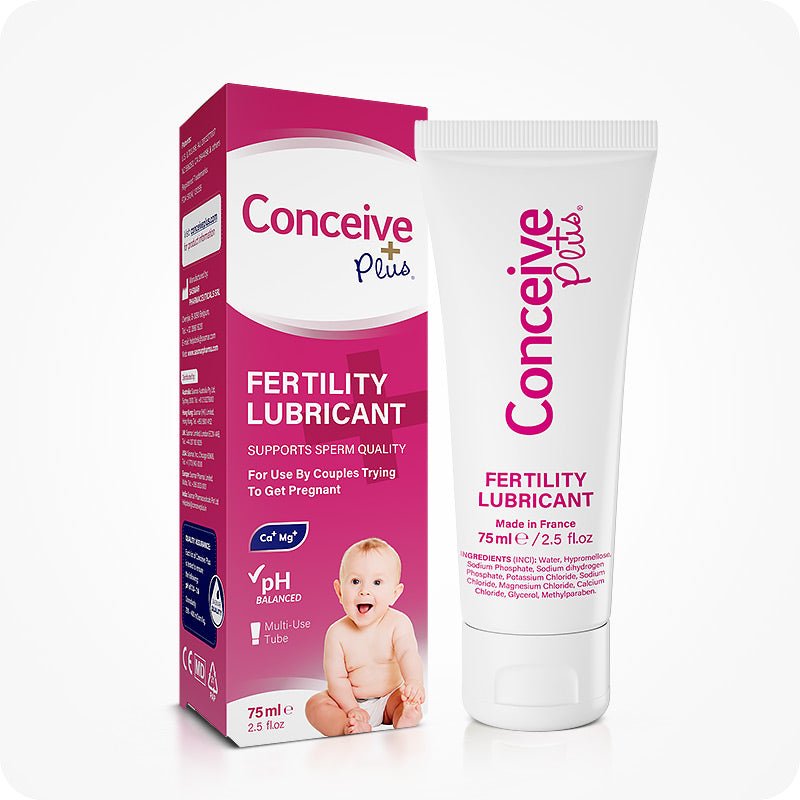
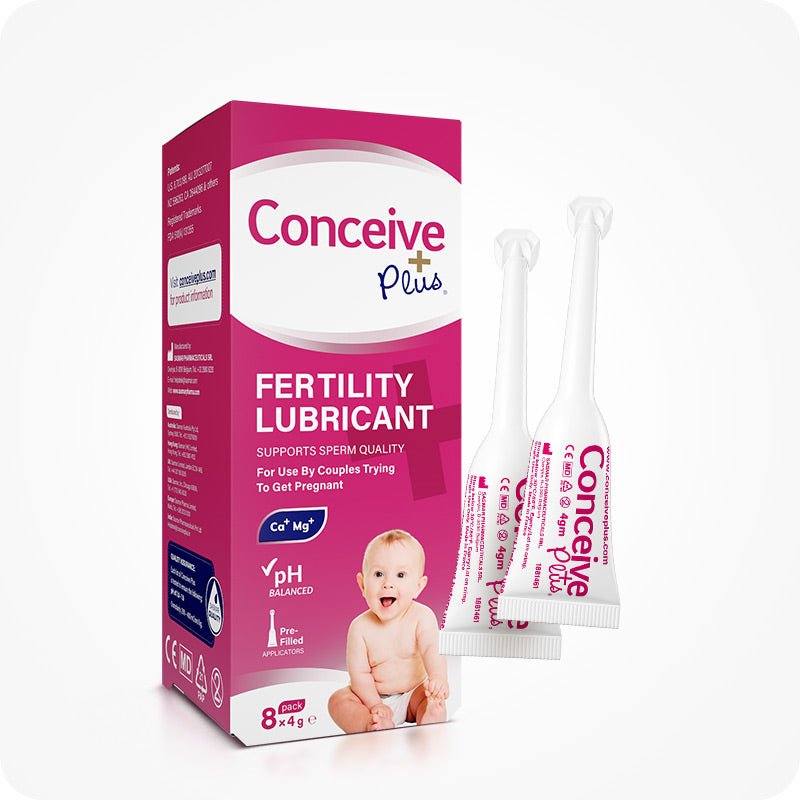
When timing matters most, Conceive Plus Fertility Lubricant creates the ideal environment for sperm — pH-balanced, isotonic, and clinically shown to be compatible with sperm, eggs, and embryos.
How Often Should You Have Intercourse?
One of the most common questions couples ask is how often to have intercourse during the fertile window. The answer is informed by research into sperm replenishment and the timing of fertilisation.
A comprehensive review published in Fertility and Sterility found that daily intercourse during the fertile window was associated with the highest pregnancy rates, followed closely by intercourse every other day. Having intercourse every day does not significantly deplete sperm reserves in men with normal semen parameters — it takes approximately 48–72 hours for sperm levels to fully replenish, but intercourse every 24 hours still maintains sperm counts well within the fertile range.
Practically, a recommended approach is to have intercourse every one to two days throughout the fertile window — beginning approximately five days before the expected ovulation date and continuing through the day of ovulation itself. This ensures that viable sperm are consistently present in the reproductive tract throughout the window of peak fertility.
Importantly, intercourse should not become a purely mechanical exercise focused solely on reproduction. Research consistently shows that relationship stress and "performance anxiety" can reduce libido and affect the hormonal environment. Maintaining warmth, intimacy, and connection during this period supports both emotional health and the physical conditions for conception.
The Role of the Luteal Phase in Conception
While most attention is focused on the pre-ovulatory fertile window, the luteal phase — the two weeks following ovulation — plays an equally important role in whether a pregnancy is established and maintained.
After fertilisation, the embryo travels down the fallopian tube and reaches the uterus approximately five to seven days after ovulation. Implantation — the process by which the embryo embeds into the uterine lining — occurs between days seven and ten post-ovulation. A healthy luteal phase requires adequate progesterone to maintain the uterine lining during this critical period.
A luteal phase shorter than 10 days (known as a "luteal phase defect") may be associated with difficulty sustaining early pregnancy. If you consistently experience cycles shorter than 24 days or notice spotting more than 10 days before your period, discussing luteal phase adequacy with your GP or gynaecologist is worthwhile.
Factors That Can Affect Ovulation Timing
Several lifestyle and health factors can shift the timing of ovulation, making it more difficult to predict the fertile window:
- Stress: Acute psychological stress can delay or suppress ovulation through cortisol's effects on the hypothalamic-pituitary-ovarian axis.
- Illness: Fever or significant illness can delay ovulation within a given cycle.
- Travel: Changes in time zone and disrupted sleep patterns can temporarily alter cycle timing.
- Significant weight changes: Both underweight and overweight states affect oestrogen production and ovulation regularity.
- Intense exercise: Very high volumes of exercise — particularly in athletes — can suppress ovulation through reduced energy availability.
- Recent hormonal contraception: It may take one to three months for regular ovulation to resume after stopping hormonal contraception, though some women resume immediately.
Being aware of these variables and tracking your cycle over several months gives you a much clearer picture of your individual ovulation pattern and fertile window.
Fertility Lubricants: An Important Consideration
Many couples use lubricants during intercourse, and this is particularly relevant when trying to conceive. Many standard lubricants — including widely used brands — have been shown in laboratory studies to impair sperm motility and reduce sperm viability.
Research published in Fertility and Sterility demonstrated that lubricants including Astroglide, K-Y Jelly, and olive oil significantly reduced sperm motility in vitro. Even water — often considered a "safe" alternative — can be problematic due to its hypotonic nature.
Fertility-specific lubricants are formulated to be pH-balanced and isotonic — matching the properties of the natural cervical environment — and have been clinically shown to be compatible with sperm function, eggs, and embryos. If you use a lubricant during intercourse, choosing a fertility-specific product is a simple but meaningful optimisation.
Frequently Asked Questions About Timing Intercourse for Conception
1. How do I know when I am ovulating?
The most reliable way to identify ovulation is to use a combination of methods: ovulation predictor kits (OPKs) to detect the LH surge, cervical mucus monitoring for egg-white quality mucus, and basal body temperature charting to confirm ovulation after the fact. Tracking these signs over several cycles gives a comprehensive picture of your individual pattern.
2. Can I get pregnant outside of my fertile window?
Biologically, conception requires sperm to meet an egg within approximately 24 hours of ovulation. Sperm can survive for up to five days, so intercourse up to five days before ovulation can result in pregnancy — but intercourse outside this six-day window is extremely unlikely to result in conception.
3. My cycles are irregular — how do I find my fertile window?
Irregular cycles make prediction harder but not impossible. OPKs are particularly helpful for women with irregular cycles as they detect the actual LH surge rather than relying on estimated cycle length. Tracking cervical mucus can also provide real-time information. If irregular cycles persist, an evaluation for PCOS or other hormonal conditions is advisable.
4. Can stress affect my fertile window?
Yes. High levels of psychological stress can delay or suppress ovulation by disrupting the hormonal signals from the brain. This can cause your fertile window to shift unpredictably. Managing stress through mindfulness, exercise, and appropriate support helps maintain hormonal regularity.
5. Is there a "best" time of day to have intercourse when trying to conceive?
Research does not strongly support one time of day over another for conception. While some studies suggest that sperm quality may be marginally higher in the morning, the practical impact on conception outcomes is minimal. What matters far more is timing intercourse within the fertile window.
6. Does missionary position improve the chances of conception?
There is no strong scientific evidence that any particular sexual position significantly affects the chances of conception. Sperm are highly motile and capable of navigating the reproductive tract regardless of position. Post-intercourse positions (such as lying on your back) have not been shown to meaningfully improve outcomes.
7. How long should we try before seeking help?
Couples under 35 should seek evaluation after 12 months of regular unprotected intercourse. Those over 35 should seek evaluation after 6 months. If you have known fertility challenges, irregular cycles, or other concerns, earlier evaluation is appropriate.
8. Does the time between ejaculations affect sperm quality?
Very short abstinence periods (less than one day) may reduce sperm count slightly, while very long periods (more than seven days) are associated with increased DNA fragmentation. For conception purposes, an abstinence period of one to two days before the fertile window appears optimal for most men.
9. Can ovulation occur more than once per cycle?
Multiple ovulations within a single cycle are possible — and when they occur, they happen within a 24-hour window (resulting in fraternal twins if both eggs are fertilised). Ovulation does not occur twice in a cycle at different times. Once the corpus luteum forms, hormones suppress further ovulation for the remainder of that cycle.
10. We have been timing intercourse correctly for six months with no success — what should we do?
After six months of well-timed intercourse with no success — particularly if either partner is over 35 — a fertility evaluation is recommended. This should include a semen analysis for the male partner and hormonal and imaging assessment for the female partner. Early evaluation can identify treatable causes and significantly shorten the path to conception.
Your Conception Journey, Supported
From fertility lubricants to ovulation support supplements, Conceive Plus has everything you need to make the most of every fertile window.