Women loose 90% of their eggs by age 30
Frequently Asked Questions
Recommended by Fertility Experts
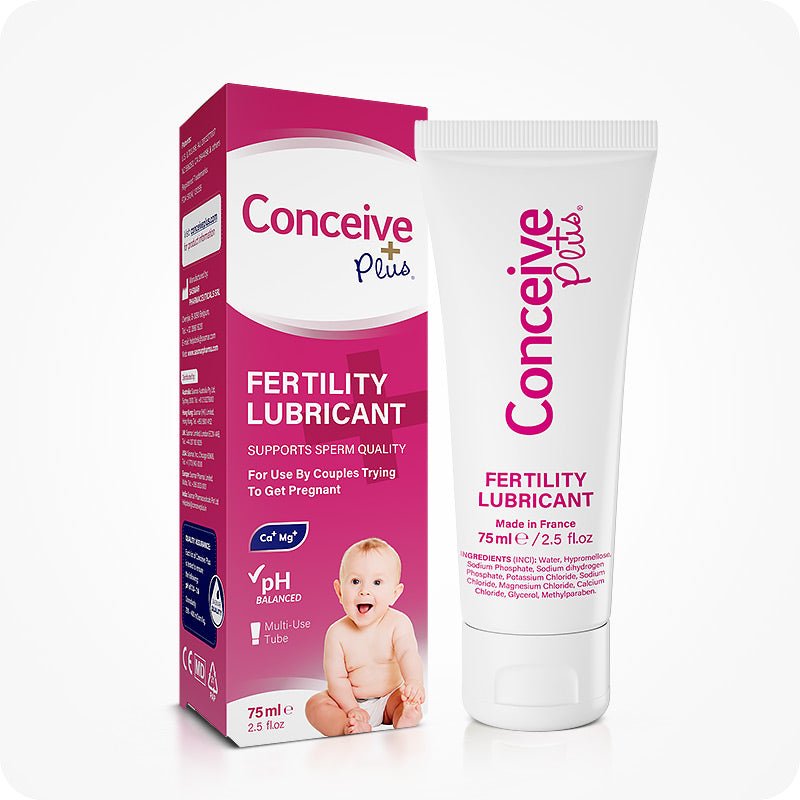
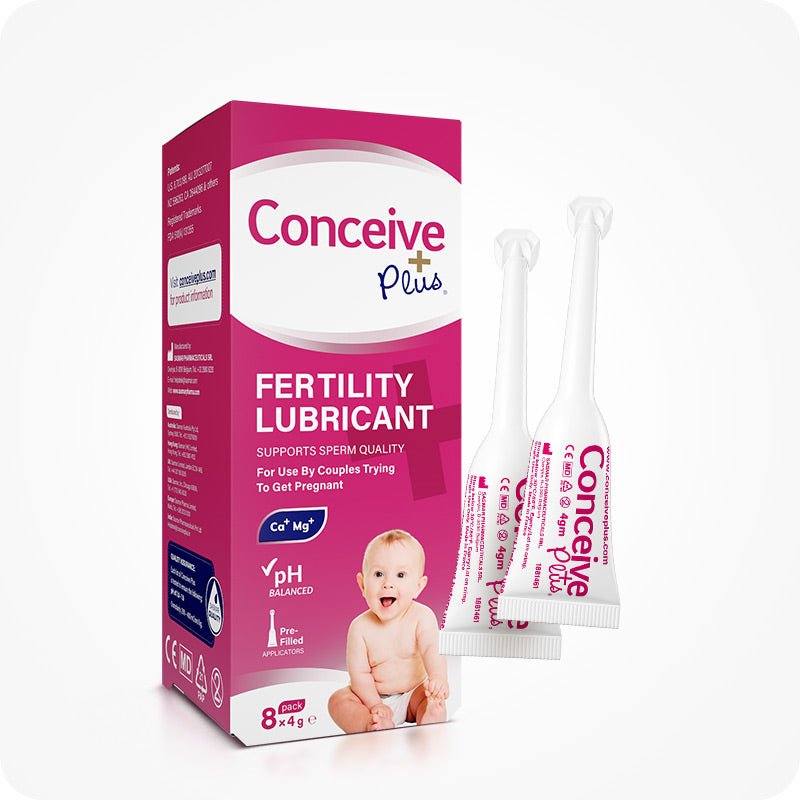
Conceive Plus Fertility Lubricant
Specially formulated to be sperm-friendly and isotonic, supporting your natural conception journey without disrupting the reproductive environment.
Shop Now →What is the normal number of eggs a woman is born with?
Women are born with approximately 1-2 million eggs in their ovaries, a number that has already been reduced from around 6-7 million during foetal development. By puberty, this number decreases to roughly 300,000-400,000 eggs. This natural decline continues throughout a woman's reproductive years.
Does egg loss affect fertility after age 30?
Whilst the number of eggs decreases significantly by age 30, the remaining eggs are still viable for conception. However, after age 35, both egg quantity and quality decline more rapidly, which is why the NHS and fertility clinics recommend couples seek advice if conception hasn't occurred after 12 months of trying, or sooner if the woman is over 35.
Can egg reserve be tested on the NHS?
The NHS does not routinely offer egg reserve testing (anti-müllerian hormone or AMH tests) as part of standard fertility investigations. However, private fertility clinics in the UK and some NHS fertility services may offer AMH testing as part of a comprehensive fertility assessment, particularly if there are concerns about ovarian reserve.
At what age should I worry about egg quality and quantity?
Whilst egg quantity declines gradually from birth, egg quality becomes a more significant concern from age 35 onwards, when chromosomal abnormalities increase. If you're planning to have children, the HFEA and fertility specialists recommend considering family planning discussions with your GP or a fertility clinic from age 30 onwards, particularly if you have other risk factors.
Can anything be done to preserve eggs before age 30?
Egg freezing (oocyte cryopreservation) is available privately in the UK and is increasingly being considered for fertility preservation, particularly before age 35 when egg quality is better. Whilst this option is not typically funded by the NHS for social reasons, some NHS trusts may fund it in specific circumstances, such as before cancer treatment.
Is it still possible to conceive naturally after losing 90% of eggs?
Yes, it is absolutely possible to conceive naturally after age 30, as only one egg is needed each month for conception. The remaining 10% of eggs (approximately 30,000-40,000) is still sufficient for fertility, though the chances of conception may decrease slightly with age.
What fertility support is available on the NHS for women over 30?
The NHS provides fertility investigations and treatment (including up to three IVF cycles in many areas) for couples who have been trying to conceive for 12 months, or 6 months if the woman is over 36. Access varies by region, so it's worth contacting your local integrated care board or GP to understand your specific eligibility and local commissioning arrangements.
Trusted by Couples in Over 70 Countries
Start Your Fertility Journey With the Right Support
Conceive Plus Fertility Lubricant is specially formulated to be compatible with sperm, eggs, and embryos. Whether you are just starting out or have been trying for a while, our products are designed to work with your body — not against it.
Explore Fertility Lubricant →