8 Obesity Fertility Problems Women Face

It is well known that obese people face a lot of health problems. They are more prone to heart diseases, high blood pressure and fluctuating glucose levels in their body. But what is often forgotten is that obese women also face fertility problems. Those could be so severe that they can lead to a long-term infertility; that is the inability to reproduce even with assisted reproductive technologies.
1. OBESITY SERIOUSLY AFFECTS THE FERTILIZATION
It is very difficult for a woman who is obese to get pregnant: the fat accumulated around the abdominal area of the body make it difficult for proper fertilisation of the egg by a healthy sperm.2. OBESITY SERIOUSLY AFFECTS THE MENSTRUAL CYCLE
For a woman who wants to get pregnant, her menstrual cycle needs to be regular. However as obesity affects the menstrual cycle, this makes it difficult to predict when she will be fertile.
3. OBESITY INCREASES THE RISK OF MISCARRIAGE
The effect of obesity on fertility and pregnancy includes an increased risk of miscarriage. The fat around the uterus will press the foetus and cause nutritional problems.4. OBESITY CAN LEAD TO A POLYCYSTIC OVARIAN SYNDROME
Polycystic ovarian syndrome is an effect of obesity on fertility and pregnancy. It is a hormonal imbalance that will disrupt the normal menstrual cycle and ovulation, thereby causing infertility.5. OBESITY CAN CREATE AN OVERSUPPLY OF OESTROGENS

✨ Trying to Conceive?
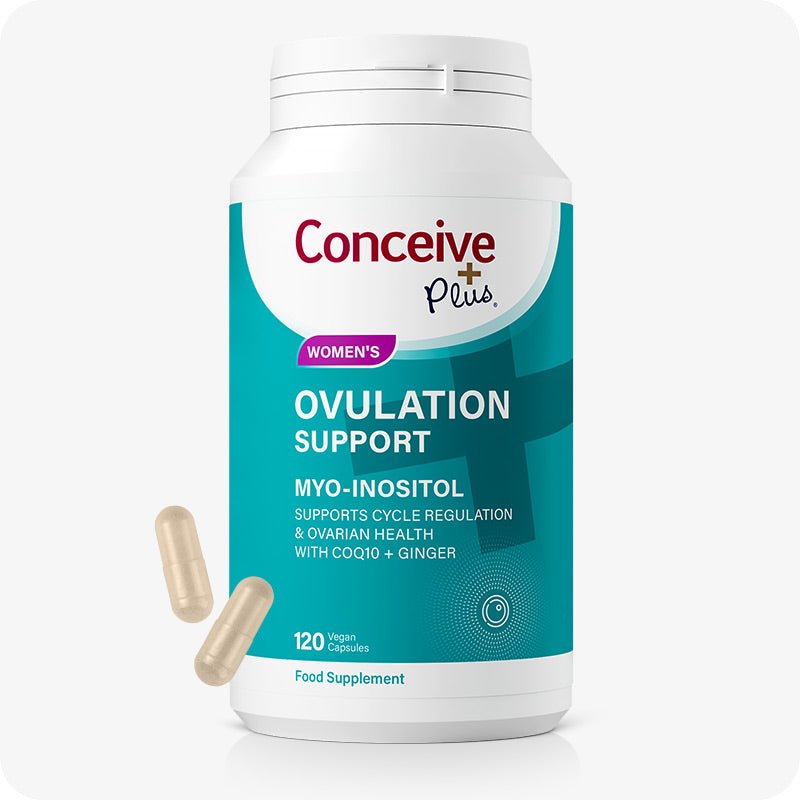
Our fertility supplements combine Myo-Inositol with essential vitamins to support healthy hormone balance and regular ovulation.
Shop Now — $36.00✓ Free shipping available | ✓ Trusted by millions of couples worldwide
6. OBESITY CAN AUGMENT THE ANDROGEN LEVEL
Hyperandrogenism is the oversupply of androgen level, caused by obesity. It is responsible for the disruption of the ovarian cycle in a woman’s monthly period.7. OBESITY WILL DECREASE SUCCESS IN FERTILITY TREATMENTS
Another effect of obesity is the decreased success of fertility treatments and other assisted reproductive technologies, such as in vitro fertilization (IVF), intracytoplasmic sperm injection (ICSI) and etc.
8. OBESITY CAN CREATE RESISTANCE TO LEPTIN
Leptin is a protein present in the body that helps to regulate body weight and infertility. But another unwanted effect of obesity on fertility and pregnancy is that it renders the leptin protein useless leading to fertility problems.CONCLUSION
Obesity has a direct effect on fertility which should not be underestimated. Every extra kilo on top of your healthy body mass index can slowly start affecting your fertility and lead to obesity. That on itself can make it almost impossible to give birth to a child. Infertility problems are faced even by women who have a normal ovulation cycle if they happen to be overweight.But not only women should be worried. Men also bear the burden of obesity: Fertility Advice for MenYou can find some of our food tips on the Conceive Plus facebook page.
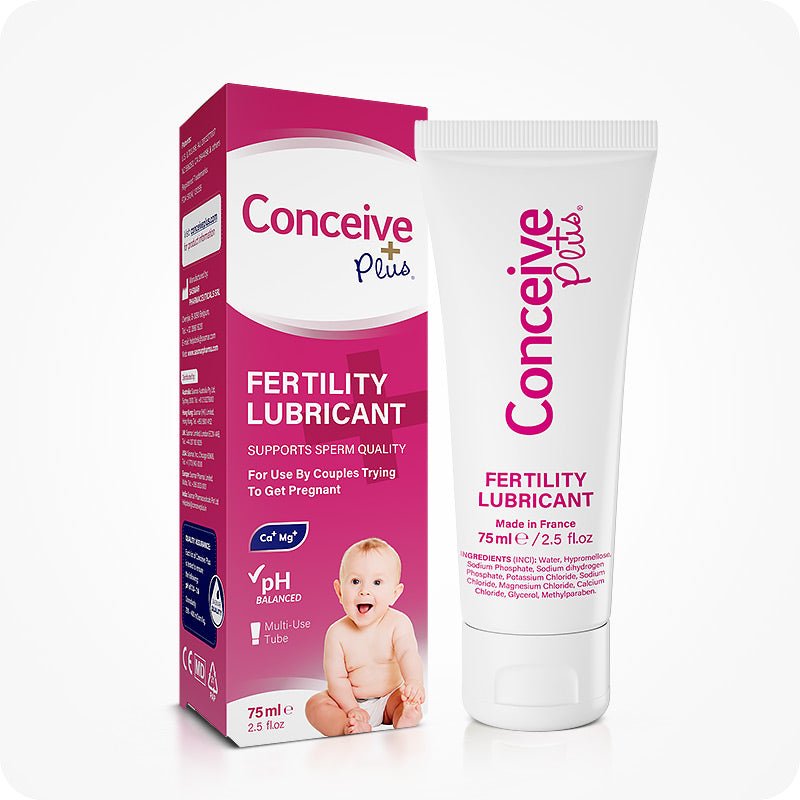
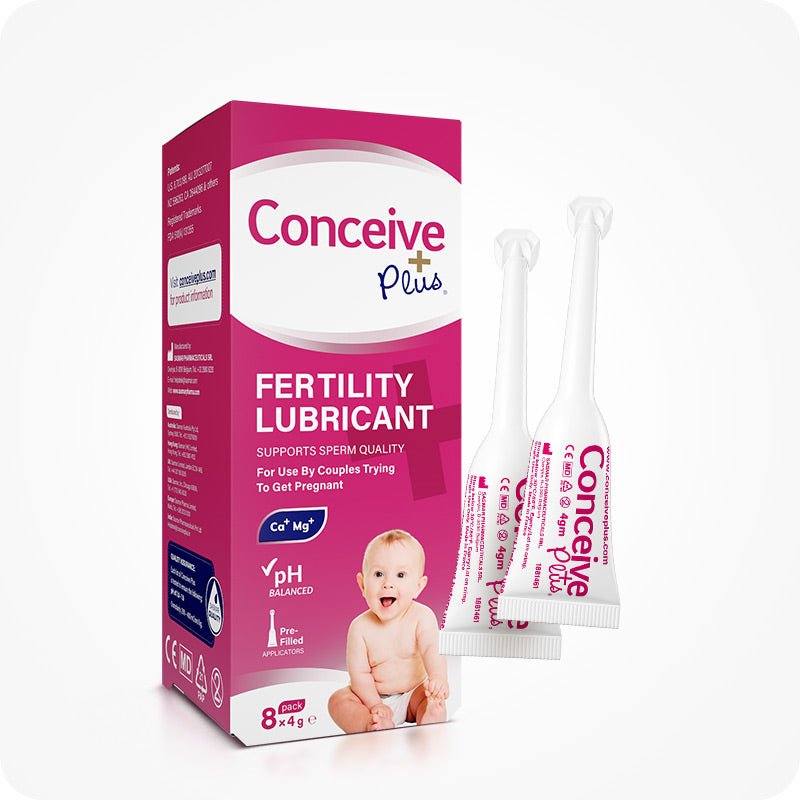
Learn more about how Conceive Plus fertility friendly personal lubricant can help with getting pregnant naturally. Click Here to learn more about Conceive Plus.
🌱 Support Your Fertility Journey
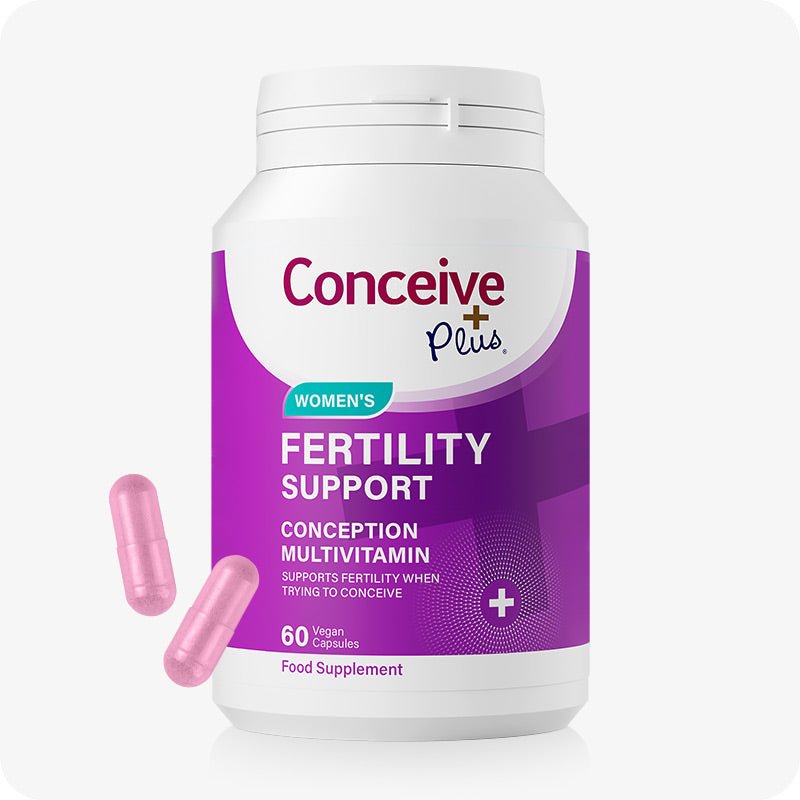
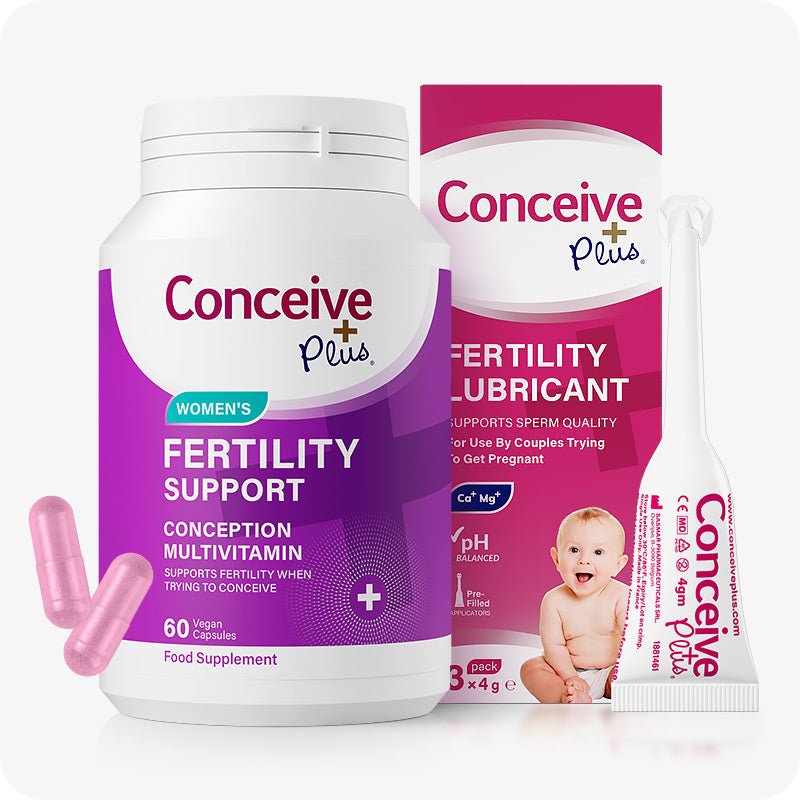
Conceive Plus fertility supplements are clinically formulated to help regulate your cycle and support egg quality.
Shop Fertility Support →Frequently Asked Questions
Recommended by Fertility Experts
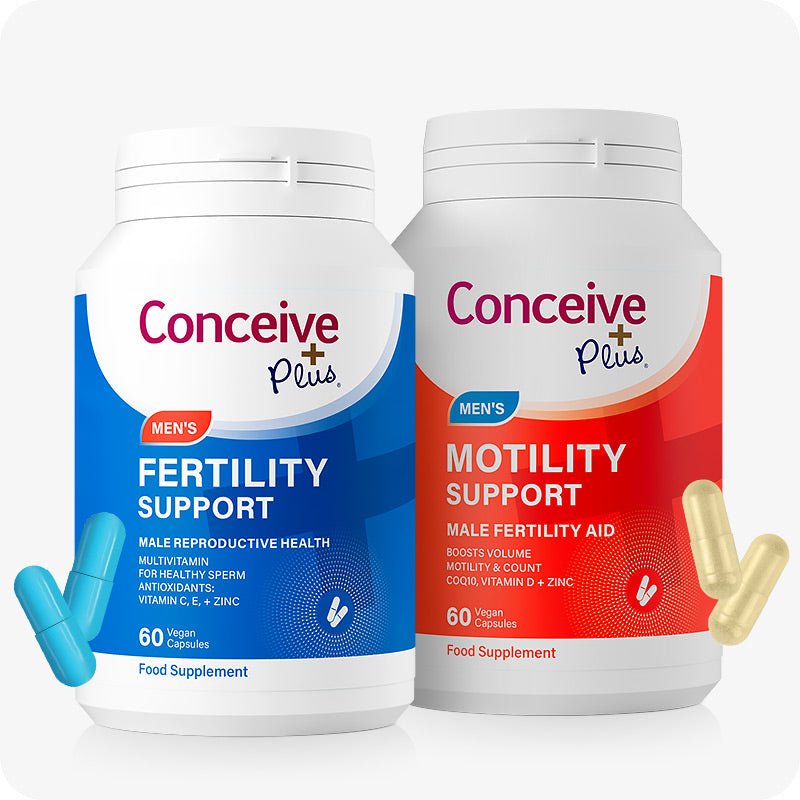
Conceive Plus Men's Fertility Support
Designed to support healthy sperm production, motility, and overall male reproductive health with clinically studied nutrients.
Shop Now →Can being overweight stop me from getting pregnant?
Yes, carrying excess weight can significantly affect your chances of conceiving naturally. According to NHS guidance, obesity can disrupt your menstrual cycle, affect ovulation, and make fertilisation more difficult. Losing even 5-10% of your body weight can improve your fertility and increase your chances of becoming pregnant.
Will I be refused fertility treatment on the NHS if I'm obese?
Most Clinical Commissioning Groups (CCGs) in England require women to have a BMI under 30 before they can access NHS-funded IVF treatment, though this varies by area. NICE guidelines recommend that women with a BMI over 30 should be offered support to lose weight before starting fertility treatment. It's worth checking with your local CCG or GP about the specific criteria in your area.
How does obesity cause PCOS and fertility problems?
Obesity doesn't directly cause polycystic ovarian syndrome (PCOS), but it can worsen the symptoms and make the condition harder to manage. Excess weight increases insulin resistance and raises androgen levels, which disrupts ovulation and yo
What BMI do I need for IVF on the NHS?
NICE guidelines recommend that women should ideally have a BMI between 19 and 30 before starting IVF treatment. However, individual CCGs set their own eligibility criteria, and some may have stricter requirements. Your GP can refer you to a fertility specialist who will assess your situation and discuss what support is available whilst you work towards a healthier weight.
Does losing weight improve egg quality and fertility?
Research shows that losing weight can improve hormone balance, regulate your menstrual cycle, and enhance egg quality. The NHS recommends achieving a healthy BMI before trying to conceive, as this can significantly boost your chances of natural conception and improve outcomes with assisted reproductive technologies like IVF.
Can obesity cause miscarriage in early pregnancy?
Unfortunately, obesity does increase the risk of miscarriage, as well as other pregnancy complications. The RCOG (Royal College of Obstetricians and Gynaecologists) notes that women with a higher BMI face greater risks during pregnancy. Maintaining a healthy weight before and during pregnancy can help reduce these risks and support a healthier pregnancy.
How long will I have to wait for NHS fertility treatment if I need to lose weight first?
Waiting times vary considerably across the UK, and if you need to lose weight before qualifying for treatment, this will extend your timeline further. Many CCGs offer weight management programmes to help you reach your target BMI, and some fertility clinics provide pre-treatment support. Speaking with your GP early about your options can help you start your weight loss journey whilst understanding the referral process in your area.
Trusted by Couples in Over 70 Countries
Support Male Fertility From the Inside Out
Male fertility is just as important as female fertility in the conception journey. Conceive Plus Men's range delivers targeted nutritional support to promote healthy sperm and overall reproductive wellbeing.
Shop Men's Range →