The Two-Week Wait: How to Cope, What's Happening, and When to Test


The Two-Week Wait: How to Cope, What's Happening, and When to Test
For anyone who has been trying to conceive, few experiences are as emotionally charged as the two-week wait — the fortnight between ovulation and the earliest reliable pregnancy test date. Also known as the TWW or the luteal phase, this period is defined by uncertainty, heightened body awareness, and the kind of hope that can make every twinge feel significant.
If you're in the middle of your two-week wait right now, or preparing for one after a carefully timed cycle, this guide will walk you through exactly what's happening in your body, what symptoms are genuinely meaningful, how to protect your mental wellbeing, and when — and how — to test accurately. We'll also explore how the right nutritional support during this window can help your body do its best work.
What Actually Happens During the Two-Week Wait?
The two-week wait begins at ovulation — the moment your follicle releases a mature egg. From here, two possible stories unfold simultaneously.
If fertilisation occurs, it happens within 12–24 hours of ovulation as sperm reach and penetrate the egg in the fallopian tube. The resulting zygote begins dividing immediately while travelling toward the uterus — a journey of approximately 5–6 days. By days 6–10 post-ovulation, the developing blastocyst begins implantation into the uterine lining, triggering the first release of hCG (human chorionic gonadotropin) — the hormone that pregnancy tests detect.
Meanwhile, regardless of fertilisation, your body is maintaining an identical hormonal environment: progesterone from the corpus luteum (the follicle that released your egg) prepares the uterine lining for implantation, raises your basal body temperature, and creates many of the symptoms that can make the TWW so confusing.
If fertilisation didn't occur, progesterone levels begin declining around day 10–12 after ovulation, the corpus luteum breaks down, and your period typically arrives 14 days after ovulation (assuming a standard luteal phase).
Common Two-Week Wait Symptoms — And What They Actually Mean
Support your fertility journey with Conceive Plus. Explore our full range of women's and men's fertility supplements at conceiveplus.co.uk/collections/fertility-supplements.
This is where the two-week wait becomes most psychologically challenging. Because progesterone dominates the luteal phase regardless of pregnancy status, many early pregnancy symptoms are virtually identical to pre-menstrual symptoms. Here's what the evidence actually supports:
Breast tenderness and swelling: Extremely common in both early pregnancy and as a PMS symptom due to progesterone effects on breast tissue. Not a reliable indicator either way.
Implantation bleeding: A small percentage of women (estimates range from 15–25%) experience light spotting around 6–12 days after ovulation, coinciding with implantation. This is typically lighter than a period, pink or brown rather than red, and brief (1–2 days). However, not all spotting is implantation bleeding, and not all implantations cause spotting.
Cramping: Mild cramping can accompany implantation, but is also an extremely common PMS symptom. In and of itself, cramping during the TWW is not diagnostic of pregnancy.
Fatigue: Early pregnancy fatigue is often profound — driven by rapidly rising progesterone and, once implantation occurs, increasing hCG. However, progesterone also causes fatigue in non-pregnant luteal phases. Significant, unusual fatigue is a slightly more distinctive early sign.
Nausea: True nausea rarely appears before 6 weeks of pregnancy (4 weeks past ovulation), so nausea during the two-week wait itself is usually not pregnancy-related.
Heightened sense of smell: Some women report this as a very early pregnancy sign, appearing even before a missed period. There's anecdotal support but limited clinical data.
Basal body temperature (BBT) staying elevated: If you're tracking BBT, a sustained temperature rise continuing past 14 days post-ovulation — and particularly a "triphasic" pattern (a second temperature rise after implantation) — is a statistically meaningful indicator of pregnancy, though not definitive.
The Psychology of the Two-Week Wait: Managing Hope and Anxiety
For couples who have been trying to conceive for multiple cycles, or who are going through fertility treatments, the TWW can be genuinely destabilising. Studies consistently show elevated anxiety, depression, and obsessive ideation during this window — a phenomenon that fertility counsellors recognise as "the roller coaster of TTC."
Evidence-based strategies that genuinely help:
Planned distraction: Identify specific activities in advance — a project, a book series, a social commitment — and consciously redirect attention. This is not denial; it's cognitive load management.
Set a "no-test" date: Decide in advance that you won't test before a specific date (typically 10–12 days past ovulation for sensitive tests). Having a rule removes the daily negotiation about whether to test.
Limit TWW "symptom spotting" online: TTC forums are full of women convinced their symptoms are definitive signs of pregnancy — followed by negative tests. Reading these accounts amplifies anxiety without adding useful information.
Exercise moderately: Light to moderate exercise supports mental wellbeing and is entirely safe in early pregnancy. Avoid very high-intensity or heavy lifting if you're concerned, but normal activity is beneficial.
Communicate with your partner: The TWW is experienced by both partners, often quite differently. Creating space for honest conversation about hopes, fears, and how you're both coping reduces isolation and strengthens the relationship regardless of outcome.
Consider professional support: If cycle after cycle the TWW is causing significant emotional impairment, working with a fertility counsellor or psychologist specialising in reproductive health is genuinely valuable — not a sign of weakness.
What to Avoid During the Two-Week Wait
The list of things to "avoid" during the TWW can feel overwhelming, and much of it is exaggerated. Here's a realistic evidence-based breakdown:
Alcohol: Given that implantation typically occurs 6–10 days post-ovulation and early embryonic development is most vulnerable in the first weeks, minimising or avoiding alcohol during the TWW is a reasonable precaution — particularly in the second half of the wait.
Caffeine: Moderate caffeine (up to 200mg/day, roughly one strong coffee) is generally considered safe in early pregnancy by UK and US health authorities. Reducing to this level or below during the TWW is prudent without being alarmist.
Hot tubs and saunas: Sustained high body temperatures are associated with early pregnancy risk. A precautionary approach suggests avoiding these in the second week of the TWW specifically.
High-impact activities: Normal exercise is fine. Vigorous contact sports or activities with significant fall risk are worth pausing, not because they're proven harmful to early implantation, but because the risk-benefit calculus doesn't favour them.
Starting new medications: If possible, discuss any new prescriptions with your doctor in the context of potential early pregnancy. Many common medications are safe, but your prescriber should know you may be newly pregnant.
Nutritional Support During the Two-Week Wait
The two-week wait is not the time to overhaul your diet or start aggressive supplementation — but it is an important window for consistent nutritional support. Key priorities:
Folate/folic acid: Neural tube closure occurs in the first 28 days after conception — almost entirely within and just after the two-week wait. If you're not already taking a prenatal supplement with at least 400 mcg folic acid (or methylfolate for women with MTHFR variants), start immediately.
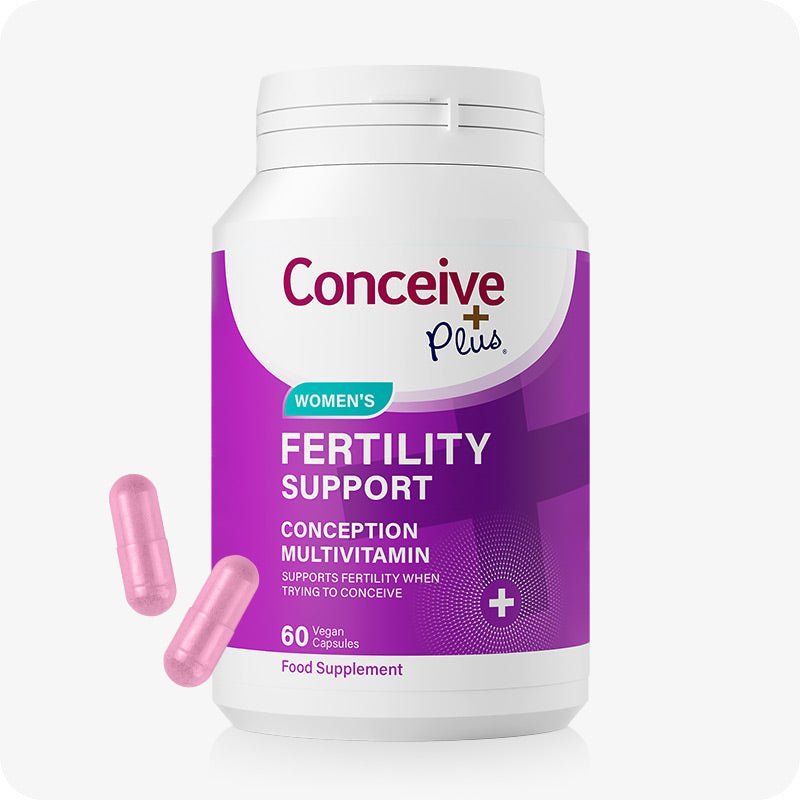
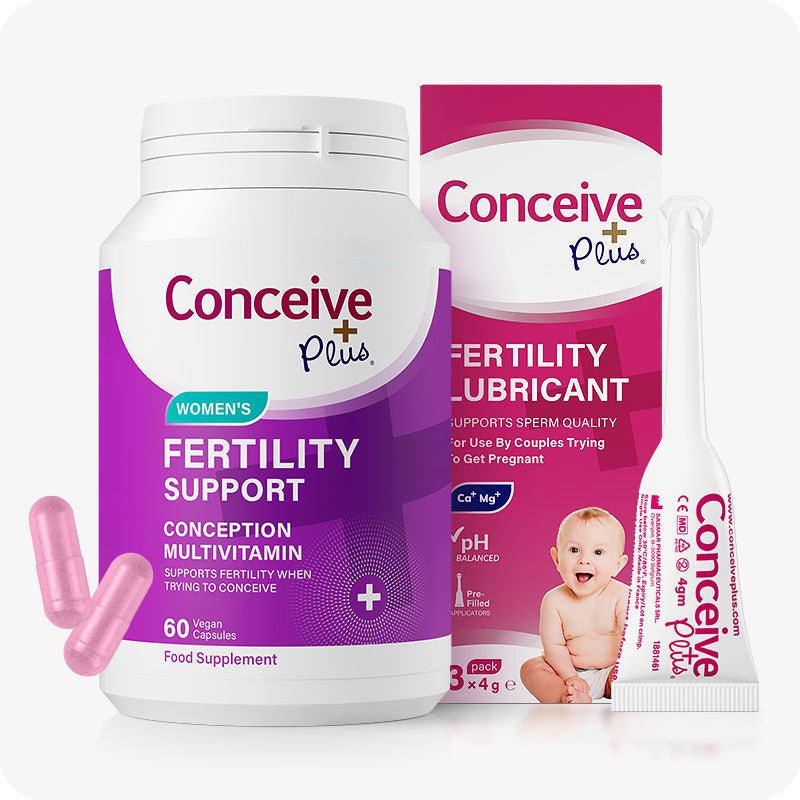
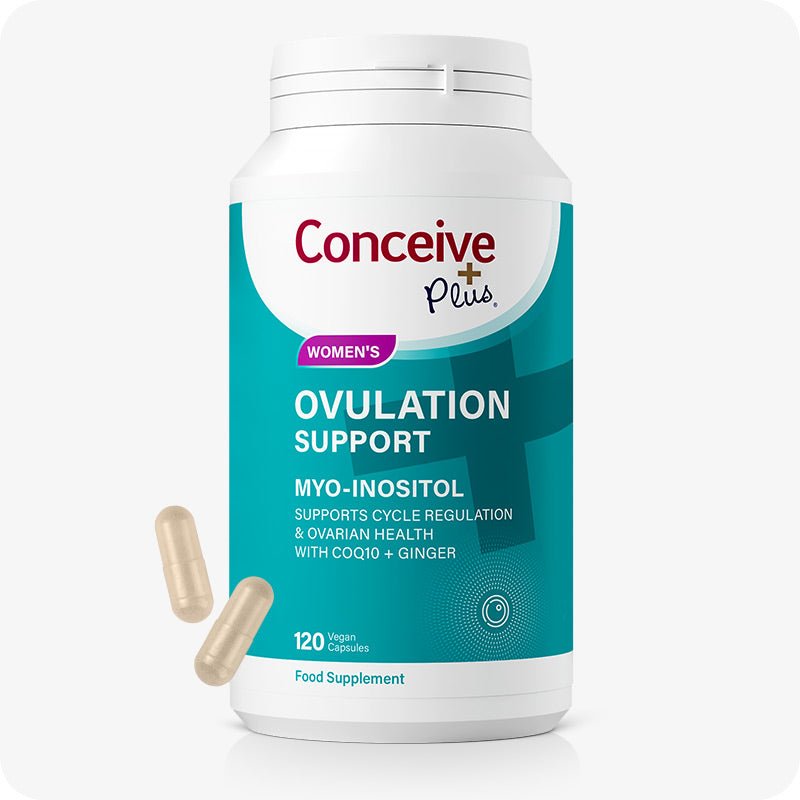
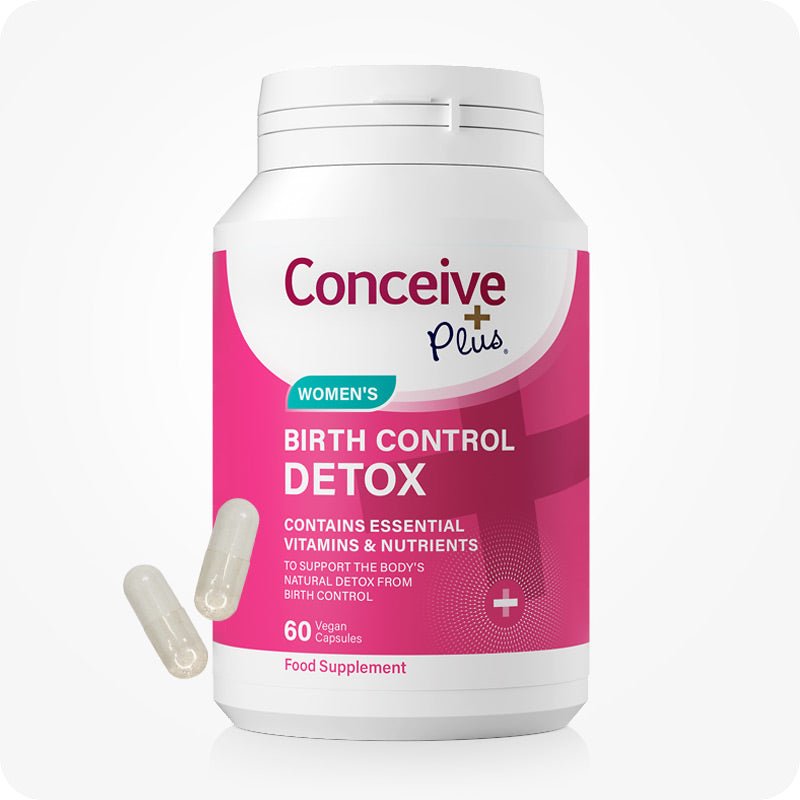
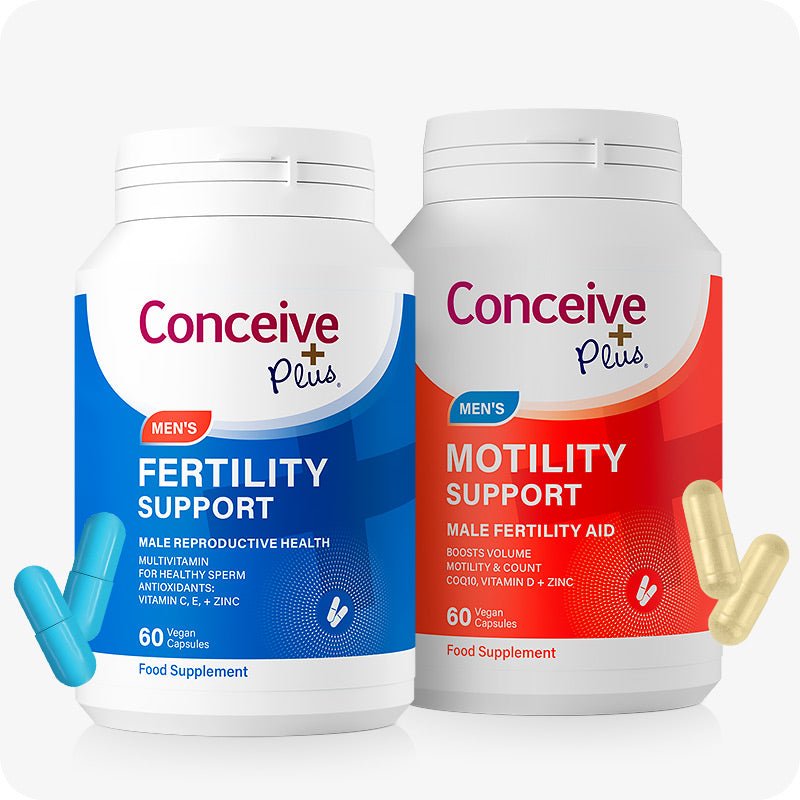
Continue fertility supplements: The Conceive Plus women's supplement range is designed to support both the pre-conception period and early pregnancy. Continuing these through the TWW ensures you're not creating any gaps in critical nutrient provision during what may be the most developmentally significant two weeks of a future pregnancy.
Vitamin D: Low vitamin D is associated with implantation failure and early pregnancy loss. The UK's National Health Service recommends vitamin D supplementation for all adults year-round in Britain — a recommendation that applies with particular force during the fertile window and TWW.
Omega-3 fatty acids: DHA and EPA support uterine blood flow and early embryo development. A quality omega-3 supplement or regular oily fish consumption is a sensible addition.
Explore the complete Conceive Plus range at conceiveplus.co.uk/collections/fertility-supplements to ensure your nutritional foundations are in place before and during every TWW.
When and How to Take a Pregnancy Test
Modern home pregnancy tests detect hCG in urine, and their sensitivity varies considerably. Here's what the evidence shows:
hCG timing: After implantation (typically 6–10 days past ovulation), hCG levels begin doubling every 48–72 hours. The earliest detectable levels reach urine approximately 10–12 days after ovulation in most pregnancies — though this varies by when implantation occurred and how quickly hCG rises.
Test sensitivity: Tests rated at 10 mIU/mL can detect pregnancy earlier than standard 20–25 mIU/mL tests. If you're testing early, use a highly sensitive test.
First morning urine: Urine is most concentrated first thing in the morning, maximising the likelihood of detecting low early hCG levels. Testing at other times of day increases false negative risk in early testing.
The safest test window: Testing on or after the day of your expected period (typically 14 days past ovulation) with a standard sensitivity test and first morning urine gives the most reliable result. Testing earlier increases false negative risk — not because the test is wrong, but because hCG may not yet be detectable even in a genuine pregnancy.
A negative result before 14 DPO: Does not rule out pregnancy. If your period doesn't arrive, test again 2–3 days later.
A positive result at any point: Contact your GP or midwife to arrange early pregnancy care, particularly if you've been trying for some time or are undergoing fertility treatment.
The Two-Week Wait After Fertility Treatment
The TWW following IUI, IVF, or FET (frozen embryo transfer) carries an additional layer of complexity. hCG trigger shots used to stimulate ovulation can cause false positive pregnancy tests for 7–14 days after injection, making early home testing unreliable. Your clinic will typically advise when to come in for a beta hCG blood test — which measures exact hCG levels and is far more informative than a qualitative home test.
The emotional intensity of the treatment TWW is also heightened by the investment — financial, physical, and emotional — that has preceded it. Many fertility clinics now offer psychological support as a standard part of their programmes, and utilising this support during the TWW is strongly encouraged.
Frequently Asked Questions About the Two-Week Wait
Q: Is it normal to have no symptoms during the two-week wait?
A: Completely normal. Many women who go on to have healthy pregnancies report no noticeable symptoms before their missed period. Absence of symptoms during the TWW is not a negative sign.
Q: Can stress cause implantation to fail?
A: The relationship between stress and implantation is complex. Extreme physiological stress can affect reproductive hormones, but normal psychological stress — including anxiety about the TWW itself — has not been proven to prevent implantation. Managing stress is beneficial for your overall wellbeing, but please don't add guilt about "stressing too much" to your TWW anxiety.
Q: Should I lie down or rest after sex to help sperm reach the egg?
A: The evidence does not support this practice. The two-week wait begins after ovulation; any sperm meeting the egg has already done so in the fallopian tube. Resting is fine if it makes you feel better, but it's not physiologically necessary.
Q: What is "implantation dip" in BBT tracking?
A: Some women notice a brief one-day temperature drop around 7–10 days past ovulation — sometimes attributed to implantation. The evidence for this is limited and inconsistent; it's not a reliable indicator, but it's a recognised pattern in BBT literature.
Q: Can I exercise during the two-week wait?
A: Yes. Moderate exercise — walking, swimming, yoga, cycling — is safe and beneficial. Very high-intensity training or heavy lifting is sometimes paused as a precaution, but standard active lifestyles are appropriate to continue.
Q: What does a "chemical pregnancy" mean?
A: A chemical pregnancy occurs when a fertilised egg implants briefly but fails to develop, resulting in very early pregnancy loss — often only detectable through a sensitive pregnancy test before an expected period. These are surprisingly common and are thought to account for up to 50–75% of all miscarriages. They do not typically indicate a fertility problem, though recurring chemical pregnancies warrant investigation.
Q: My BBT dropped on 12 DPO — does that mean my period is coming?
A: A temperature drop at 12 DPO, especially if accompanied by spotting, usually indicates the luteal phase is ending and menstruation will follow. However, some pregnancies show brief temperature dips and still continue normally. Confirm with a test if your period doesn't arrive within 1–2 days.
Q: How can I make the TWW feel shorter?
A: Plan a specific activity or goal for each day — something genuinely engaging that occupies your mind. Join a hobby, commit to a creative project, plan a low-key social schedule, or work through a book list. The TWW doesn't feel shorter, but it feels more purposeful.
Q: Does Conceive Plus support fertility during the two-week wait?
A: Yes. Conceive Plus supplements provide the nutritional foundation to support both the pre-conception period and early pregnancy, including the critical window of implantation and early embryo development. Visit conceiveplus.co.uk/collections/fertility-supplements for the full range.
Conclusion: The TWW Requires Patience, Self-Compassion, and Preparation
The two-week wait is one of the most universally shared experiences among people trying to conceive — and one of the least adequately prepared for. Understanding what's physiologically happening, which symptoms are genuinely meaningful, when to test, and how to care for yourself emotionally can transform the experience from an anxious waiting game into an informed, self-compassionate preparation for what comes next.
Whether your TWW ends with a positive test or the arrival of your period, you will have done everything in your power during that window — and that matters. Conceive Plus is here to support you with high-quality, evidence-formulated supplements through every stage of your conception journey.
Visit conceiveplus.co.uk/collections/fertility-supplements to explore the complete range.
Support your fertility journey with Conceive Plus. Explore our full range of women's and men's fertility supplements at conceiveplus.co.uk/collections/fertility-supplements.